


Featured Materials
A curated selection of images, terms and collections to help understand modern conflict.
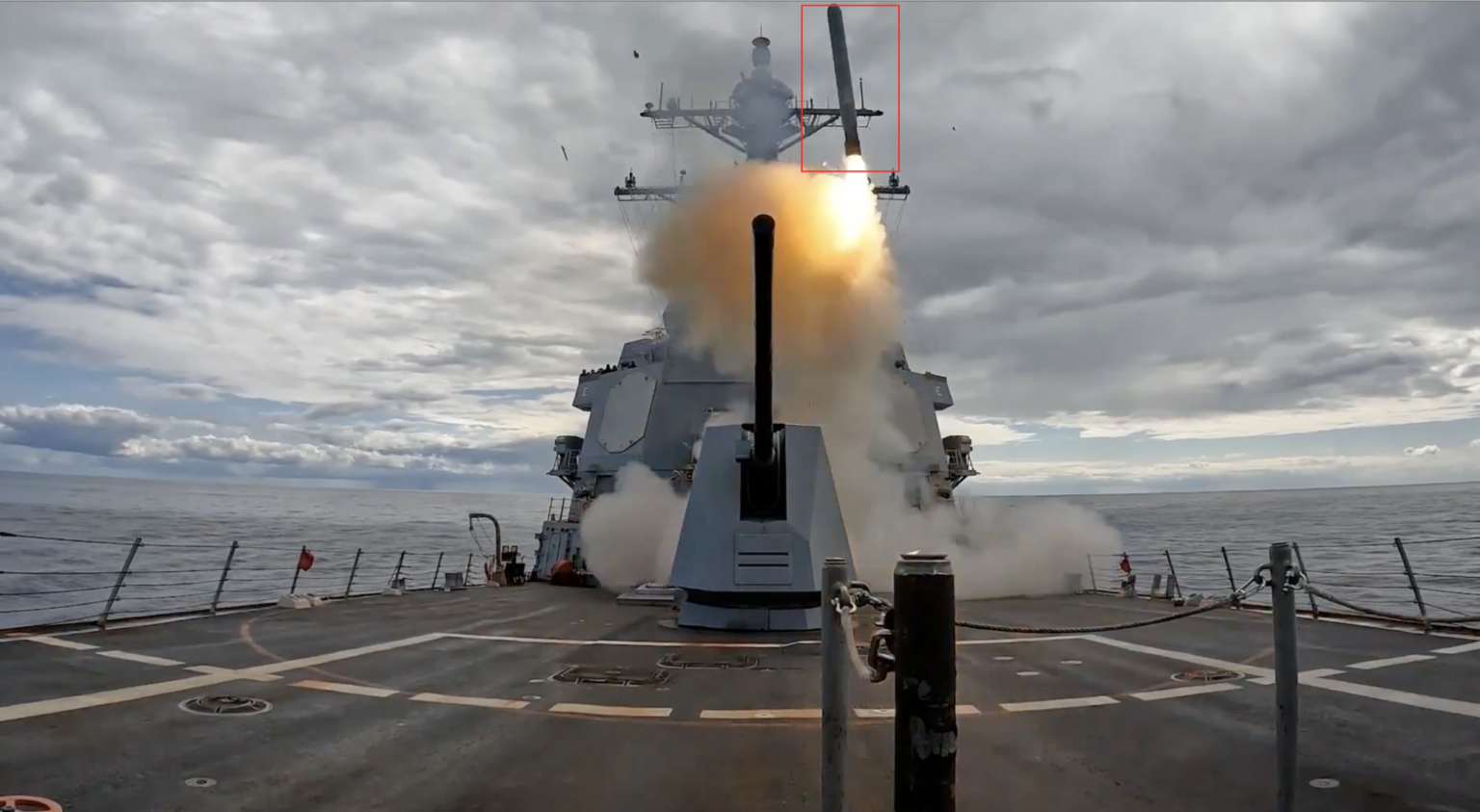
Iran War 2026
Munition images from the ongoing Middle East conflict
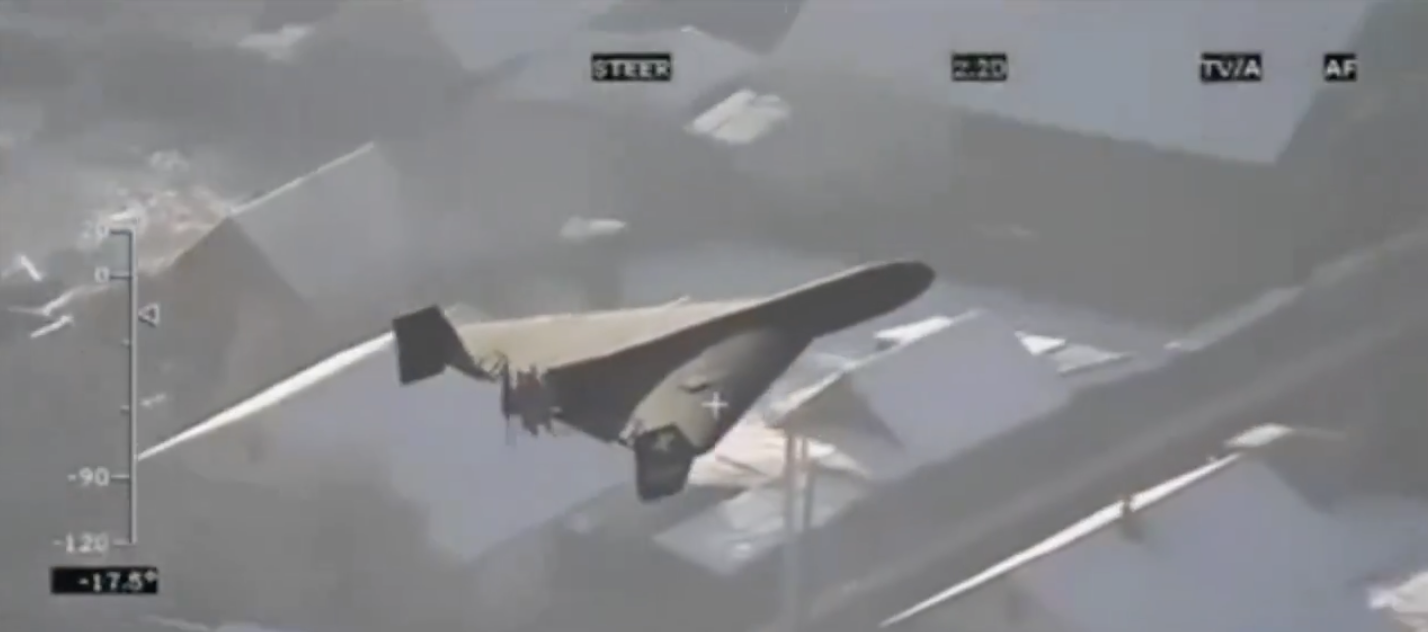
Shahed-131 & -136 UAV
3D models explain the best-known 'kamikaze drones'
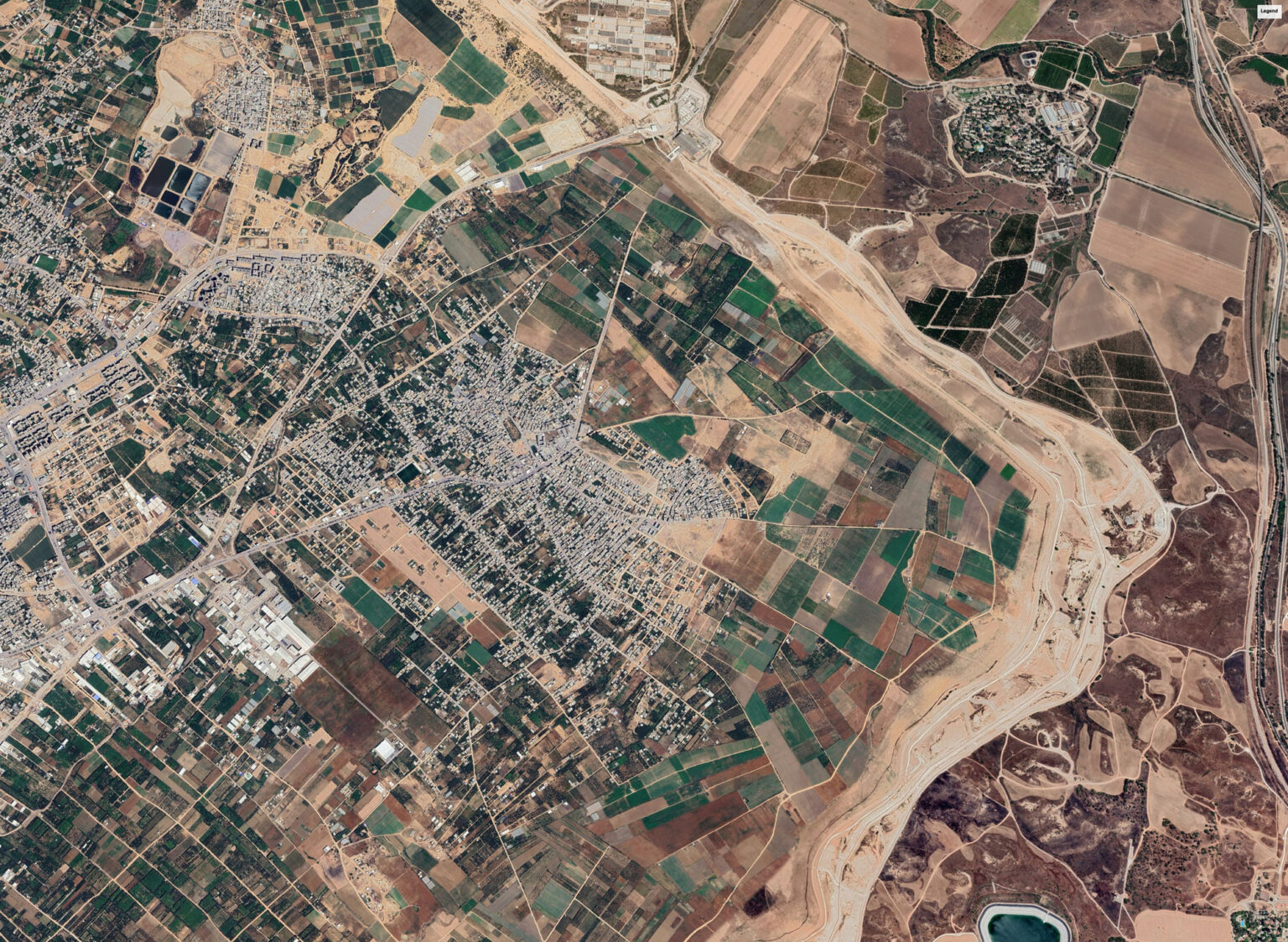
Collection
Munition images from the Gaza war
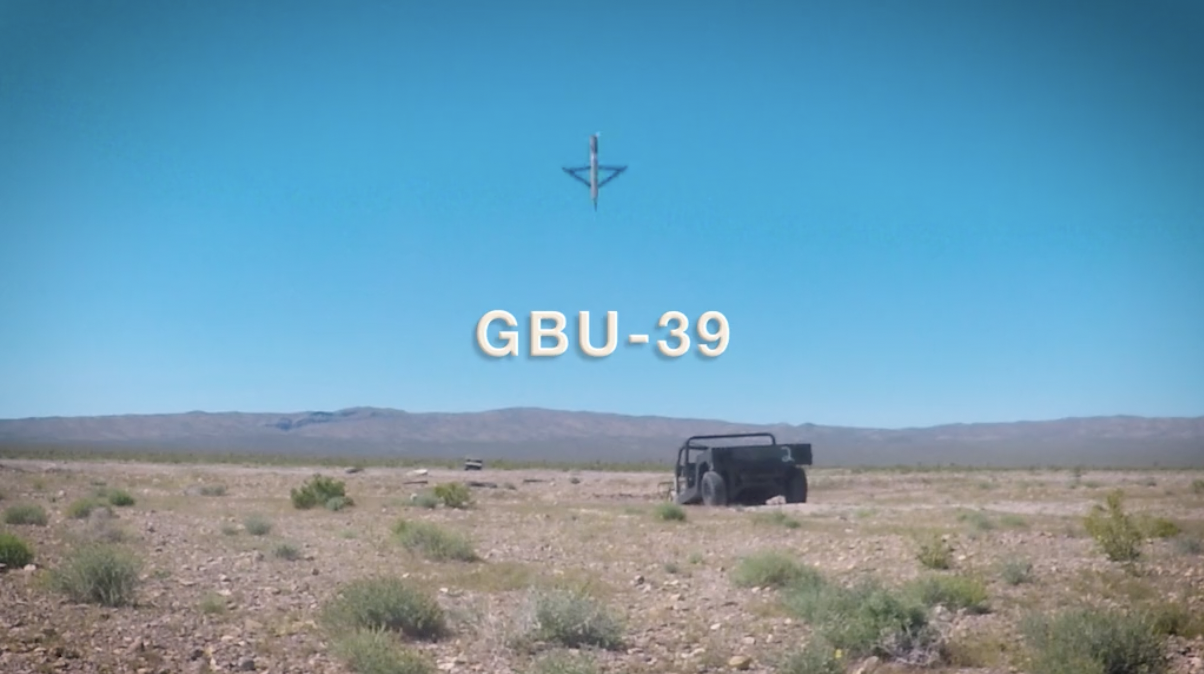
GBU-39 bomb
3D model explaining Israel's 'weapon of choice' in Gaza

Research organisation
Images from the Human Rights Watch archives

Collection
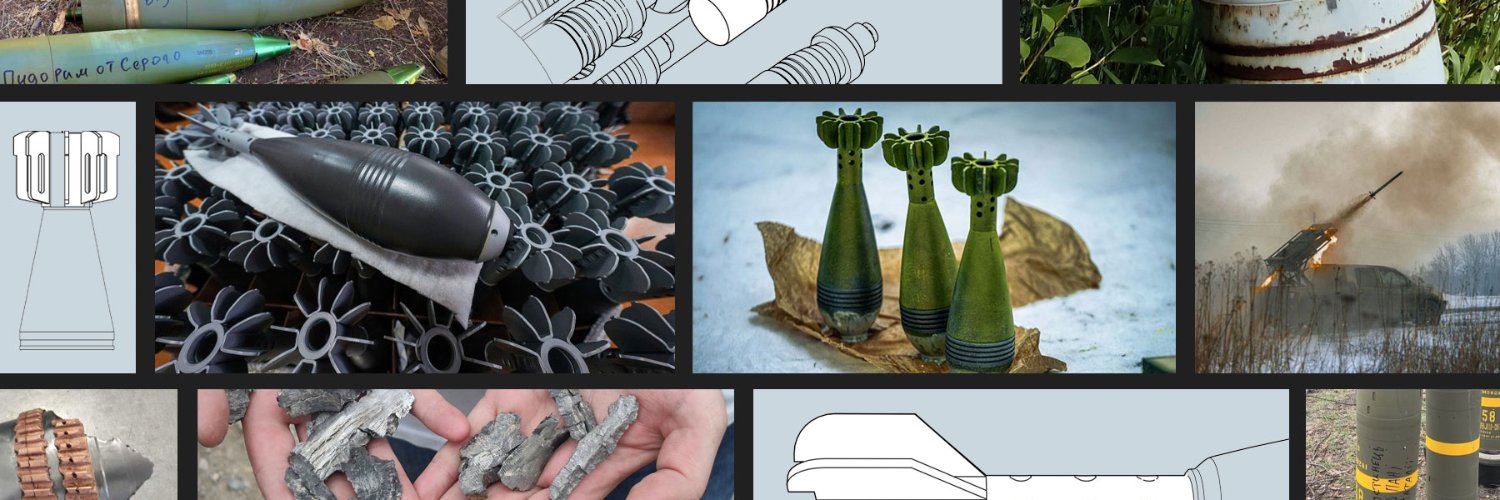
Munition images from the Ukraine war
Follow
Keep up to date with newly added munitions
Contribute
Submit images to the OSMP
OSMP referenced in media and research
View all →
NYT uses OSMP to identify Iran wedding munition

BBC uses OSMP to investigate new U.S. missile

AP highlights images of Iranian submunitions

The Incendiary Bomb Never Seen in Israel Before

UN report highlights OSMP importance

GIJN’s Top Investigative Tools of 2024
NYT uses OSMP to identify Iran school munition
101–200 of 1,837




Analyst Note
2 March 2026
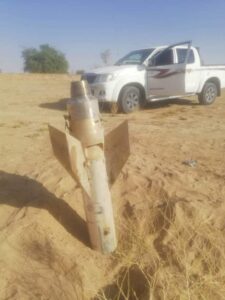
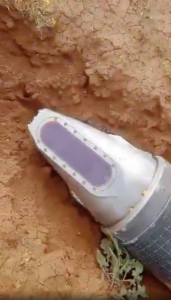
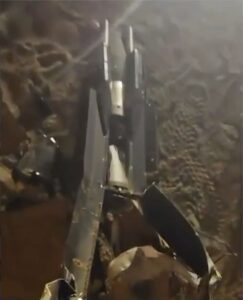
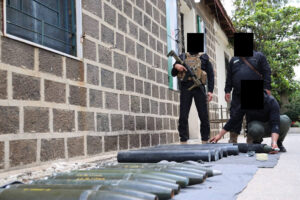
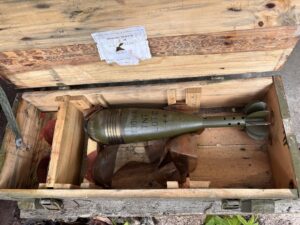
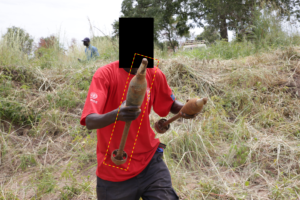
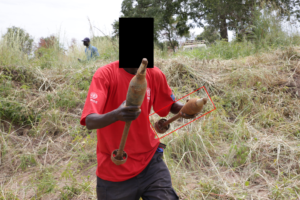
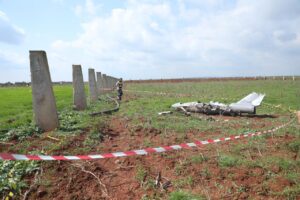
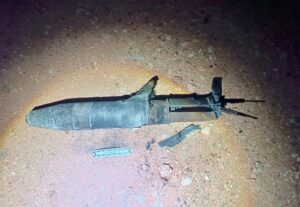
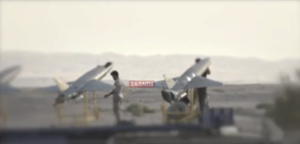
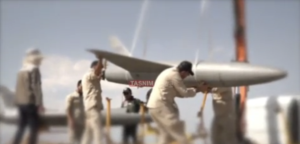
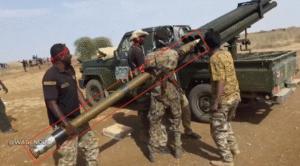
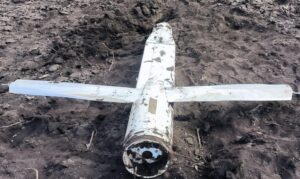
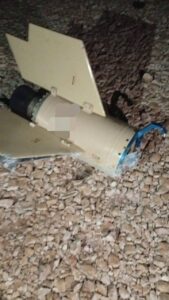
Based on design features and an estimation of the munition’s apparent size relative to the personnel handling it, this image appears to show a 122 mm surface-to-surface rocket fitted with a high explosive fragmentation (HE-FRAG) warhead, although the specific model and country of origin are unclear. In Sudan there have been reports of Russian, Chinese, and domestically produced (Taka-02) 122 mm rockets being used. (ARES)

Analyst Note
15 August 2026
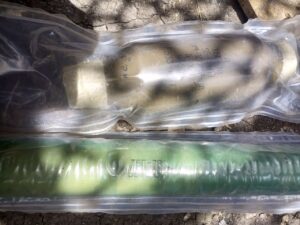
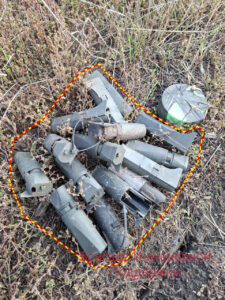
This image shows a U.S. Area Denial Artillery Munition (ADAM), an anti-personnel scatterable landmine which is dispensed from the rear of M692 and M731 155 mm artillery gun projectiles. Each projectile contains 36 ADAM submunitions. The submunition can deploy up to seven tripwires out to 20 ft (6.1 m). Any movement of a tripwire or movement of the ADAM body will result in a small kill mechanism being ejected to a height of a 6–8 ft (1.8 m–2.4 m) prior to detonating. Each munition contains a small amount of depleted uranium. The ADAM was previously designated as either the M67 or M72, with the only difference being the self-destruct time delay. (ARES)

Analyst Note
22 August 2026
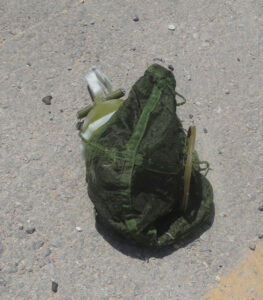
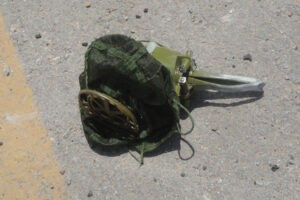
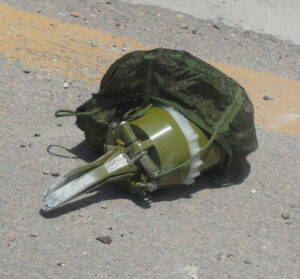
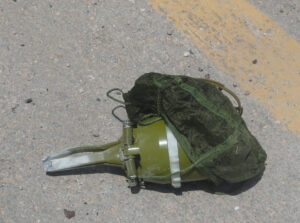
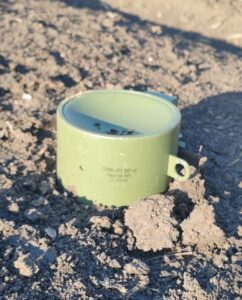
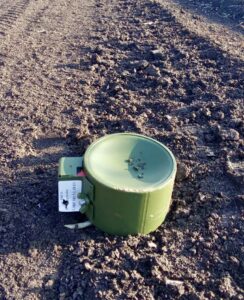
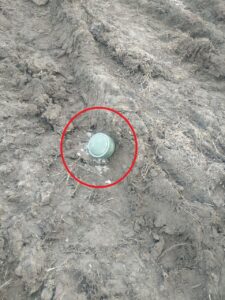
The German DM 1399 (AT2) anti-tank landmine shown here can be dispensed from rockets and ground vehicles. Upon being dispensed, a small parachute is deployed in order to slow the mine’s descent and assist in in landing base down; the parachute is released upon impact by an impact-release connector. Upon impact, from five to 12 (six shown) spring-loaded, metal legs deploy to right the mine; arming is completed anywhere from 15 seconds to five minutes thereafter. The base of the cylindrical body houses the battery and electronics assembly, with the main explosive charge and Misnay–Schardin shaped charge plate immediately above. The body is topped by a dome cover and an S3 sensor wire which extends approximately 600 mm (12 in) above the body of the mine. (ARES)

Analyst Note
24 August 2026
Shown is a German DM 1399 (AT2) dispensed, anti-tank landmine which is high explosive with a Misznay-Schardin charge to penetrate the bottom of armored vehicles. The DM 1399 reportedly has magnetic and contact fuzing (model S3 fuze), along with an anti-disturbance feature to interfere with clearance operations and a self-destruct time delay of up to four days. The mines are dispensed from rockets (MLRS). Currently the mines are in use by Finland, German, Norway, United Kingdom and Ukraine (donated by Germany and Norway). Italy is a former user which destroyed their ~45,000 mine stockpile in 1997 as part of the Ottawa Treaty, due to the mine’s anti-disturbance feature which can be activated by personnel and not just vehicles. (ARES)
Analyst Note
2 March 2026
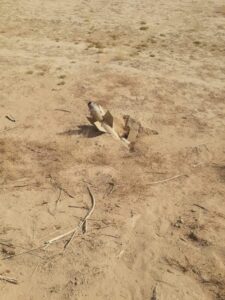
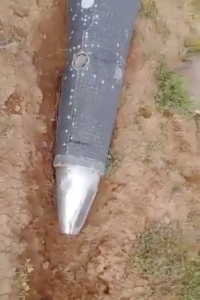
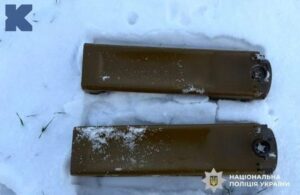
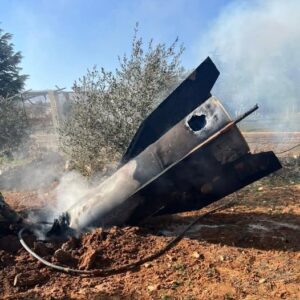
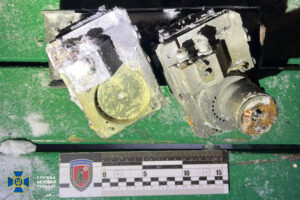
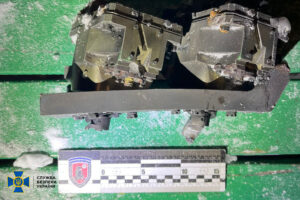
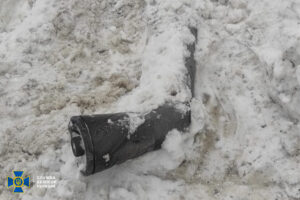
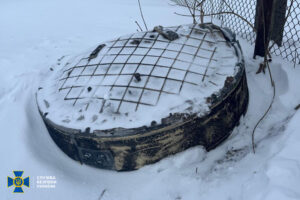
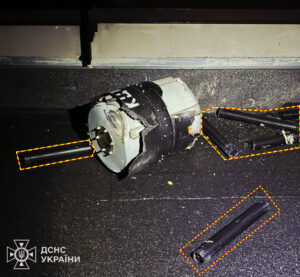
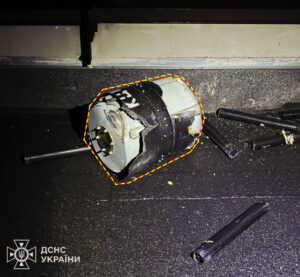
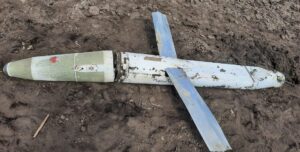
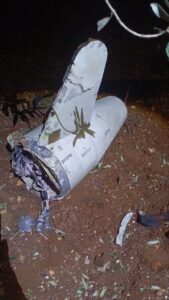
The remnants shown in this image (and in linked OSMP entries) are reported by the Ukrainian government to be from the Russian ‘Oreshnik’ missile. Available information on this munition is very limited at the time of writing. It is reported that the Oreshnik can carry either a nuclear or conventional payload. The Oreshnik is likely capable of carrying up to 6 independently targetable reentry vehicles (MIRVs). It is unclear how many warheads can be carried in each re-entry vehicle. In the case of this strike, there is insufficient imagery to make a determination on which warhead/MIRV was used. (ARES)
Analyst Note
2 March 2026
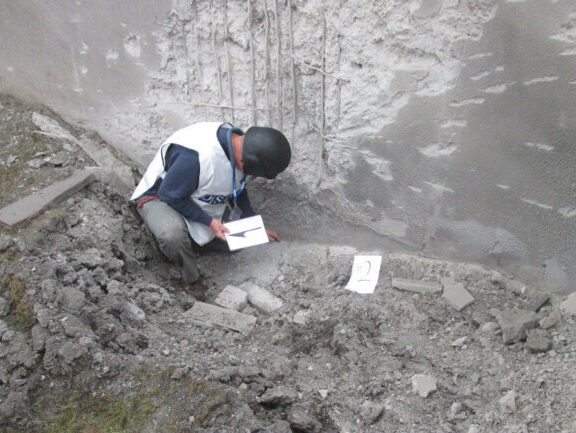
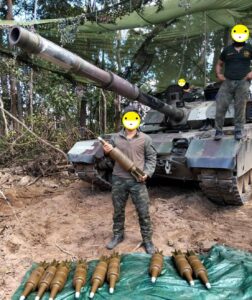
The tank visible in the background of the image appears to be a Chinese VT-4 (MBT-3000) model. The VT-4 is manufactured by Norinco and is intended primarily for export. (ARES)
Analyst Note
10 June 2026
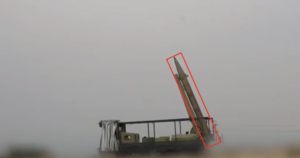
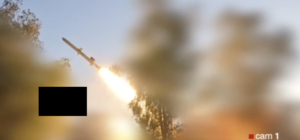
This image shows the launch of an Iranian Paveh surface-to-surface cruise missile in Iraq. The munition was fired by Iranian proxy forces and reportedly targeting Israel. Some sources indicate the Paveh has been renamed the ‘Jamal-10’, whilst others claim it is being locally produced in Iraq by Iranian proxy forces. With an estimated 75% of the missile’s components coming from outside Iran, distributed production is certainly possible. The missile has two large wings located forward of the munition’s midpoint, three smaller fins towards the tail, and four actuated fins around the tail. The initial launch is accomplished with a solid-propellant rocket motor, which gives way to a turbo jet flight motor mounted on top of the missile, towards the tail. (ARES)
Analyst Note
10 June 2026
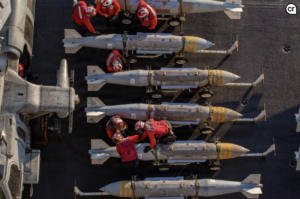
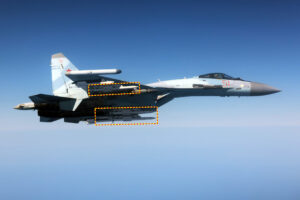
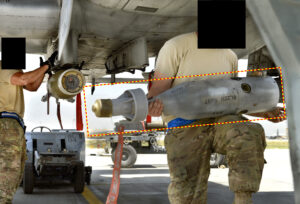
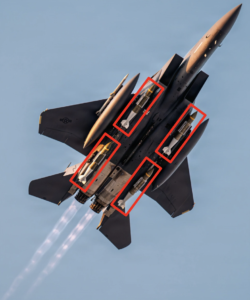
Highlighted are four GBU-31 Joint Direct Attack Munitions (JDAM) guided air-delivered bombs loaded onto the belly of a U.S. F-15E Strike Eagle aircraft. The GBU-31-series consists of a 2,000-pound-class bomb (Mk 84, BLU-109, or BLU-109A/B) and a guidance kit comprising a tail unit with four articulating fins and a guidance control unit with inertial navigation system (INS) and global positioning system (GPS) functions. The GBU-31 munitions seen here are built around the BLU-109, a penetrator munition with a solid nose and a thicker, one-piece body which flares slightly at the base. It has no body welds; the heavy steel base plate is held in place by an equally robust threaded steel closure ring. The BLU-109 is painted olive drab with a single yellow band towards the nose. (ARES)
Analyst Note
10 June 2026
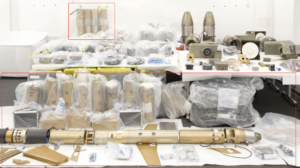
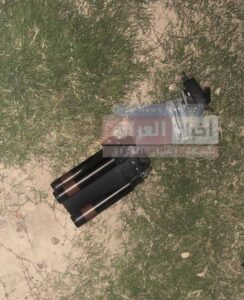
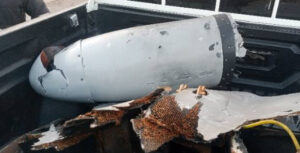
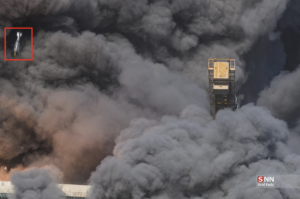
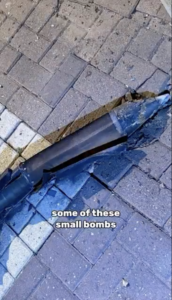
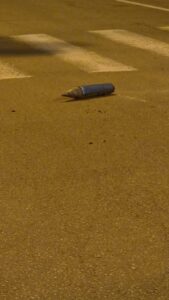
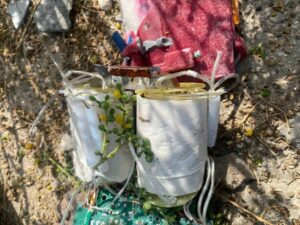
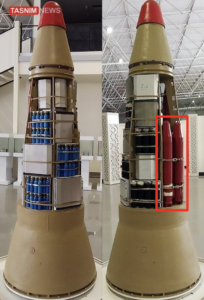
This image shows the ‘manoeuvrable re-entry vehicle’ (MaRV; a detachable, steerable payload section) of an Iranian ballistic missile loaded with submunitions. It appears there are three different models of submunition loaded into the MaRV (black, blue, and red). The black and blue submunitions are most likely anti-personnel designs, whilst the red submunitions (indicated by a red box) are likely designed with penetrating or shaped-charge warheads to target vehicles or structures. Some submunitions may utilise time-delay fuzing, allowing for random detonations over several hours or days to hamper clearance efforts, denying use of the afflicted area. Reports have shown Iran has used ballistic missiles with mixed submunition loads, and suggest that this type of warhead can scatter its payload up to a radius of 8 km. (ARES)

Analyst Note
10 June 2026
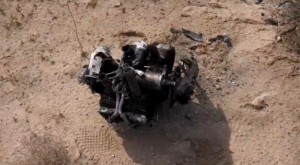
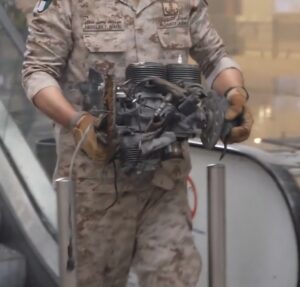
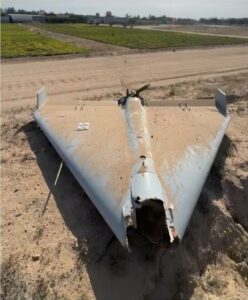
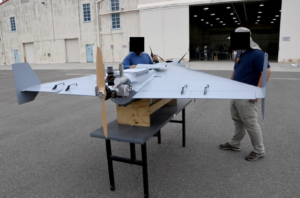
This image shows a screenshot from one of the videos released by the Kuwait Civil Aviation showing a one-way attack (OWA) unmanned aerial vehicle (UAV) striking the Kuwait International Airport. The munition’s distinctive delta-wing configuration and general size, shape, and manner of flight are consistent with the Shahed series of OWA UAVs. The related entry shows a Mado MD550 engine recovered following this strike, a model used to power the Shahed-136 series, enabling a more precise identification. (ARES)


Analyst Note
15 August 2026
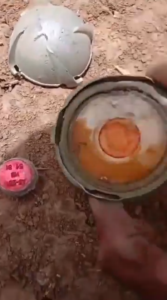
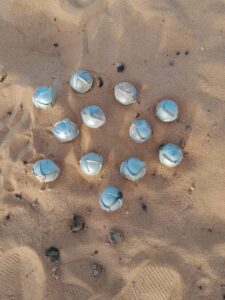
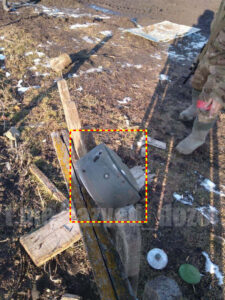
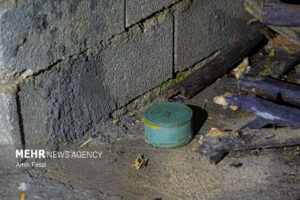
The BLU-91/B pictured here is an aerially dispensed anti-vehicle scatterable landmine that uses a magnetic-influence fuze to function a shaped charge relying on the Misnay–Schardin Effect. The munition is fitted with three self-destruct delay settings. The aeroballistic adaptor is commonly broken off upon impact and the remnants of the adhesive holding it in place can be seen (yellow). One side of the munition has a bore-riding pin which is held in place while in the dispenser. Once dispensed, the bore riding pin is released and starts the arming process. The BLU-91/B is 121 mm (4.75 in) in diameter and 56 mm (2.6 in) in height. (ARES)