


1–100 of 583

Analyst Note
15 August 2026
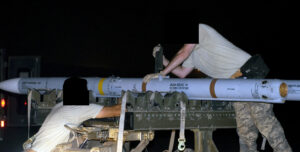
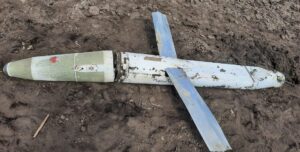
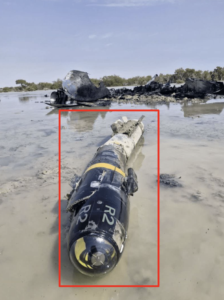
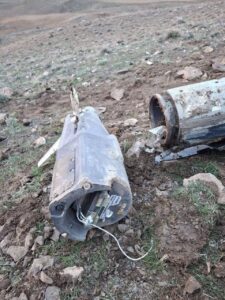
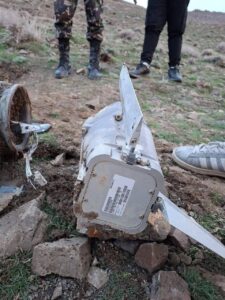
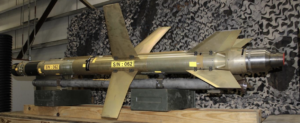
This image shows an AGM-114 series missile; however, it is not possible to definitively identify the variant. While the missile does appear to share some components with the AGM-114K/2, it is definitively not of this model. It is possible that this is a little-known variant designed for a specific end user. (ARES)
Analyst Note
15 August 2026
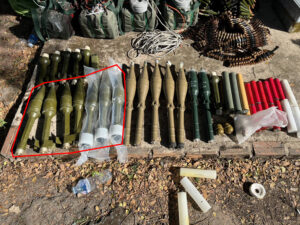
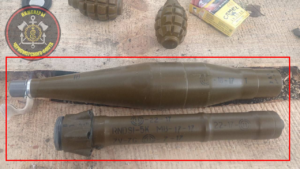
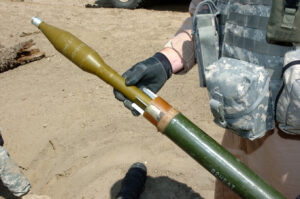
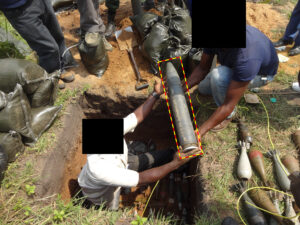
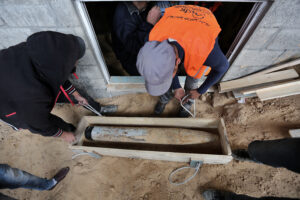
This image shows a Chinese Type 70-series rocket being removed from its launch tube. The example in the picture is a high explosive anti-tank (HEAT) variant likely designed for export; other Type 70 HEAT variants are known, as is a bounding high explosive fragmentation (HE/FRAG) variant. This family of rockets is fired from the Type 70 and Type 70-1 shoulder-fired launchers. The each rocket is contained in a disposable launch tube which is attached to the rear of the launcher and discarded after firing. (ARES)
Analyst Note
13 August 2026
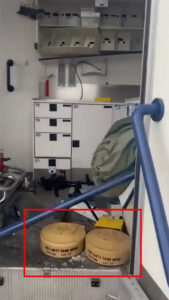
This image shows two anti-vehicle mines produced by Iran, known variously as the ’YM3’, ‘YM-III’, or similar. According to the manufacturer, mass production began in 2002. The mine reportedly has an overall weight of 6.9 kg (15 lb). (ARES)



Analyst Note
23 July 2026
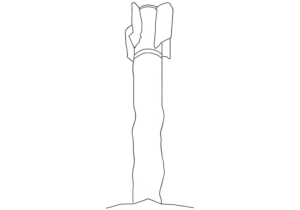
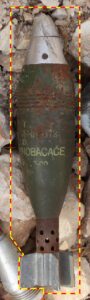
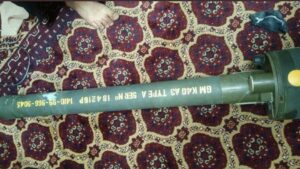
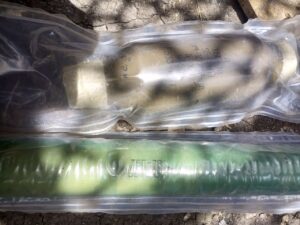
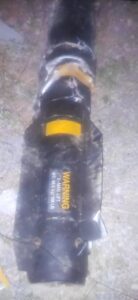
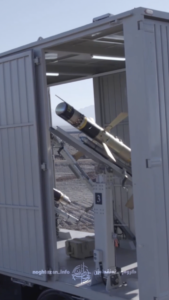
This image shows the transport and launch container of a British surface-to-air missile from the Blowpipe/Javelin/Starburst family. (The container’s larger diameter, which houses the fins, can be partially seen.) The Blowpipe family of man-portable air defence systems (MANPADS) use a separate acquisition package that clips onto the missile launcher, reducing the weight and complexity of the missile itself. Various models incorporate different blast/fragmentation and shaped-charge warheads. The National Stock Number (NSN), 1410-99-966-9045, identifies the U.K. as the country of origin (“99”). (ARES)


Analyst Note
15 August 2026
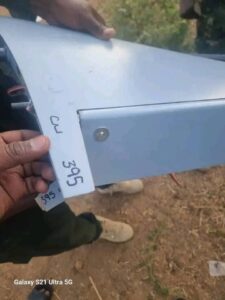
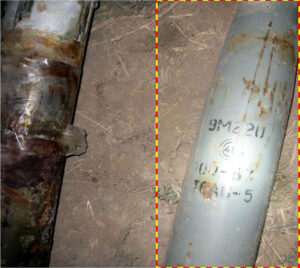
From early 2026, rockets marked “KP-M-112mm” began appearing in media reports from Syria. The manufacturer and country of origin of these is not yet known. Visually, these munitions closely resemble the Chinese Type 63 family of rockets (which includes the Iranian FAJR 1, often seen in Syria). However, the markings indicate an apparent 112 mm diameter, which is larger than the 107 mm of the Type 63 family. There are other, minor differences in construction that are externally visible. (ARES)
Analyst Note
2 March 2026
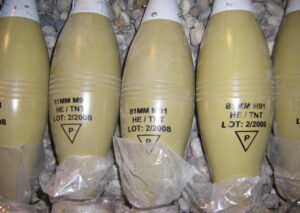
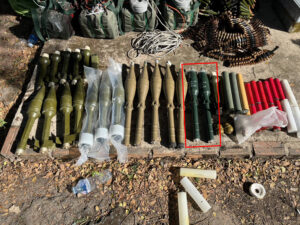
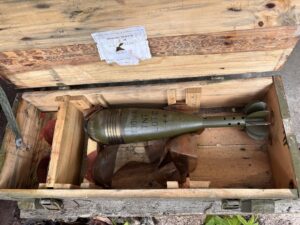
The PF69-40 HEI warhead contains approximately 900 pieces of spherical steel fragmentation (‘ball bearings’) as well as 2,000–3,000 incendiary pellets that scatter over a 15 m radius on detonation. (ARES)







Analyst Note
15 August 2026
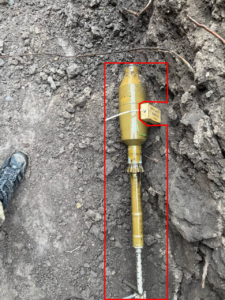
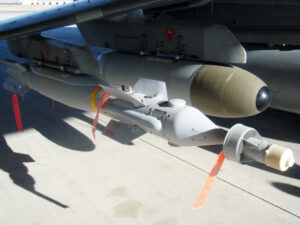
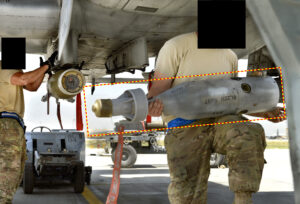
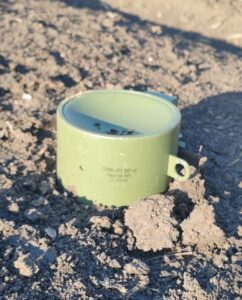
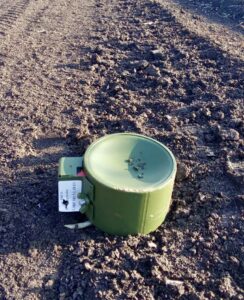
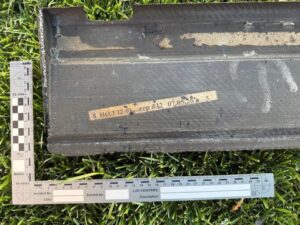
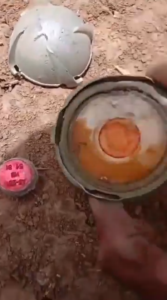
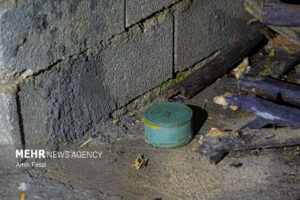
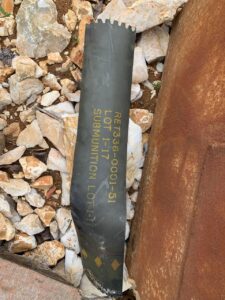
The BLU-91/B pictured here is an aerially dispensed anti-vehicle scatterable landmine that uses a magnetic-influence fuze to function a shaped charge relying on the Misnay–Schardin Effect. The munition is fitted with three self-destruct delay settings. The aeroballistic adaptor is commonly broken off upon impact and the remnants of the adhesive holding it in place can be seen (yellow). One side of the munition has a bore-riding pin which is held in place while in the dispenser. Once dispensed, the bore riding pin is released and starts the arming process. The BLU-91/B is 121 mm (4.75 in) in diameter and 56 mm (2.6 in) in height. (ARES)
Analyst Note
2 March 2026
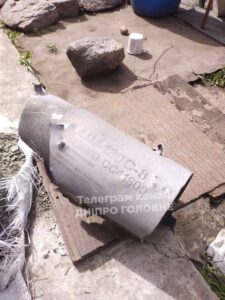
This image shows an external portion of an Israeli Ra'am Eitan missile, a type of cluster munition fired from the Lahav (PULS) mobile rocket launcher. The yellow diamonds marked on the exterior of the munition are used to indicate a cluster munition. Other markings appear to indicate that this example was manufactured in 2017. (ARES)


Analyst Note
21 April 2026
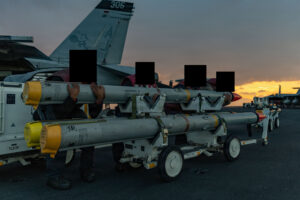
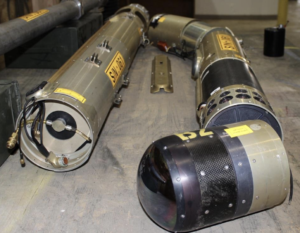
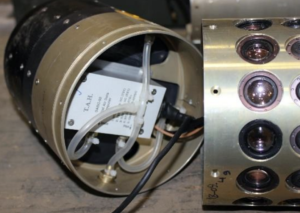
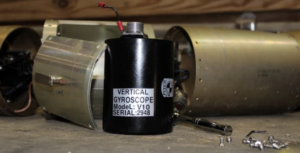
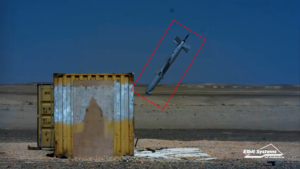
This image shows an AGM-114R2 Hellfire II missile. The AGM-114R2 is an enhanced version of the the AGM-114R multi-role missile, which is designed to engage a wide variety of targets. The Hellfire R-series missile are equipped with a multi-purpose warhead that can engage armoured or unarmoured vehicles on land or sea, as well as personnel in the open or in buildings. Reports indicate that the AGM-114R2 features improvements to its guidance software and tracking to increase accuracy against moving targets, as well as incorporating an adjustable height-of-burst (HOB) capability which allows it to detonate at a pre-determined height above the ground. (ARES)
Analyst Note
2 March 2026
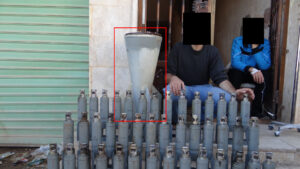
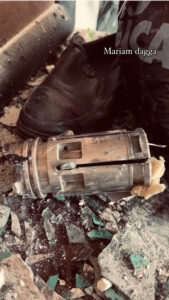
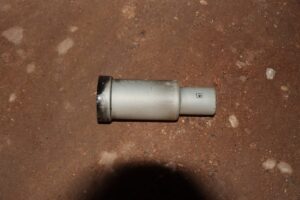
This image shows a stepped component positioned at the front of the warheads carried by 122mm 9M22S and 9M28S incendiary rockets. This structure helps to push the ML-5 incendiary elements out of the rear of warhead once the fuze in the nose functions. It is a relatively distinctive component, and commonly found in the vicinity of where the incendiary elements fall. (ARES)



Analyst Note
27 April 2026
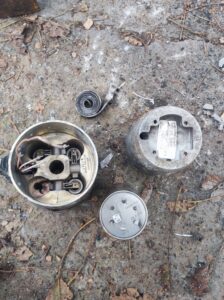
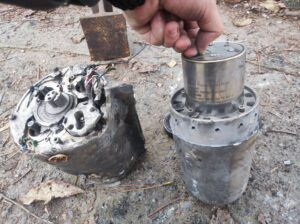
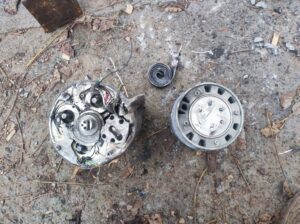
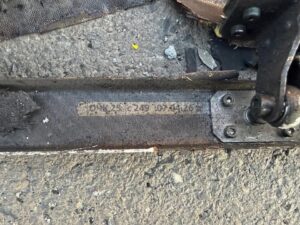
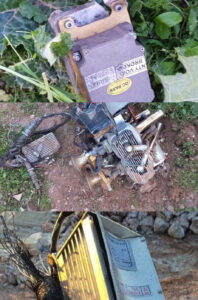
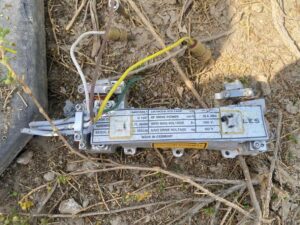
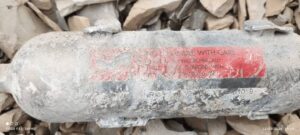
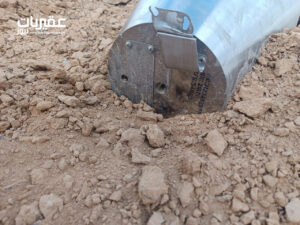
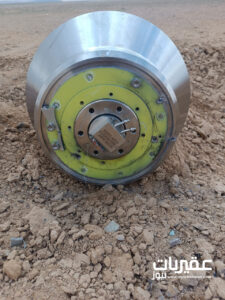
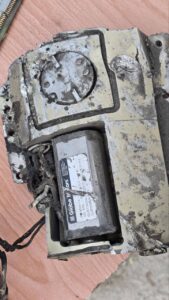
This image shows a DC motor from a Tomahawk missile, manufactured by Globe Motors of Dayton, Ohio, in the United States (part # 471A118 and serial # 7250). Globe Motors was acquired by Allied Motion in August 2013, and has since been renamed Allied Motion at Dayton. This DC motor is used as an actuator to assist in steering the Tomahawk to its target based upon input from the aviation section in the forward body assembly. Such motors often survive detonation and can serve as diagnostic remnants. (ARES)
Analyst Note
7 March 2026
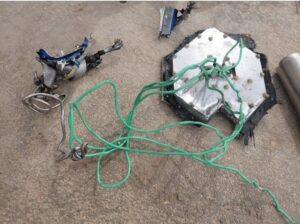
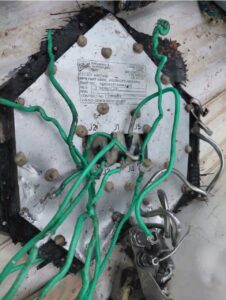
The component shown in this image is a GPS antenna for the AGM-158 Joint Air-to-Surface Standoff Missile (JASSM). It is marked to indicate its manufacturer (“Ball Aerospace & Technologies Corp.”; now operating as BAE Systems’ Space & Mission Systems division) and with other key information, including a part number and contract number. (ARES)
Analyst Note
5 March 2026
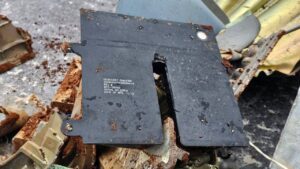
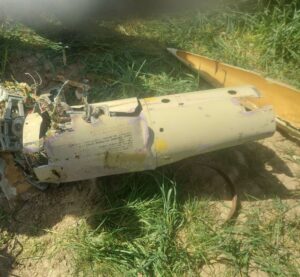
The munition remnant pictured here is marked with a Federal Stock Number (FSN; predecessor to the National Stock Number, or NSN, found on more modern munitions) that indicates it is part of a MIM-23B Improved HAWK surface-to-air missile. Other details, including the manufacturer (“Raytheon Company”), are also visible. The FSN was replaced by the NSN in 1974, indicating that this munition must have been manufactured before that time. This is consistent with the recorded U.S. export of the MIM-23B to Iran in 1972. (ARES)
Analyst Note
5 March 2026
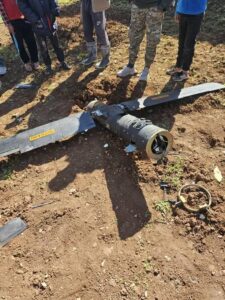
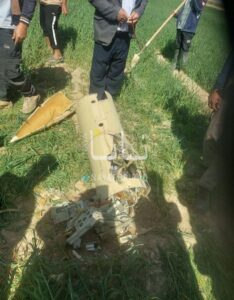
This image shows remnants from a MIM-23 Homing All the Way Killer (HAWK) surface-to-air missile. U.S. government documents show that MIM-23B Improved HAWK systems were exported to Iran in 1972. Iran has since manufactured a reverse-engineered version of the system. (ARES)


Analyst Note
27 April 2026
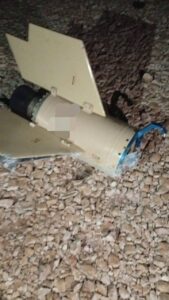
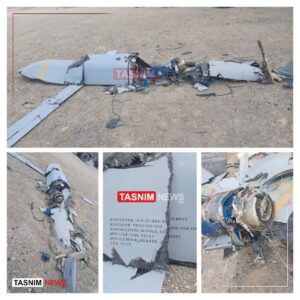
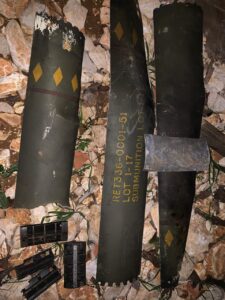
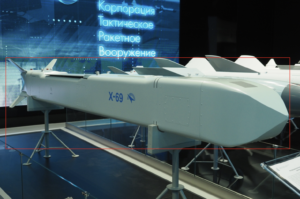
Shown is the Russian Kh-69 (marked in Cyrillic: “Х-69”) cruise missile which was debuted at a Russian arms show in August 2022, and entered into active military service the following year. The Kh-69 was reportedly first used in combat in February 2024, engaging Ukrainian targets. The more compact design when compared with previous Russian missiles results in a smaller radar signature, which is further reduced by the trapezoidal form factor. The Kh-69 is classed by the Russian military as a ‘stealth cruise missile’ and carries either a penetrator or cluster (submunitions) warhead. (ARES)