


1–100 of 1,163
Current Filter
Fragmentation Munition
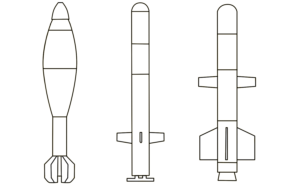
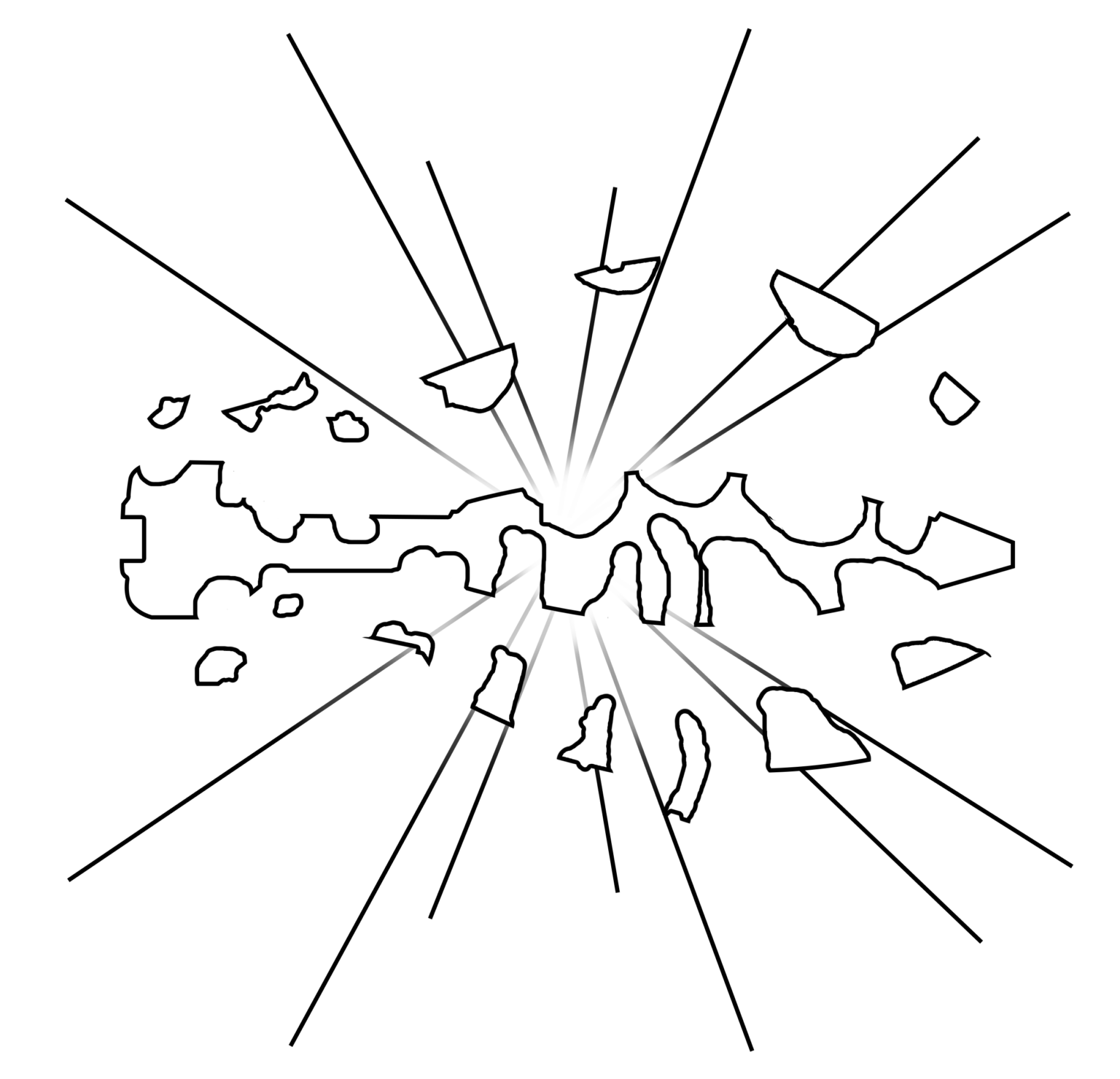
Fragmentation munitions use the detonation of an explosive to propel small fragments of material (‘fragmentation’) from the body of the munition at high velocity. A fragmentation munition typically affects a wider area than a simple blast munition of the same size, and is effective against personnel and unarmoured vehicles. Fragmentation is the primary mechanism of lethality for many common explosive munitions, but these munitions almost invariably also affect their environment through blast and other mechanisms (e.g., a high explosive fragmentation munition).

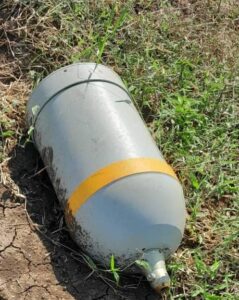
Analyst Note
17 August 2026
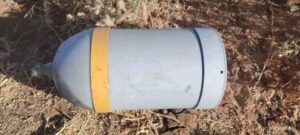
This image shows an Emirati-made Modamer warhead with a Serbian-made UT M18 fuze installed in the nose. (ARES)


Analyst Note
15 August 2026
This image shows remnants of a Guided Advanced Tactical Rocket (GATR) alongside the remnants of a Hydra-70 series rocket. Developed and produced by Elbit Systems of Israel, GATR adds advanced capabilities, including guidance, to ‘dumb’ Hydra-70 rockets, in similar fashion to the U.S. APKWS system. GATR replaces the fins typically found in Hydra-70 series rockets with those of a new design. (ARES)
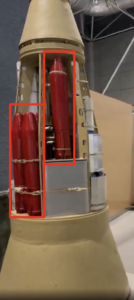
Analyst Note
28 June 2026
This image shows an Iranian ballistic missile’s ‘manoeuvrable re-entry vehicle’ (MaRV; a detachable, steerable payload section) at the IRGC Aerospace Museum in Tehran, with what appear to be inert models of the submunitions Iran has deployed against Israel in the recent conflict. ARES has assigned a temporary identification of TMID-0012 to these submunitions. (ARES)
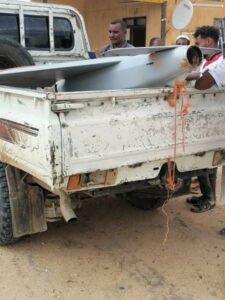
Analyst Note
15 August 2026
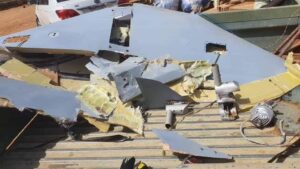
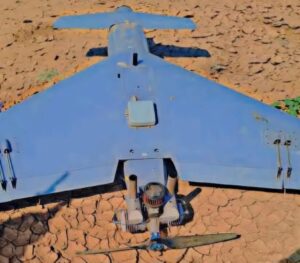
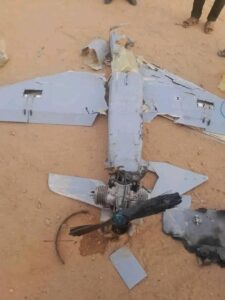
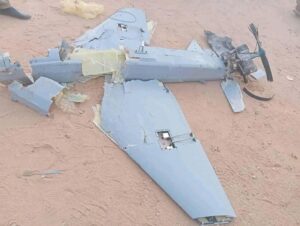
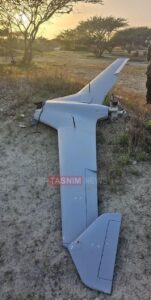
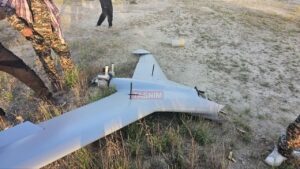
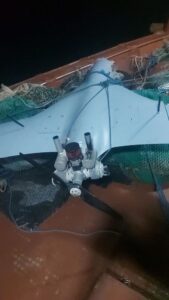
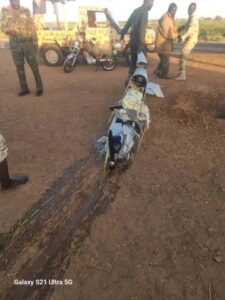
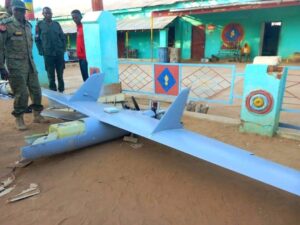
This image shows an unknown model of one-way attack (OWA) UAV believed to be produced by the UAE, and employed by the Rapid Support Forces (RSF) in Sudan. Unlike TMID-0014 and TMID-0015, this UAV uses a 82 mm mortar projectile fitted in the nose, rather than a Modamer warhead. (ARES)
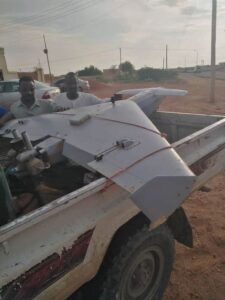
Analyst Note
15 August 2026
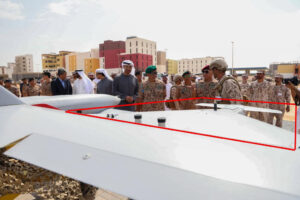
This image shows a TMID-0013 UAV being displayed by the UAE during the ‘Desert Tiger 7’ joint exercise conducted with Malaysia in February 2023. The other UAV in the image has been temporarily designated TMID-0014. (ARES)
Analyst Note
18 August 2026
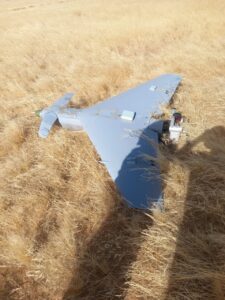
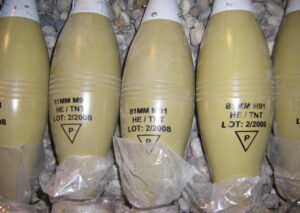
The 81 mm mortar projectile which serves as the warhead for the TMID-0014 is partially visible protruding from the nose of this example. (ARES)

Analyst Note
15 August 2026
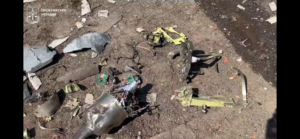
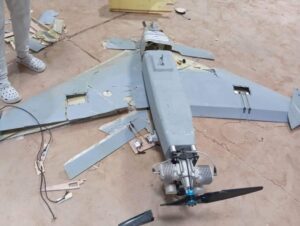
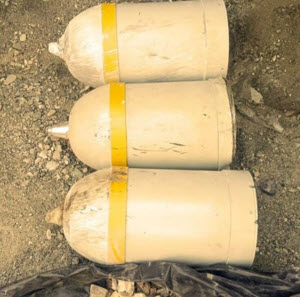
The colour of this image appears more yellow than would be expected, perhaps as a result of a digital filter. In other images of the same remnants, the Modamer warheads pictured here appear to be grey, rather than tan. (ARES)
Analyst Note
15 August 2026
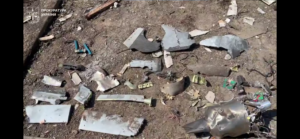
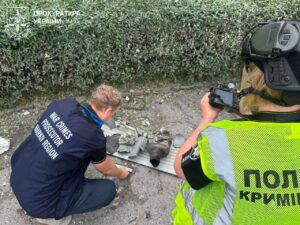
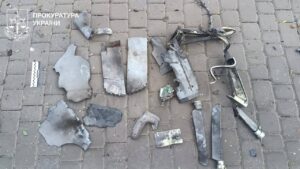
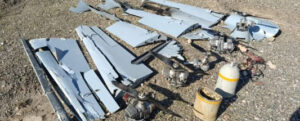
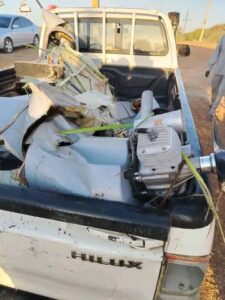
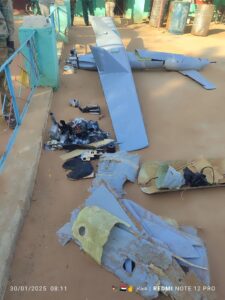
This image shows remnants of several one-way attack UAVs, as well as two unfunctioned Modamer warheads. Modamer warheads are blast/fragmentation warheads with an overall weight of 34.5 kg (76 lb). The Modamer warhead designs are produced by Halcon, a subsidiary of Edge Group, which is owned by the Emirati state. (ARES)

Analyst Note
15 August 2026
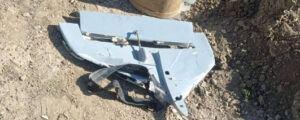
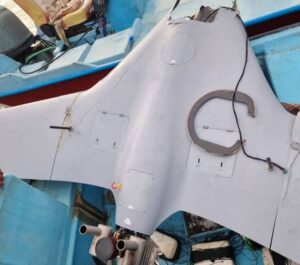
This image shows an unknown model of one-way attack (OWA) UAV believed to be produced and employed by the United Arab Emirates (UAE). ARES has assigned a temporary munitions identifier (TMID) of TMID-0015 to this munition. The UAV’s nose and a Modamer warhead can be seen, detached, to the left of the main body. (ARES)
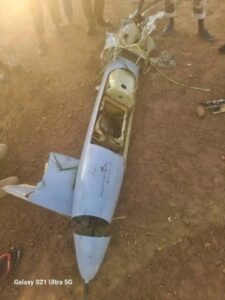
Analyst Note
17 July 2026
This image shows the open warhead compartment of the UAV, forward of the fuel tank, with a frame that fits the Modamer warhead. (ARES)
Analyst Note
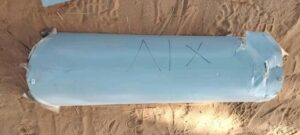
15 August 2026
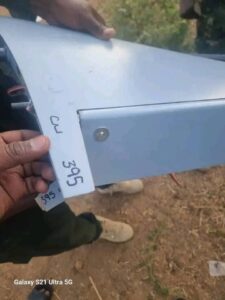
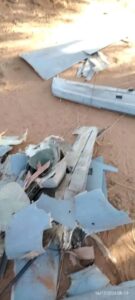
This image shows the body panel of the UAV which covers the compartment inside which the Modamer warhead is fitted. (ARES)
Analyst Note
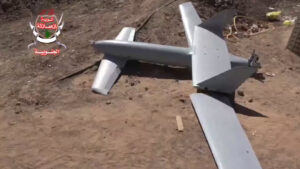
15 August 2026
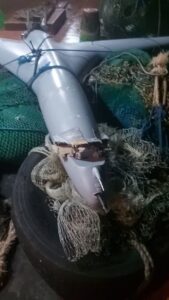
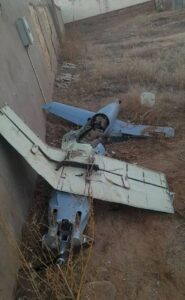
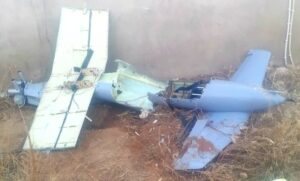
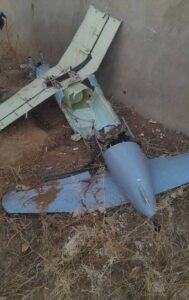
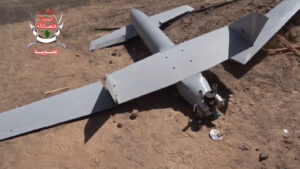
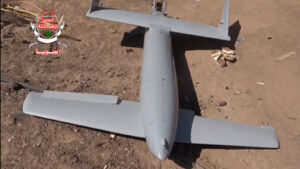
This image shows what appears to be an earlier variant of the current iteration of the TMID-0014 which has been used by the Rapid Support Forces (RSF) in Sudan. This model of UAV was also documented in Yemen in 2022. (ARES)
Analyst Note
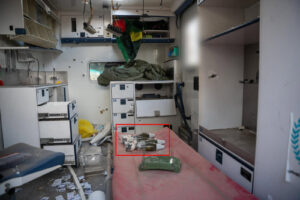
13 August 2026
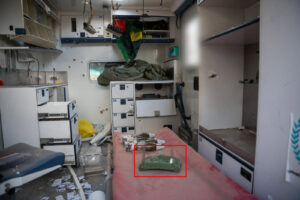
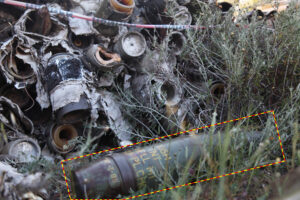
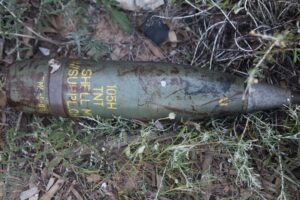
This image shows an Iranian M18A1 anti-personnel landmine, an Iranian copy of the American M18A1 ‘Claymore’ design. Iran has produced their own copy of the M18A1 since at least 2004. According to Iranian sources, it contains 600 spherical, steel pre-formed fragments that are 6 mm in diameter. These mines are designed to propel these steel balls in an arc forward of the munition upon detonation. (ARES)


Analyst Note
23 July 2026
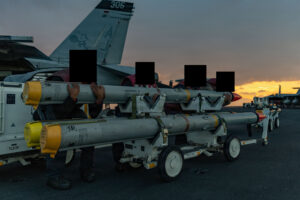
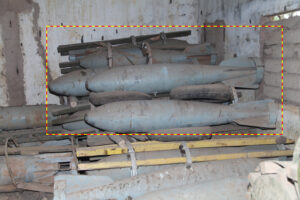
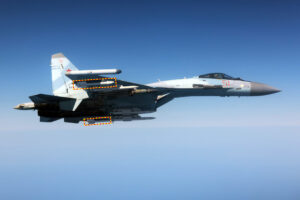
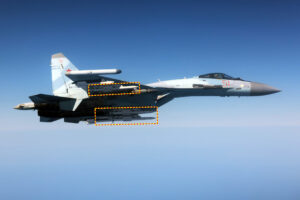
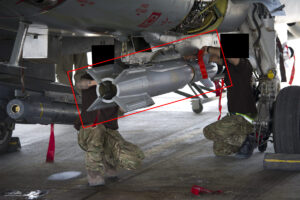
This photo shows a Russian Air Force Su-35 (RF-81718), which, alongside another Russian aircraft, intercepted a UK Royal Air Force aircraft in international airspace over the Black Sea. This image, published by the Royal Air Force, provides an opportunity to view a ‘live’ Su-35 load-out in detail. (ARES)
Analyst Note
15 August 2026
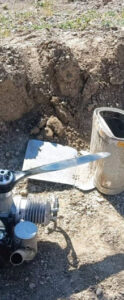
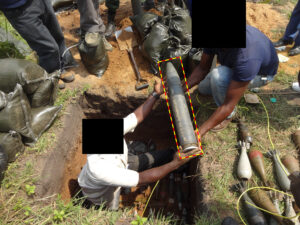
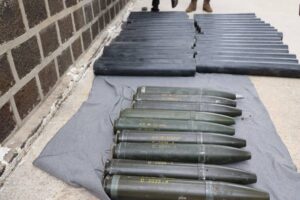
The fuze installed in this Modamer warhead appears to be the Serbian UT M18, which is commonly installed in the “120mm TB” thermobaric air-delivered bomb. The 120mm TB resembles a mortar projectile (see OSMP 1803 & 1812), but is commonly dropped from UAVs. Both the 120mm TB and the UT M18 fuze are known to have been purchased by the armed forces of the UAE, and shipments marked for delivery to the UAE have been documented in Sudan. (ARES)
Analyst Note
15 August 2026
From early 2026, rockets marked “KP-M-112mm” began appearing in media reports from Syria. The manufacturer and country of origin of these is not yet known. Visually, these munitions closely resemble the Chinese Type 63 family of rockets (which includes the Iranian FAJR 1, often seen in Syria). However, the markings indicate an apparent 112 mm diameter, which is larger than the 107 mm of the Type 63 family. There are other, minor differences in construction that are externally visible. (ARES)
Analyst Note
23 July 2026
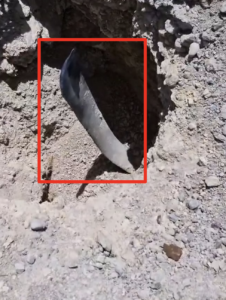
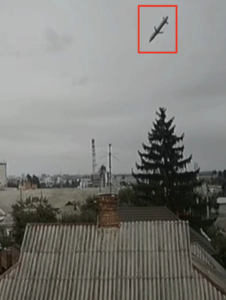
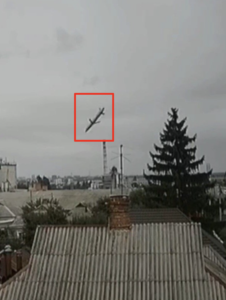
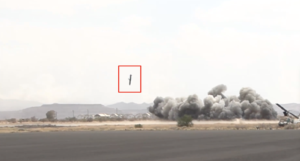
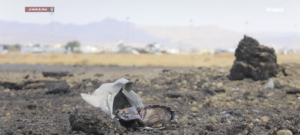
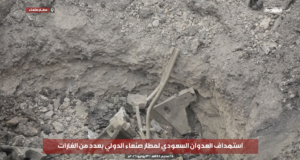
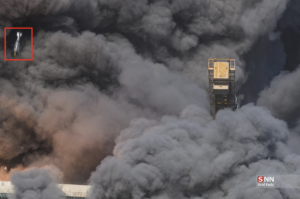
This image shows a munition shortly before impact. While the quality of the image is not high enough to conclusively identify the munition, remnants of a Storm Shadow/SCALP EG missile were recovered following this strike, supporting a more precise identification.
Whilst Saudi Arabia has denied conducting this strike, and the Yemeni Army has claimed responsibility, Saudi Arabia is known to possess Storm Shadow/SCALP EG missiles and the capability to deploy them, whereas the Yemeni Army is not known to possess or use this weapon. (ARES)

Analyst Note
2 March 2026
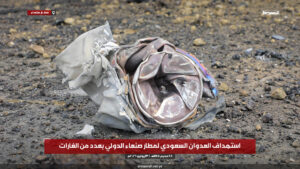
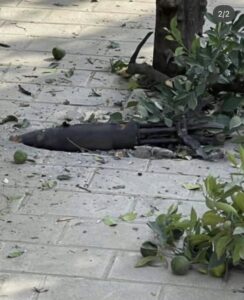
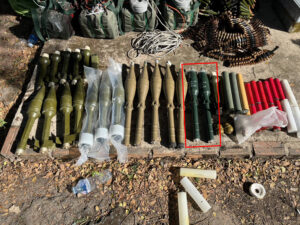
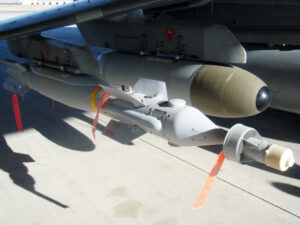
The PF69-40 HEI warhead contains approximately 900 pieces of spherical steel fragmentation (‘ball bearings’) as well as 2,000–3,000 incendiary pellets that scatter over a 15 m radius on detonation. (ARES)
Analyst Note
2 March 2026
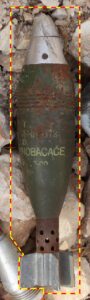
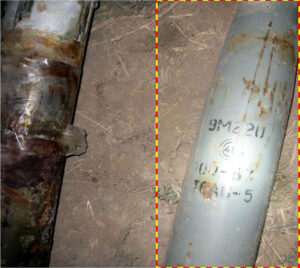
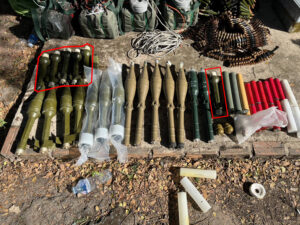
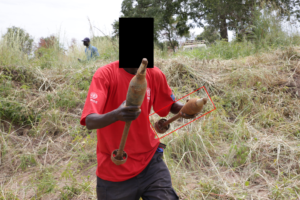
The items highlighted in this image are Vietnamese 70 mm B40 recoilless gun projectiles. The B40 HE is an anti-personnel munition that is fired from the Vietnamese B40 recoilless gun, a copy of the Soviet RPG-2. (ARES)



Analyst Note
2 March 2026
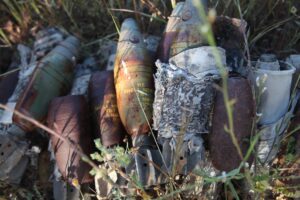
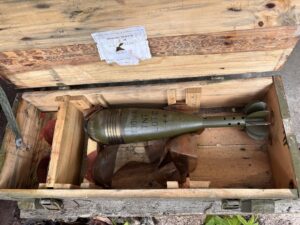
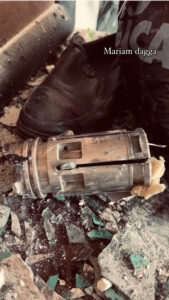
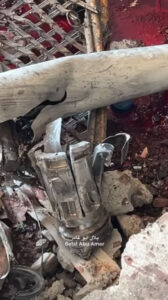
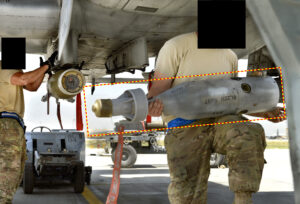
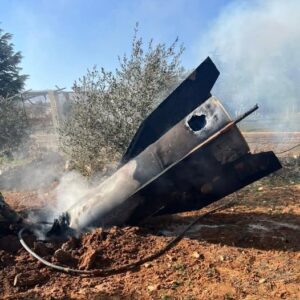
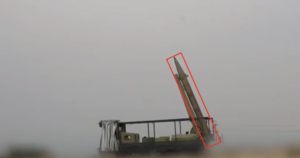
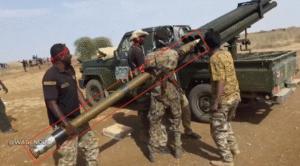
Based on design features and an estimation of the munition’s apparent size relative to the personnel handling it, this image appears to show a 122 mm surface-to-surface rocket fitted with a high explosive fragmentation (HE-FRAG) warhead, although the specific model and country of origin are unclear. In Sudan there have been reports of Russian, Chinese, and domestically produced (Taka-02) 122 mm rockets being used. (ARES)

Analyst Note
15 August 2026
This image shows a U.S. Area Denial Artillery Munition (ADAM), an anti-personnel scatterable landmine which is dispensed from the rear of M692 and M731 155 mm artillery gun projectiles. Each projectile contains 36 ADAM submunitions. The submunition can deploy up to seven tripwires out to 20 ft (6.1 m). Any movement of a tripwire or movement of the ADAM body will result in a small kill mechanism being ejected to a height of a 6–8 ft (1.8 m–2.4 m) prior to detonating. Each munition contains a small amount of depleted uranium. The ADAM was previously designated as either the M67 or M72, with the only difference being the self-destruct time delay. (ARES)