Reported Location
Year
Munition Category
Functional use
Tentative Model
Research Organisation
Base Colour
Condition
Guidance
Domain
Weight Class
Analyst Note
External Research
The Washington Post
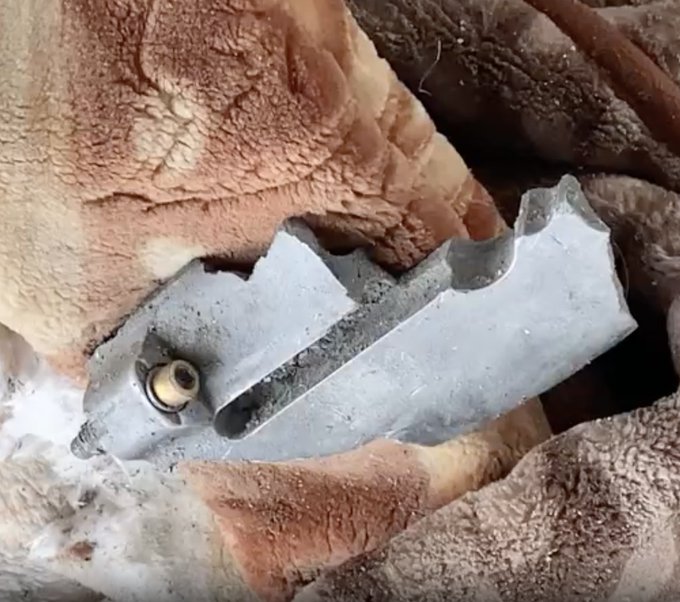
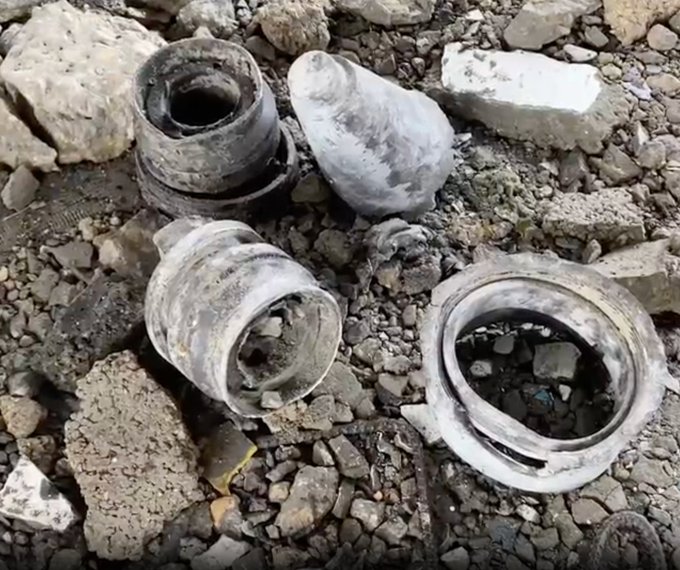
“Reviewing footage of the debris, Trevor Ball, a former explosive ordnance disposal technician for the U.S. Army, said the munition’s distinctive nose cone was used to penetrate the building’s concrete structure. Rahul Udoshi, a senior analyst on the Weapons Team at the defense firm Janes, and N.R. Jenzen-Jones, director of Armament Research Services, both confirmed that imagery from the strike’s aftermath appeared to show the nose of a GBU-39 small diameter bomb.”
Read More on www.washingtonpost.com
Armament Research Services (ARES)
“The nose cone … is made from hardened steel to enable the munition to penetrate more than three feet (one metre) of reinforced concrete. The heavy metal construction of this component means it typically survives functioning, despite its direct proximity to the explosives in the munition.”
Read More on armamentresearch.com
Airwars
"On the night of Thursday, June 6th, 2024, a declared Israeli airstrike hit the “Al-Sardi” Preparatory Boys’ School in Camp 2, located in the Nuseirat Refugee Camp in the central Gaza Strip. The school, affiliated with the United Nations Relief and Works Agency for Palestine Refugees (UNRWA), was being used as a shelter for displaced persons at the time of the bombing. According to multiple reports, the airstrike destroyed three classrooms where families were sleeping with their children, resulting in 37 to 45 fatalities, including a significant number of women and children, and dozens of injuries."