



1–32 of 32
Current Filter
MAM-L
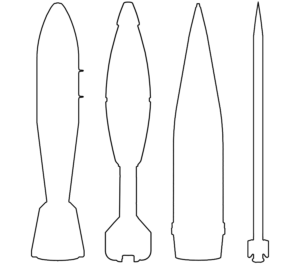
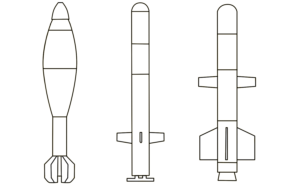
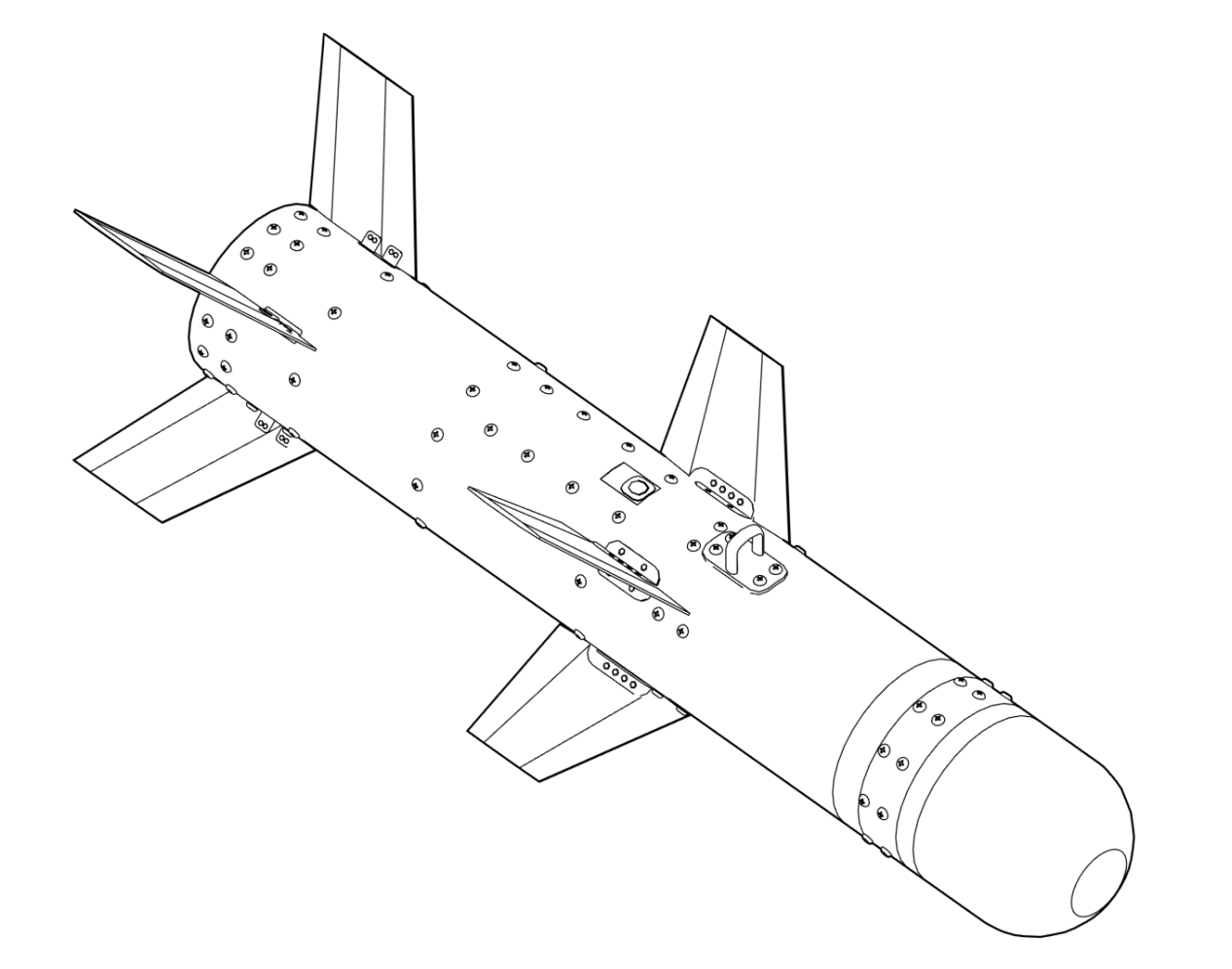
A Turkish-designed guided air-delivered bomb made by Roketsan and often deployed by Bayraktar TB2 drones and light attack aircraft. With a maximum effective range of 15 km, the MAM-L is produced with a number of warhead variants, including blast fragmentation, anti-tank (armour piercing) and thermobaric and can be used against both stationary and moving targets. The munition uses an inertial measurement unit and semi-active laser seeker for guidance, with optional GPS guidance also available depending on changing operational conditions. It has been used by Turkey in northern Syria, Azerbaijan during the Second Nagorno Karabakh War, as well as other parties in conflicts in Ukraine, Libya, and Ethiopia.
6 February 2026
‘Fragments’ magazine highlights OSMP importance for civilian protection
4 April 2025
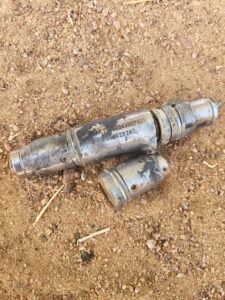
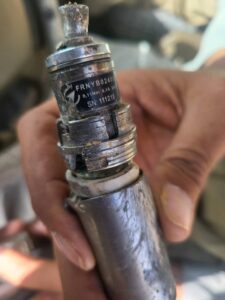
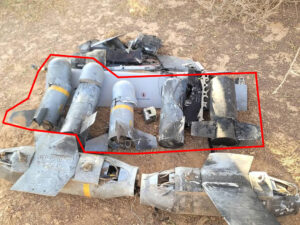
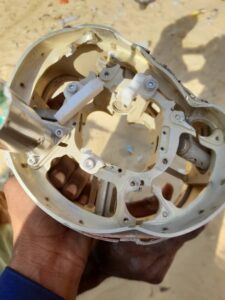
Turkish drone in northern Mali: What the images show

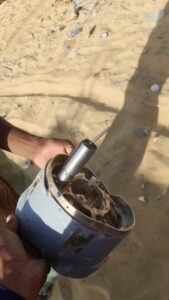
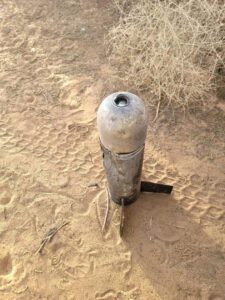
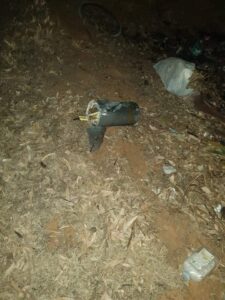
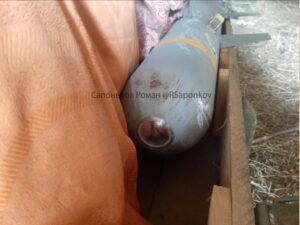
Analyst Note
30 April 2025
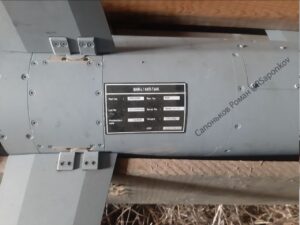
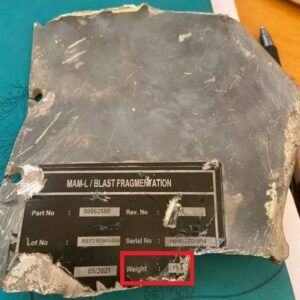
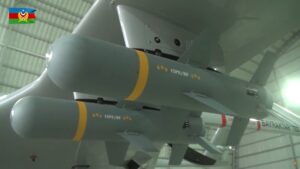
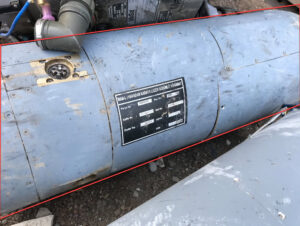
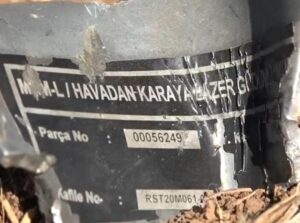
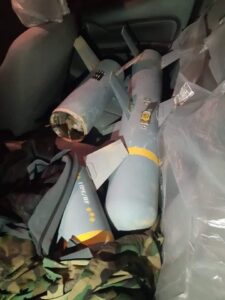
This image shows two MAM-L guided air-delivered bombs affixed to the wing of a Bayraktar TB2 drone. The MAM-L and TB2 are both produced in Türkiye by Roketsan and Baykar respectively. The MAM-L can have one of three different warheads: blast fragmentation, anti-tank, or thermobaric. The warhead section of each MAM-L in this image has “YIPE/BF” visible. ‘YIPE’ is the abbreviation of the warhead type in Turkish: Yüksek Infilaklı Parçacık Etkili (‘high explosive fragmentation’, in English). The ‘BF’ also indicates that these MAM-L munitions are of the blast-fragmentation variant. The warhead of a MAM-L cannot be determined from an external assessment without viewing markings such as these (or a clear view of the data plate, which can be seen on the aft portion of the MAM-L). (ARES)
Analyst Note
20 March 2025
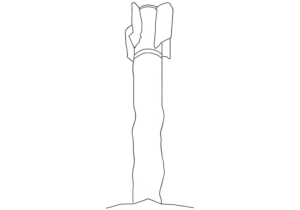
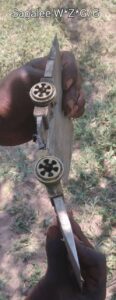
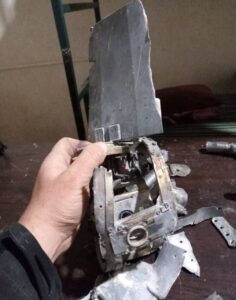
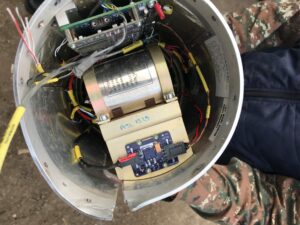
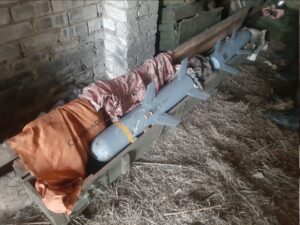
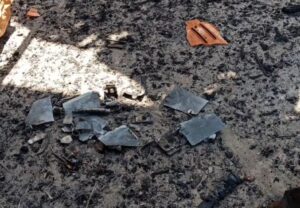
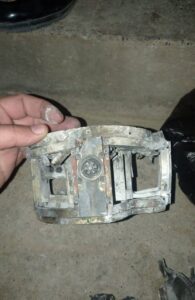
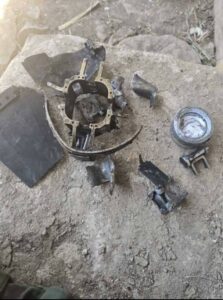
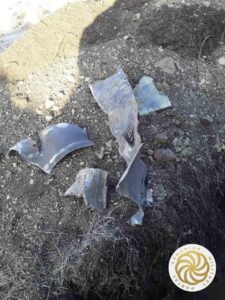
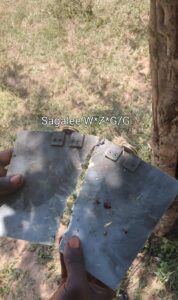
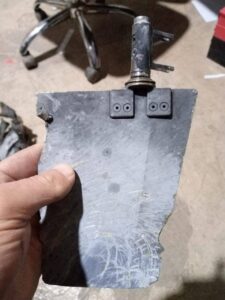
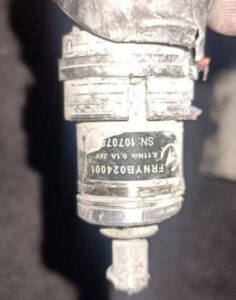
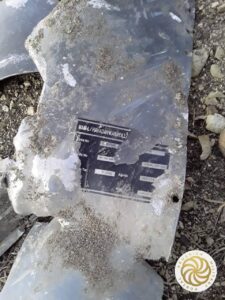
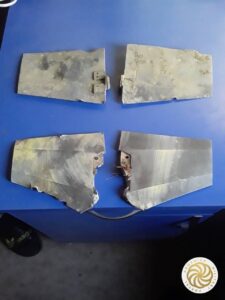
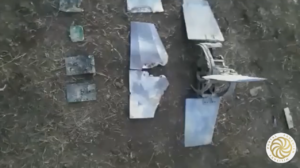
This image shows several remnants of a MAM-L bomb that are typically found after functioning. The actuated fins, as well as the fixed fins, are visible, along with various components of the control section that actuate the fins. The actuated fins attach to the control section, at the rear of the bomb, while the fixed fins attach to the middle of the bomb body. (ARES)
Collection
Ukraine and Russia 2022–2026
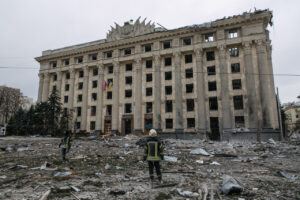
On February 24, 2022, Russia launched a full-scale invasion of Ukraine, involving military forces aimed at capturing most major cities, including the capital, Kyiv. It became the largest conflict in Europe since World War II, and about a quarter of Ukraine’s territory came under Russian control. But Russian troops were eventually pushed back from Kyiv. […]