


1–100 of 237

Analyst Note
15 August 2026
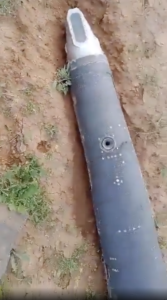
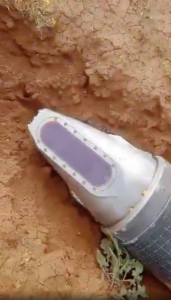
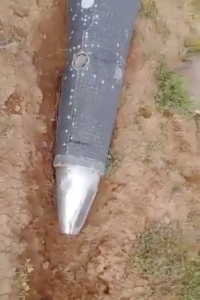
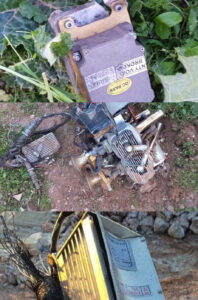
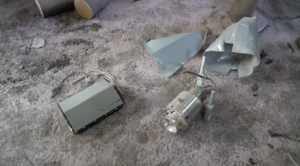
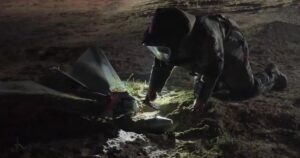
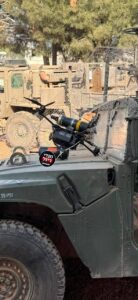
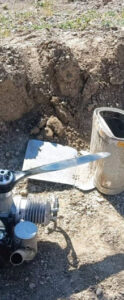
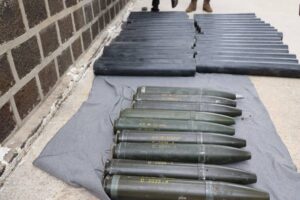
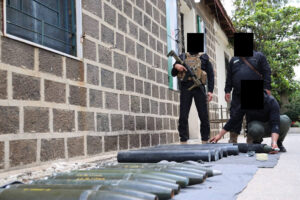
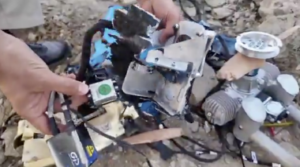
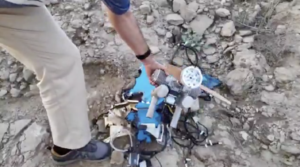
This image shows the warhead from a Milan 1 anti-tank guided missile (ATGM) that has been adapted for use with a small UAV flown by fibre-optic command wire. (ARES)
Analyst Note
15 August 2026
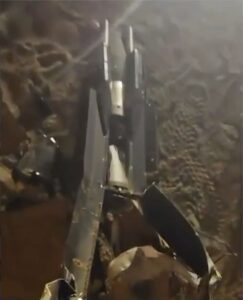
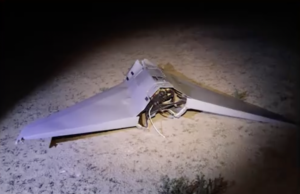
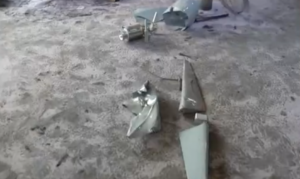
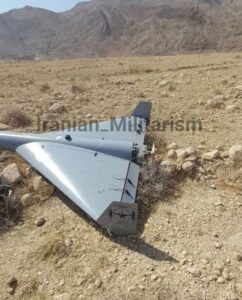
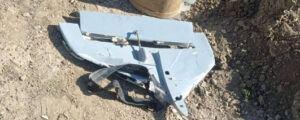
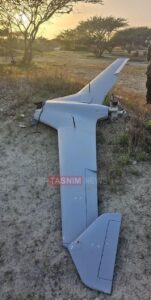
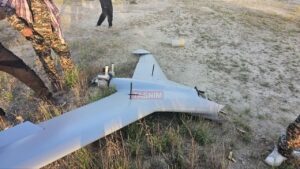
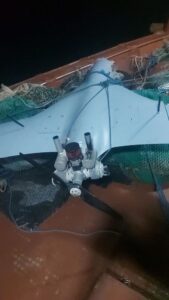
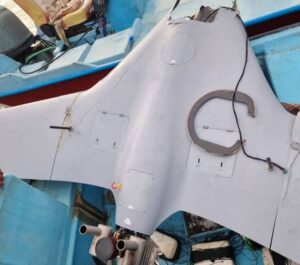
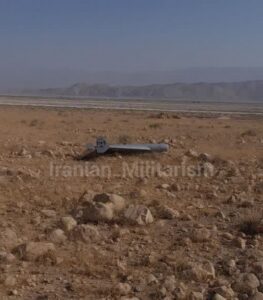
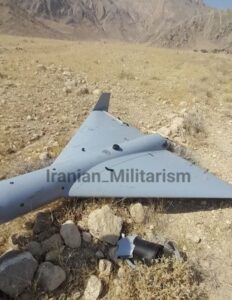
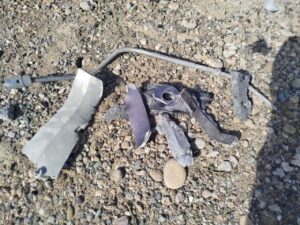
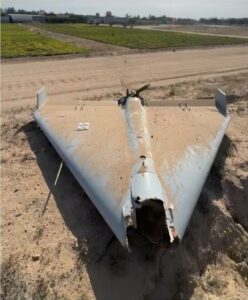
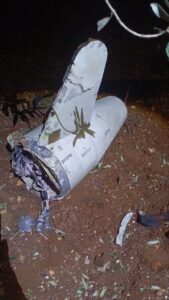
This image shows a downed Low-cost Uncrewed Combat Attack System (LUCAS) one-way attack (OWA) unmanned aerial vehicle (UAV). Unlike LUCAS UAVs see previously, this example does not have a Starshield GPS Antenna prominently visible forward of the engines, indicating that this LUCAS has been constructed differently to previous examples. (ARES)
Analyst Note
28 June 2026
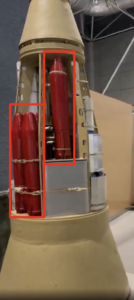
This image shows an Iranian ballistic missile’s ‘manoeuvrable re-entry vehicle’ (MaRV; a detachable, steerable payload section) at the IRGC Aerospace Museum in Tehran, with what appear to be inert models of the submunitions Iran has deployed against Israel in the recent conflict. ARES has assigned a temporary identification of TMID-0012 to these submunitions. (ARES)
Analyst Note
15 August 2026
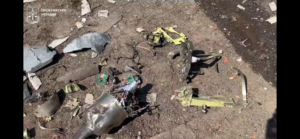
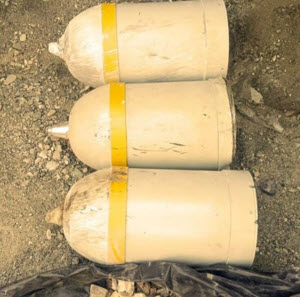
The colour of this image appears more yellow than would be expected, perhaps as a result of a digital filter. In other images of the same remnants, the Modamer warheads pictured here appear to be grey, rather than tan. (ARES)
Analyst Note
15 August 2026
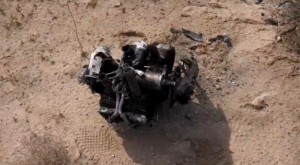
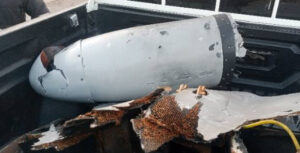
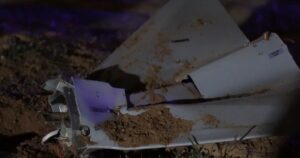
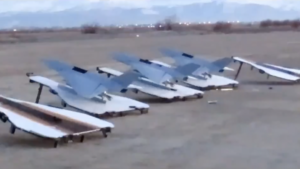
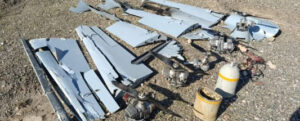
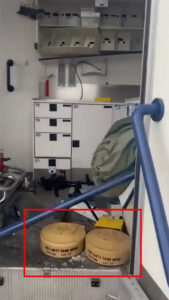
This image shows remnants of several one-way attack UAVs, as well as two unfunctioned Modamer warheads. Modamer warheads are blast/fragmentation warheads with an overall weight of 34.5 kg (76 lb). The Modamer warhead designs are produced by Halcon, a subsidiary of Edge Group, which is owned by the Emirati state. (ARES)
Analyst Note
15 August 2026
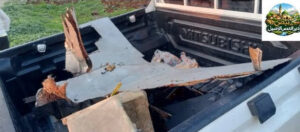
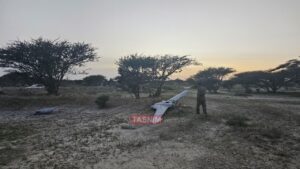
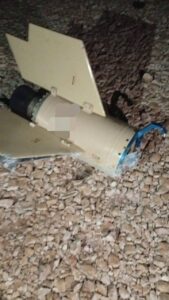
This image shows an unknown model of one-way attack (OWA) UAV believed to be produced and employed by the United Arab Emirates (UAE). ARES has assigned a temporary munitions identifier (TMID) of TMID-0015 to this munition. The UAV’s nose and a Modamer warhead can be seen, detached, to the left of the main body. (ARES)
Analyst Note
13 August 2026
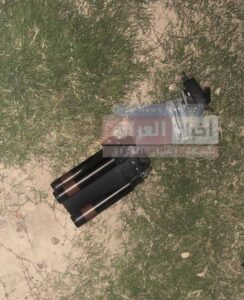
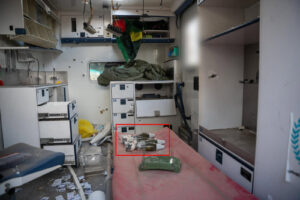
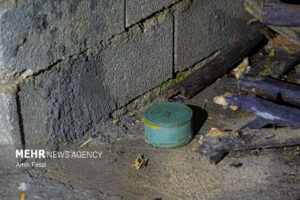
This image shows two anti-vehicle mines produced by Iran, known variously as the ’YM3’, ‘YM-III’, or similar. According to the manufacturer, mass production began in 2002. The mine reportedly has an overall weight of 6.9 kg (15 lb). (ARES)
Analyst Note
13 August 2026
This image shows an Iranian M18A1 anti-personnel landmine, an Iranian copy of the American M18A1 ‘Claymore’ design. Iran has produced their own copy of the M18A1 since at least 2004. According to Iranian sources, it contains 600 spherical, steel pre-formed fragments that are 6 mm in diameter. These mines are designed to propel these steel balls in an arc forward of the munition upon detonation. (ARES)
Analyst Note
23 July 2026
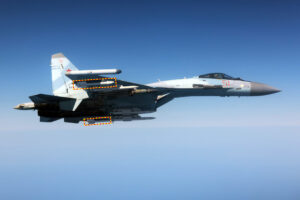
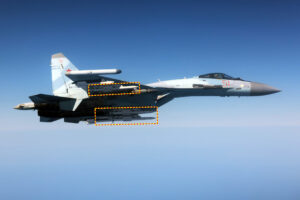
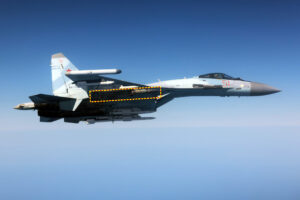
This photo shows a Russian Air Force Su-35 (RF-81718), which, alongside another Russian aircraft, intercepted a UK Royal Air Force aircraft in international airspace over the Black Sea. This image, published by the Royal Air Force, provides an opportunity to view a ‘live’ Su-35 load-out in detail. (ARES)
Analyst Note
15 August 2026
From early 2026, rockets marked “KP-M-112mm” began appearing in media reports from Syria. The manufacturer and country of origin of these is not yet known. Visually, these munitions closely resemble the Chinese Type 63 family of rockets (which includes the Iranian FAJR 1, often seen in Syria). However, the markings indicate an apparent 112 mm diameter, which is larger than the 107 mm of the Type 63 family. There are other, minor differences in construction that are externally visible. (ARES)
Analyst Note
23 July 2026
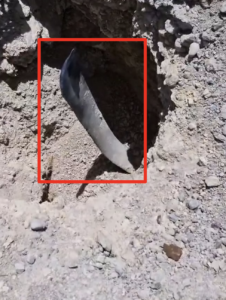
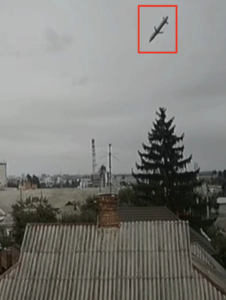
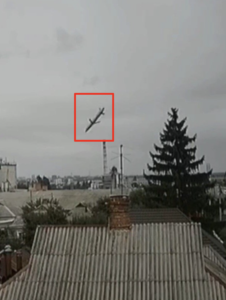
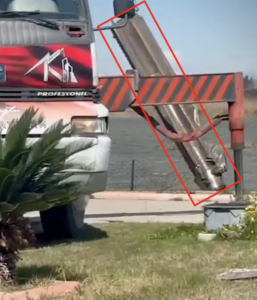
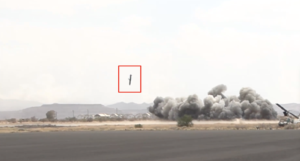
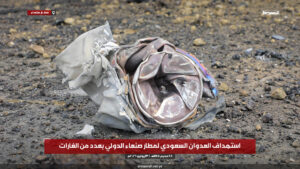
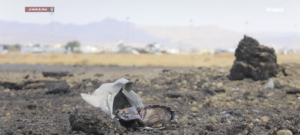
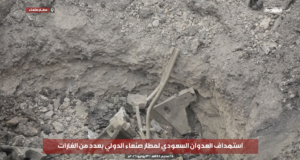
This image shows a munition shortly before impact. While the quality of the image is not high enough to conclusively identify the munition, remnants of a Storm Shadow/SCALP EG missile were recovered following this strike, supporting a more precise identification.
Whilst Saudi Arabia has denied conducting this strike, and the Yemeni Army has claimed responsibility, Saudi Arabia is known to possess Storm Shadow/SCALP EG missiles and the capability to deploy them, whereas the Yemeni Army is not known to possess or use this weapon. (ARES)

Analyst Note
2 March 2026
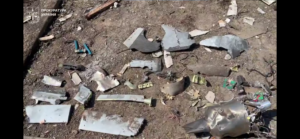
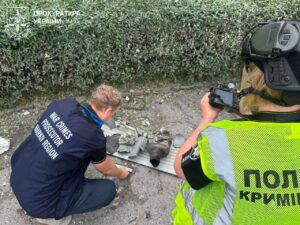
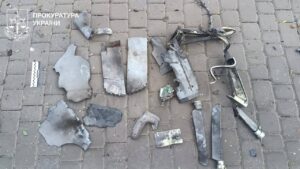
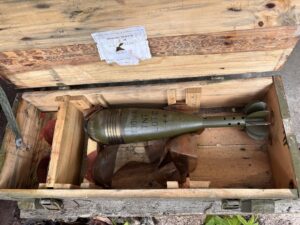
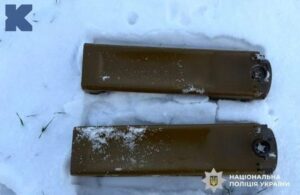
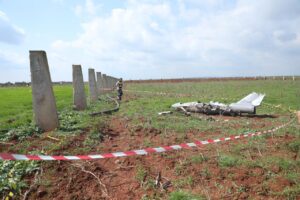
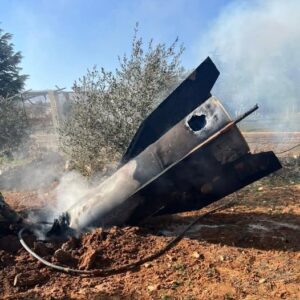
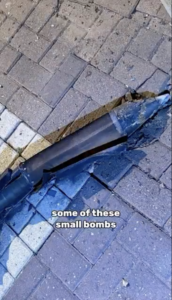
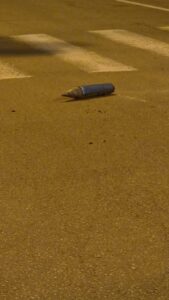
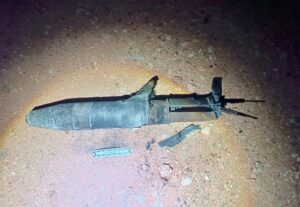
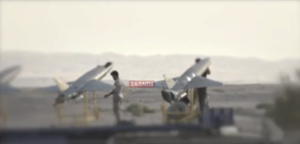
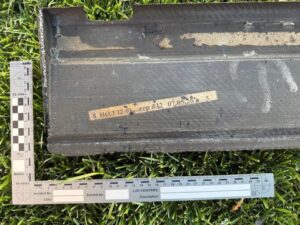
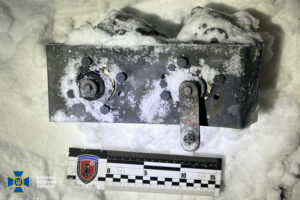
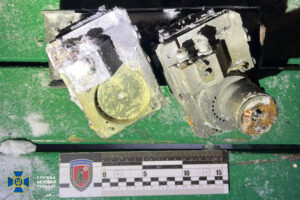
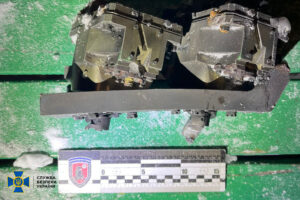
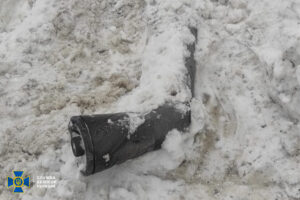
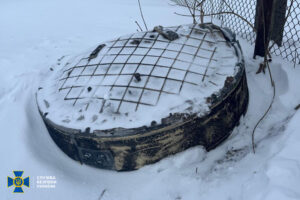
The remnants shown in this image (and in linked OSMP entries) are reported by the Ukrainian government to be from the Russian ‘Oreshnik’ missile. Available information on this munition is very limited at the time of writing. It is reported that the Oreshnik can carry either a nuclear or conventional payload. The Oreshnik is likely capable of carrying up to 6 independently targetable reentry vehicles (MIRVs). It is unclear how many warheads can be carried in each re-entry vehicle. In the case of this strike, there is insufficient imagery to make a determination on which warhead/MIRV was used. (ARES)
Analyst Note
2 March 2026
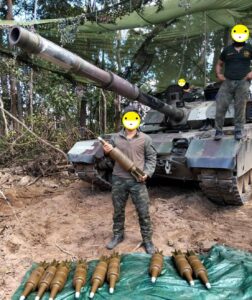
The tank visible in the background of the image appears to be a Chinese VT-4 (MBT-3000) model. The VT-4 is manufactured by Norinco and is intended primarily for export. (ARES)
Analyst Note
10 June 2026
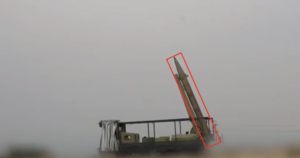
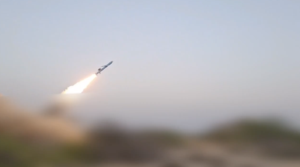
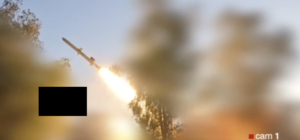
This image shows the launch of an Iranian Paveh surface-to-surface cruise missile in Iraq. The munition was fired by Iranian proxy forces and reportedly targeting Israel. Some sources indicate the Paveh has been renamed the ‘Jamal-10’, whilst others claim it is being locally produced in Iraq by Iranian proxy forces. With an estimated 75% of the missile’s components coming from outside Iran, distributed production is certainly possible. The missile has two large wings located forward of the munition’s midpoint, three smaller fins towards the tail, and four actuated fins around the tail. The initial launch is accomplished with a solid-propellant rocket motor, which gives way to a turbo jet flight motor mounted on top of the missile, towards the tail. (ARES)
Analyst Note
10 June 2026
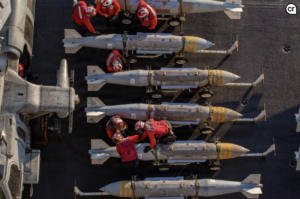
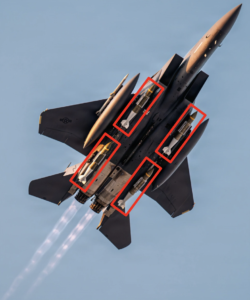
Highlighted are four GBU-31 Joint Direct Attack Munitions (JDAM) guided air-delivered bombs loaded onto the belly of a U.S. F-15E Strike Eagle aircraft. The GBU-31-series consists of a 2,000-pound-class bomb (Mk 84, BLU-109, or BLU-109A/B) and a guidance kit comprising a tail unit with four articulating fins and a guidance control unit with inertial navigation system (INS) and global positioning system (GPS) functions. The GBU-31 munitions seen here are built around the BLU-109, a penetrator munition with a solid nose and a thicker, one-piece body which flares slightly at the base. It has no body welds; the heavy steel base plate is held in place by an equally robust threaded steel closure ring. The BLU-109 is painted olive drab with a single yellow band towards the nose. (ARES)

Analyst Note
10 June 2026
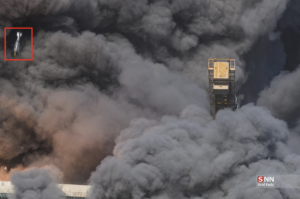
This image shows a screenshot from one of the videos released by the Kuwait Civil Aviation showing a one-way attack (OWA) unmanned aerial vehicle (UAV) striking the Kuwait International Airport. The munition’s distinctive delta-wing configuration and general size, shape, and manner of flight are consistent with the Shahed series of OWA UAVs. The related entry shows a Mado MD550 engine recovered following this strike, a model used to power the Shahed-136 series, enabling a more precise identification. (ARES)



Analyst Note
15 August 2026
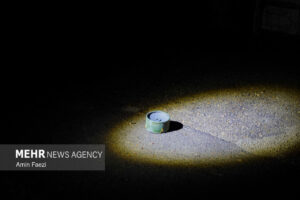
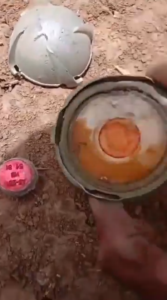
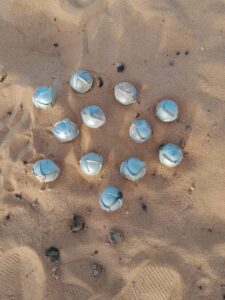
The BLU-91/B pictured here is an aerially dispensed anti-vehicle scatterable landmine that uses a magnetic-influence fuze to function a shaped charge relying on the Misnay–Schardin Effect. The munition is fitted with three self-destruct delay settings. The aeroballistic adaptor is commonly broken off upon impact and the remnants of the adhesive holding it in place can be seen (yellow). One side of the munition has a bore-riding pin which is held in place while in the dispenser. Once dispensed, the bore riding pin is released and starts the arming process. The BLU-91/B is 121 mm (4.75 in) in diameter and 56 mm (2.6 in) in height. (ARES)