



501–600 of 961
Analyst Note
15 September 2025
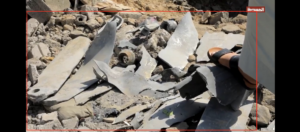
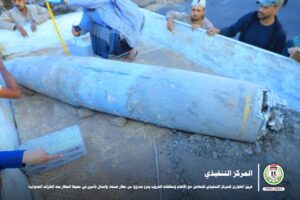
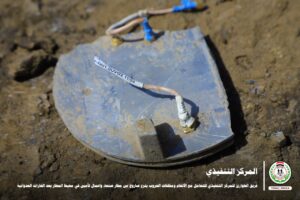
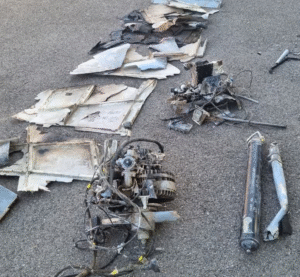
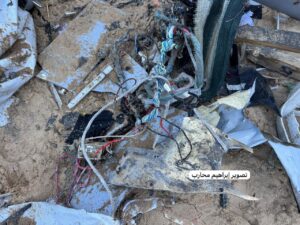
This image shows a remnant of a JDAM tail kit that was paired with a MK 84 2,000-pound-class air-delivered bomb. The CAGE code (“OUVG2”) for Aeroantenna Technology, an American manufacturer of GPS components for guidance systems, is visible on the wiring. (ARES)
Analyst Note
15 September 2025
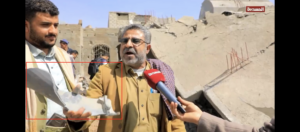
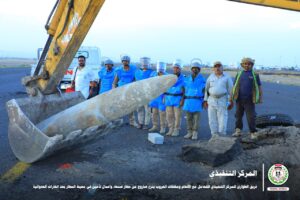
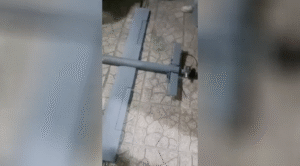
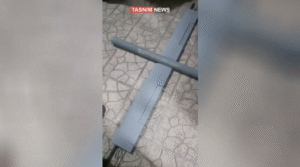
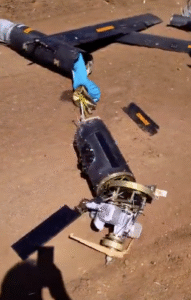
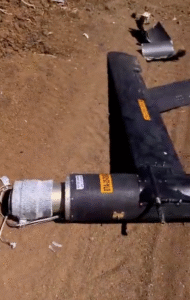
This still taken from a video released by Iranian state media, shows a one-way-attack UAV purportedly manufactured by Israeli forces operating inside Iran. This UAV was found alongside manufacturing equipment, and additional UAV components, strongly suggesting that it was manufactured or assembled inside Iranian borders. (ARES)
Analyst Note
15 September 2025
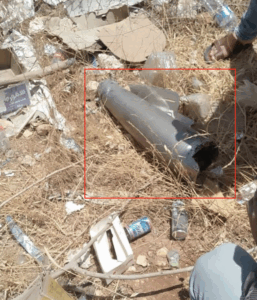
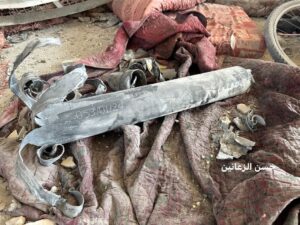
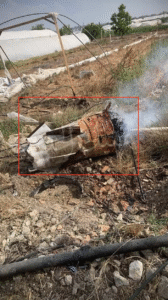
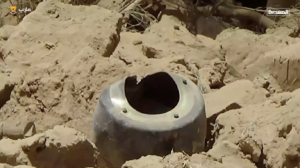
This image shows an Israeli-made 122 mm rocket motor found following a strike on Amr School in Gaza City. Although it is not possible to be definitive from this image alone, it is likely that this rocket motor was part of an Israeli ‘Bar’ missile, a guided munition designed for precision strikes in urban areas that uses a 122 mm rocket motor. (ARES)

Analyst Note
26 April 2026
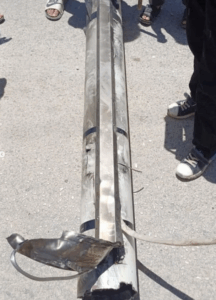
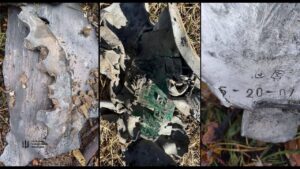
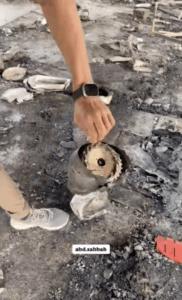
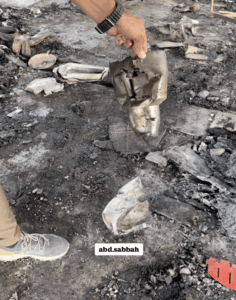
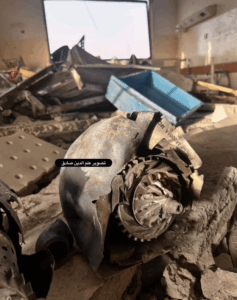
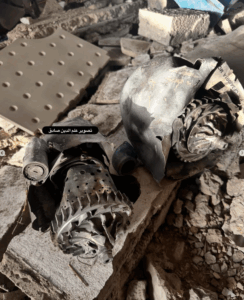
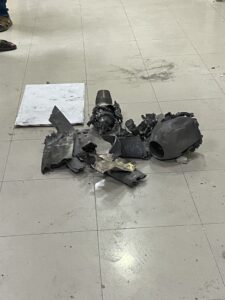
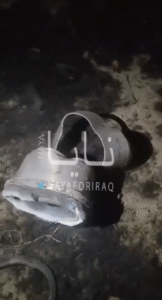
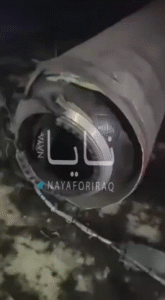
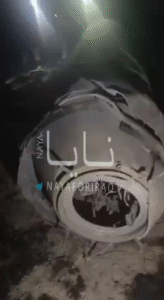
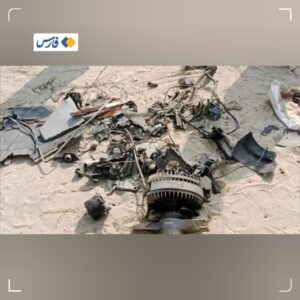
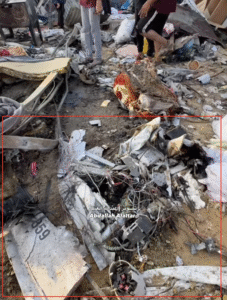
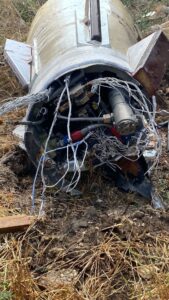
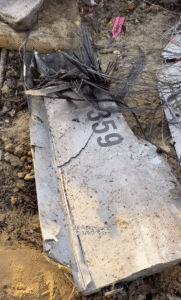
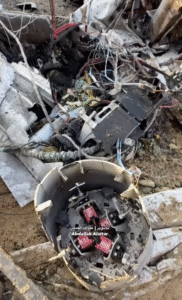
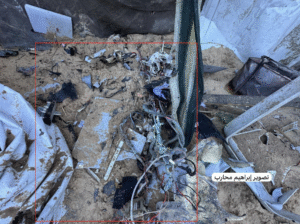
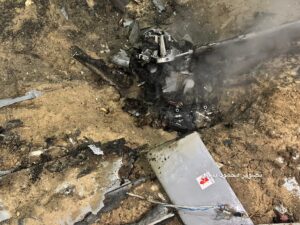
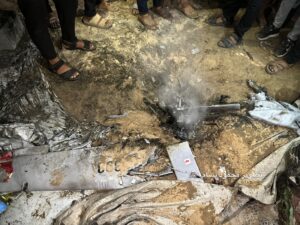
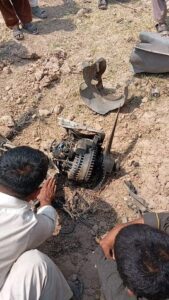
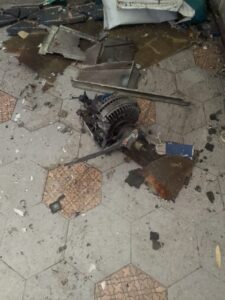
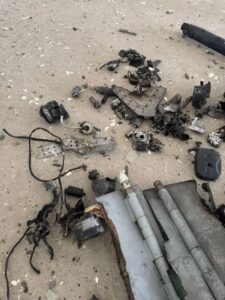
This image shows the remnants of an unknown Israeli munition that was used in a strike on Nasser hospital. Reporting on these strikes often refers to this munition as a ‘drone’. The turbojet engine, along with possible wing remnants, indicate that this could be a one-way-attack (OWA) UAV or ‘loitering munition’ missile, consistent with reporting. This same model of munition has been used multiple times in strikes in Gaza, as well as Lebanon and Syria. There is no publicly acknowledged Israeli munition that closely fits these remnants. Entries 1384, 1385, 1386, and 1389 capture other incidents in which this munition was used. (ARES)
Analyst Note
27 May 2025
This image shows the remnants of an unknown Israeli munition that was used in a strike that hit the Nasser hospital in Gaza. The turbojet engine, along with possible wing remnants indicate that this could be a one-way attack UAV or ‘loitering munition’, consistent with some reporting on the strikes. This same model of munition has been used in multiple strikes in Gaza, as well as in Lebanon and Syria. There is no publicly disclosed Israeli munition that neatly matches these remnants. OSMP entries 1384, 1385, 1386, and 1389 show other incidents in which this munition appears to have been used. (ARES)
Analyst Note
14 July 2025
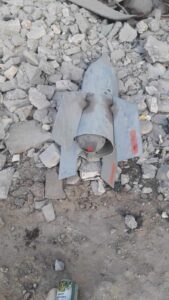
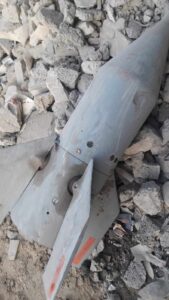
This image shows a remnant of the guidance control unit from a Paveway- or Lizard-series bomb guidance kit. The guidance control fins are marked “FOR USE ON MK82” indicating that this guidance control unit was paired with a MK 82-series 500-pound-class bomb. (ARES)
Analyst Note
12 July 2025
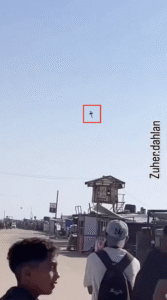
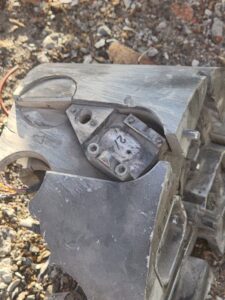
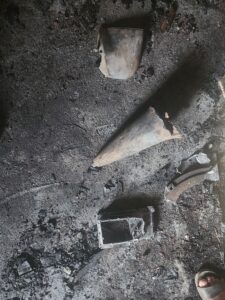
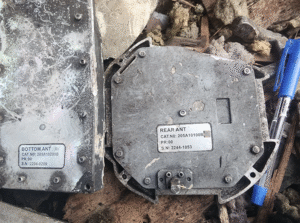
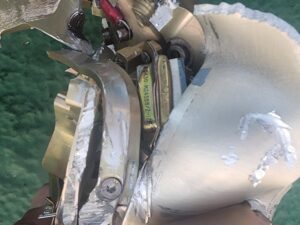
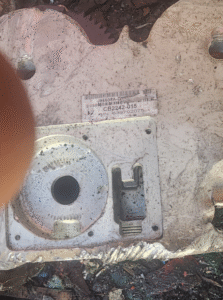
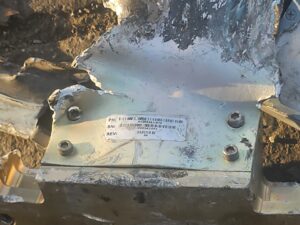
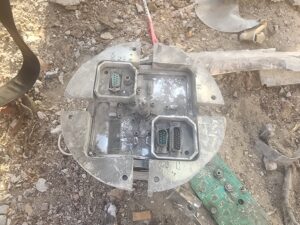
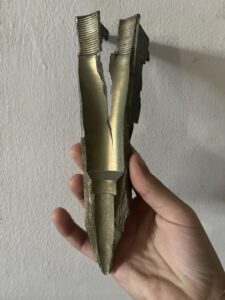
This image shows a remnant of the tail actuation section of a SPICE 250 guided bomb. The control fins are normally attached to this section, and the attachment point for one control fin is visible. (ARES)
Analyst Note
14 July 2025
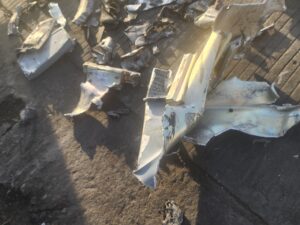
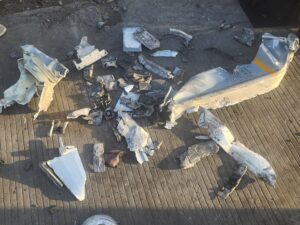
This image shows a variety of remnants from an Israeli SPICE 250 guided bomb. One of the bomb’s four control fins is visible at the bottom-left of the image. (ARES)
Analyst Note
14 July 2025
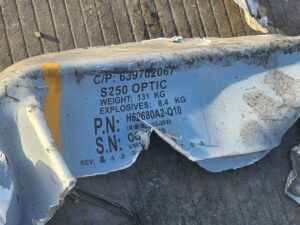
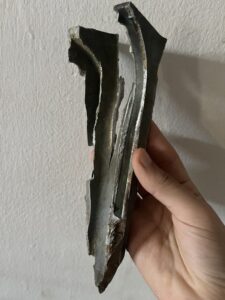
This image shows a remnant of the outer casing of the “S250 OPTIC” or SPICE 250 guided bomb, with the markings relatively intact. The markings on this remnant show that, while classified as a 250-pound bomb, the actual weight of this SPICE 250 variant is 288 pounds (131 kg) with only 18.5 pounds (8.4 kg) of explosive material. (ARES)
Collection
Iran-Israel conflict June 2025
Dozens of verified images of munitions used by Iran and Israel during the June 2025 Israel-Iran conflict
Analyst Note
14 July 2025
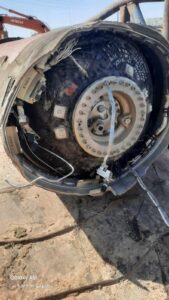
This image shows the top of the booster of an Arrow 3 interceptor missile, where it connects to the kill vehicle. The Arrow 3 was jointly developed by the United States and Israel, and first entered service in 2017. The date of manufacture marking (“DATE OF MFG: 05/2018”) indicates that this booster was produced in the year after the Arrow 3 first entered service. (ARES)
Analyst Note
19 July 2025
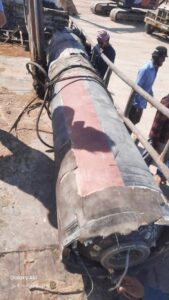
This image shows the booster of an Israeli Arrow 3 interceptor missile. The Arrow 3 is designed to engage ballistic missiles and is capable of exo-atmospheric interceptions. Once the booster is expended, it separates from the ‘kill vehicle’. The kill vehicle has a sustainer motor that propels it towards the incoming ballistic missile, and uses kinetic impact, rather than an explosive warhead, to disable or destroy its target. This is sometimes called the ‘hit-to-kill’ principle. (ARES)

Analyst Note
14 July 2025
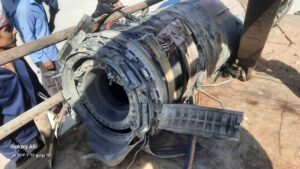
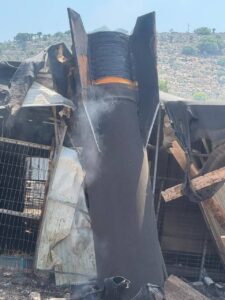
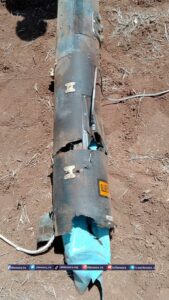
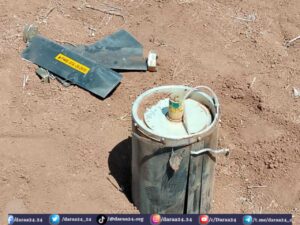
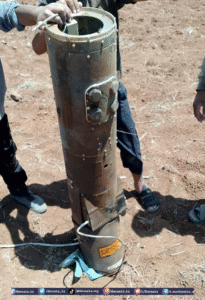
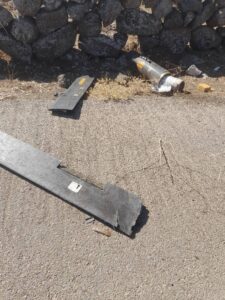
This image shows a remnant of the control section of the Arrow 2 ‘kill vehicle’, including the control fins. The blast-fragmentation warhead is located in the front section of the kill vehicle, forward of the control section, and is absent here due to the functioned state of the munition. (ARES)
Analyst Note
21 July 2025
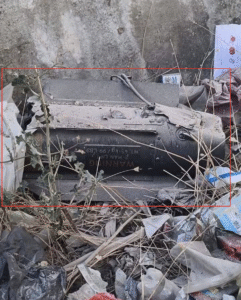
This image shows the rocket motor of an AGM-114 "Hellfire" series guided missile found in Jordan during the 12 day conflict between Israel and Iran. This specific Hellfire missile is likely an air-to-air "C-UAS" variant used to intercept one-way attack drones, such as those launched by Iran towards Israel, rather than the more common air-to-surface Hellfire missile variants. (ARES)
Analyst Note
22 June 2025
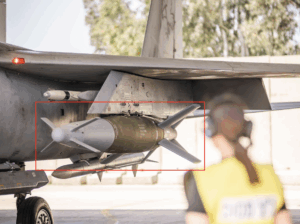
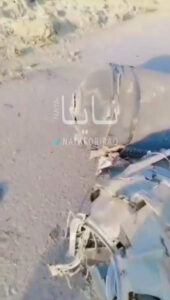
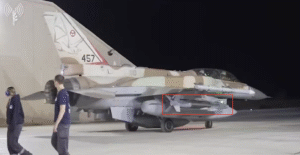
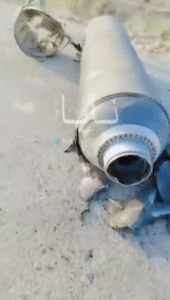
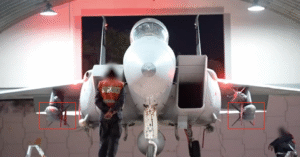
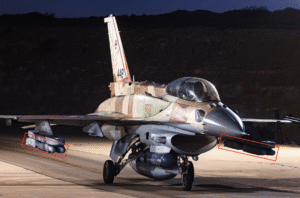
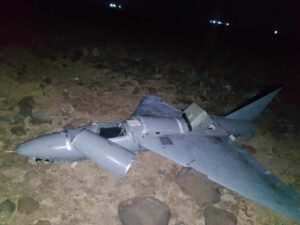
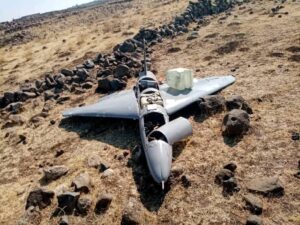
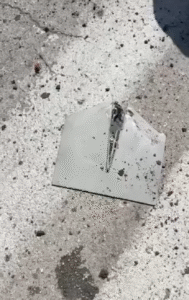
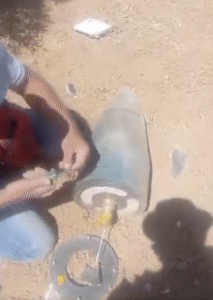
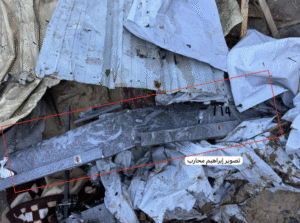
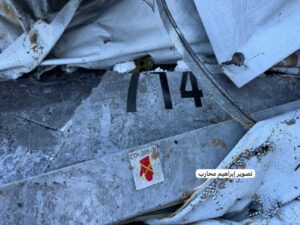
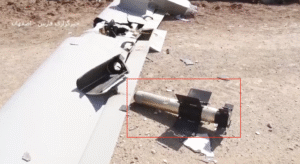
This image shows a Mikholit that was ejected from the weapons pod of an Israeli Hermes 900 drone that was downed in Iran. This Hermes 900 drone had two weapons pod, each capable of carrying 4 Mikholit bombs. (ARES)
Analyst Note
19 July 2025
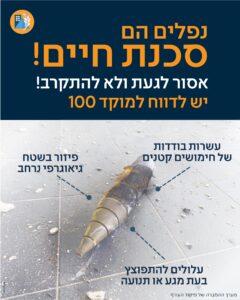
This image shows a unexploded Iranian submunition pictured in an awareness poster made by the Israel Defense Forces (IDF) Home Front Command. The poster warns people to not touch or disturb the submunition. The IDF reported that about 20 of these submunitions were deployed by a single Iranian ballistic missile, spreading over a radius of 8 kilometres. (ARES)
Analyst Note
19 July 2025
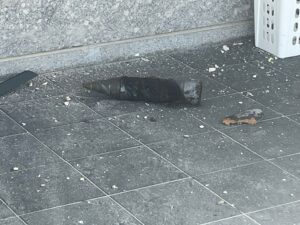
This image shows an unexploded submunition that was deployed by an Iranian medium-range ballistic missile over Israel. Inert variants of these submunitions were previously observed in an Iranian city following a failed missile test. (ARES)
Analyst Note
26 May 2025
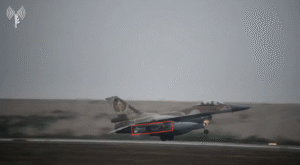
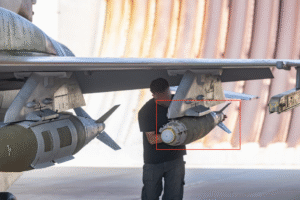
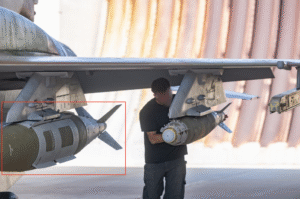
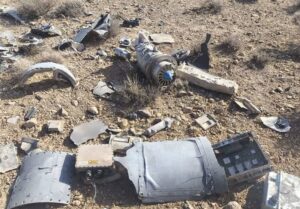
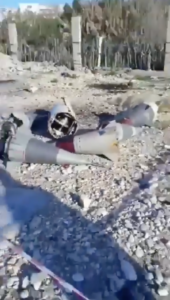
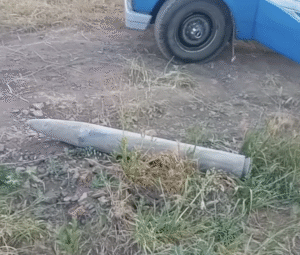
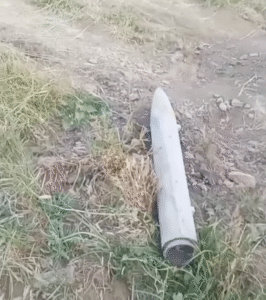
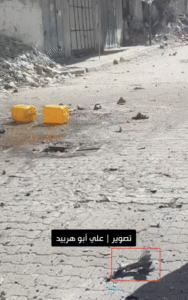
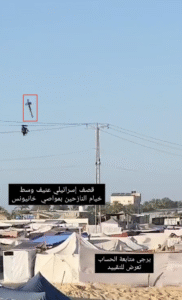
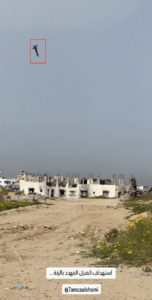
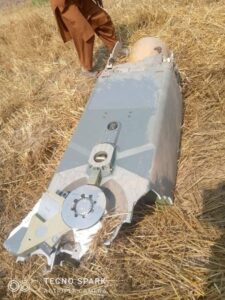
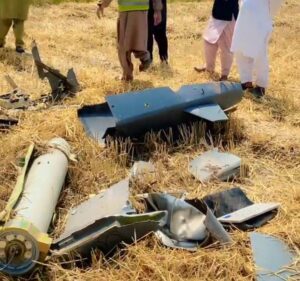
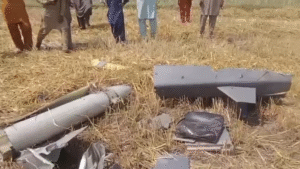
The source for this entry reports that these remnants were left behind after the missiles were “recycled“. Explosive remnants of war (ERW) are often recycled for the value of their scrap metal, or ‘harvested’ by militant groups for the explosive material. These recycling attempts may result in the ERW exploding, potentially killing or injuring people. (ARES)

Analyst Note
3 June 2025
This image shows the largely intact Microturbo TRI-60-30 turbojet engine from a Storm Shadow/SCALP-EG missile. (ARES)

Analyst Note
26 May 2025
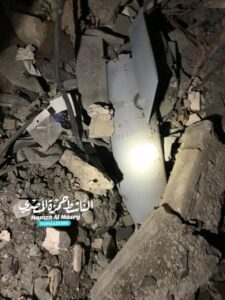
This image shows the guidance control unit from an Israeli 'Chameleon 3’ bomb guidance kit. This kit appears similar to those in the Israeli Lizard series of guidance kits, which are derived from the American-designed Paveway kit series. (ARES).
Analyst Note
26 May 2025
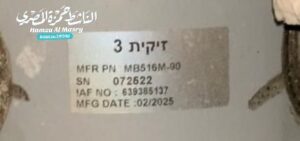
This is the data plate fitted to an Israeli Air Force bomb guidance kit. It reads “3 זִקִית” (‘Zikit 3’, or ‘Chameleon 3’ in English). As of May 2025, there is no public information available about this model of bomb guidance kit, but it appears to be a derivative or variant of the Israeli Lizard series, which are derived from the American Paveway bomb guidance kit. (ARES)
Analyst Note
26 May 2025
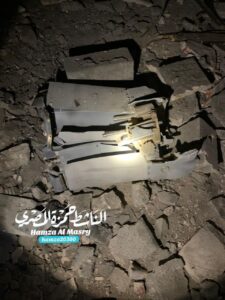
This image shows the damaged aerofoil group, or ‘tail kit’, found with a Chameleon 3 bomb guidance kit. The exact model of aerofoil group is unknown, but in US service similar component groups are given a designation in the ‘MXU-xxx’ range, and are interchangeable with different variants of the Paveway bomb guidance kit (within bomb weight classes). (ARES).