





201–300 of 619



Analyst Note
27 April 2026
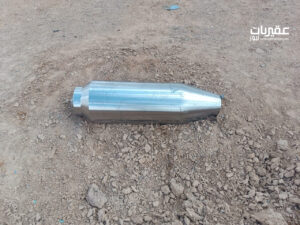
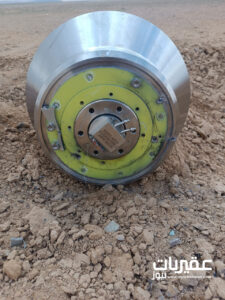
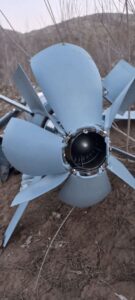
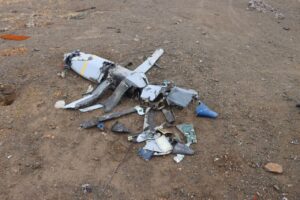
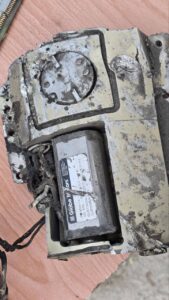
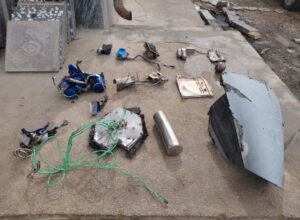
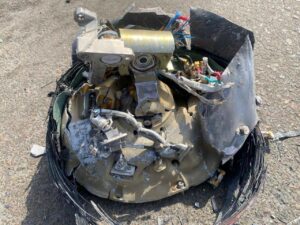
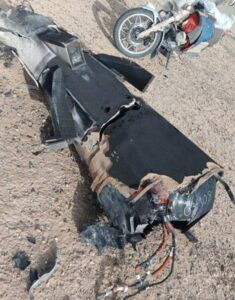
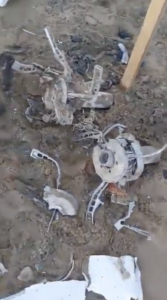
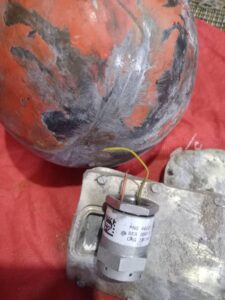
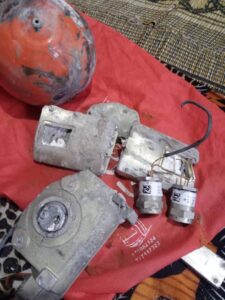
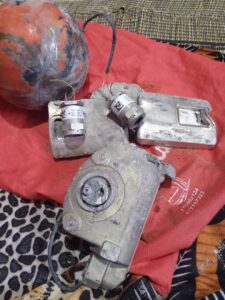
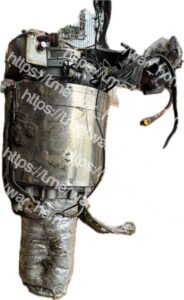
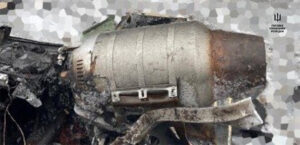
This image shows a DC motor from a Tomahawk missile, manufactured by Globe Motors of Dayton, Ohio, in the United States (part # 471A118 and serial # 7250). Globe Motors was acquired by Allied Motion in August 2013, and has since been renamed Allied Motion at Dayton. This DC motor is used as an actuator to assist in steering the Tomahawk to its target based upon input from the aviation section in the forward body assembly. Such motors often survive detonation and can serve as diagnostic remnants. (ARES)
Analyst Note
11 March 2026
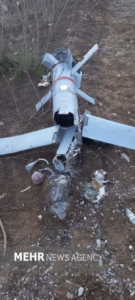
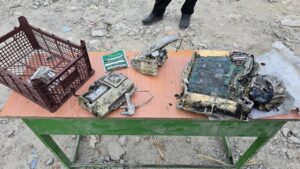
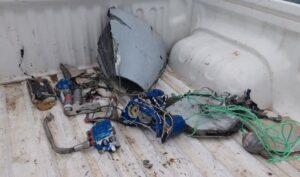
Components matching those seen here have been documented at other sites associated with the detonation of RGM-/UGM-109 Tomahawk cruise missiles. See, for example, OSMP 1199, 1218, 1191, 1193, and 1444. (ARES)
Analyst Note
4 March 2026
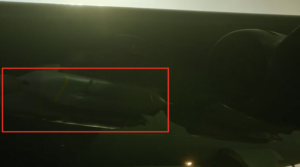
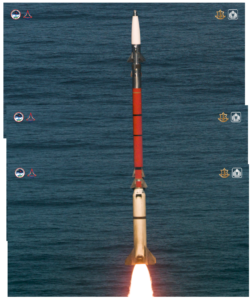
This image is a composite assembled from several screen captures taken from an IDF video. Due to camera movement and other factors, there may be some minor misalignment. (ARES)
Analyst Note
5 March 2026
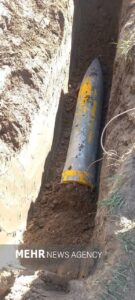
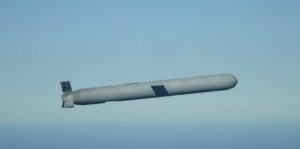
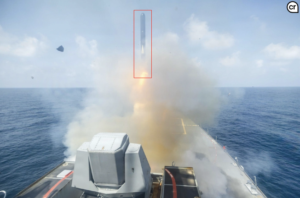
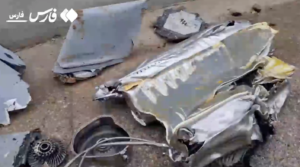
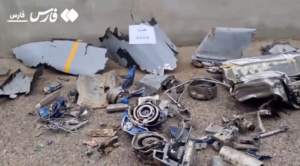
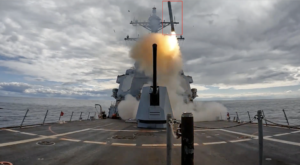
This Tomahawk missile features a distinctive black coating that suggests it is an RGM-109E Block Va variant, also known as the Maritime Strike Tomahawk (MST). A similar coating is seen on the U.S. Navy’s AGM-158C Long-Range Anti-Ship Missile (LRASM). MST incorporates a new multi-mode seeker optimised for the anti-shipping role, but remains capable of striking land-based targets. (ARES)
Analyst Note
7 March 2026
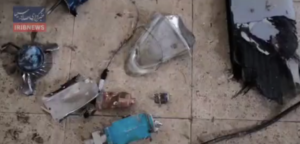
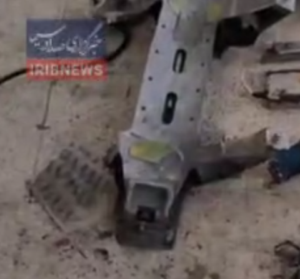
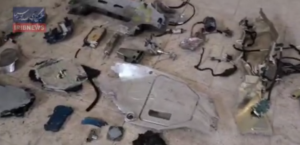
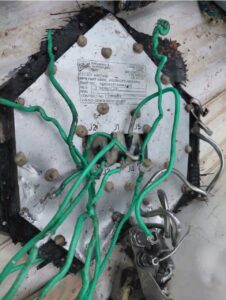
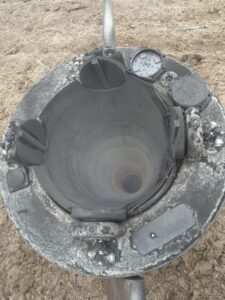
The component shown in this image is a GPS antenna for the AGM-158 Joint Air-to-Surface Standoff Missile (JASSM). It is marked to indicate its manufacturer (“Ball Aerospace & Technologies Corp.”; now operating as BAE Systems’ Space & Mission Systems division) and with other key information, including a part number and contract number. (ARES)
Analyst Note
7 March 2026
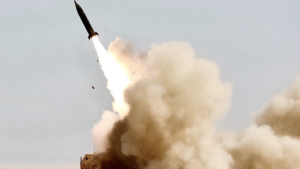
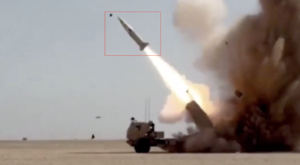
This image shows what is believed to be one of the first combat uses of the Precision Strike Missile (PrSM), following its entry into U.S. Army service in late 2023. PrSM is the successor to the ATACMS short-range ballistic missile that has become well known due to its use in the Russo–Ukrainian War. The Increment One version of PrSM has a range of approximately 500 km. The missile is seen here being fired from an M142 High Mobility Artillery Rocket System (HIMARS). (ARES)
Analyst Note
5 March 2026
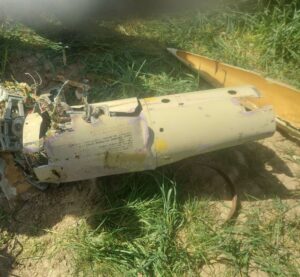
The munition remnant pictured here is marked with a Federal Stock Number (FSN; predecessor to the National Stock Number, or NSN, found on more modern munitions) that indicates it is part of a MIM-23B Improved HAWK surface-to-air missile. Other details, including the manufacturer (“Raytheon Company”), are also visible. The FSN was replaced by the NSN in 1974, indicating that this munition must have been manufactured before that time. This is consistent with the recorded U.S. export of the MIM-23B to Iran in 1972. (ARES)

Analyst Note
5 March 2026
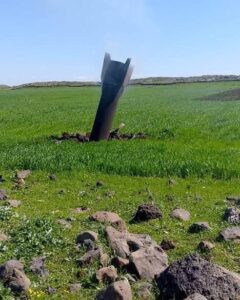
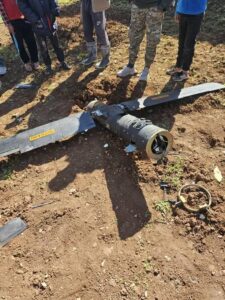
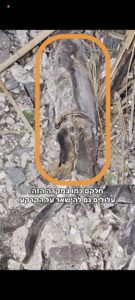
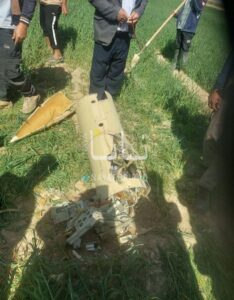
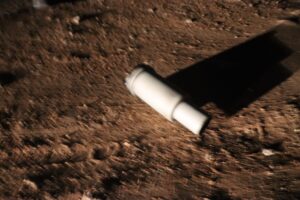
This image shows an unexploded Iranian submunition of unknown designation. Visually similar examples have been documented following Iranian ballistic missile strikes on Israel in June 2025 and March 2026. At least two variants are believed to exist, but publicly available details remain limited at time of review. (ARES)
Analyst Note
5 March 2026
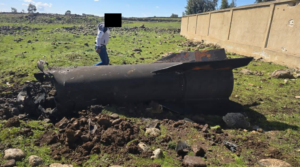
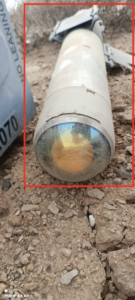
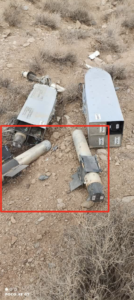
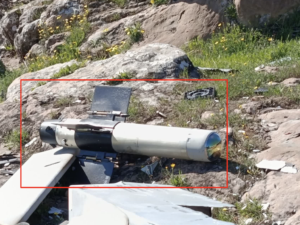
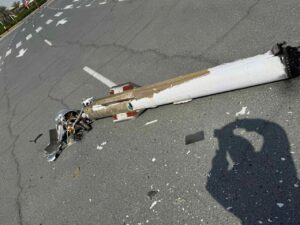
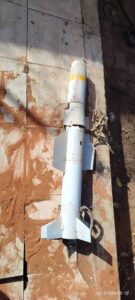
This image shows remnants from a MIM-23 Homing All the Way Killer (HAWK) surface-to-air missile. U.S. government documents show that MIM-23B Improved HAWK systems were exported to Iran in 1972. Iran has since manufactured a reverse-engineered version of the system. (ARES)

Analyst Note
5 March 2026
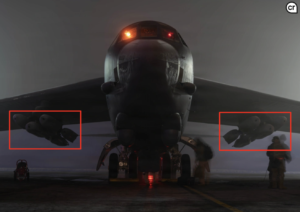
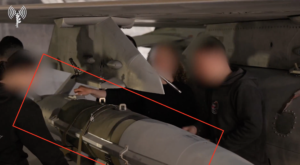
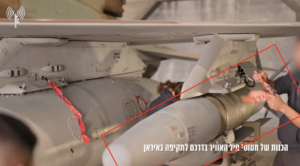
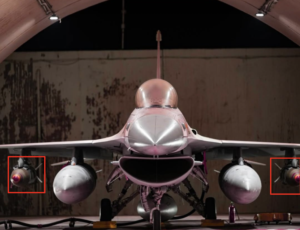
Photos released by the Israeli Air Force show an F-16 aircraft carrying two 2,000-pound-class air-delivered bombs fitted with Joint Direct Attack Munition (JDAM) guidance kits. Whilst the bomb body is visually similar to a MK 84 general-purpose aerial bomb, the marking scheme is distinctly different. The combination of yellow and red bands most likely indicates both a high explosive and incendiary payload. This is consistent with the marking scheme applied to specialised U.S. munitions intended for use against chemical and biological weapons targets. The best known of these is the BLU-119/B CrashPAD ('Prompt Agent Defeat'), which uses a MK 84 bomb body and contains 170 lbs of PBX-109 and 420 lbs of white phosphorus. It is not clear if agent defeat weapons were ever exported to Israel, or if a local analogue was developed. Capabilities of this type often remain classified. (ARES)


Analyst Note
4 March 2026
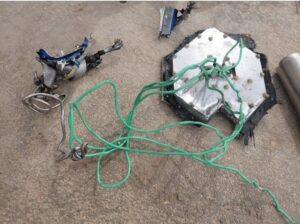
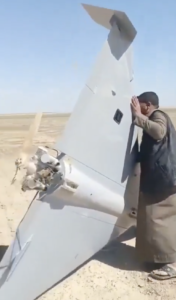
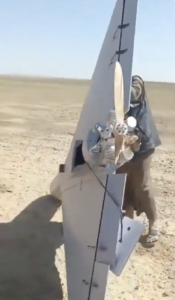
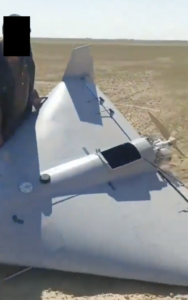
This image shows a Low-Cost Unmanned Combat Attack System (LUCAS). The LUCAS one-way attack UAV is a U.S.-made, cost-effective ‘kamikaze drone’. LUCAS munitions can connect to one another via a mesh network, allowing multiple LUCAS drones to communicate in flight. The white square object connected to the munition by a cable appears to be a Starlink antenna, consistent with reported communication capabilities. Elon Musk has claimed that LUCAS operates only via Starshield, a Starlink-derived satellite network intended for government use. (ARES)
Collection
The Iran War 2026
Verified munition images from all parties to the regional conflict sparked by U.S. and Israeli strikes on 28 February, 2026




Analyst Note
2 March 2026
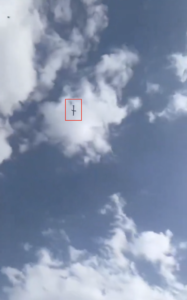
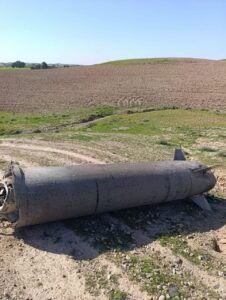
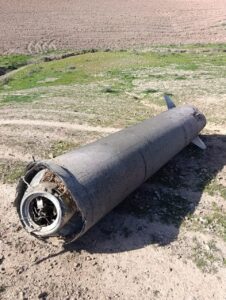
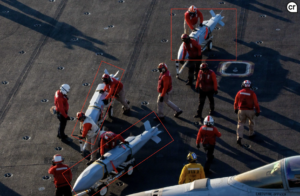
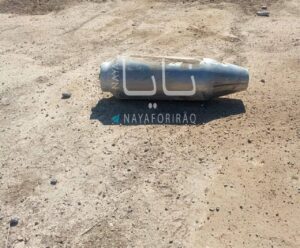
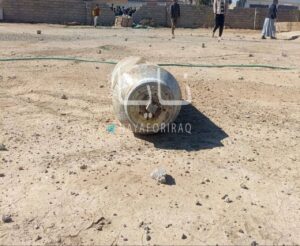
This image shows the remnants of a PAC-3 Cost Reduction Initiative (CRI) missile. The PAC-3 family of missiles are hit-to-kill interceptors that defend against incoming ballistic missiles, cruise missiles, aircraft, and other targets primarily by using kinetic impact. However, it is important to note that these missiles contain a high explosive fragmentation (HE-FRAG) “lethality enhancer” warhead. These warheads are much smaller than what would normally be expected on a surface-to-air missile of this size, but still present a hazard if it fails to function as designed. (ARES)









Collection
Україна 2022 – 2026
24 лютого 2022 року Росія розпочала повномасштабне вторгнення в Україну, із залученням військових сил, спрямованих на захоплення більшості великих міст, включаючи столицю Київ. Це стало найбільшим конфліктом у Європі з часів Другої світової війни, і близько чверті території України опинилося під контролем Росії


Collection
Ізраїль і Газа 2023 – 2026
7 жовтня 2023 року бойовики ХАМАС прорвали міцно укріплений кордон між Ізраїлем і Сектором Газа, атакувавши численні міста і села. За повідомленнями, в Ізраїлі загинуло понад 1000 осіб, а понад 250 було взято в заручники і перевезено до Гази
Analyst Note
28 November 2025
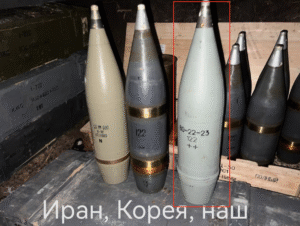
This image shows 122 mm high explosive (HE) artillery gun projectiles manufactured in three different states, L–R: Iran, North Korea, and Russia. Whilst these examples are distinct from one another—particularly in coloration, as well as the presence or absence of paint over the driving band and bourrelet—this is not always the case, and a combination of physical features and markings should be assessed before identification is made. (ARES)


Analyst Note
5 February 2026
Pictured here are a pair of 106 mm M344A1 High Explosive Anti-Tank (HEAT) projectiles fitted with M509A1 point-initiating, base-detonating (PIBD) fuzes. These are designed to be fired from M40-series 106 mm recoilless rifles. Note that, despite the nominal 106 mm designations, the M40 has a bore diameter of 105 mm. (ARES)

Analyst Note
31 December 2025
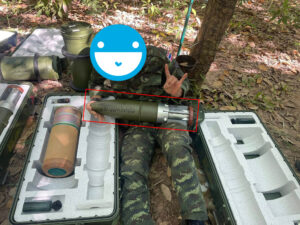
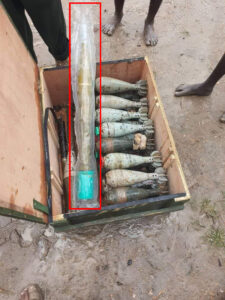
This PG-7VR recoilless gun projectile is painted in a tan colour often associated with Iranian production, but also used by other manufacturers. Iranian munitions have been seen and reported in Sudan with regularity. (ARES)
Analyst Note
31 December 2025
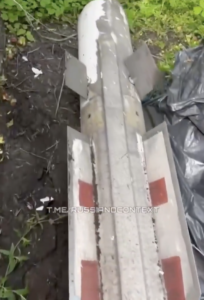
The UMPK guidance package is a ‘bolt-on’ kit that can be fitted to unguided air-delivered bombs to convert them to guided munitions. The UMPK kit also greatly extends the range of the munition to which it is fitted, allowing aircraft to strike from beyond the range of many air-defence systems. Currently only Russia manufacturers and uses these kits. (ARES)
Analyst Note
31 December 2025
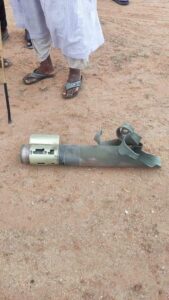
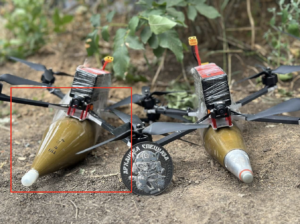
The munition indicated is a one-way-attack (OWA) UAV fitted with a PG-7-series high explosive anti-tank (HEAT) warhead. Not enough of the warhead is visible to provide a positive ID on which model of PG-7-series projectile it was harvested from. (ARES)

Analyst Note
9 January 2026
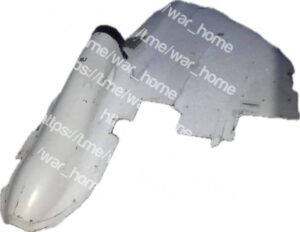
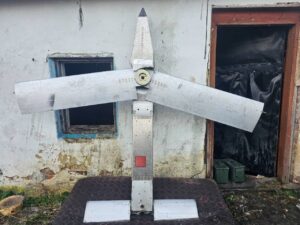
This image appears to show a remnant from either a 9M38- or 9M317-series surface-to-air missile. Positive identification of this munition cannot be made based on the imagery in this source alone; a rear control fin is visible in image but the 9M38- and 9M317-series missiles use indistinguishable rear fins. (ARES)