

501–600 of 717
Current Filter
Functioned Munition
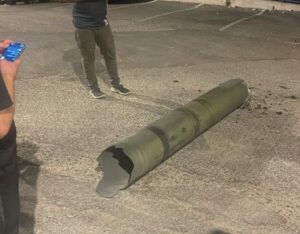
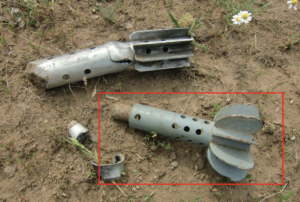
The munition has either partially or fully operated and the intended effect has occurred. For explosive munitions, this usually means a detonation.

Analyst Note
24 October 2024
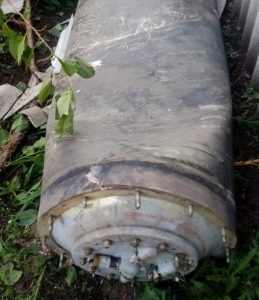
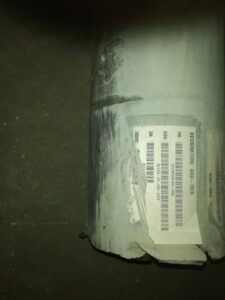
Labels on munition remnants can provide a host of useful data, including the model designation (in this case, “GBU-39/B”), part number (PN; (“70P998100-1003”), National Stock Number (NSN; “1325-01-526-8728”), serial number (SN; illegible), and Department of Defense Identification Code (DODIC; “EC53”). These codes, and others like them, can often be searched for in databases or provided to technical specialists for further interpretation. (ARES)



Analyst Note
21 October 2024
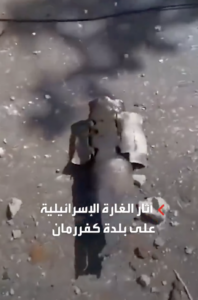
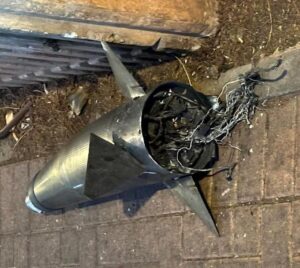
The Stunner missile is the surface-to-air interceptor missile fired by the David’s Sling weapon system to defeat short-range ballistic missiles, cruise missiles, drones, and rockets. The Stunner does not carry an explosive warhead, instead relying on kinetic impact (also called the ‘hit-to-kill’ principle) to intercept ballistic missiles and other targets. (ARES)






Analyst Note
14 October 2024
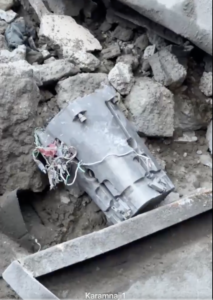
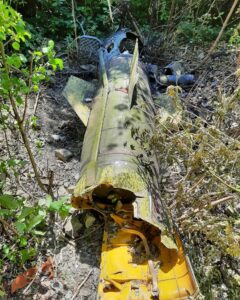
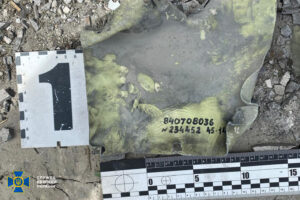
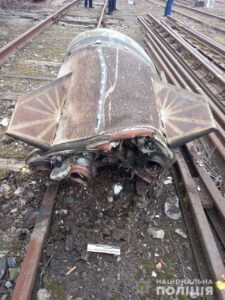
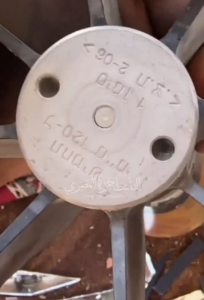
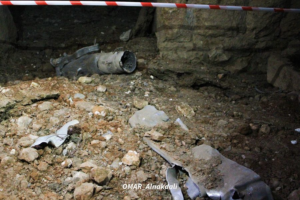
This 9M27K-series surface-to-surface cargo rocket is carrying a payload of 9N210 or 9N235 high explosive fragmentation (HE-FRAG) submunitions. These submunitions are difficult to distinguish unless their external markings are visible, or a close examination is made. (ARES)


Analyst Note
15 October 2024
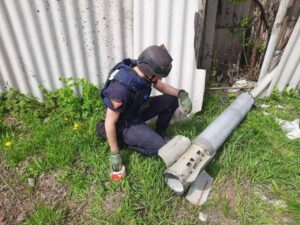
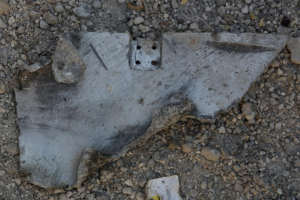
The visible component is part of a Joint Direct Attack Munition (JDAM) guidance kit, an accessory package that is fitted to unguided air-delivered bombs to convert them to precision guided munitions. Specifically, this image shows a control fin from the tail assembly. Whilst the JDAM kit would not constitute a munition in its own right, this remnant is included in the OSMP as contextual information strongly suggests it formed part of a complete munition that functioned. (ARES)
Analyst Note
18 November 2024
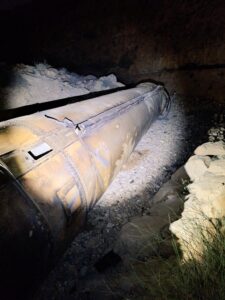
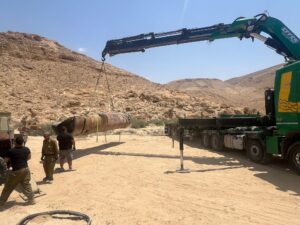
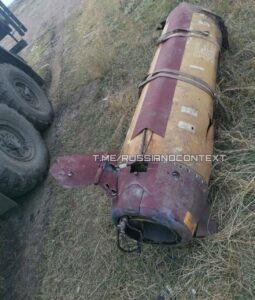
The MGM-140 Army Tactical Missile System (ATACMS) series includes variants with a variety of different payloads, including submunitions and unitary high explosive (HE) warheads. The number of submunitions carried and effective ranges also vary.
Ukraine has reportedly received the MGM-140A and MGM-140B variants, which are externally visually identical and must usually be distinguished by markings. The MGM-140A carries 950 M74 submunitions, with an effective range of 165 km, while the MGM-140B carries only 300 M74 submunitions but has a longer effective range of 300 km. (ARES)





Analyst Note
14 October 2024
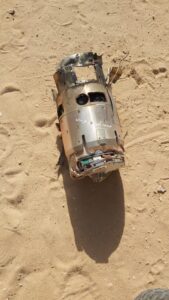
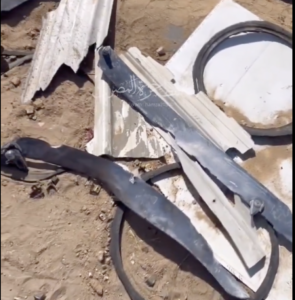
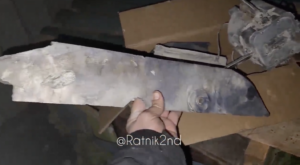
The M824 60 mm mortar projectile dispenses a parachute-retarded illumination flare which burns for 35 seconds. The tail portion of the munition (seen here) separates from the forward (body) portion and is sometimes found along the line of fire. (ARES)
Analyst Note
11 September 2024
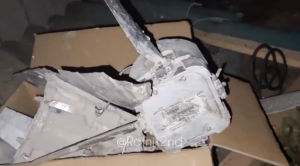
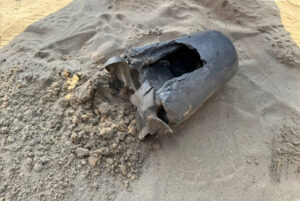
Contextual information, including an assessment of the crater which appears to be linked to this munition remnant, suggests that a 2,000-pound-class bomb fitted with a SPICE 2000 guidance kit was used in this airstrike. (ARES)

Analyst Note
1 August 2024
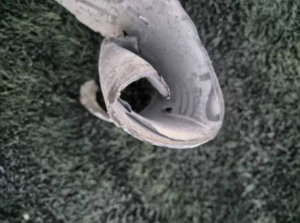
These are munition debris images released by the Israel Defence Forces and are not necessarily in situ. (Airwars)
Analyst Note
1 August 2024
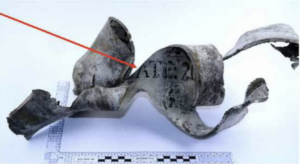
These are munition debris images released by the Israel Defence Forces and are not necessarily in situ. (Airwars)
Analyst Note
1 August 2024
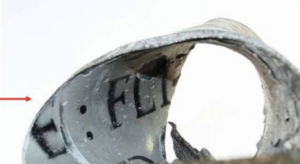
These are munition debris images released by the Israel Defence Forces and are not necessarily in situ. (Airwars)

Analyst Note
11 September 2024
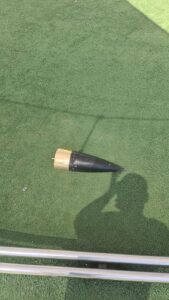
This image shows the nosecone from an Israeli Tamir surface-to-air missile. This component is often found as a remnant after the functioning of the missile. (ARES)

Analyst Note
19 March 2025
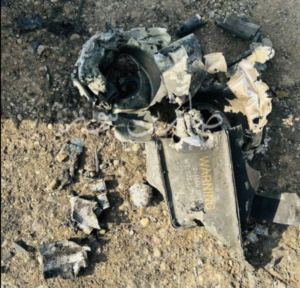
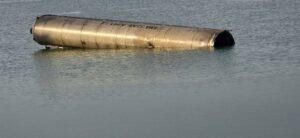
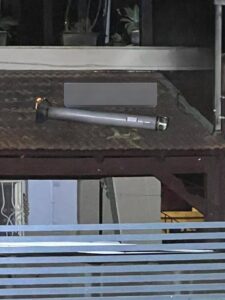
The AGM-179 Joint Air-to-Ground Missile (JAGM) is derived from the AGM-114 Hellfire series of air-to-surface missiles—and thus shares physical characteristics in terms of general construction, including rear fin placement. The marked weight of 52.0 kg (115 lbs) is generally believed to be an indicator that the rocket motor is from a JAGM; however, remnants marked with this weight have been observed from several years before the JAGM was initially fielded. (ARES)





Analyst Note
10 September 2024
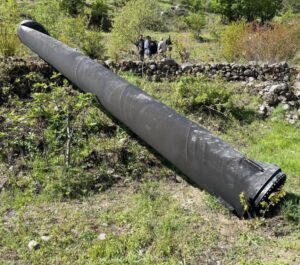
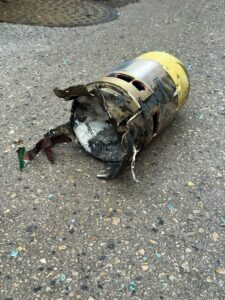
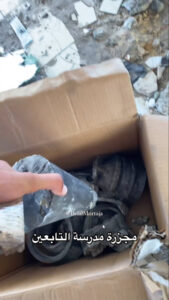
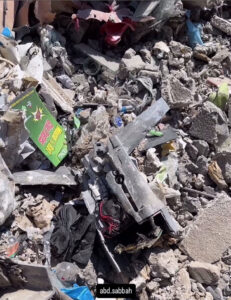
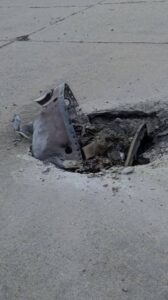
The Tamir Interceptor is the missile fired from Israel’s Iron Dome defence system to intercept incoming rockets, missiles, projectiles, and unmanned aerial vehicles (‘drones’). The Tamir uses a warhead with a relatively small explosive yield, which typically results in the guidance section, nosecone, and (spent) rocket motor falling to the ground relatively intact after functioning. (ARES)







Analyst Note
14 October 2024
In this image, part of the distinctive internal 'X-rib' arrangement is visible protruding from the base of an M825-series white phosphorus smoke projectile. This is a useful diagnostic feature that can be used to distinguish remnants of these munitions from those of similar projectiles (such as those using a hexachloroethane/zinc smoke composition) if markings are not visible (ARES)

Analyst Note
29 July 2024
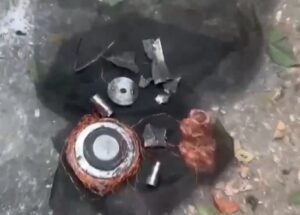
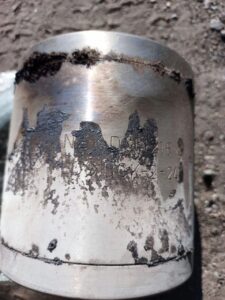
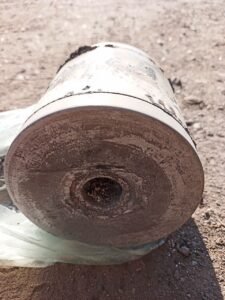
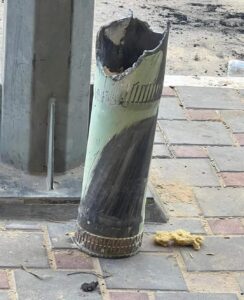
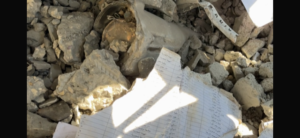
The remnants shown in these linked images have been falsely identified in Russian sources as chemical munitions. This image clearly exhibits the marking “NBK DM 1216”—the ‘NBK’ standing for the German Nebelkörper (‘smoke element’)—identifying this as one of four DM 1216 hexachloroethane/zinc (HC) smoke elements dispensed by the German DM 105 155 mm artillery gun projectile. Video of the incident shows all four elements being ejected from the base of the projectile in flight. (ARES)



Analyst Note
29 July 2024
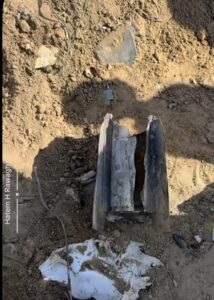
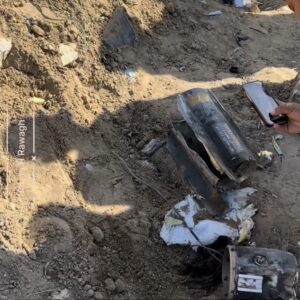
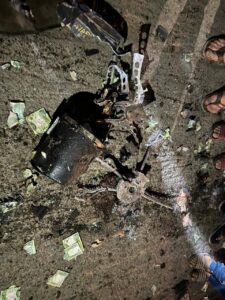
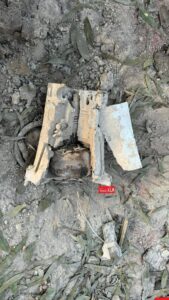
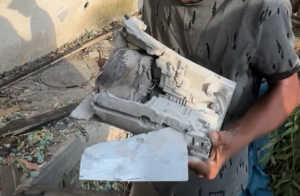
This image shows a distinctively shaped component of MBDA’s ‘Diamond Back’ joined tandem wing assembly as fitted to the GBU-39 Small Diameter Bomb (SDB). (ARES)


Analyst Note
29 July 2024
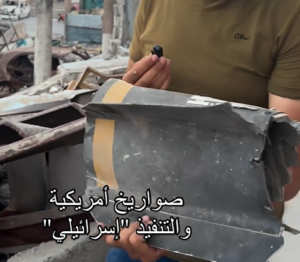
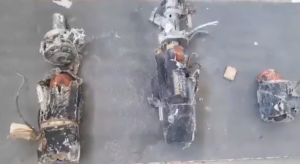
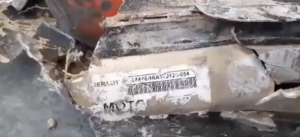
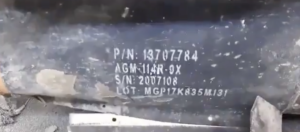
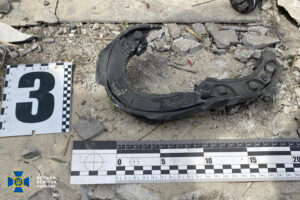
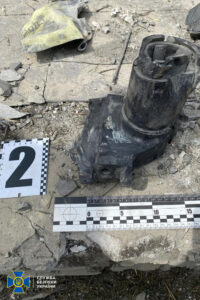
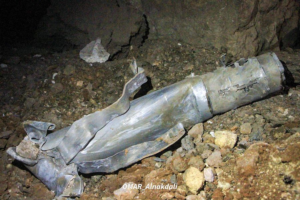
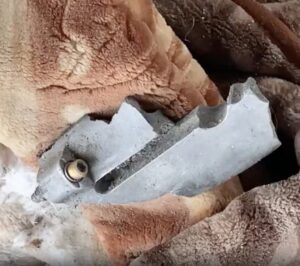
This image shows a component believed to be part of the folding-blade assembly used in the AGM-114R-9X variant of the Hellfire missile. Blades are used in place of an explosive payload to create a kinetic weapon that achieves a practical level of lethality whilst minimising collateral harm. (ARES)

Analyst Note
29 July 2024
Little is known with certainty about the AGM-114-R9X variant of the Hellfire missile, although it has been associated with high-profile targeted killings including those of senior al-Qaeda figures. The weapon functions as a kinetic-impact munition, using pop-out blades—rather than an explosive warhead—to reduce the prospects of collateral harm. (ARES)




Analyst Note
14 October 2024
The remnant pictured here is part of a Small Diameter Bomb actuator assembly (‘Tail Actuation Section’), which moves the four tail-fin control surfaces which alter the course of the munition in flight. (ARES)
Analyst Note
13 June 2024
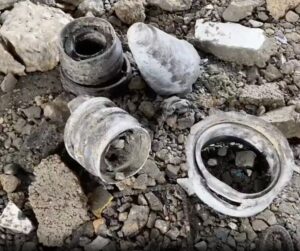
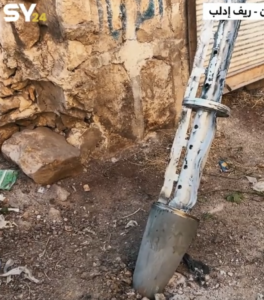
This image depicts either a 9M27K or 9M27K1 cargo rocket (cluster munition). The 9M27K carries the 9N210 high explosive fragmentation (HE-FRAG) submunition, whilst the 9M27K1 carries the 9N235 HE-FRAG submunition (ARES).
Analyst Note
6 June 2024
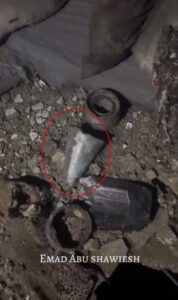
The circled remnant is the hardened steel nosecone of the GBU-39, which renders the munition capable of penetrating more than 3 feet (approx. 1 metre) of steel-reinforced concrete. It is one of several components that often survives the detonation of the munition. (ARES)
Analyst Note
31 May 2024
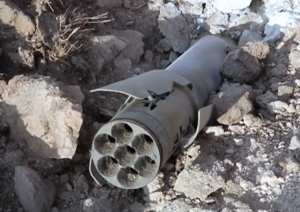
Contextual information suggests that this is likely a 9M22S unguided incendiary rocket (see External Research section), but this cannot be confirmed on the basis of this image alone. (ARES)

2 Analyst Notes
30 May 2024
This munition is assessed to be one of the Small Diameter Bomb (SDB) I variants (GBU-39 series), rather than one of the SDB II 'StormBreaker' (GBU-53 series) munitions, on the basis of contextual information. 'Small Diameter Bomb' is the manufacturer's terminology, whilst 'GBU-39' is the U.S. Air Force designation (also used by many other operators). (ARES)