

1–100 of 1,111
Current Filter
Rocket or Missile
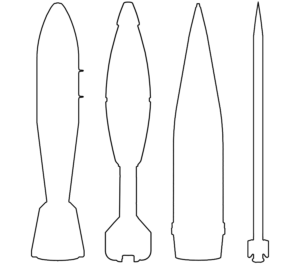
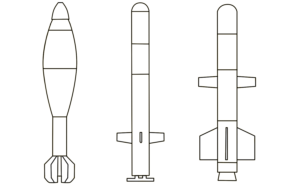
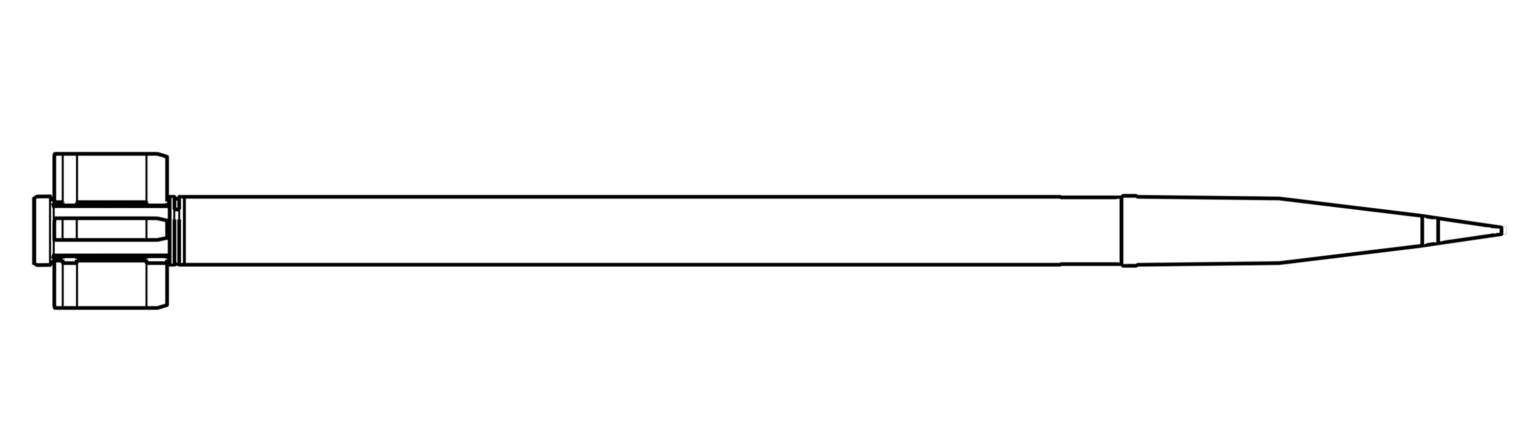
Rockets and missiles are two closely related types of powered munitions which utilise an internal propulsion method, typically a rocket motor, to maintain their rate of travel after launch. Rockets and missiles are typically relatively long and thin—with lengths ranging from 50 centimetres to 6.5 metres. Rockets are unguided those fitted with guidance systems are usually referred to as missiles. Missiles sometimes use propulsion methods other than rocket motors, such as turbojets. The effective range of rockets varies from as little as one kilometre to more than 40 kilometres, while missiles typically have a longer range — some more than 250 kilometres.
Read more →
Current Filter
Mine
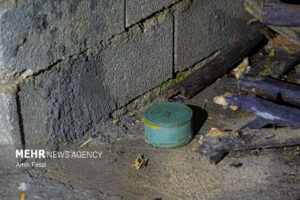
Emplaced munitions either activated remotely or by the target or victim.
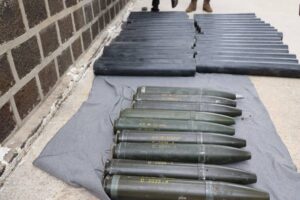
Analyst Note:
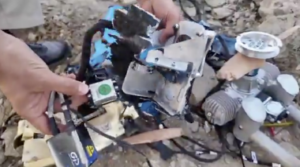
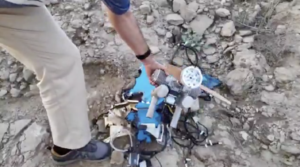
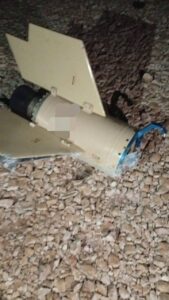
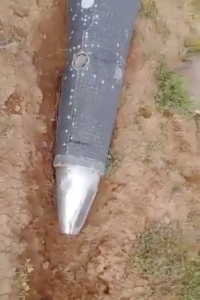
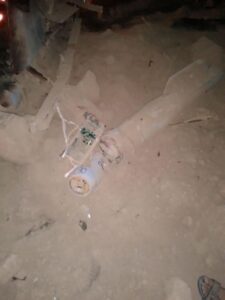
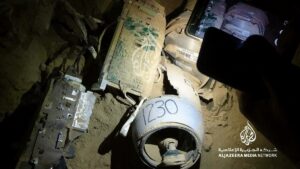
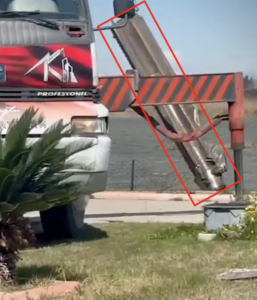
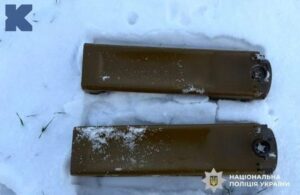
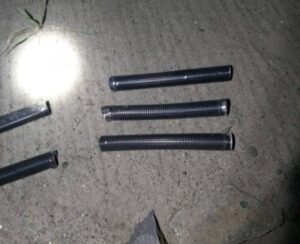
From early 2026, rockets marked "KP-M-112mm" began appearing in media reports from Syria. The manufacturer and country of origin of these is not yet known. Visually, these munitions closely resemble the Chinese Type 63 family of rockets (which includes the Iranian FAJR 1, often seen in Syria). However, the markings indicate an apparent 112 mm diameter, which is larger than the 107 mm of the Type 63 family. There are other, minor differences in construction that are externally visible. (ARES)
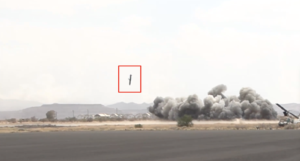
Analyst Note:
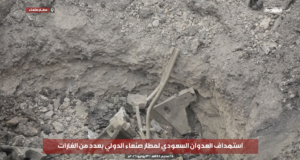
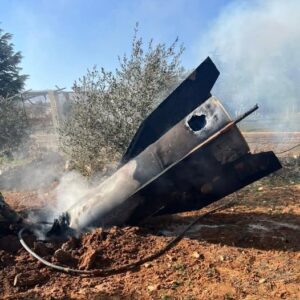
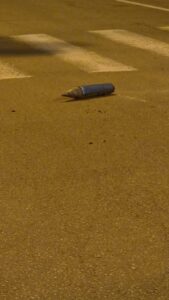
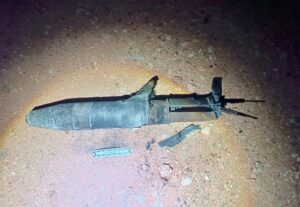
This image shows a munition shortly before impact. While the quality of the image is not high enough to conclusively identify the munition, remnants of a Storm Shadow/SCALP EG missile were recovered following this strike, supporting a more precise identification.
Whilst Saudi Arabia has denied conducting this strike, and the Yemeni Army has claimed responsibility, Saudi Arabia is known to possess Storm Shadow/SCALP EG missiles and the capability to deploy them, whereas the Yemeni Army is not known to possess or use this weapon. (ARES)
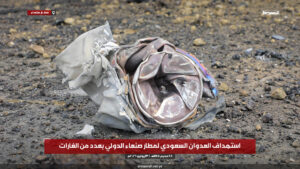
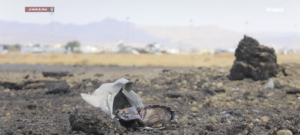


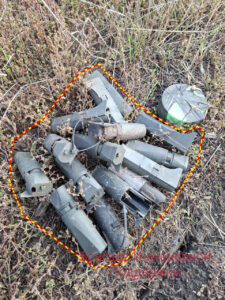
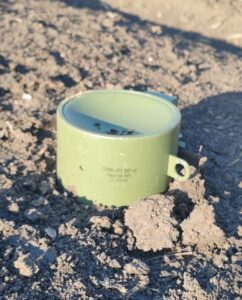
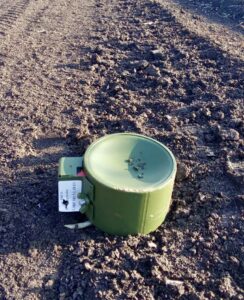
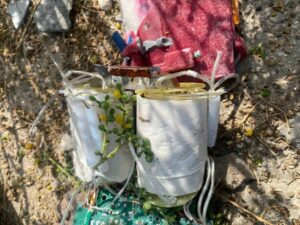
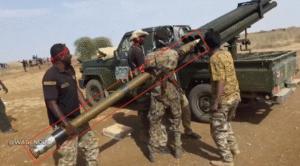
Analyst Note:
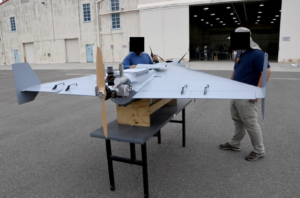
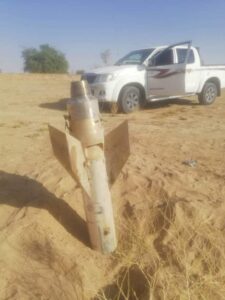
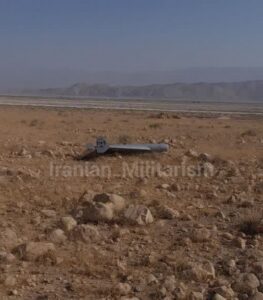
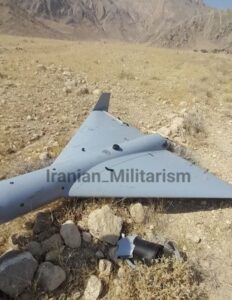
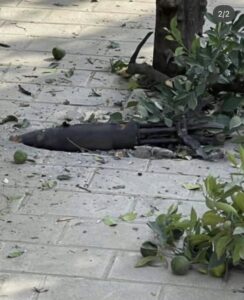
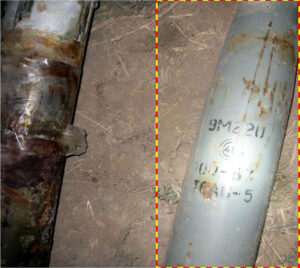
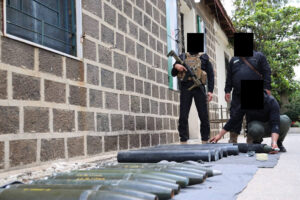
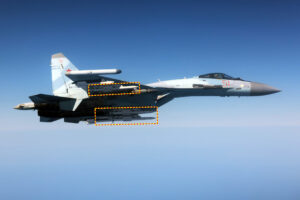
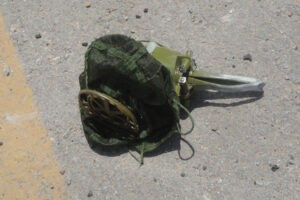
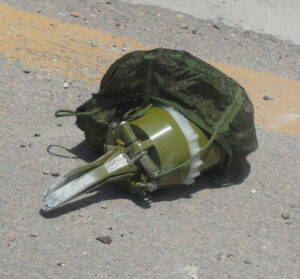
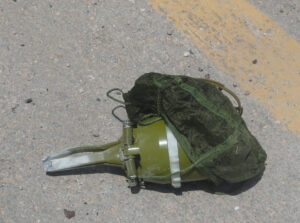
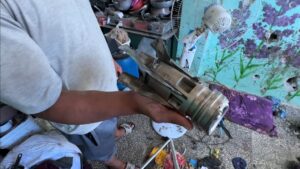
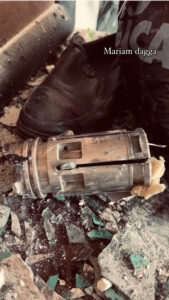
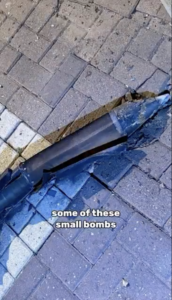
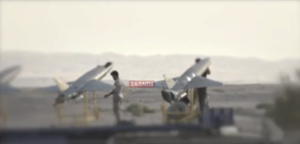
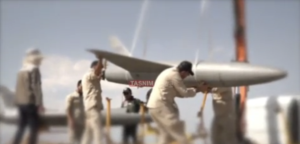
Based on design features and an estimation of the munition’s apparent size relative to the personnel handling it, this image appears to show a 122 mm surface-to-surface rocket fitted with a high explosive fragmentation (HE-FRAG) warhead, although the specific model and country of origin are unclear. In Sudan there have been reports of Russian, Chinese, and domestically produced (Taka-02) 122 mm rockets being used. (ARES)
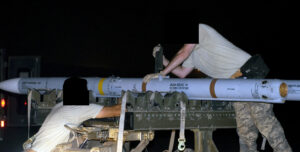


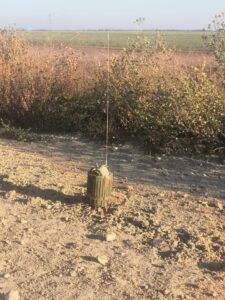
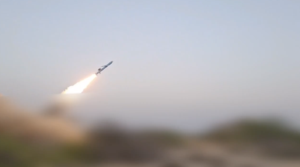
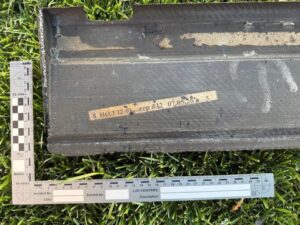
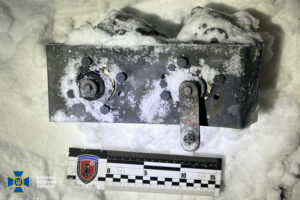
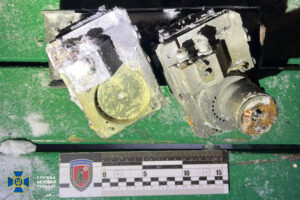
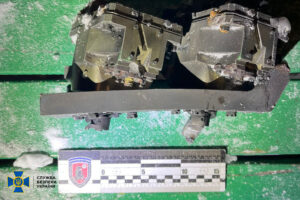
Analyst Note:
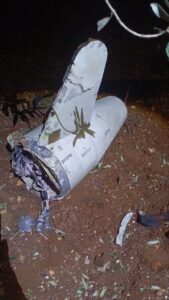
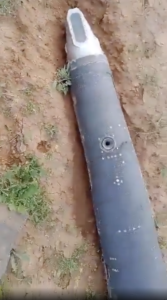
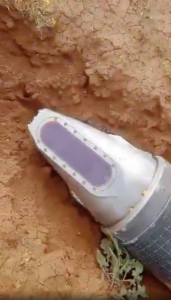
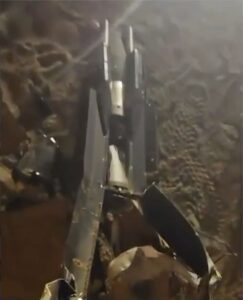
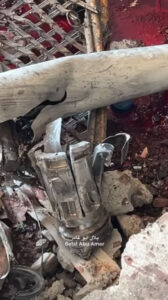
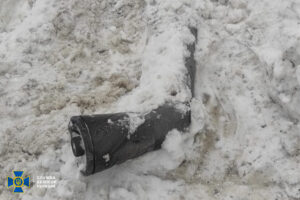
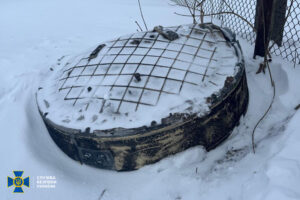
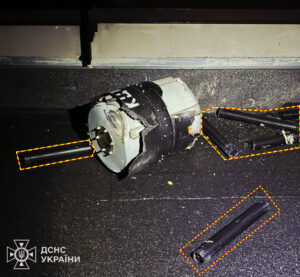
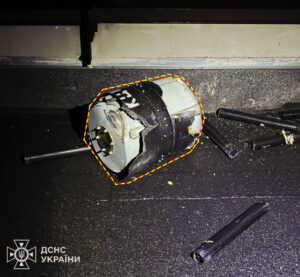
The remnants shown in this image (and in linked OSMP entries) are reported by the Ukrainian government to be from the Russian ‘Oreshnik’ missile. Available information on this munition is very limited at the time of writing. It is reported that the Oreshnik can carry either a nuclear or conventional payload. The Oreshnik is likely capable of carrying up to 6 independently targetable reentry vehicles (MIRVs). It is unclear how many warheads can be carried in each re-entry vehicle. In the case of this strike, there is insufficient imagery to make a determination on which warhead/MIRV was used. (ARES)
Analyst Note:
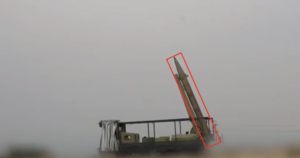
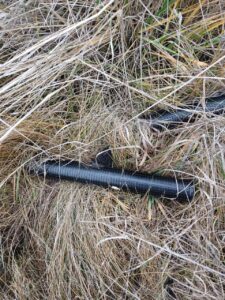
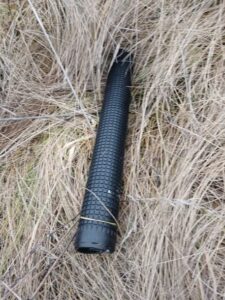
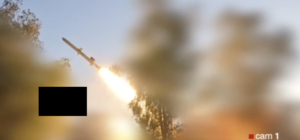
This image shows the launch of an Iranian Paveh surface-to-surface cruise missile in Iraq. The munition was fired by Iranian proxy forces and reportedly targeting Israel. Some sources indicate the Paveh has been renamed the ‘Jamal-10’, whilst others claim it is being locally produced in Iraq by Iranian proxy forces. With an estimated 75% of the missile’s components coming from outside Iran, distributed production is certainly possible. The missile has two large wings located forward of the munition’s midpoint, three smaller fins towards the tail, and four actuated fins around the tail. The initial launch is accomplished with a solid-propellant rocket motor, which gives way to a turbo jet flight motor mounted on top of the missile, towards the tail. (ARES)
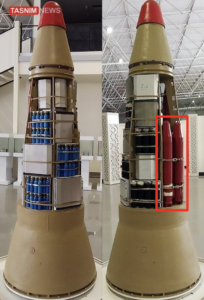
Analyst Note:
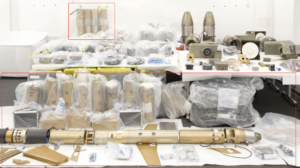
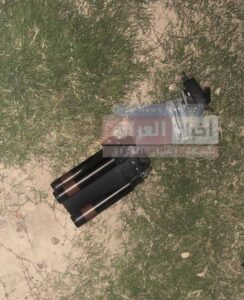
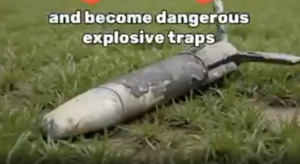
This image shows the ‘manoeuvrable re-entry vehicle’ (MaRV; a detachable, steerable payload section) of an Iranian ballistic missile loaded with submunitions. It appears there are three different models of submunition loaded into the MaRV (black, blue, and red). The black and blue submunitions are most likely anti-personnel designs, whilst the red submunitions (indicated by a red box) are likely designed with penetrating or shaped-charge warheads to target vehicles or structures. Some submunitions may utilise time-delay fuzing, allowing for random detonations over several hours or days to hamper clearance efforts, denying use of the afflicted area. Reports have shown Iran has used ballistic missiles with mixed submunition loads, and suggest that this type of warhead can scatter its payload up to a radius of 8 km. (ARES)

Analyst Note:
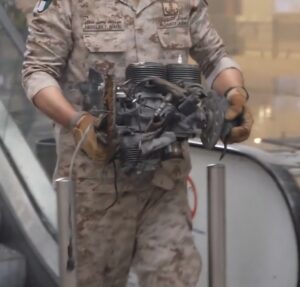
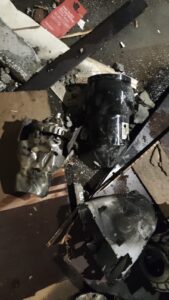
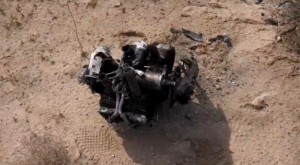
This image shows a screenshot from one of the videos released by the Kuwait Civil Aviation showing a one-way attack (OWA) unmanned aerial vehicle (UAV) striking the Kuwait International Airport. The munition’s distinctive delta-wing configuration and general size, shape, and manner of flight are consistent with the Shahed series of OWA UAVs. The related entry shows a Mado MD550 engine recovered following this strike, a model used to power the Shahed-136 series, enabling a more precise identification. (ARES)