


101–200 of 837
Current Filter
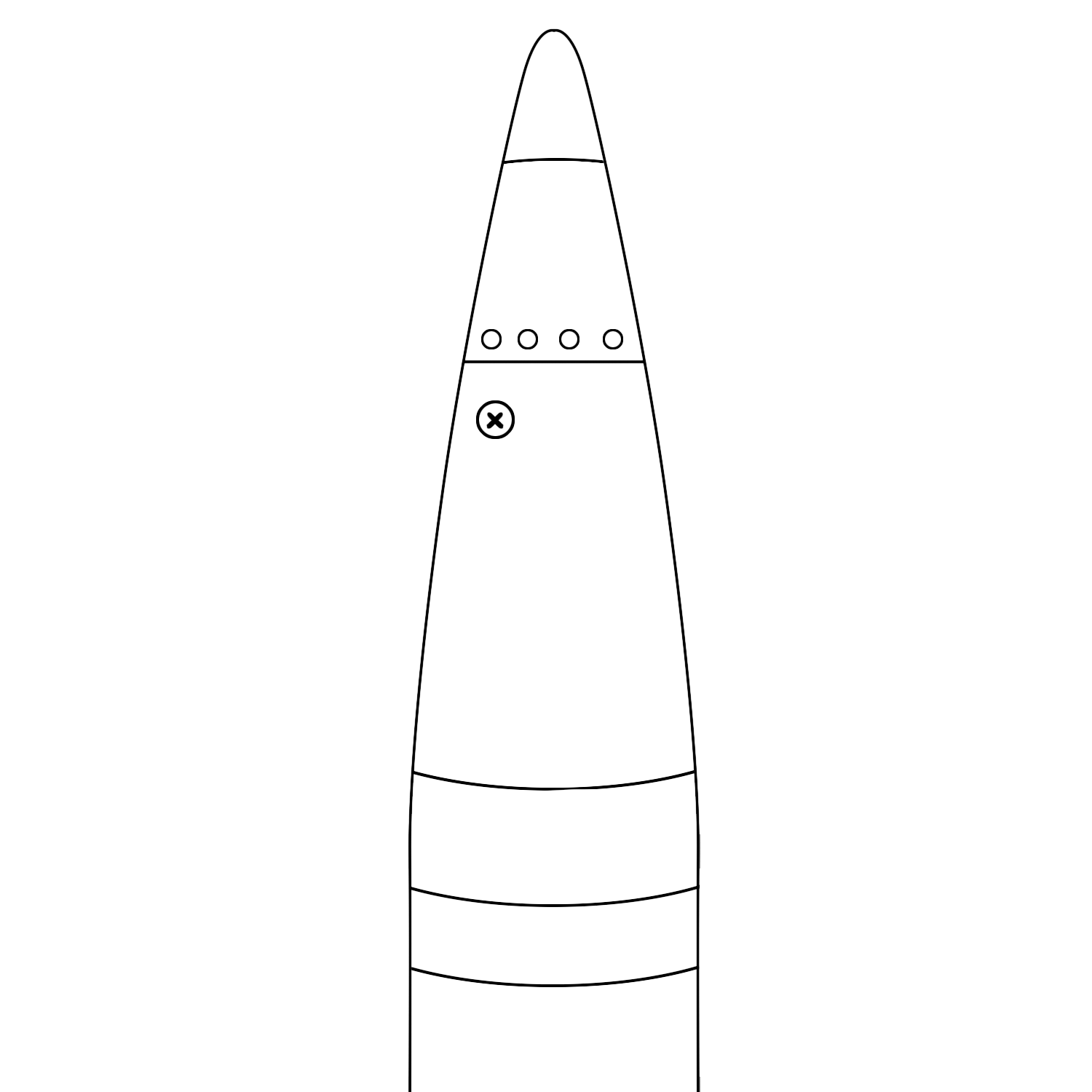
Rivet Holes, Screws, Rivets
Short metal pins or bolts for holding together two plates or pieces of metal. Such rivet holes, typically filled with rivets, are found on multiple types of munition.


Analyst Note
21 April 2026
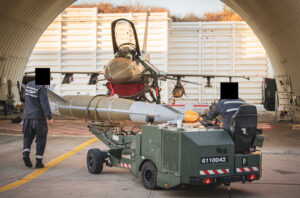
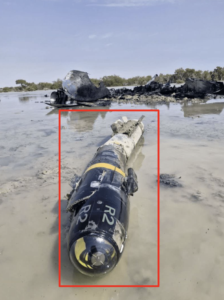
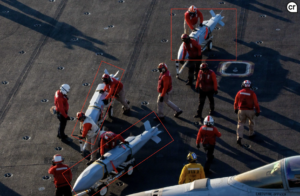
This image shows an AGM-114R2 Hellfire II missile. The AGM-114R2 is an enhanced version of the the AGM-114R multi-role missile, which is designed to engage a wide variety of targets. The Hellfire R-series missile are equipped with a multi-purpose warhead that can engage armoured or unarmoured vehicles on land or sea, as well as personnel in the open or in buildings. Reports indicate that the AGM-114R2 features improvements to its guidance software and tracking to increase accuracy against moving targets, as well as incorporating an adjustable height-of-burst (HOB) capability which allows it to detonate at a pre-determined height above the ground. (ARES)
Analyst Note
21 April 2026
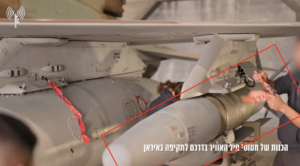
This image depicts what appears to be a WDU-42/B penetrator warhead as used in the AGM-158 JASSM series of missiles. The WDU-42/B is a 1,000-pound-class blast/fragmentation penetrator warhead designed to destroy hardened or reinforced targets. At the rear of the warhead, an FMU-156/B fuze is visible. This fuze is pre-programmed before launch according to the type of intended target. (ARES)

Analyst Note
2 March 2026
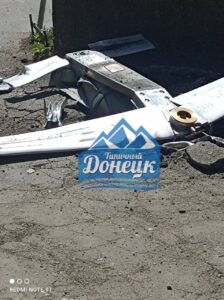
Positive identification of the model of air-delivered bomb to which the UMPK kit is fitted cannot be made from the source imagery. Based on the size of the UMPK and historical use in the area, it is likely an OFAB-250-270 model. (ARES)
Analyst Note
2 March 2026
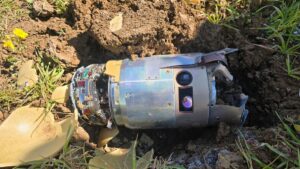
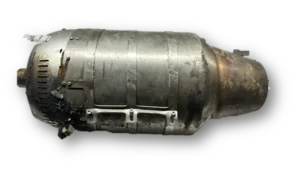
It is reported that this jet engine was recovered from the wreckage of a Geran-5 one-way attack (OWA) UAV. It is most likely a Telefly TF-TJ2000A model, manufactured by Telefly Telecommunications Company in China. It is reported that the TF-TJ2000A engine produces 200 kg of thrust; this is a significant increase in thrust compared to the Telefly JT80 engine used on the Shahed-238 (Geran-3) UAV, which produces approximately 80 kg of thrust. (ARES)
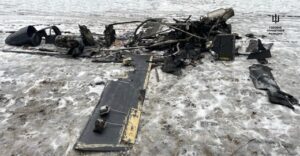
Analyst Note
2 March 2026
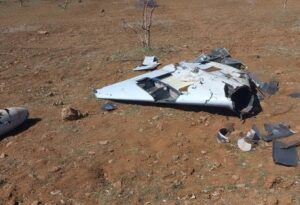
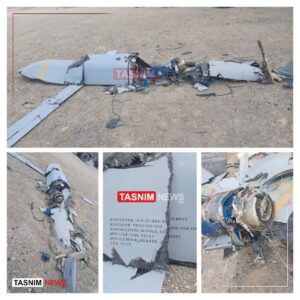
This image shows the remains of a Russian Geran-5 drone. These drones are reported to be roughly 6 meters long and have a wingspan of up to 5.5 meters. They are fitted with a warhead weighing approximately 90 kg and have a range of about 1,000 km. (ARES)

Analyst Note
2 March 2026
The 3OF39 Krasnopol is a laser-guided, rocket-assisted 152 mm tank gun projectile carrying a high explosive fragmentation (HE-FRAG) warhead. The round is built and shipped with a cover over the optical sensor. This protective cover is fitted with a T-90 mechanical time delay fuze. Once fired, the T-90 fuze will initiate after a pre-selected time and will jettison the protective cover, exposing the optical sensor in the nose. The internal impact fuze, which can be set for immediate or delayed initiation, is then responsible for detonating the projectile. (ARES)
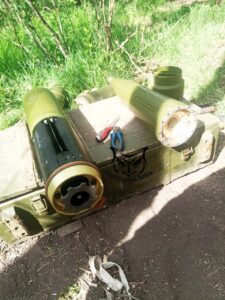
Analyst Note
15 January 2026
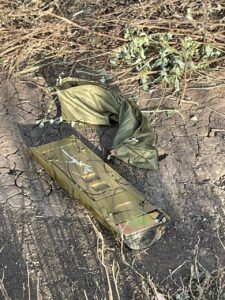
3OF39 Krasnopol rounds are shipped in two parts as seen in this image. They are then assembled prior to employment. (ARES)
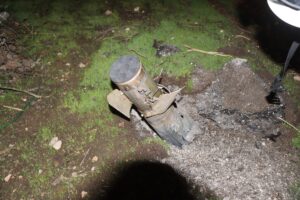
Analyst Note
2 March 2026
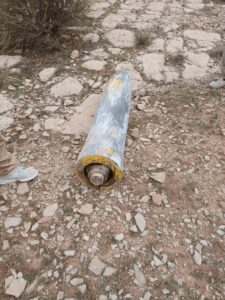
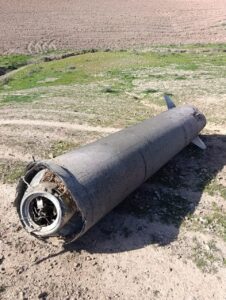
Considered with additional contextual materials, it is assessed that this image shows the rocket motor section from a 122 mm incendiary rocket, specifically the 9M22S or 9M28S models. Both rockets carry the same warhead, but use rocket motors of different lengths; not enough of this motor is visible to positively identify the model. (ARES)
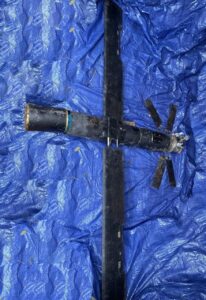
Analyst Note
15 August 2026
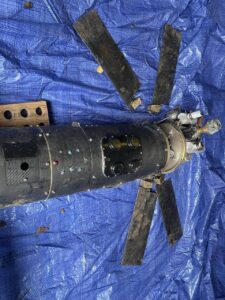
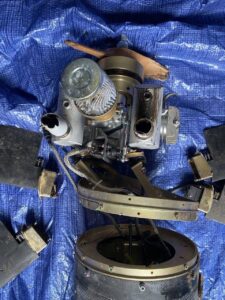
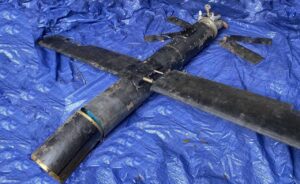
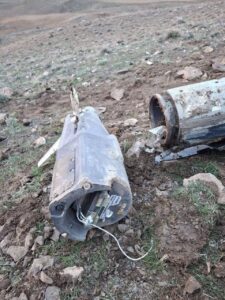
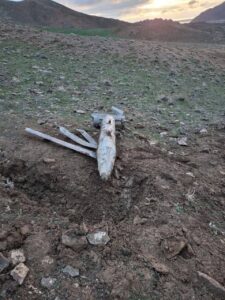
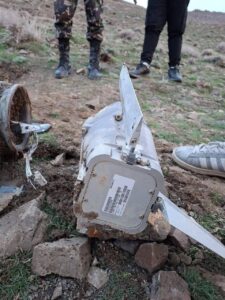
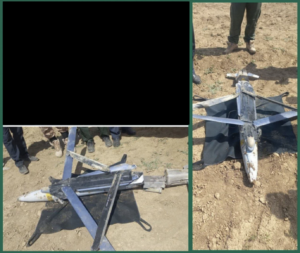
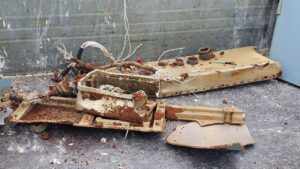
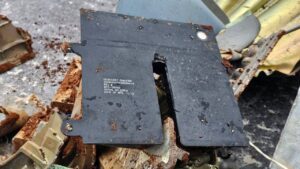
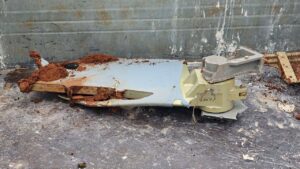
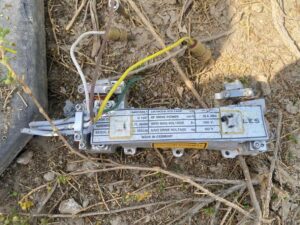
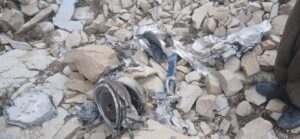
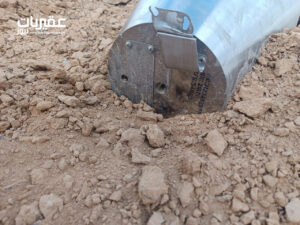
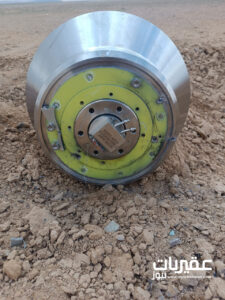
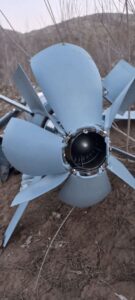
These images show a relatively intact GBU-39/B air-delivered bomb, with the distinctive Diamond Back Wing Assembly still mounted to the bomb body. Whilst the source claims that the U.S. feared this bomb would be exploited for its technology, the GBU-39/B has been in widespread use since its introduction in 2006, including in Gaza, Lebanon, Syria and Yemen. Similar glide bombs have been designed and produced by other nations. (ARES)







Analyst Note
27 April 2026
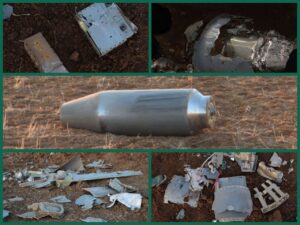
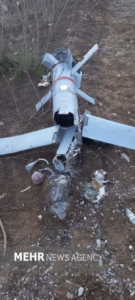
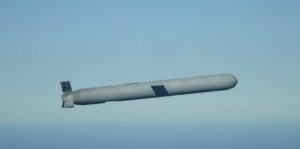
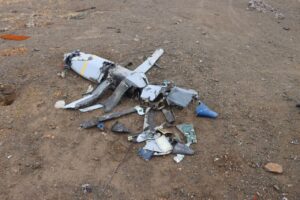
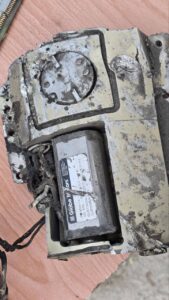
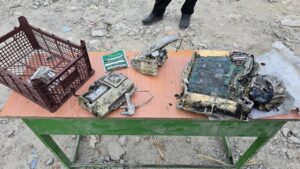
This image shows a DC motor from a Tomahawk missile, manufactured by Globe Motors of Dayton, Ohio, in the United States (part # 471A118 and serial # 7250). Globe Motors was acquired by Allied Motion in August 2013, and has since been renamed Allied Motion at Dayton. This DC motor is used as an actuator to assist in steering the Tomahawk to its target based upon input from the aviation section in the forward body assembly. Such motors often survive detonation and can serve as diagnostic remnants. (ARES)
Analyst Note
11 March 2026
Components matching those seen here have been documented at other sites associated with the detonation of RGM-/UGM-109 Tomahawk cruise missiles. See, for example, OSMP 1199, 1218, 1191, 1193, and 1444. (ARES)
Analyst Note
4 March 2026
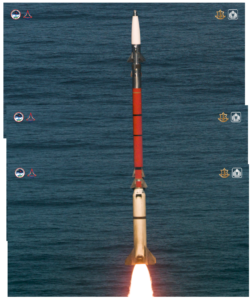
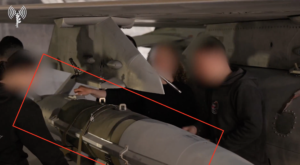
This image is a composite assembled from several screen captures taken from an IDF video. Due to camera movement and other factors, there may be some minor misalignment. (ARES)
Analyst Note
7 March 2026
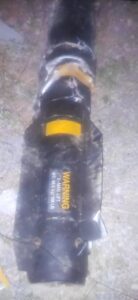
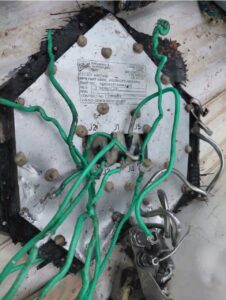
The component shown in this image is a GPS antenna for the AGM-158 Joint Air-to-Surface Standoff Missile (JASSM). It is marked to indicate its manufacturer (“Ball Aerospace & Technologies Corp.”; now operating as BAE Systems’ Space & Mission Systems division) and with other key information, including a part number and contract number. (ARES)
Analyst Note
5 March 2026
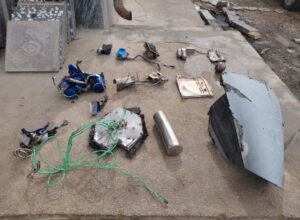
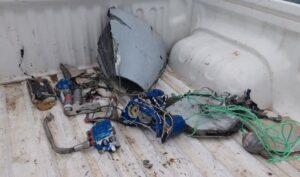
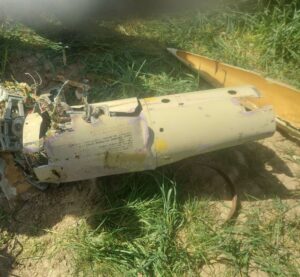
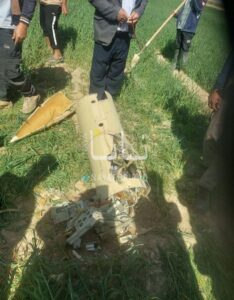
The munition remnant pictured here is marked with a Federal Stock Number (FSN; predecessor to the National Stock Number, or NSN, found on more modern munitions) that indicates it is part of a MIM-23B Improved HAWK surface-to-air missile. Other details, including the manufacturer (“Raytheon Company”), are also visible. The FSN was replaced by the NSN in 1974, indicating that this munition must have been manufactured before that time. This is consistent with the recorded U.S. export of the MIM-23B to Iran in 1972. (ARES)
Analyst Note
5 March 2026
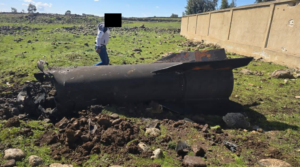
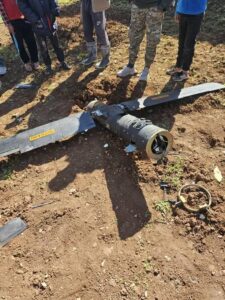
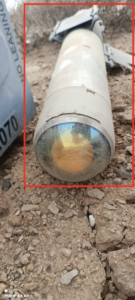
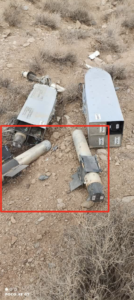
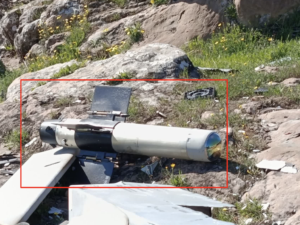
This image shows remnants from a MIM-23 Homing All the Way Killer (HAWK) surface-to-air missile. U.S. government documents show that MIM-23B Improved HAWK systems were exported to Iran in 1972. Iran has since manufactured a reverse-engineered version of the system. (ARES)
Analyst Note
4 March 2026
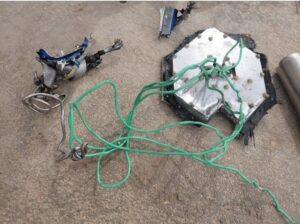
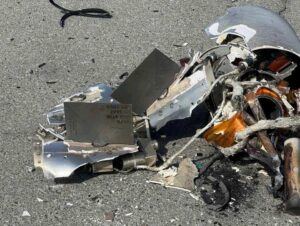
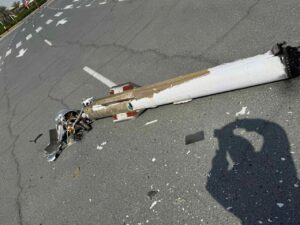
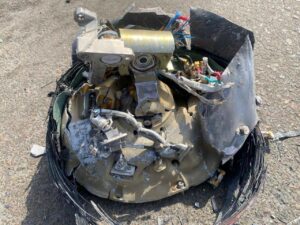
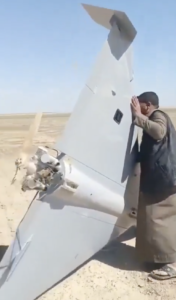
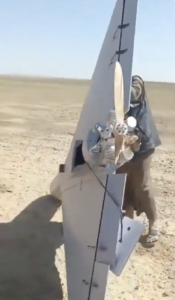
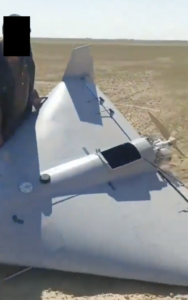
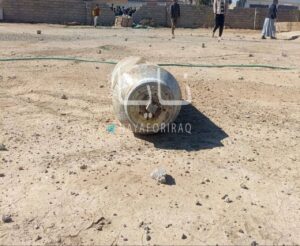
This image shows a Low-Cost Unmanned Combat Attack System (LUCAS). The LUCAS one-way attack UAV is a U.S.-made, cost-effective ‘kamikaze drone’. LUCAS munitions can connect to one another via a mesh network, allowing multiple LUCAS drones to communicate in flight. The white square object connected to the munition by a cable appears to be a Starlink antenna, consistent with reported communication capabilities. Elon Musk has claimed that LUCAS operates only via Starshield, a Starlink-derived satellite network intended for government use. (ARES)
Analyst Note
2 March 2026
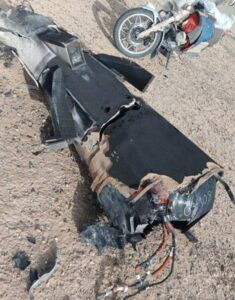
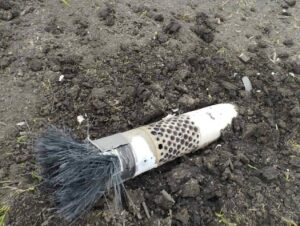
This image shows the remains of the attitude control section of either a PAC-3 CRI or PAC-3 MSE missile. This section contains the attitude control motors, used in combination with control fins to guide and adjust the missiles on its way to the target. It is difficult to determine which of the two models this wreckage belongs to due the similarities of this section in both missiles and the absence of other distinctive components. (ARES)

Analyst Note
2 March 2026
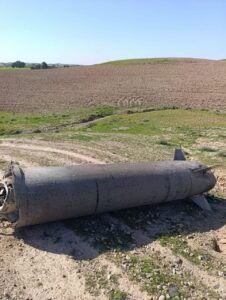
This image shows the remnants of a PAC-3 Cost Reduction Initiative (CRI) missile. The PAC-3 family of missiles are hit-to-kill interceptors that defend against incoming ballistic missiles, cruise missiles, aircraft, and other targets primarily by using kinetic impact. However, it is important to note that these missiles contain a high explosive fragmentation (HE-FRAG) “lethality enhancer” warhead. These warheads are much smaller than what would normally be expected on a surface-to-air missile of this size, but still present a hazard if it fails to function as designed. (ARES)
Analyst Note
2 March 2026
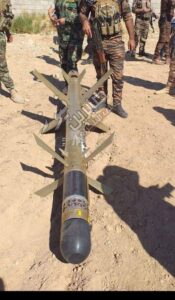
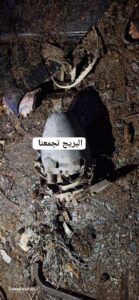
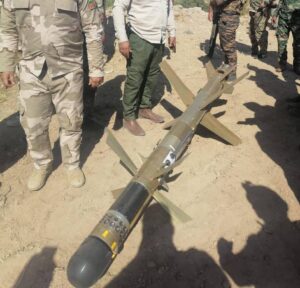
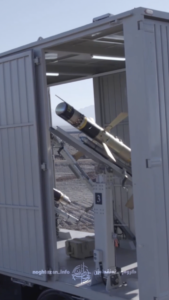
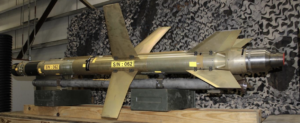
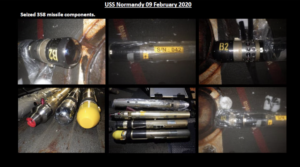
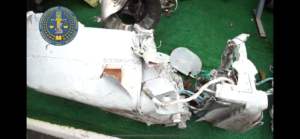
The Iranian 358 surface-to-air missile is reportedly a ‘loitering munition’, designed for engaging drones and rotary-wing aircraft. It employs a combination of ground-based and onboard thermal cameras to scan a designated area, and then uses an infrared imaging seeker in the nose to locate and lock onto targets. The missile carries a 10 kg fragmentation warhead, which is functioned by a 360-degree laser proximity sensor. (ARES)




Analyst Note
27 April 2026
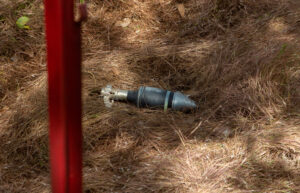
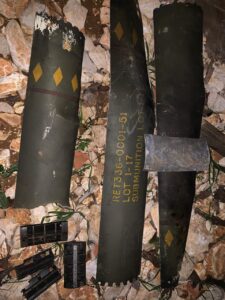
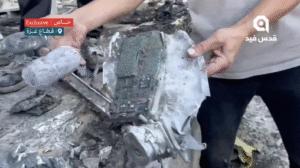
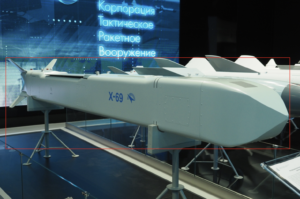
Shown is the Russian Kh-69 (marked in Cyrillic: “Х-69”) cruise missile which was debuted at a Russian arms show in August 2022, and entered into active military service the following year. The Kh-69 was reportedly first used in combat in February 2024, engaging Ukrainian targets. The more compact design when compared with previous Russian missiles results in a smaller radar signature, which is further reduced by the trapezoidal form factor. The Kh-69 is classed by the Russian military as a ‘stealth cruise missile’ and carries either a penetrator or cluster (submunitions) warhead. (ARES)