


1–100 of 837
Current Filter
Rivet Holes, Screws, Rivets
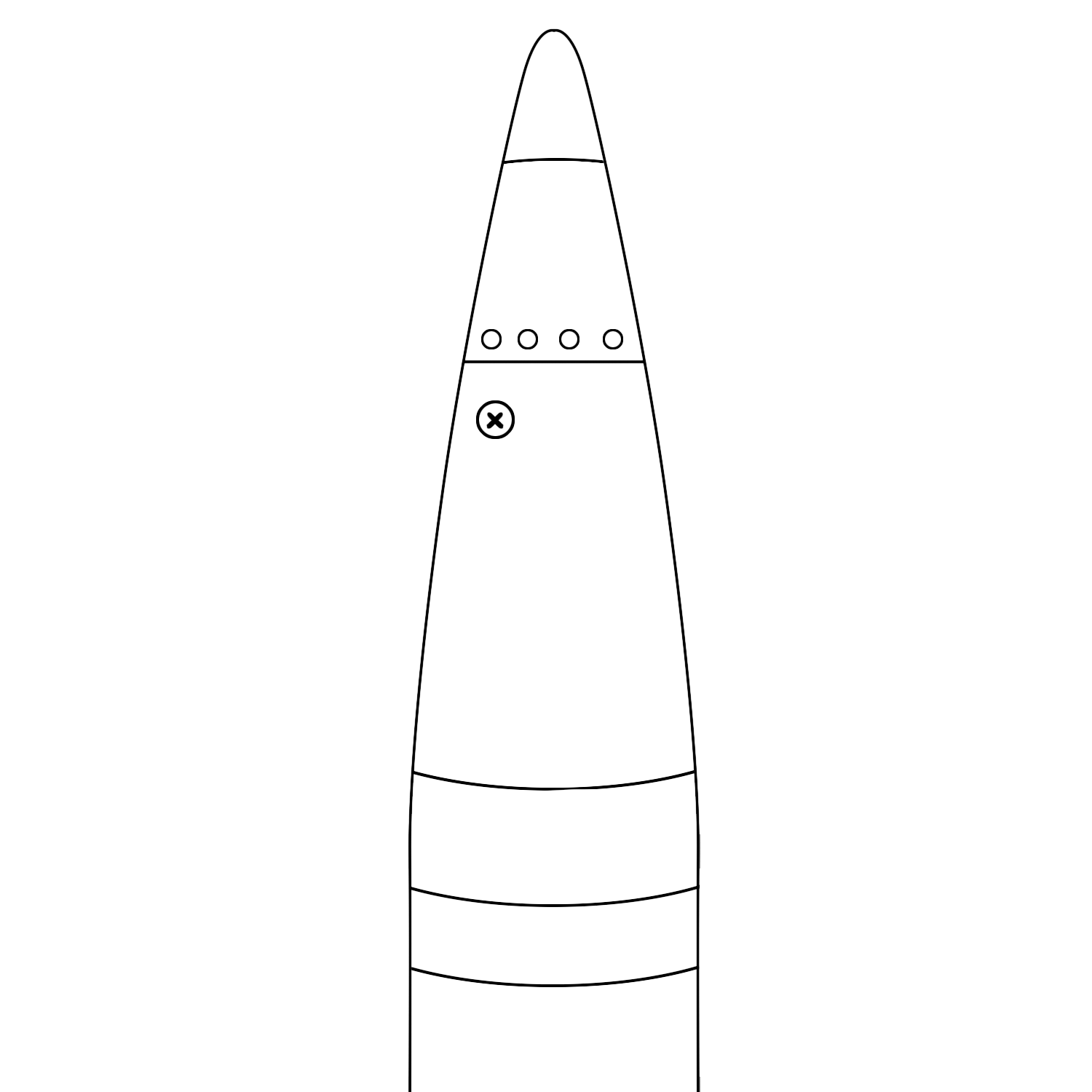
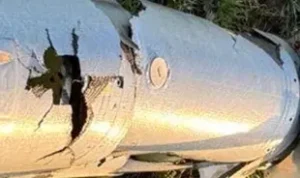
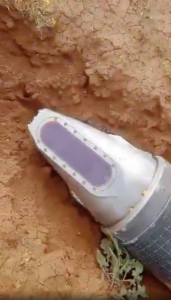
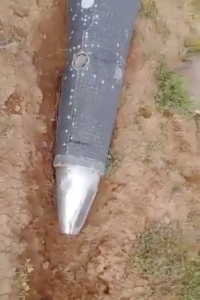
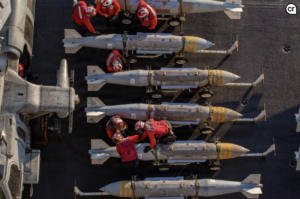
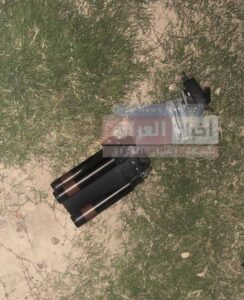
Short metal pins or bolts for holding together two plates or pieces of metal. Such rivet holes, typically filled with rivets, are found on multiple types of munition.
Analyst Note
15 August 2026
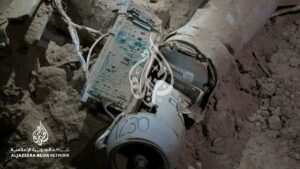
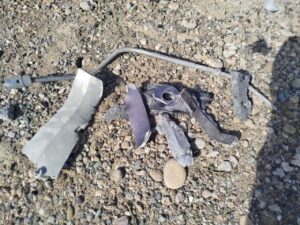
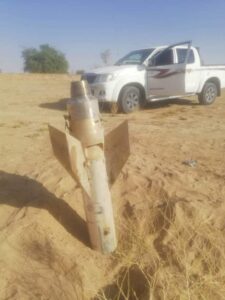
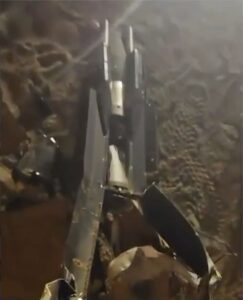
This image shows an AGM-114 series missile; however, it is not possible to definitively identify the variant. While the missile does appear to share some components with the AGM-114K/2, it is definitively not of this model. It is possible that this is a little-known variant designed for a specific end user. (ARES)
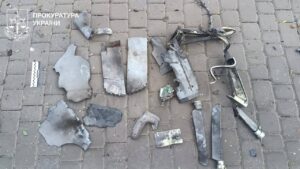

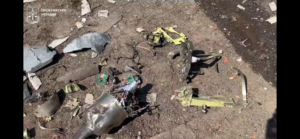

Analyst Note
15 August 2026
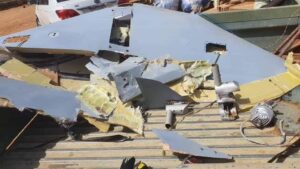
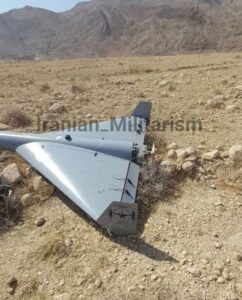
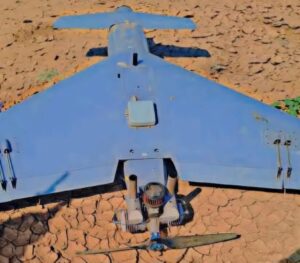
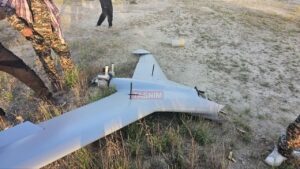
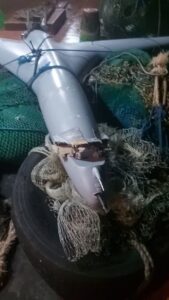
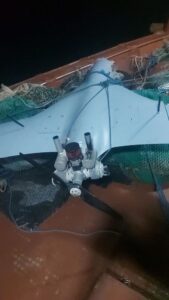
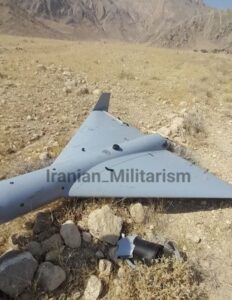
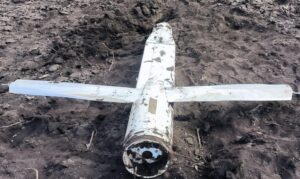
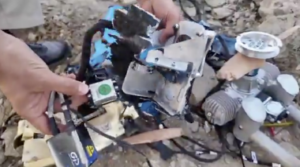
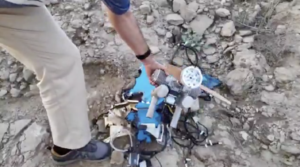
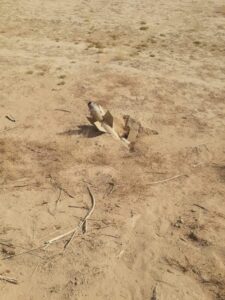
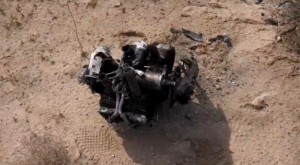
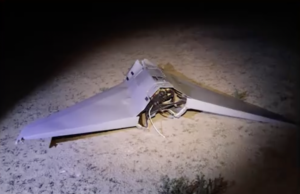
This image shows a downed Low-cost Uncrewed Combat Attack System (LUCAS) one-way attack (OWA) unmanned aerial vehicle (UAV). Unlike LUCAS UAVs see previously, this example does not have a Starshield GPS Antenna prominently visible forward of the engines, indicating that this LUCAS has been constructed differently to previous examples. (ARES)
Analyst Note
15 August 2026
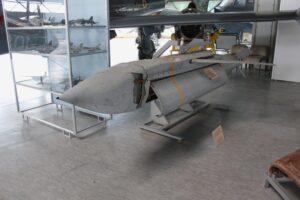
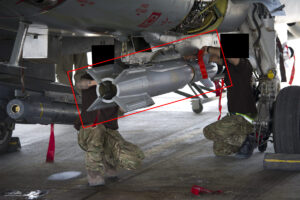
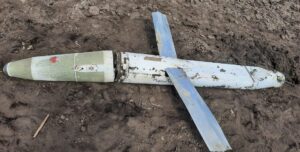
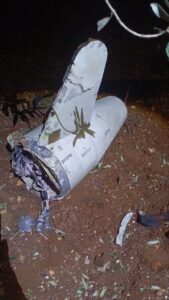
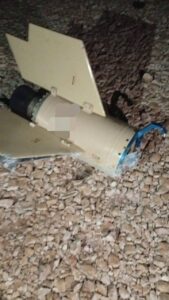
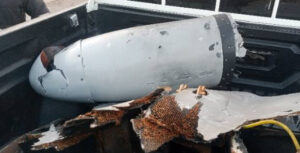
This image shows a functioned AGM-154A Joint Standoff Weapon (JSOW) air-to-surface missile. Upon functioning, a flexible linear shaped charge (FLSC) is used to cut open the munition body, dispensing 145 BLU-97B/B submunitions. The clean-cut edges visible on the bottom hanging section of the JSOW are the hallmark of the functioning of the FLSC. (ARES)
Analyst Note
23 July 2026
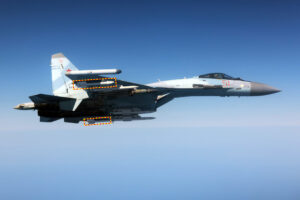
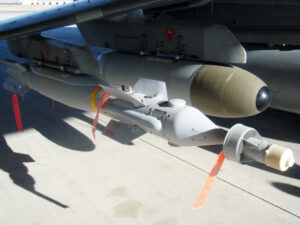
This photo shows a Russian Air Force Su-35 (RF-81718), which, alongside another Russian aircraft, intercepted a UK Royal Air Force aircraft in international airspace over the Black Sea. This image, published by the Royal Air Force, provides an opportunity to view a ‘live’ Su-35 load-out in detail. (ARES)
Analyst Note
23 July 2026
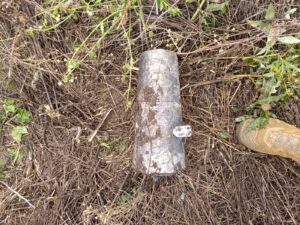
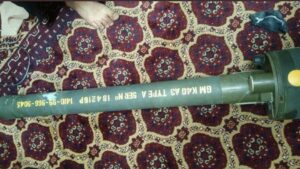
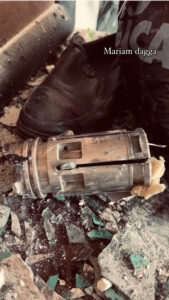
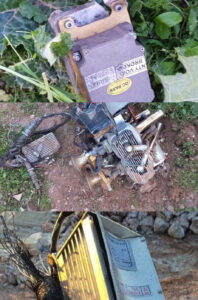
This image shows the transport and launch container of a British surface-to-air missile from the Blowpipe/Javelin/Starburst family. (The container’s larger diameter, which houses the fins, can be partially seen.) The Blowpipe family of man-portable air defence systems (MANPADS) use a separate acquisition package that clips onto the missile launcher, reducing the weight and complexity of the missile itself. Various models incorporate different blast/fragmentation and shaped-charge warheads. The National Stock Number (NSN), 1410-99-966-9045, identifies the U.K. as the country of origin (“99”). (ARES)
Analyst Note
15 August 2026
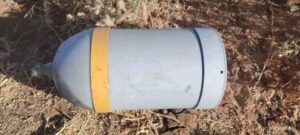
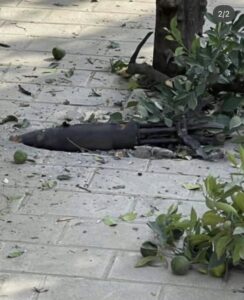
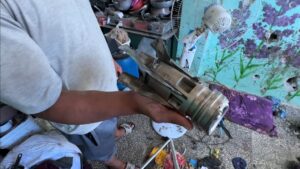
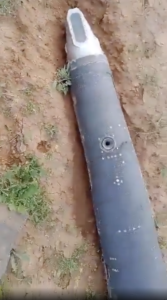
The fuze installed in this Modamer warhead appears to be the Serbian UT M18, which is commonly installed in the “120mm TB” thermobaric air-delivered bomb. The 120mm TB resembles a mortar projectile (see OSMP 1803 & 1812), but is commonly dropped from UAVs. Both the 120mm TB and the UT M18 fuze are known to have been purchased by the armed forces of the UAE, and shipments marked for delivery to the UAE have been documented in Sudan. (ARES)

Analyst Note
22 August 2026
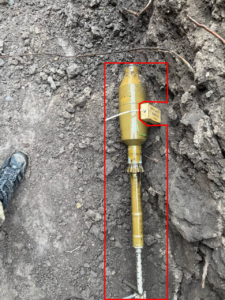
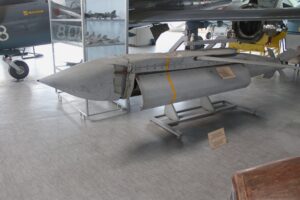
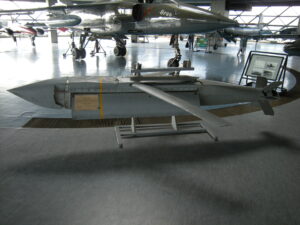
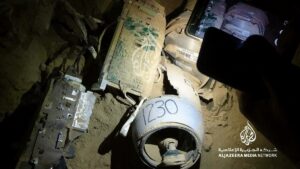
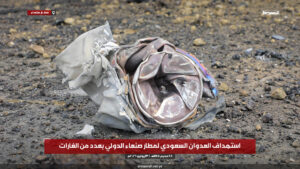
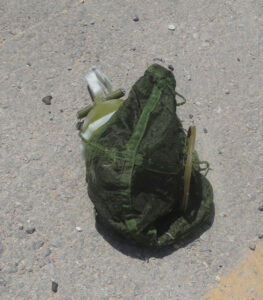
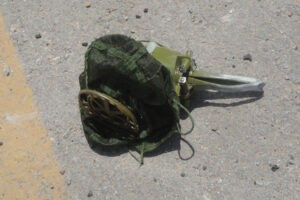
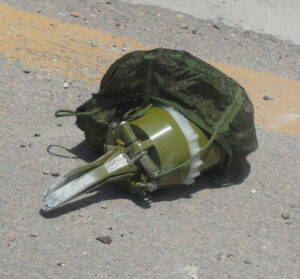
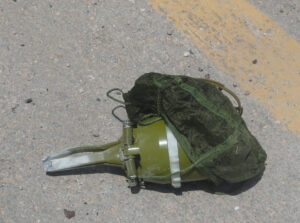
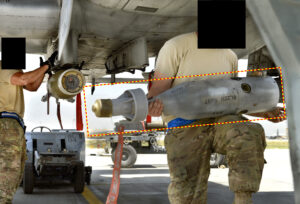
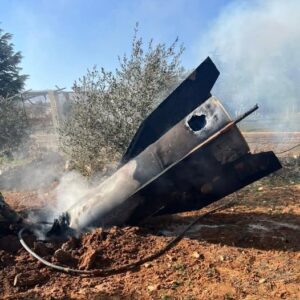
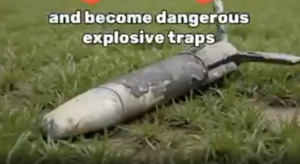
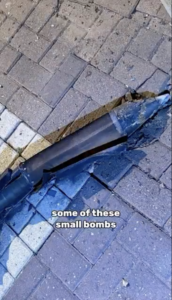
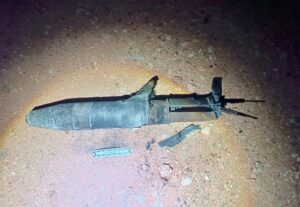
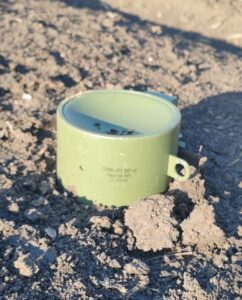
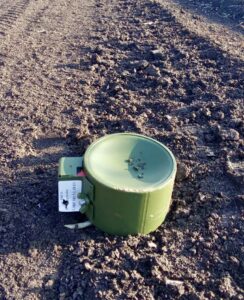
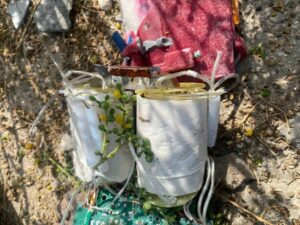
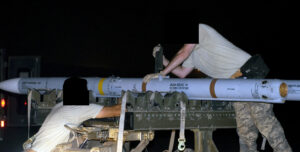
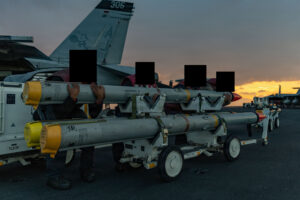
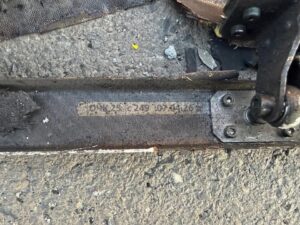
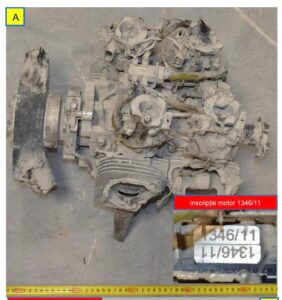
The German DM 1399 (AT2) anti-tank landmine shown here can be dispensed from rockets and ground vehicles. Upon being dispensed, a small parachute is deployed in order to slow the mine’s descent and assist in in landing base down; the parachute is released upon impact by an impact-release connector. Upon impact, from five to 12 (six shown) spring-loaded, metal legs deploy to right the mine; arming is completed anywhere from 15 seconds to five minutes thereafter. The base of the cylindrical body houses the battery and electronics assembly, with the main explosive charge and Misnay–Schardin shaped charge plate immediately above. The body is topped by a dome cover and an S3 sensor wire which extends approximately 600 mm (12 in) above the body of the mine. (ARES)
Analyst Note
2 March 2026
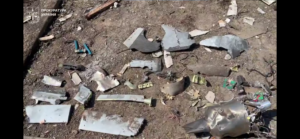
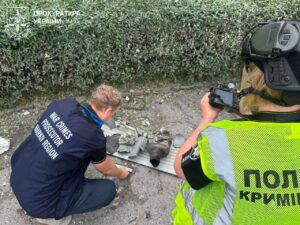
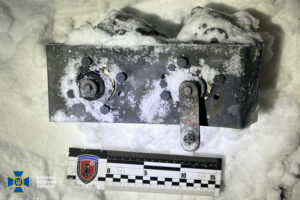
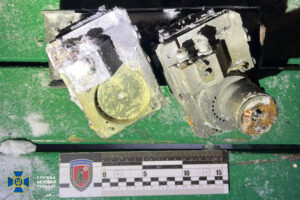
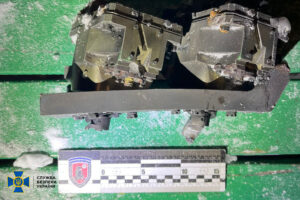
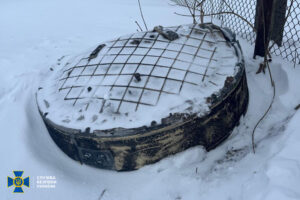
The remnants shown in this image (and in linked OSMP entries) are reported by the Ukrainian government to be from the Russian ‘Oreshnik’ missile. Available information on this munition is very limited at the time of writing. It is reported that the Oreshnik can carry either a nuclear or conventional payload. The Oreshnik is likely capable of carrying up to 6 independently targetable reentry vehicles (MIRVs). It is unclear how many warheads can be carried in each re-entry vehicle. In the case of this strike, there is insufficient imagery to make a determination on which warhead/MIRV was used. (ARES)
Analyst Note
2 March 2026
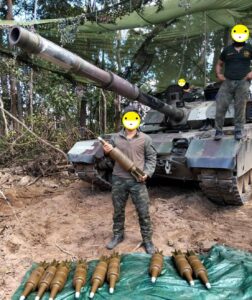
The tank visible in the background of the image appears to be a Chinese VT-4 (MBT-3000) model. The VT-4 is manufactured by Norinco and is intended primarily for export. (ARES)

Analyst Note
27 April 2026
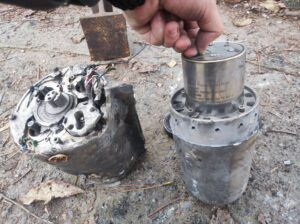
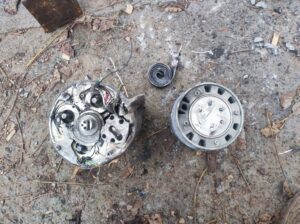
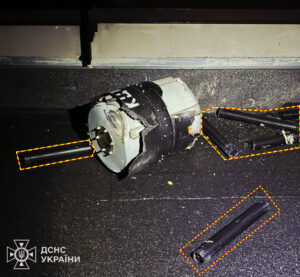
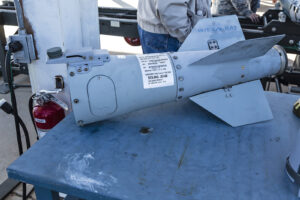
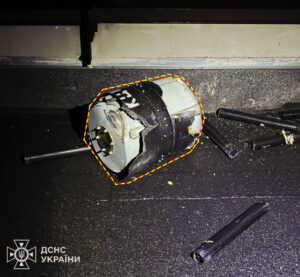
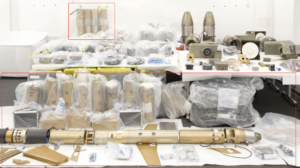
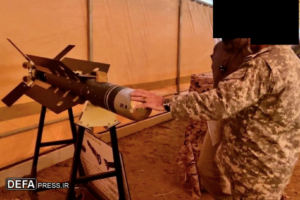
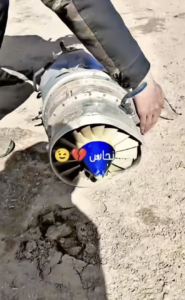
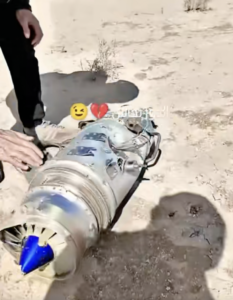
The component pictured here is a small turbofan engine from a Tomahawk missile. Missiles are vertically launched from the Typhon Missile System (named for a monster of Greek mythology), which is also capable of launching the Standard SM-6 guided missile. The Tomahawk missile is ejected from its launch tube under gas pressure, then the solid propellant of the booster motor section (Mk 135 booster produced by L3Harris) propels the missile until the turbofan engine (F107-WR-402 for Block III/IV or F415 for Block IV/V, both produced by Williams International) in the propulsion section is initiated and the booster motor section drops away. The propulsion section also supports the four tail fins, which are released by the two-piece continuity shroud upon launch. (ARES)