



1–100 of 103
Current Filter
Iran
A large Farsi-speaking country in the Middle East which has seen a number of conflicts in recent decades. Following the 1979 revolution, Iran became an Islamic republic. Since then Iran has militarily supported various allies and proxies across the region, including Hezbollah in Lebanon. In 2025 the country fought a twelve-day war with Israel, with Iran's nuclear and ballistic missile programs heavily damaged - as well as the first large-scale American strikes inside Iran.



Analyst Note:
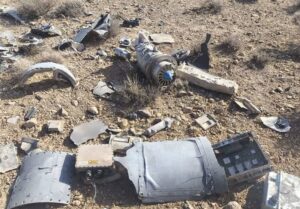
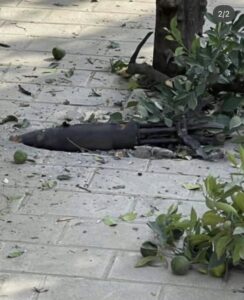
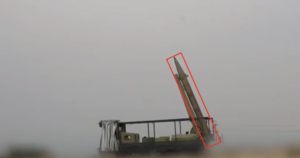
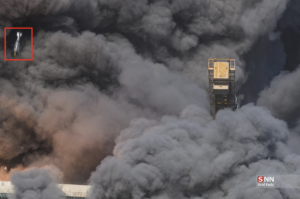
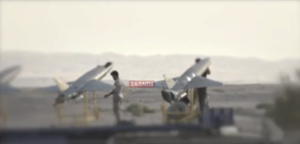
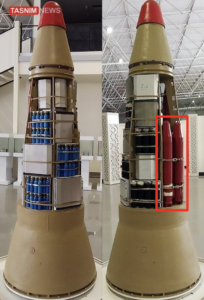
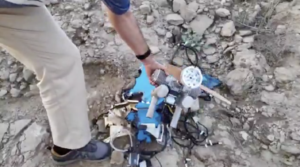
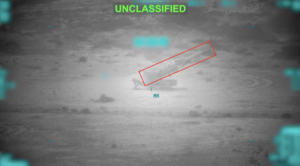
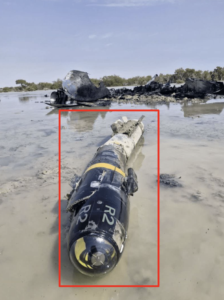
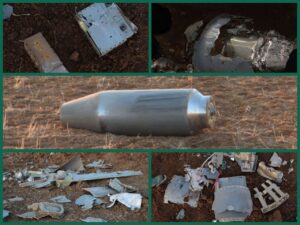
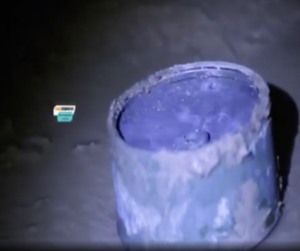
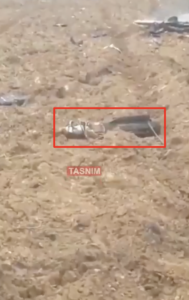
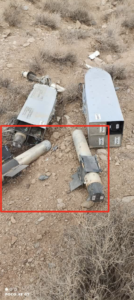
This image shows the ‘manoeuvrable re-entry vehicle’ (MaRV; a detachable, steerable payload section) of an Iranian ballistic missile loaded with submunitions. It appears there are three different models of submunition loaded into the MaRV (black, blue, and red). The black and blue submunitions are most likely anti-personnel designs, whilst the red submunitions (indicated by a red box) are likely designed with penetrating or shaped-charge warheads to target vehicles or structures. Some submunitions may utilise time-delay fuzing, allowing for random detonations over several hours or days to hamper clearance efforts, denying use of the afflicted area. Reports have shown Iran has used ballistic missiles with mixed submunition loads, and suggest that this type of warhead can scatter its payload up to a radius of 8 km. (ARES)
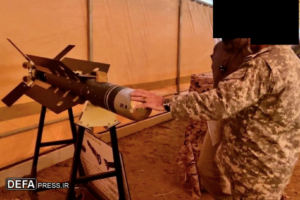
Analyst Note:
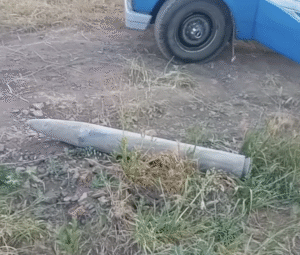
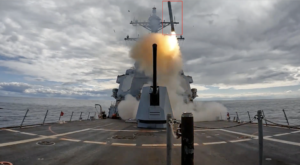
This image shows an AGM-114R2 Hellfire II missile. The AGM-114R2 is an enhanced version of the the AGM-114R multi-role missile, which is designed to engage a wide variety of targets. The Hellfire R-series missile are equipped with a multi-purpose warhead that can engage armoured or unarmoured vehicles on land or sea, as well as personnel in the open or in buildings. Reports indicate that the AGM-114R2 features improvements to its guidance software and tracking to increase accuracy against moving targets, as well as incorporating an adjustable height-of-burst (HOB) capability which allows it to detonate at a pre-determined height above the ground. (ARES)
Analyst Note:
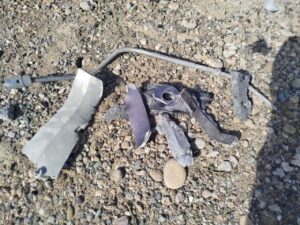
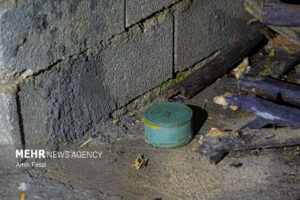
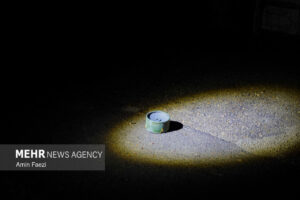
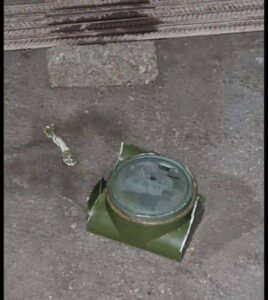
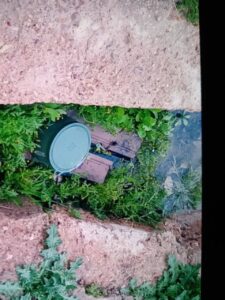
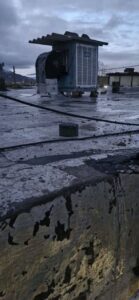
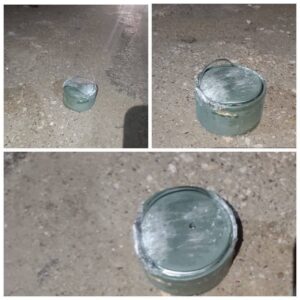
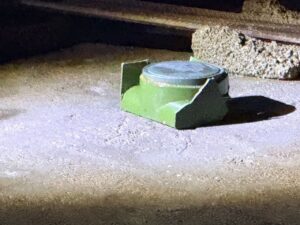
A BLU-91/B GATOR anti-vehicle landmine is seen in this image, with the remains of an aeroballistic adaptor visible. BLU-91/B mines can be deployed from cluster bombs or from vehicle-mounted dispensers, however the presence of the square aeroballistic adaptor here indicates that this example was deployed from an air-delivered cluster bomb. (ARES)
Analyst Note:
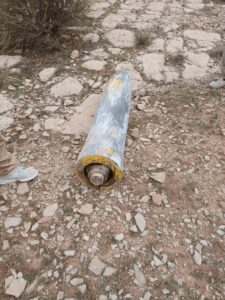
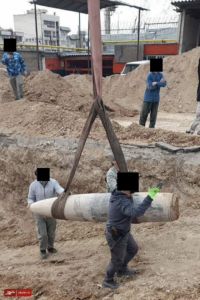
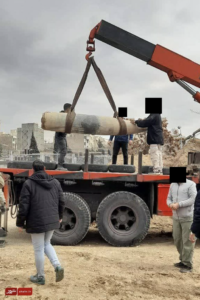
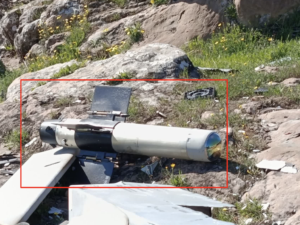
This image depicts what appears to be a WDU-42/B penetrator warhead as used in the AGM-158 JASSM series of missiles. The WDU-42/B is a 1,000-pound-class blast/fragmentation penetrator warhead designed to destroy hardened or reinforced targets. At the rear of the warhead, an FMU-156/B fuze is visible. This fuze is pre-programmed before launch according to the type of intended target. (ARES)
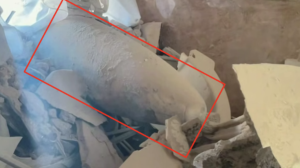
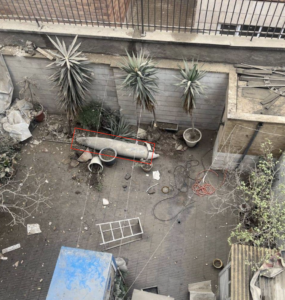
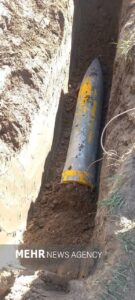
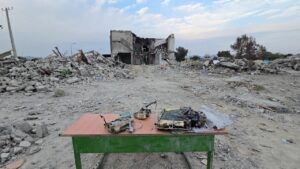
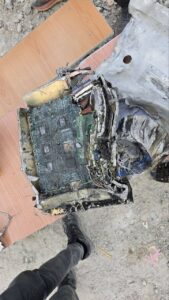
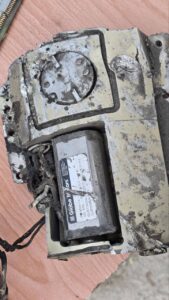
Analyst Note:
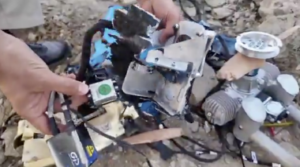
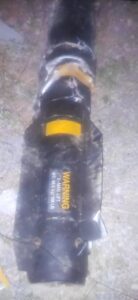
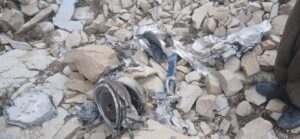
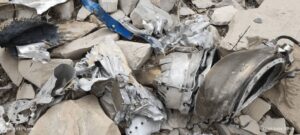
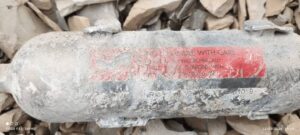
This image shows a DC motor from a Tomahawk missile, manufactured by Globe Motors of Dayton, Ohio, in the United States (part # 471A118 and serial # 7250). Globe Motors was acquired by Allied Motion in August 2013, and has since been renamed Allied Motion at Dayton. This DC motor is used as an actuator to assist in steering the Tomahawk to its target based upon input from the aviation section in the forward body assembly. Such motors often survive detonation and can serve as diagnostic remnants. (ARES)
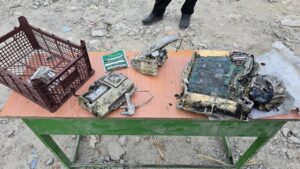
Analyst Note:
Components matching those seen here have been documented at other sites associated with the detonation of RGM-/UGM-109 Tomahawk cruise missiles. See, for example, OSMP 1199, 1218, 1191, 1193, and 1444. (ARES)
Analyst Note:
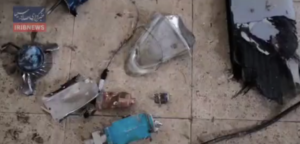
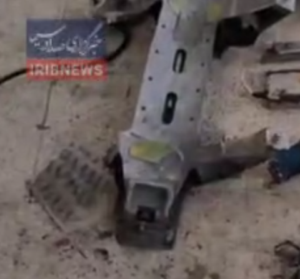
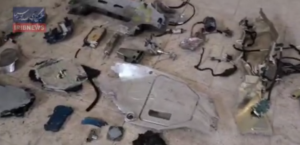
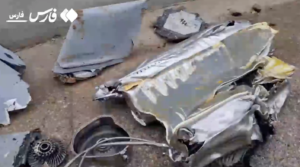
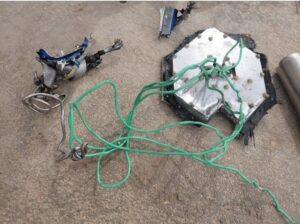
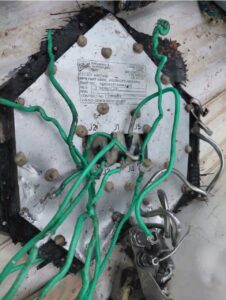
The component shown in this image is a GPS antenna for the AGM-158 Joint Air-to-Surface Standoff Missile (JASSM). It is marked to indicate its manufacturer (“Ball Aerospace & Technologies Corp.”; now operating as BAE Systems’ Space & Mission Systems division) and with other key information, including a part number and contract number. (ARES)
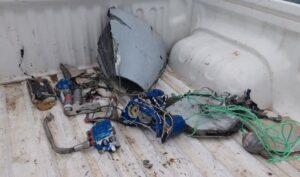
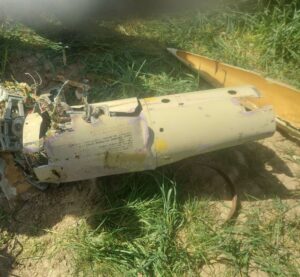
Analyst Note:
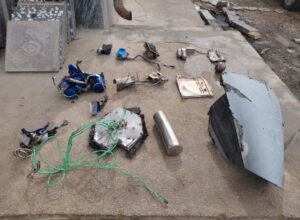
The munition remnant pictured here is marked with a Federal Stock Number (FSN; predecessor to the National Stock Number, or NSN, found on more modern munitions) that indicates it is part of a MIM-23B Improved HAWK surface-to-air missile. Other details, including the manufacturer (“Raytheon Company”), are also visible. The FSN was replaced by the NSN in 1974, indicating that this munition must have been manufactured before that time. This is consistent with the recorded U.S. export of the MIM-23B to Iran in 1972. (ARES)
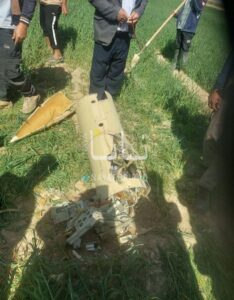
Analyst Note:
This image shows remnants from a MIM-23 Homing All the Way Killer (HAWK) surface-to-air missile. U.S. government documents show that MIM-23B Improved HAWK systems were exported to Iran in 1972. Iran has since manufactured a reverse-engineered version of the system. (ARES)
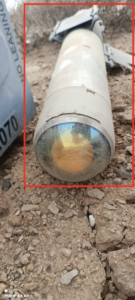
Collection
The Iran War 2026
Verified munition images from all parties to the regional conflict sparked by U.S. and Israeli strikes on 28 February, 2026

Collection
Ірансько-ізраїльський конфлікт. Червень 2025 року
Десятки перевірених зображень боєприпасів, використаних Іраном та Ізраїлем під час конфлікту між Ізраїлем та Іраном у червні 2025 року

Analyst Note:
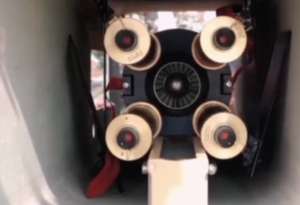
This image provides a close-up view of the bottom of the MK 136 Third Stage Rocket Motor section from a RIM-161 Standard Missile 3 (SM-3) Blk I guided missile. The integral warm gas/cold gas attitude control system, including its four venturis, is visible. (ARES)
Analyst Note:
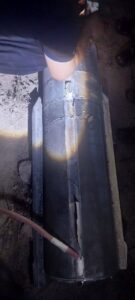
This image shows the MK 136 Third Stage Rocket Motor of a U.S. RIM-161 Standard Missile 3 (SM-3) Blk I interceptor missile. The SM-3 Blk I variants share the same propulsion sections, but have differences in the kill vehicle section. The SM-3 Blk II variants are substantially different, including new, larger-diameter propulsion sections. SM-3 missiles have a booster, dual-thrust rocket motor, third-stage rocket motor, and an altitude control section in the kill vehicle. (ARES)
Analyst Note:
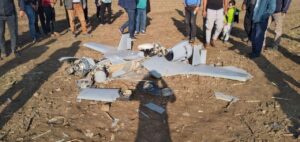
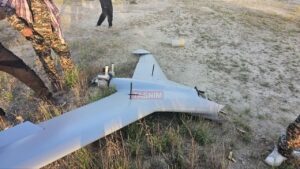
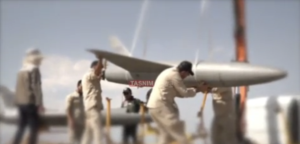
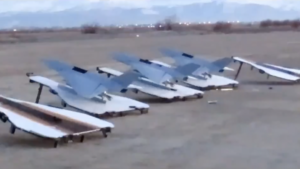
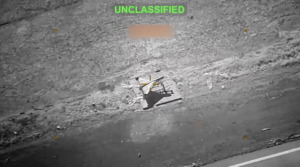
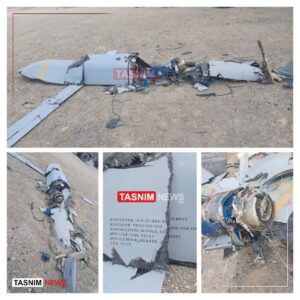
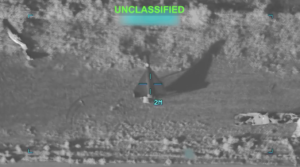
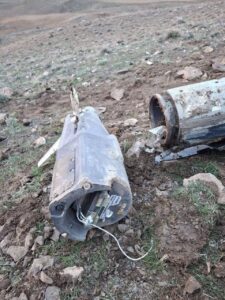
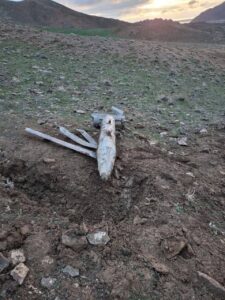
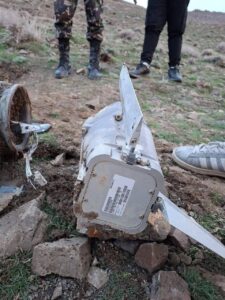
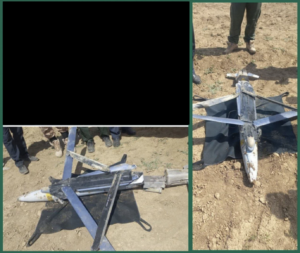
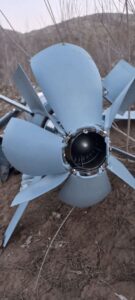
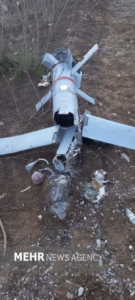
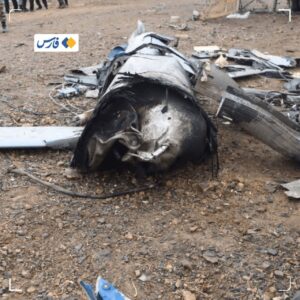
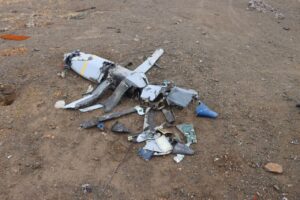
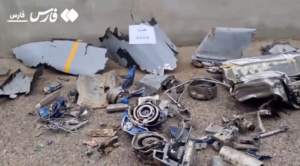
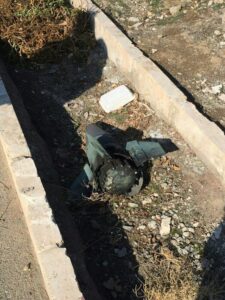
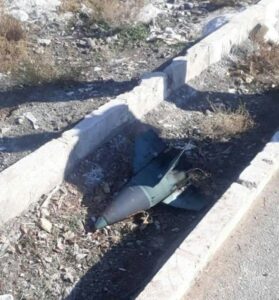
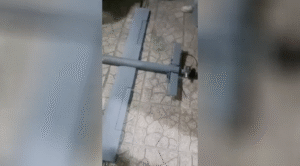
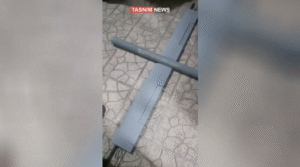
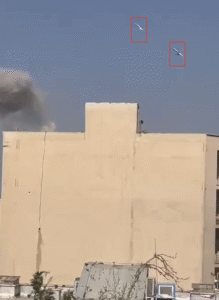
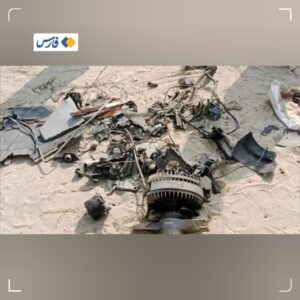
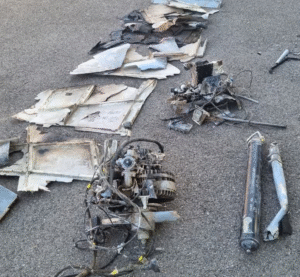
This still taken from a video released by Iranian state media, shows a one-way-attack UAV purportedly manufactured by Israeli forces operating inside Iran. This UAV was found alongside manufacturing equipment, and additional UAV components, strongly suggesting that it was manufactured or assembled inside Iranian borders. (ARES)
Collection
Iran-Israel conflict June 2025
Dozens of verified images of munitions used by Iran and Israel during the June 2025 Israel-Iran conflict
Analyst Note:
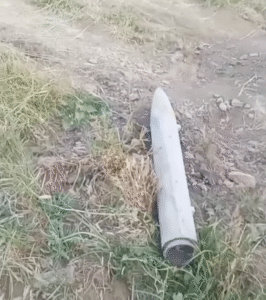
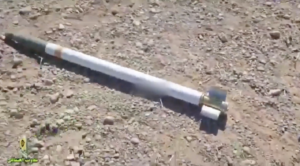
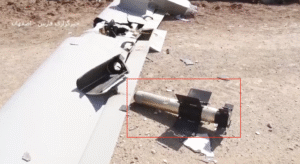
This image shows a Mikholit that was ejected from the weapons pod of an Israeli Hermes 900 drone that was downed in Iran. This Hermes 900 drone had two weapons pod, each capable of carrying 4 Mikholit bombs. (ARES)