



401–500 of 1,037
Current Filter
Unfunctioned Munition
The munition has not operated and the intended effect has not occurred.
Analyst Note
5 October 2025
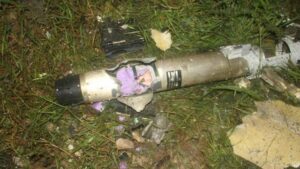
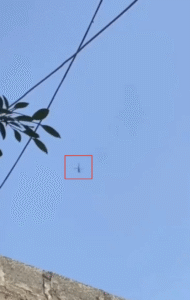
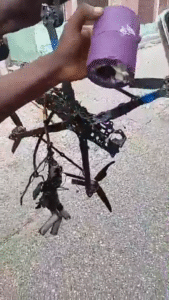
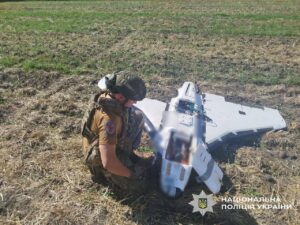
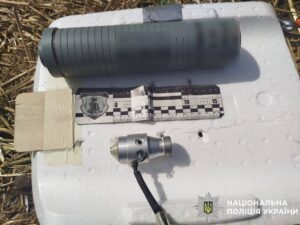
The image shows a one-way-attack (OWA) UAV that appears to have crashed, but failed to function. It consists of an FPV chassis, as well as some of the essential components required for flight and the explosive charge (purple container). The initiator and other parts relevant to both flight and the munition’s function are not visible. This appears to be craft-produced ‘sacrificial’ UAV. (ARES)


Analyst Note
15 September 2025
This image shows the three lenses that form the new version of the Kh-101 Digital Scene Matching Area Correlator (DSMAC) system. (The older version only had a single lens.) DSMAC systems take digital images of the ground as the missile passes overhead, and then compare those images to pre-captured images stored in the onboard memory. The DSMAC corrects the flight path as needed based on differences between the two sets of images. (ARES)


Analyst Note
15 September 2025
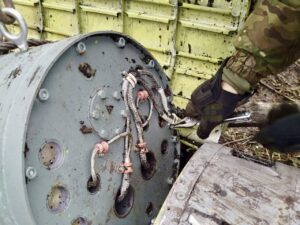
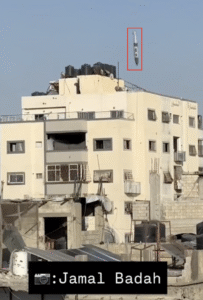
This image shows the second warhead present in some variants of the Kh-101 cruise missile. The inclusion of this additional warhead requires a smaller fuel tank in the missile, offering increased explosive weight in exchange for a reduced maximum range. (ARES)
Analyst Note
15 September 2025
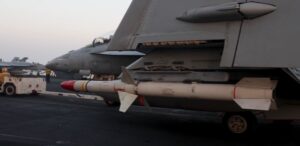
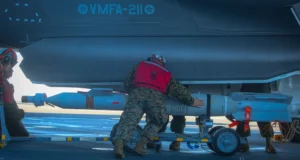
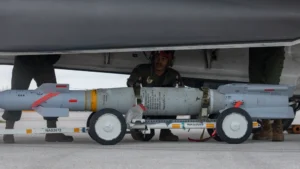
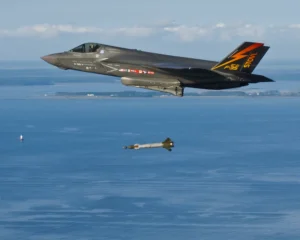
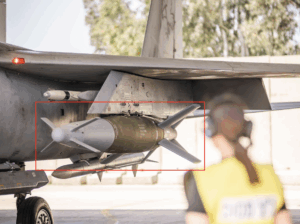
This image shows a GBU-12 series guided bomb being loaded onto a F-35B belonging to Marine Fighter Attack Squadron 211. Two of the control fins have not yet been installed in the Paveway’s guidance control section. (ARES)
Analyst Note
15 September 2025
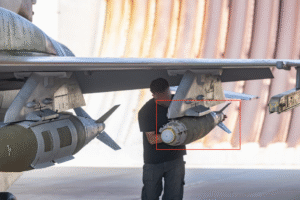
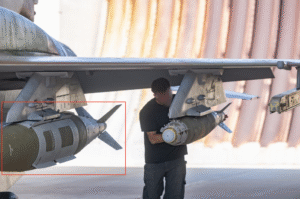
This image shows a BLU-111 500-pound-class bomb paired with a Paveway II guidance kit, and an MXU-650 series airfoil group, or tail kit. This combination is designated the GBU-12 series in U.S. service. (ARES)

Analyst Note
15 September 2025
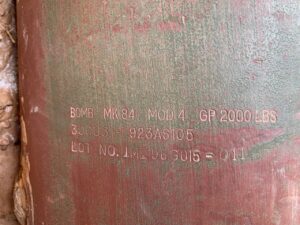
This image shows some of the markings on a MK 84 2000-pound-class air-delivered bomb, including model designation (“BOMB MK 84 MOD 4”), weight class (“2000 LBS”), part number (“PART NO 30…03 923AS105”), and production lot (“LOT NO GDT 17 …00…”). Many countries produce MK 80-series bombs, so markings such as lot numbers can determine the country of production. “GDT 17” in the lot number indicates that this munition was produced by General Dynamics Ordnance and Tactical Systems, an American company, in 2017. The Israeli Air Force announced they carried out the specific strike associated with this image, which indicates that this specific bomb was transferred to the Israeli Air Force. (ARES)
Analyst Note
15 September 2025
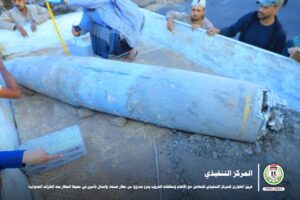
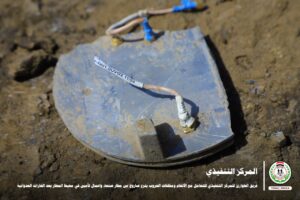
This image shows a remnant of a JDAM tail kit that was paired with a MK 84 2,000-pound-class air-delivered bomb. The CAGE code (“OUVG2”) for Aeroantenna Technology, an American manufacturer of GPS components for guidance systems, is visible on the wiring. (ARES)

Analyst Note
15 September 2025
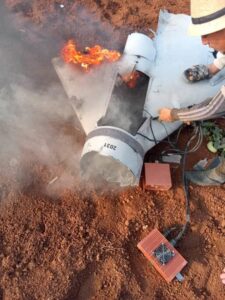
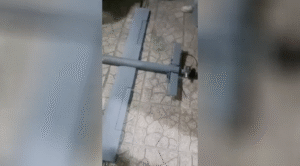
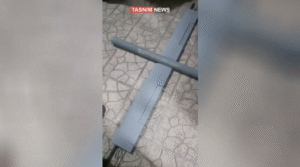
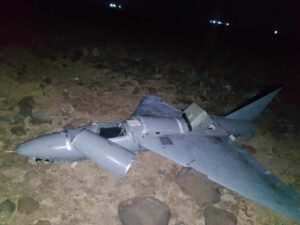
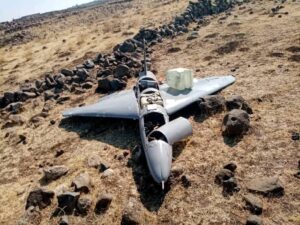
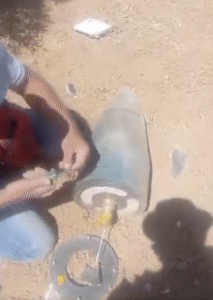
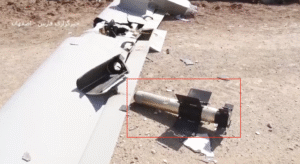
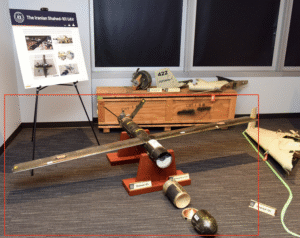
This still taken from a video released by Iranian state media, shows a one-way-attack UAV purportedly manufactured by Israeli forces operating inside Iran. This UAV was found alongside manufacturing equipment, and additional UAV components, strongly suggesting that it was manufactured or assembled inside Iranian borders. (ARES)
Analyst Note
15 September 2025
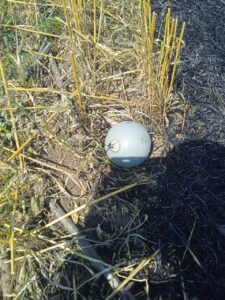
This image shows a Russian spherical submunition of unknown designation. Whilst this specific example was delivered by a cluster munition variant of the Kh-59MK2 missile, this submunition is known to also be delivered by variants of the Kh-69. A similar, but different, spherical submunition is delivered by some variants of the Kh-101. (ARES)
Analyst Note
22 June 2025
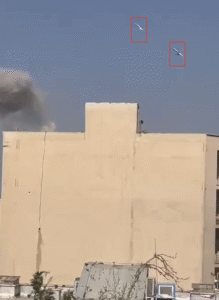
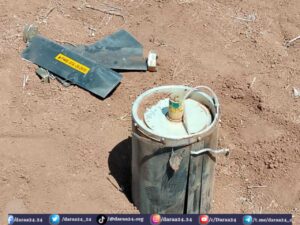
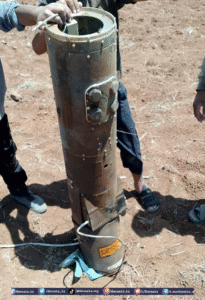
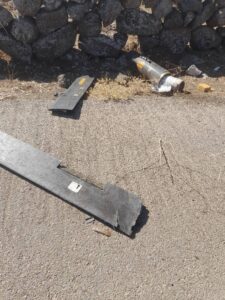
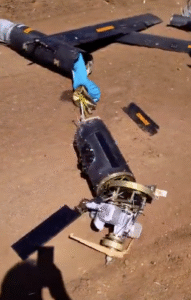
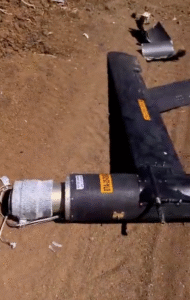
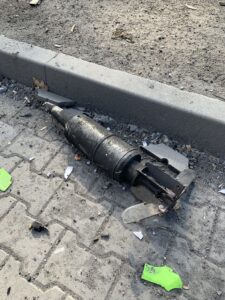
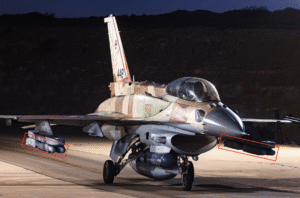
This image shows a Mikholit that was ejected from the weapons pod of an Israeli Hermes 900 drone that was downed in Iran. This Hermes 900 drone had two weapons pod, each capable of carrying 4 Mikholit bombs. (ARES)
Analyst Note
19 July 2025
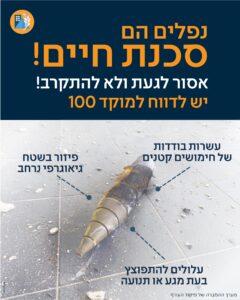
This image shows a unexploded Iranian submunition pictured in an awareness poster made by the Israel Defense Forces (IDF) Home Front Command. The poster warns people to not touch or disturb the submunition. The IDF reported that about 20 of these submunitions were deployed by a single Iranian ballistic missile, spreading over a radius of 8 kilometres. (ARES)
Analyst Note
19 July 2025
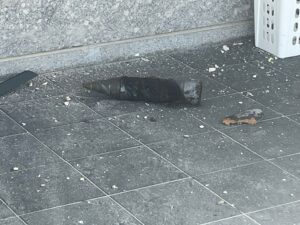
This image shows an unexploded submunition that was deployed by an Iranian medium-range ballistic missile over Israel. Inert variants of these submunitions were previously observed in an Iranian city following a failed missile test. (ARES)
Analyst Note
26 May 2025
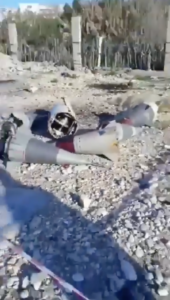
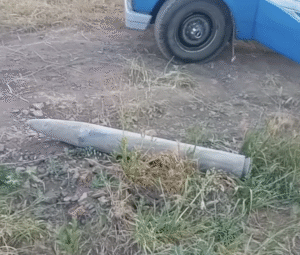
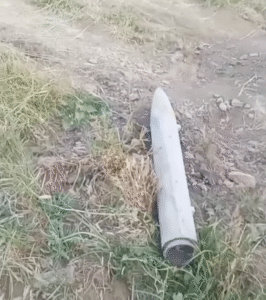
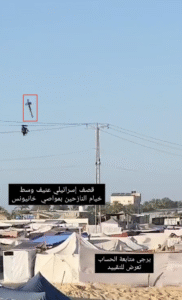
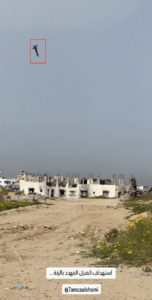
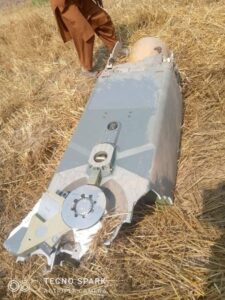
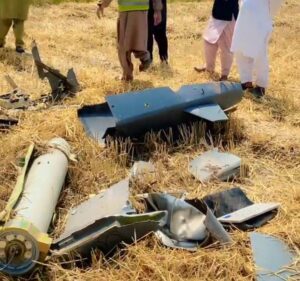
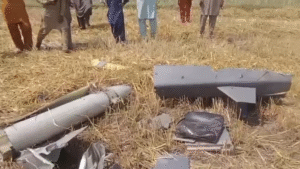
The source for this entry reports that these remnants were left behind after the missiles were “recycled“. Explosive remnants of war (ERW) are often recycled for the value of their scrap metal, or ‘harvested’ by militant groups for the explosive material. These recycling attempts may result in the ERW exploding, potentially killing or injuring people. (ARES)


Analyst Note
3 June 2025
This image shows the largely intact Microturbo TRI-60-30 turbojet engine from a Storm Shadow/SCALP-EG missile. (ARES)

Analyst Note
26 May 2025
The Commercial and Government Entity (CAGE) code marked on this data plate (“0S9G9”) is a now-obsolete code assigned to Israel Aerospace Industries (IAI), the manufacturer of the Mikholit air-delivered bomb. (ARES)

Analyst Note
26 May 2025
This image shows the guidance control unit from an Israeli 'Chameleon 3’ bomb guidance kit. This kit appears similar to those in the Israeli Lizard series of guidance kits, which are derived from the American-designed Paveway kit series. (ARES).

Analyst Note
26 May 2025
This is the data plate fitted to an Israeli Air Force bomb guidance kit. It reads “3 זִקִית” (‘Zikit 3’, or ‘Chameleon 3’ in English). As of May 2025, there is no public information available about this model of bomb guidance kit, but it appears to be a derivative or variant of the Israeli Lizard series, which are derived from the American Paveway bomb guidance kit. (ARES)
Analyst Note
26 May 2025
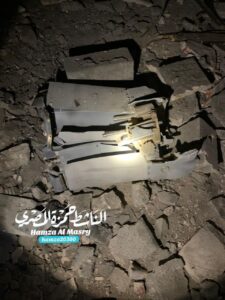
This image shows the damaged aerofoil group, or ‘tail kit’, found with a Chameleon 3 bomb guidance kit. The exact model of aerofoil group is unknown, but in US service similar component groups are given a designation in the ‘MXU-xxx’ range, and are interchangeable with different variants of the Paveway bomb guidance kit (within bomb weight classes). (ARES).
Analyst Note
3 June 2025
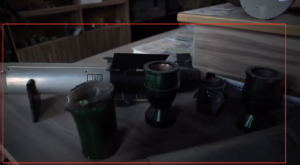
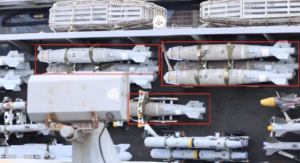
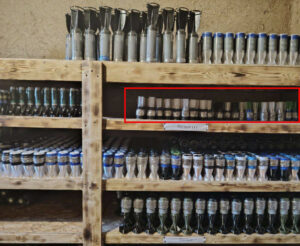
This image shows a variety of small air-delivered munitions that have been developed specifically for deployment via UAV. Some of these appear to be original designs, whilst others have been made by modifying existing munitions. This entry reflects those munitions outlined with the red box, but all of the munitions are generally of similar in size and format, and all have tailfin assemblies intended to orient the munition as it falls, just like more traditional air-delivered bombs. (ARES)
Analyst Note
3 June 2025
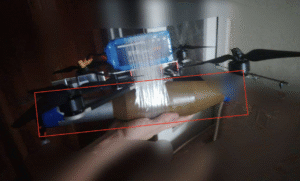
The munition in this image has been integrated into a commercial off-the-shelf (COTS) small UAV. This UAV (‘drone’) adds powered and guided delivery and converts the munition into a guided missile—regardless of the original, intended delivery method. (ARES)
Analyst Note
14 July 2025
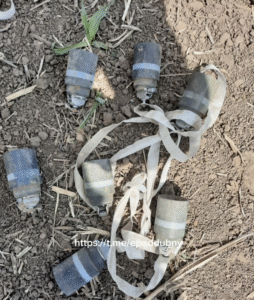
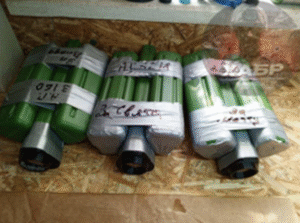
This image shows three sets of three PTM-1 series scatterable anti-vehicle mines taped together. While these mines have likely been repurposed from their original delivery munition to be delivered via UAV, this cannot be confirmed based off this image alone. (ARES)
Analyst Note
21 April 2026
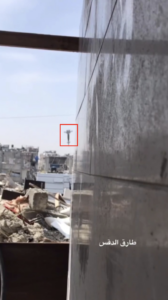
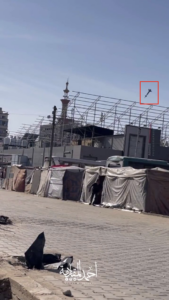
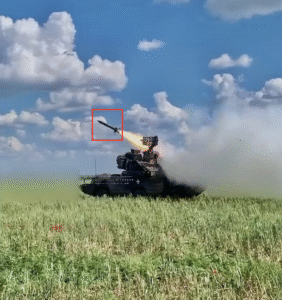
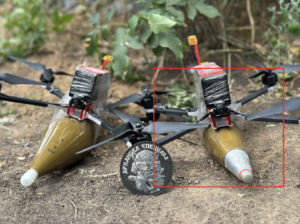
The warhead of the OWA UAV indicated in this image cannot be positively identified from this photograph alone. It appears to be the warhead section of either an OG-9 series or OG-15 series high explosive fragmentation (HE-FRAG) projectile, with a GO-2 or similar impact fuze fitted in the nose. (ARES)
Analyst Note
3 June 2025
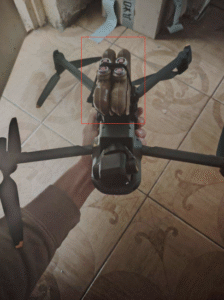
This image shows four PFM-1 series anti-personnel landmines retained by a release mechanism to enable deployment via UAV. Ordinarily, PFM-1 series and other ‘scatterable mines’ are deployed via carrier munitions or dedicated mine-dispensing devices. In Ukraine and other conflicts, these mines have often been removed from their original carrier munitions in order that they may be delivered via UAV. (ARES)