


201–300 of 1,194
Analyst Note:
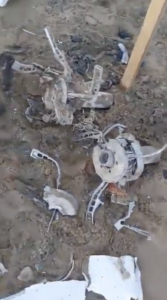
This image shows remnants from a MIM-23 Homing All the Way Killer (HAWK) surface-to-air missile. U.S. government documents show that MIM-23B Improved HAWK systems were exported to Iran in 1972. Iran has since manufactured a reverse-engineered version of the system. (ARES)
Analyst Note:
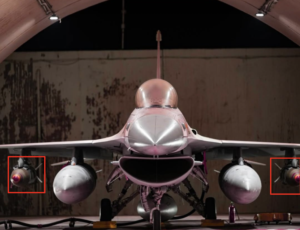
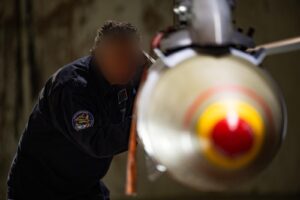
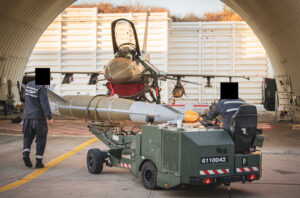
Photos released by the Israeli Air Force show an F-16 aircraft carrying two 2,000-pound-class air-delivered bombs fitted with Joint Direct Attack Munition (JDAM) guidance kits. Whilst the bomb body is visually similar to a MK 84 general-purpose aerial bomb, the marking scheme is distinctly different. The combination of yellow and red bands most likely indicates both a high explosive and incendiary payload. This is consistent with the marking scheme applied to specialised U.S. munitions intended for use against chemical and biological weapons targets. The best known of these is the BLU-119/B CrashPAD ('Prompt Agent Defeat'), which uses a MK 84 bomb body and contains 170 lbs of PBX-109 and 420 lbs of white phosphorus. It is not clear if agent defeat weapons were ever exported to Israel, or if a local analogue was developed. Capabilities of this type often remain classified. (ARES)

Analyst Note:
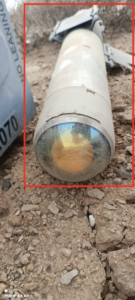
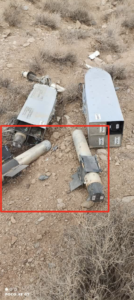
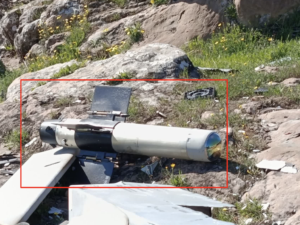
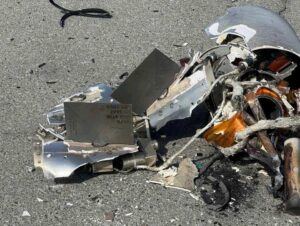
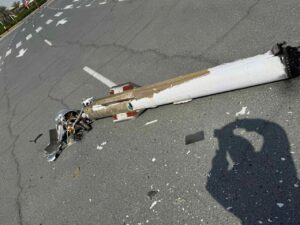
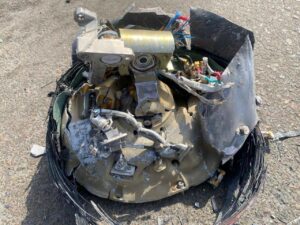
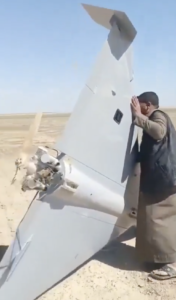
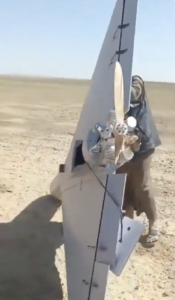
This image shows a Low-Cost Unmanned Combat Attack System (LUCAS). The LUCAS one-way attack UAV is a U.S.-made, cost-effective ‘kamikaze drone’. LUCAS munitions can connect to one another via a mesh network, allowing multiple LUCAS drones to communicate in flight. The white square object connected to the munition by a cable appears to be a Starlink antenna, consistent with reported communication capabilities. Elon Musk has claimed that LUCAS operates only via Starshield, a Starlink-derived satellite network intended for government use. (ARES)
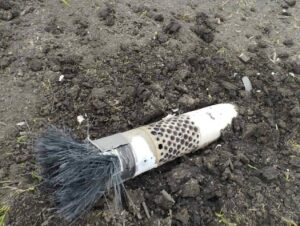
Analyst Note:
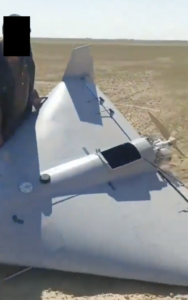
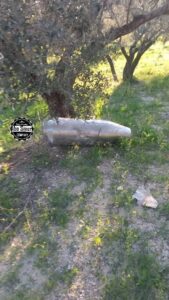
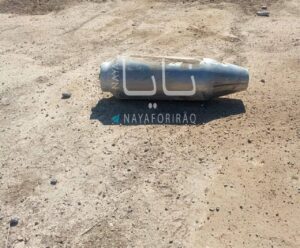
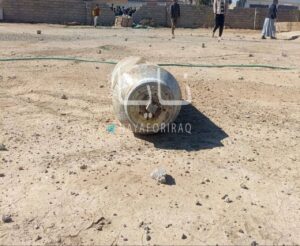
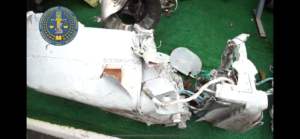
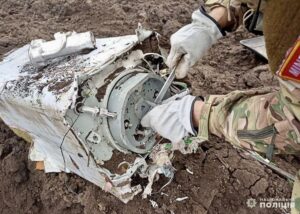
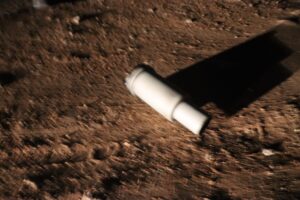
This image shows the remains of the attitude control section of either a PAC-3 CRI or PAC-3 MSE missile. This section contains the attitude control motors, used in combination with control fins to guide and adjust the missiles on its way to the target. It is difficult to determine which of the two models this wreckage belongs to due the similarities of this section in both missiles and the absence of other distinctive components. (ARES)

Analyst Note:
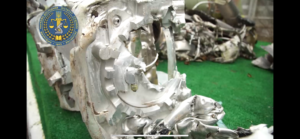
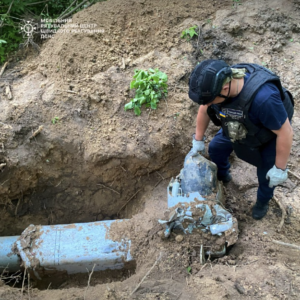
This image shows the remnants of a PAC-3 Cost Reduction Initiative (CRI) missile. The PAC-3 family of missiles are hit-to-kill interceptors that defend against incoming ballistic missiles, cruise missiles, aircraft, and other targets primarily by using kinetic impact. However, it is important to note that these missiles contain a high explosive fragmentation (HE-FRAG) “lethality enhancer” warhead. These warheads are much smaller than what would normally be expected on a surface-to-air missile of this size, but still present a hazard if it fails to function as designed. (ARES)
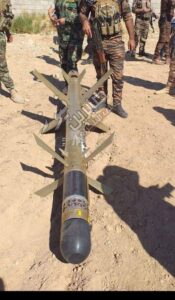
Analyst Note:
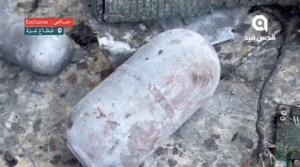
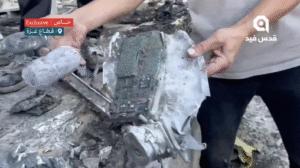
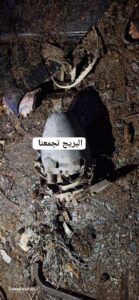
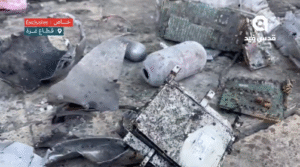
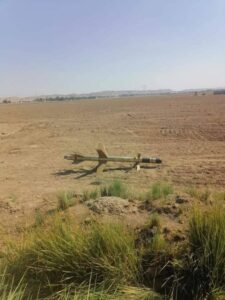
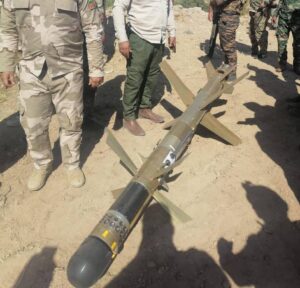
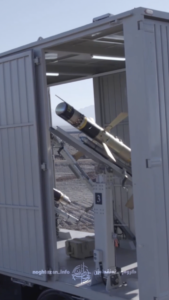
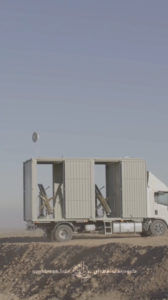
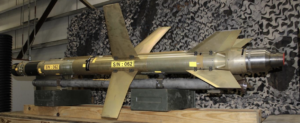
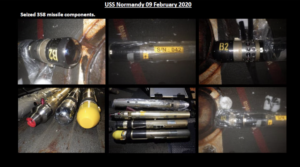
The Iranian 358 surface-to-air missile is reportedly a ‘loitering munition’, designed for engaging drones and rotary-wing aircraft. It employs a combination of ground-based and onboard thermal cameras to scan a designated area, and then uses an infrared imaging seeker in the nose to locate and lock onto targets. The missile carries a 10 kg fragmentation warhead, which is functioned by a 360-degree laser proximity sensor. (ARES)
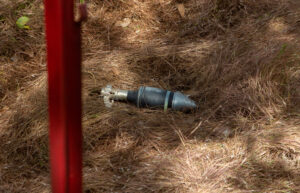
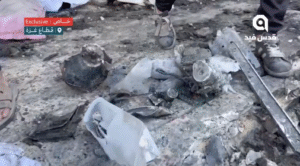

Analyst Note:
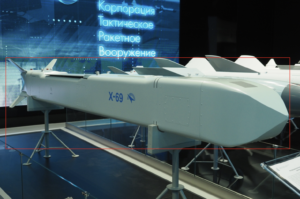
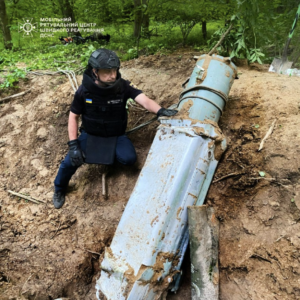
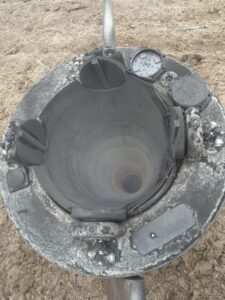
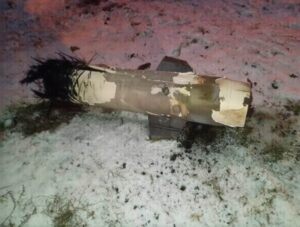
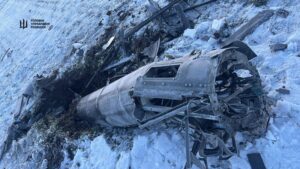
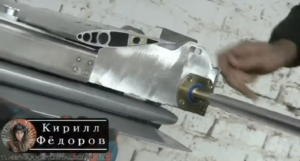
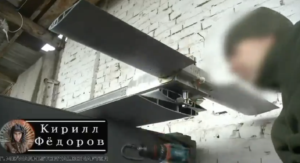
Shown is the Russian Kh-69 (marked in Cyrillic: “Х-69”) cruise missile which was debuted at a Russian arms show in August 2022, and entered into active military service the following year. The Kh-69 was reportedly first used in combat in February 2024, engaging Ukrainian targets. The more compact design when compared with previous Russian missiles results in a smaller radar signature, which is further reduced by the trapezoidal form factor. The Kh-69 is classed by the Russian military as a ‘stealth cruise missile’ and carries either a penetrator or cluster (submunitions) warhead. (ARES)







Analyst Note:
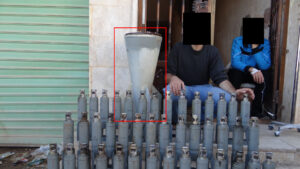
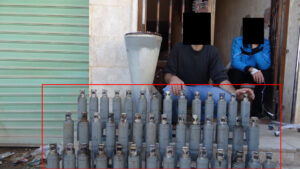
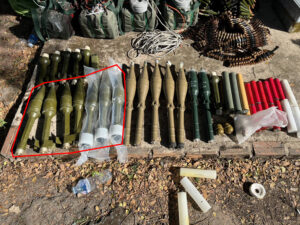
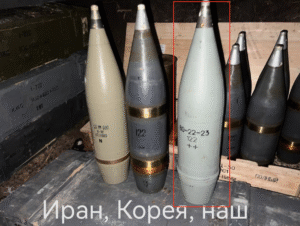
This image shows 122 mm high explosive (HE) artillery gun projectiles manufactured in three different states, L–R: Iran, North Korea, and Russia. Whilst these examples are distinct from one another—particularly in coloration, as well as the presence or absence of paint over the driving band and bourrelet—this is not always the case, and a combination of physical features and markings should be assessed before identification is made. (ARES)


Analyst Note:
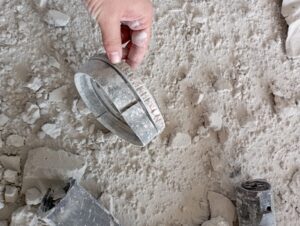
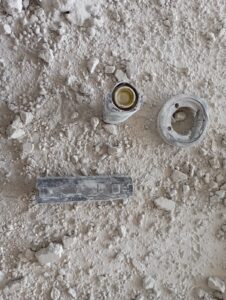
Pictured here are a pair of 106 mm M344A1 High Explosive Anti-Tank (HEAT) projectiles fitted with M509A1 point-initiating, base-detonating (PIBD) fuzes. These are designed to be fired from M40-series 106 mm recoilless rifles. Note that, despite the nominal 106 mm designations, the M40 has a bore diameter of 105 mm. (ARES)
Analyst Note:
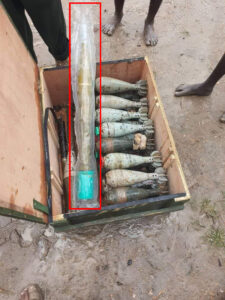
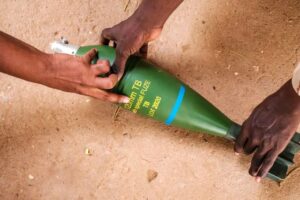
This munition, despite being adapated from the design of a 120 mm mortar projectile and closely resembling such, is actually a small air-delivered bomb intended to be dropped by UAV. The manufacturer clearly states that the munition should not be fired from a mortar. Additional data from the manufacturer states that it uses a UT M18 “special impact fuze”. (ARES)

Analyst Note:
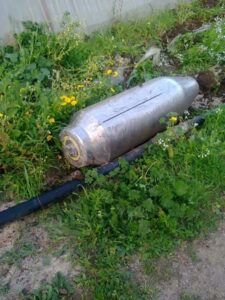
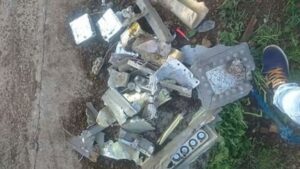
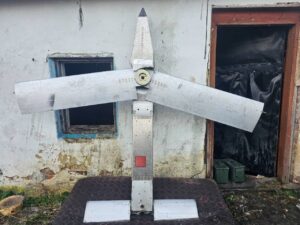
The UMPK guidance package is a ‘bolt-on’ kit that can be fitted to unguided air-delivered bombs to convert them to guided munitions. The UMPK kit also greatly extends the range of the munition to which it is fitted, allowing aircraft to strike from beyond the range of many air-defence systems. Currently only Russia manufacturers and uses these kits. (ARES)

Analyst Note:
This image shows an FN-6-series man-portable air-defence system (MANPADS) being fired. In Sudan, this weapon is referred to as the ‘Nayzak’. The Nayzak is most likely a Chinese FN-6 re-marked for domestic use. (ARES)
Analyst Note:
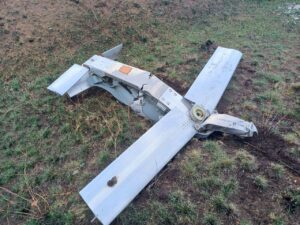
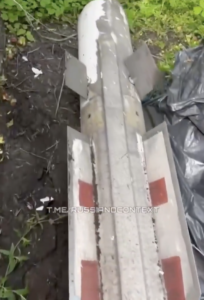
This image shows a russian air-delivered bomb fitted with a UMPK guidance kit. Not enough of the bomb is visible to positively identify the model, but it is most likely an OFAB-250-270 based on what can be seen of the tail section. (ARES)
Analyst Note:
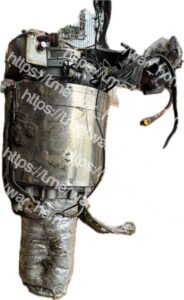
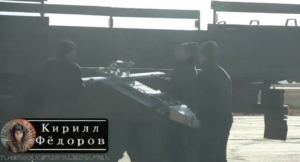
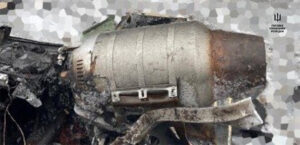
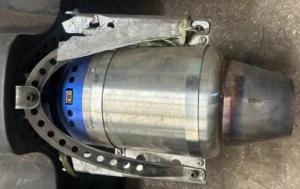
This image shows a Telefly JT80 jet engine, as used on Shahed-238 (Geran-3) UAVs. These jet engines are manufactured in China by Telefly Telecommunications Company. According to the manufacturer, each engine produces approximately 80kg of thrust. (ARES)
Analyst Note:
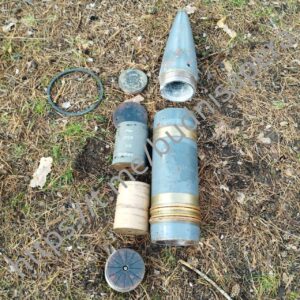
This image shows a North Korean 170 mm artillery projectile, as fired by the M-1978 Koksan self-propelled artillery gun. Very little is known of the M-1978 Koksan due to the secretive nature of North Korean arms development, but both high explosive and rocket-assisted high explosive projectiles are believed to be available. The designations ‘M-1978’ and ‘Koksan’ were applied by American military analysts identified the system in Koksan, North Korea, in 1978. (ARES)

Analyst Note:
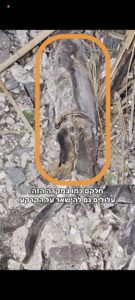
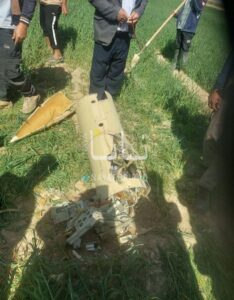
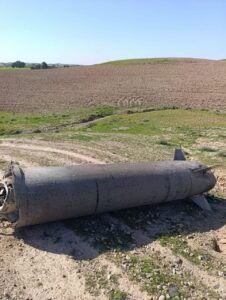
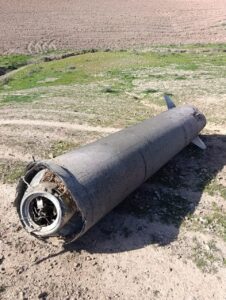
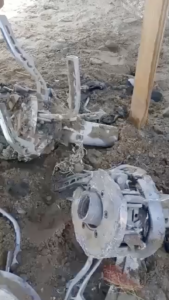
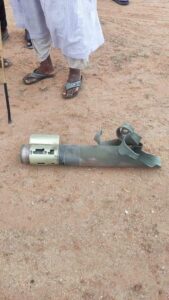
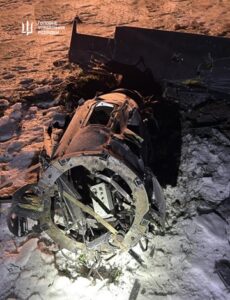
This image appears to show a remnant from either a 9M38- or 9M317-series surface-to-air missile. Positive identification of this munition cannot be made based on the imagery in this source alone; a rear control fin is visible in image but the 9M38- and 9M317-series missiles use indistinguishable rear fins. (ARES)
Analyst Note:
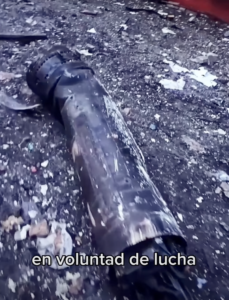
This image appears to shows the remnants of either a 9M38- or 9M317-series missile, however positive identification of this surface-to-air missile cannot be made based solely on the imagery in this source. The 9M38- and 9M317-series missiles are close in design and function, and are predominantly fired from the Buk family of surface-to-air missile (SAM) systems. The Buk-M2E SAM system is known to be in service in Venezuela, having been delivered under a Russian contract beginning in 2015. The source video for this entry shows the destroyed remains of a Buk-M2E launch vehicle, known as the 9A316E. (ARES)
Analyst Note:
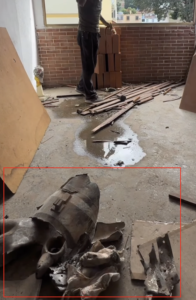
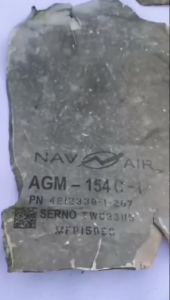
The AGM-154 Joint Standoff Weapon (JSOW) is a guided air-delivered ‘glide bomb’ that allows for long-range strikes using an unpowered munition. The AGM-154C and AGM-154C-1 variants (a remnant of the latter pictured here) carry a Bomb Royal Ordnance Augmented Charge (BROACH) multi-stage warhead which uses a WDU-44 shaped-charge warhead as its first stage, to help penetrate hardened targets, whilst the WDU-45 second stage comprises a conventional high explosive penetrator warhead (also called a ‘follow-through’ warhead). The AGM-154C-1 is described by the U.S. Navy as their “first air-to-ground Network-Enabled Weapon (NEW) capable of attacking stationary land and moving maritime targets. It includes GPS/INS guidance, terminal IR seeker and a Link 16 weapon data link. Integration of the Link-16 weapon data link and updated seeker software algorithms provide a capability against at-sea moving/relocatable targets.” (ARES)


Analyst Note:
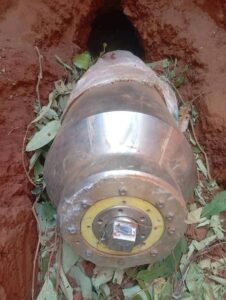
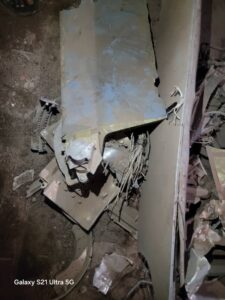
This image shows a WDU-36 series warhead as used in the RGM-/UGM-109 Tomahawk series of cruise missiles. The warhead design suggests this is likely a WDU-36/B from an RGM-/UGM-109E missile. The RGM-/UGM-109E Tomahawk Land Attack Missile (also known as TLAM Block IV) is an improved version of the BGM-109C TLAM-C. In cases where the missile strikes a building but does not function as intended, the dense, comparatively heavy warhead is often projected forwards of the point of impact. (ARES)
Analyst Note:
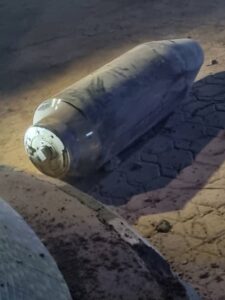
This image shows a WDU-36/B warhead as used in the RGM-/UGM-109 Tomahawk series of missiles. The WDU-36/B is the improved, lighter version of the previous WDU-25/B warhead. It is reported that the titanium-cased WDU-36/B weighs around 310 kg and carries a main charge of approximately 120 kg of PBXN-107 high explosives. (ARES)