

401–500 of 1,090
Current Filter
Rocket or Missile
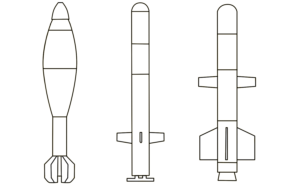
Rockets and missiles are two closely related types of powered munitions which utilise an internal propulsion method, typically a rocket motor, to maintain their rate of travel after launch. Rockets and missiles are typically relatively long and thin—with lengths ranging from 50 centimetres to 6.5 metres. Rockets are unguided those fitted with guidance systems are usually referred to as missiles. Missiles sometimes use propulsion methods other than rocket motors, such as turbojets. The effective range of rockets varies from as little as one kilometre to more than 40 kilometres, while missiles typically have a longer range — some more than 250 kilometres.
Read more →
Current Filter
Mine
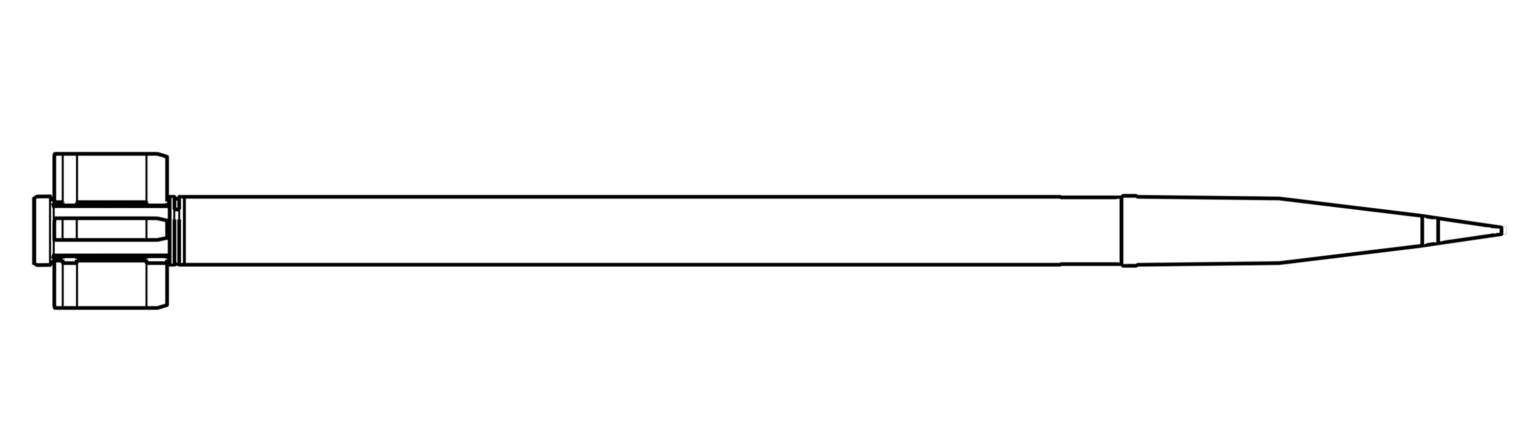
Emplaced munitions either activated remotely or by the target or victim.



Analyst Note:
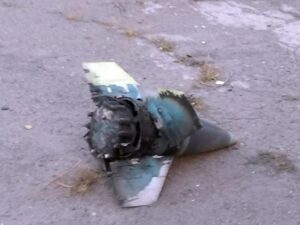
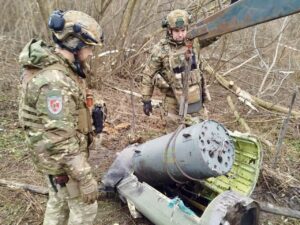
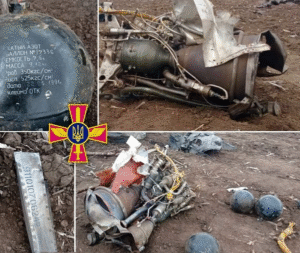
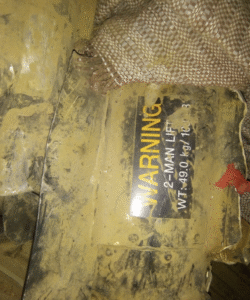
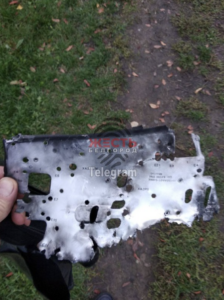
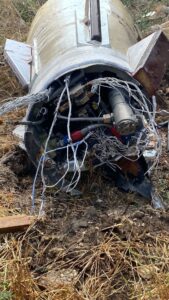
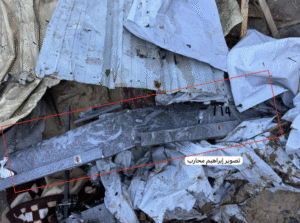
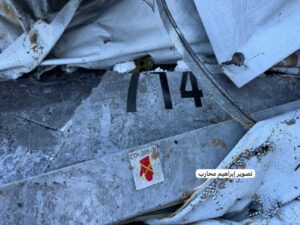
This munition remnant is marked with a manufacturer’s CAGE Code (“MFR CAGE CODE: 62313”) which indicates it was produced by Lockheed Martin. Lockheed Martin is the primary contractor that makes GMLRS missiles. (ARES)

Analyst Note:
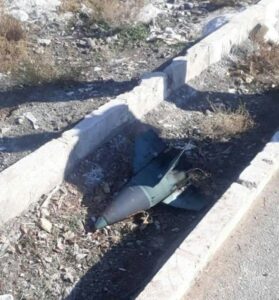
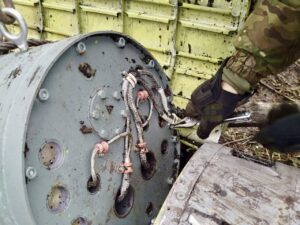
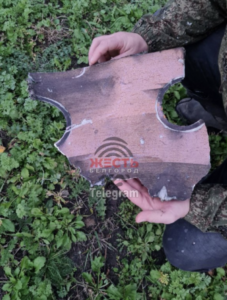
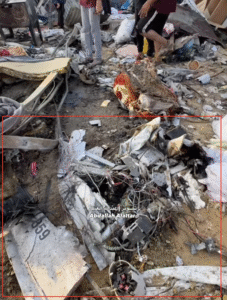
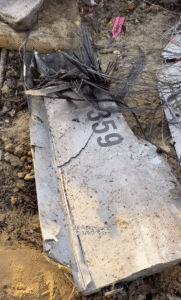
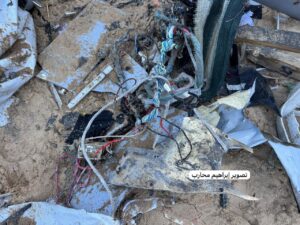
This remnant shows a munition component marked with the CAGE Code for a sub-contractor who produced part of a larger munition. “64344” is the code for Unique Electronics Inc., a known sub-contractor working on Lockheed Martin’s GMLRS contract. One of the parts they make is the “CABLE ASSEMBLY W459“, as seen in this image. (ARES)






Analyst Note:
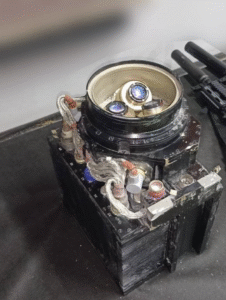
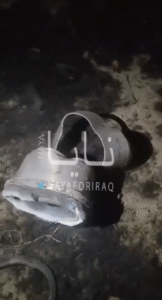
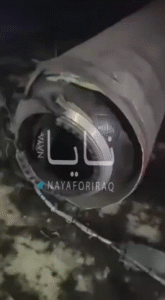
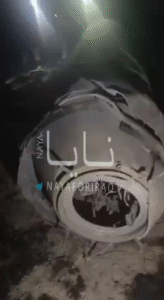
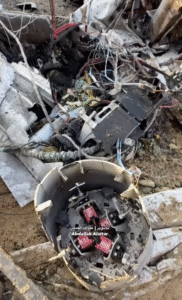
This image shows the three lenses that form the new version of the Kh-101 Digital Scene Matching Area Correlator (DSMAC) system. (The older version only had a single lens.) DSMAC systems take digital images of the ground as the missile passes overhead, and then compare those images to pre-captured images stored in the onboard memory. The DSMAC corrects the flight path as needed based on differences between the two sets of images. (ARES)

Analyst Note:
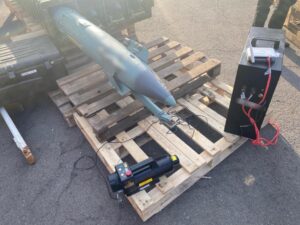
This image shows the second warhead present in some variants of the Kh-101 cruise missile. The inclusion of this additional warhead requires a smaller fuel tank in the missile, offering increased explosive weight in exchange for a reduced maximum range. (ARES)
Analyst Note:
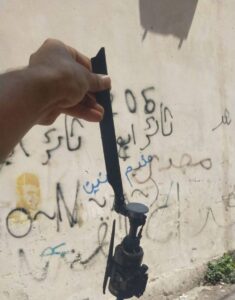
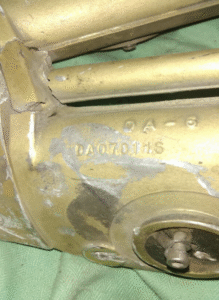
This image shows a close up view of an actuator assembly from an AGM-114 ‘Hellfire’ series missile. This assembly is what actuates the control fins, and the attachment point for one of the control fins is visible at the bottom right of the image. This assembly belongs to the control section, which is the rearmost section of the missile. (ARES)

Analyst Note:
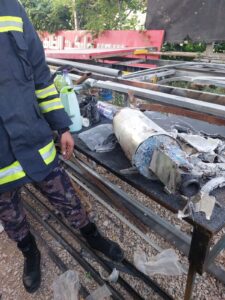
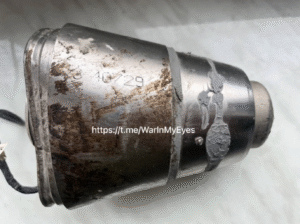
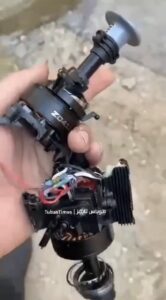
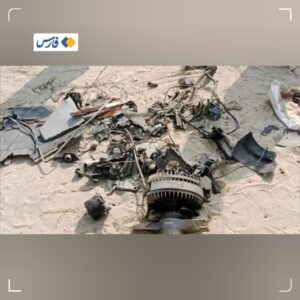
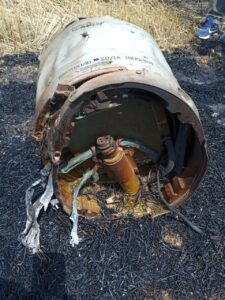
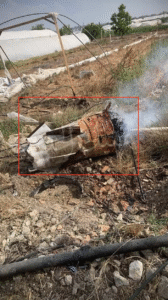
This image shows a remnant of the Mado MD550 engine which is used to power the Shahed-136 series one-way attack drone. (ARES)
Analyst Note:
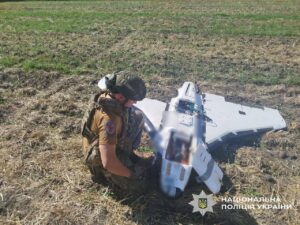
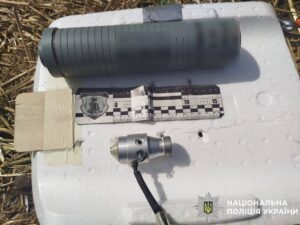
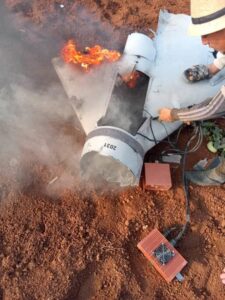
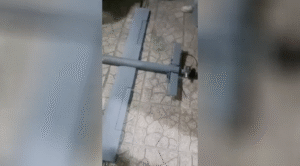
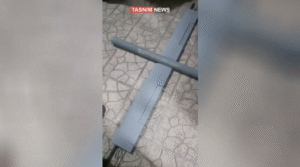
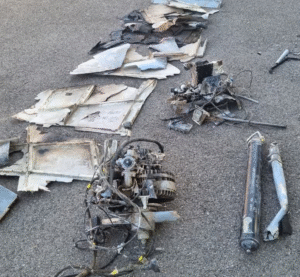
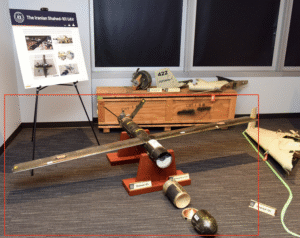
This still taken from a video released by Iranian state media, shows a one-way-attack UAV purportedly manufactured by Israeli forces operating inside Iran. This UAV was found alongside manufacturing equipment, and additional UAV components, strongly suggesting that it was manufactured or assembled inside Iranian borders. (ARES)
Analyst Note:
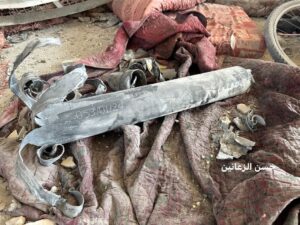
This image shows an Israeli-made 122 mm rocket motor found following a strike on Amr School in Gaza City. Although it is not possible to be definitive from this image alone, it is likely that this rocket motor was part of an Israeli ‘Bar’ missile, a guided munition designed for precision strikes in urban areas that uses a 122 mm rocket motor. (ARES)


Analyst Note:
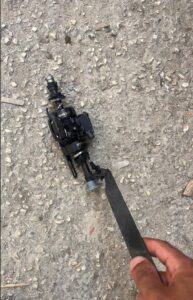
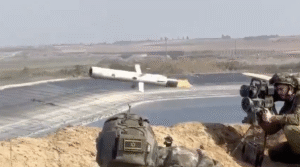
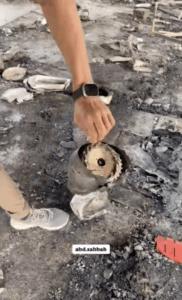
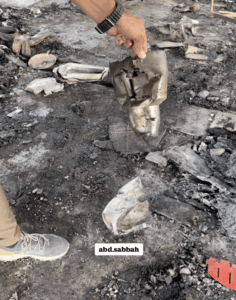
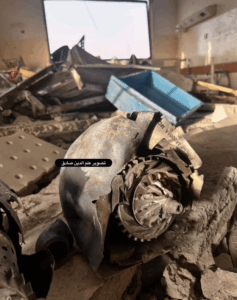
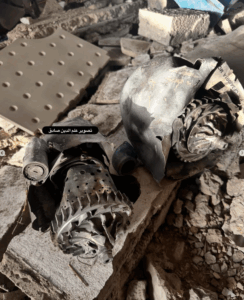
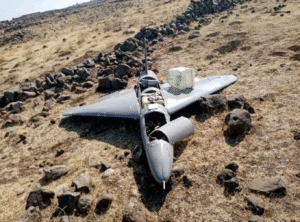
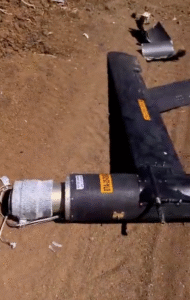
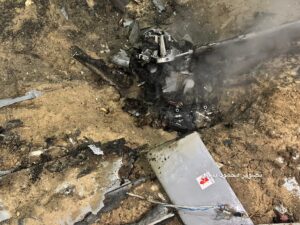
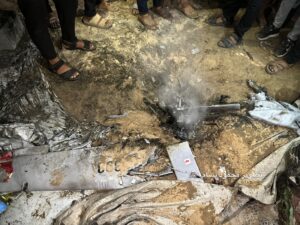
This image shows the remnants of an unknown Israeli munition that was used in a strike on Nasser hospital. Reporting on these strikes often refers to this munition as a ‘drone’. The turbojet engine, along with possible wing remnants, indicate that this could be a one-way-attack (OWA) UAV or ‘loitering munition’ missile, consistent with reporting. This same model of munition has been used multiple times in strikes in Gaza, as well as Lebanon and Syria. There is no publicly acknowledged Israeli munition that closely fits these remnants. Entries 1384, 1385, 1386, and 1389 capture other incidents in which this munition was used. (ARES)
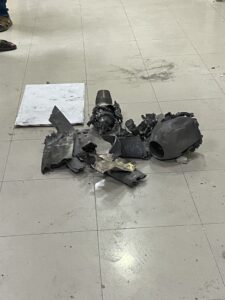
Analyst Note:
This image shows the remnants of an unknown Israeli munition that was used in a strike that hit the Nasser hospital in Gaza. The turbojet engine, along with possible wing remnants indicate that this could be a one-way attack UAV or ‘loitering munition’, consistent with some reporting on the strikes. This same model of munition has been used in multiple strikes in Gaza, as well as in Lebanon and Syria. There is no publicly disclosed Israeli munition that neatly matches these remnants. OSMP entries 1384, 1385, 1386, and 1389 show other incidents in which this munition appears to have been used. (ARES)
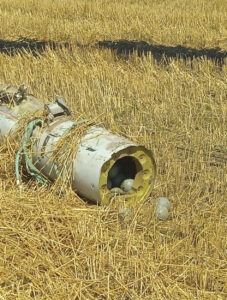
Analyst Note:
This image shows part of a Russian Kh-59MK2 missile that is fitted with a cluster munition warhead. Some of the grey spherical submunitions are visible, both inside and outside the warhead. (ARES)
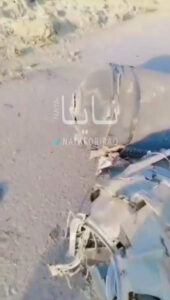
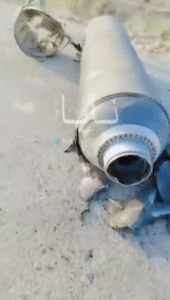
Analyst Note:
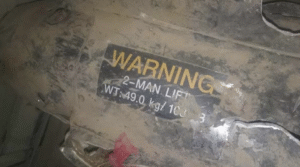
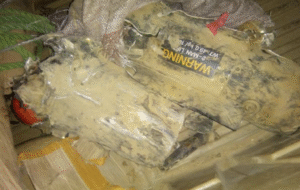
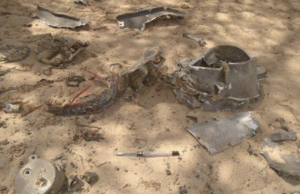
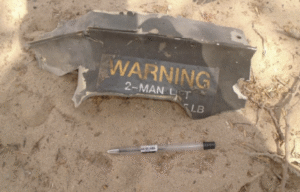
This image shows remnants of two different rocket motors from AGM-114 series Hellfire missiles. While it cannot be determined by these entries alone, images of the damage from the strike associated with this image, gathered by Mwatana, indicate that both of these AGM-114 missiles were the kinetic AGM-114R9X variant. (ARES)
Collection
Iran-Israel conflict June 2025
Dozens of verified images of munitions used by Iran and Israel during the June 2025 Israel-Iran conflict
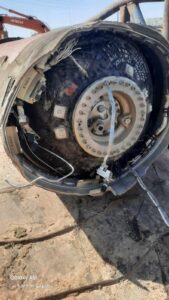
Analyst Note:
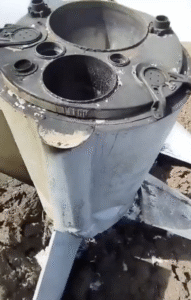
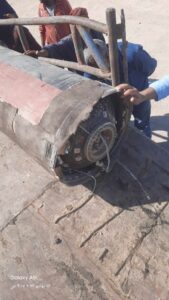
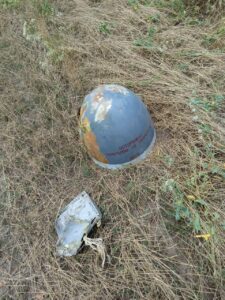
This image shows the top of the booster of an Arrow 3 interceptor missile, where it connects to the kill vehicle. The Arrow 3 was jointly developed by the United States and Israel, and first entered service in 2017. The date of manufacture marking (“DATE OF MFG: 05/2018”) indicates that this booster was produced in the year after the Arrow 3 first entered service. (ARES)
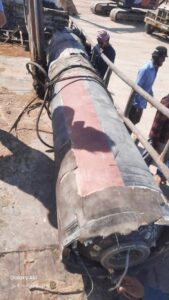
Analyst Note:
This image shows the booster of an Israeli Arrow 3 interceptor missile. The Arrow 3 is designed to engage ballistic missiles and is capable of exo-atmospheric interceptions. Once the booster is expended, it separates from the ‘kill vehicle’. The kill vehicle has a sustainer motor that propels it towards the incoming ballistic missile, and uses kinetic impact, rather than an explosive warhead, to disable or destroy its target. This is sometimes called the ‘hit-to-kill’ principle. (ARES)
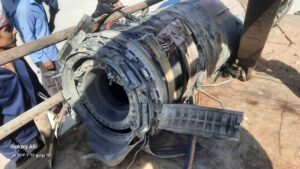
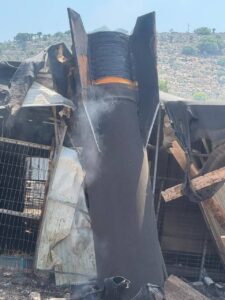

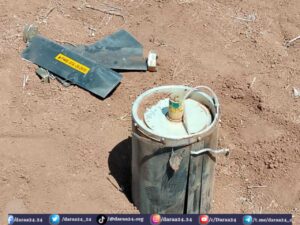
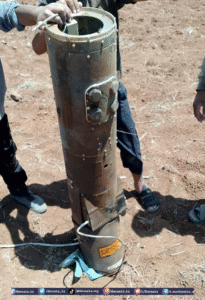
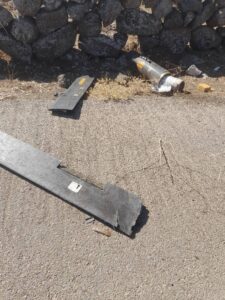
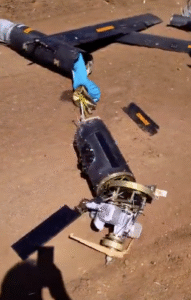
Analyst Note:
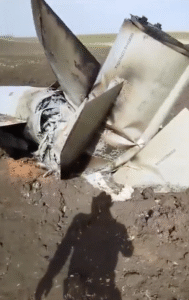
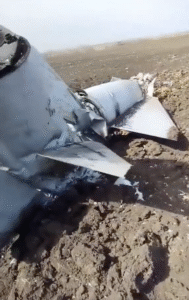
This image shows a remnant of the control section of the Arrow 2 ‘kill vehicle’, including the control fins. The blast-fragmentation warhead is located in the front section of the kill vehicle, forward of the control section, and is absent here due to the functioned state of the munition. (ARES)

Analyst Note:
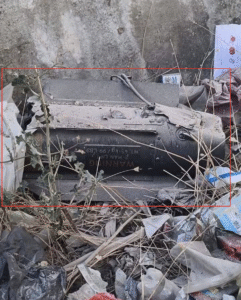
This image shows the rocket motor of an AGM-114 "Hellfire" series guided missile found in Jordan during the 12 day conflict between Israel and Iran. This specific Hellfire missile is likely an air-to-air "C-UAS" variant used to intercept one-way attack drones, such as those launched by Iran towards Israel, rather than the more common air-to-surface Hellfire missile variants. (ARES)
Analyst Note:
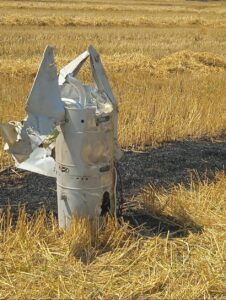
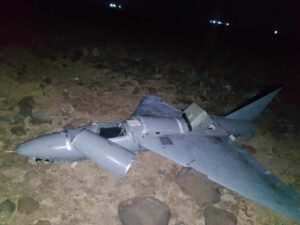
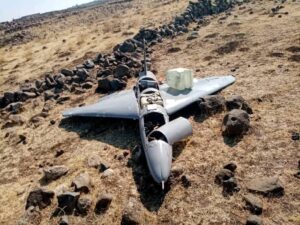
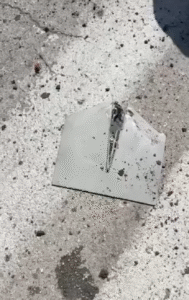
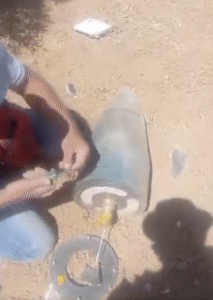
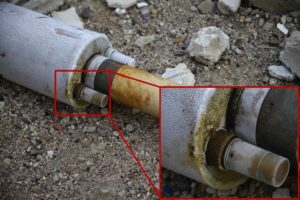
This image shows a improvised rocket-assisted munition (IRAM). This particular munition consists of a 107 mm rocket motor with an industrial gas cylinder fitted in place of the standard warhead. The frost present on the cylinder indicates a pressurised gas was released. The yellow–green residue is consistent with a payload of chlorine gas. (ARES)
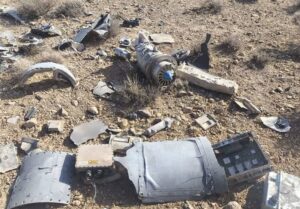
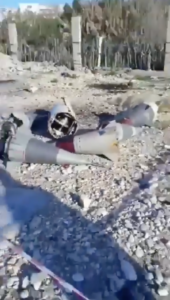
Analyst Note:
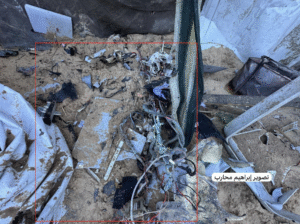
The source for this entry reports that these remnants were left behind after the missiles were “recycled“. Explosive remnants of war (ERW) are often recycled for the value of their scrap metal, or ‘harvested’ by militant groups for the explosive material. These recycling attempts may result in the ERW exploding, potentially killing or injuring people. (ARES)