




201–300 of 759
Current Filter
Ukraine
A large eastern European country that faced a full-scale Russian invasion in February 2022. Since then the Ukrainian military has fought a major war with Russian forces, with tens of thousands believed to have been killed.

Current Filter
Russia
A large country in Eastern Europe and North Asia. The Russian military began a full-scale invasion of Ukraine in 2022 and has since been engaged in heavy combat with the Ukrainian Armed Forces. Russia was also directly involved in Syria between 2015 and 2024, militarily aiding the country's former President Bashar al-Assad.
Analyst Note
15 September 2025
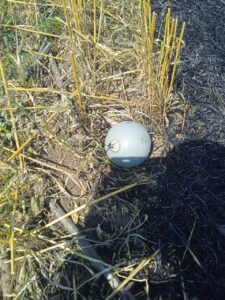
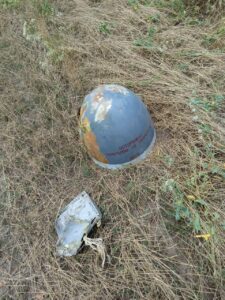
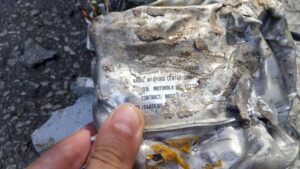
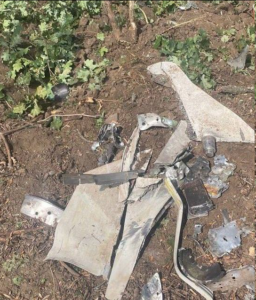
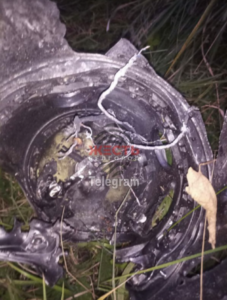
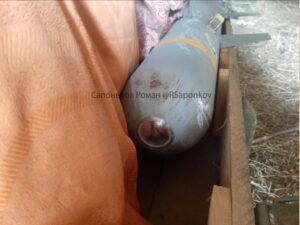
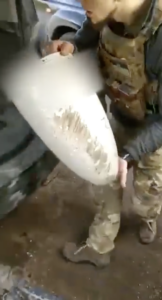
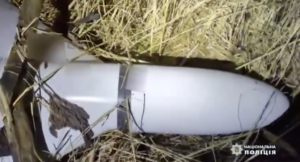
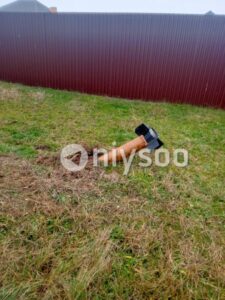
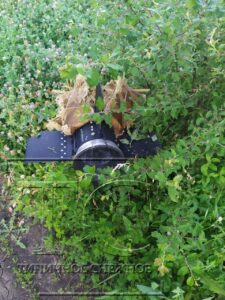
This image shows a Russian spherical submunition of unknown designation. Whilst this specific example was delivered by a cluster munition variant of the Kh-59MK2 missile, this submunition is known to also be delivered by variants of the Kh-69. A similar, but different, spherical submunition is delivered by some variants of the Kh-101. (ARES)
Analyst Note
15 September 2025
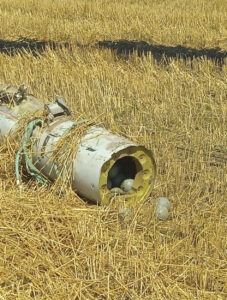
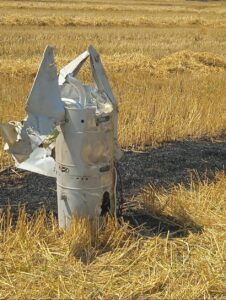
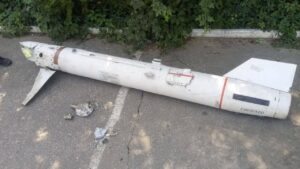
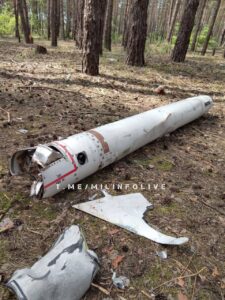
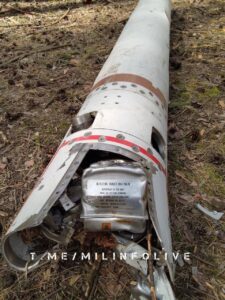
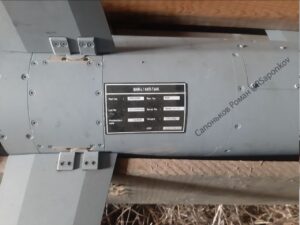
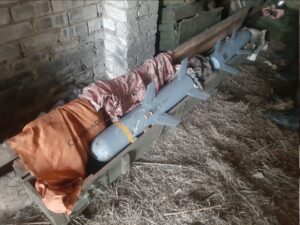
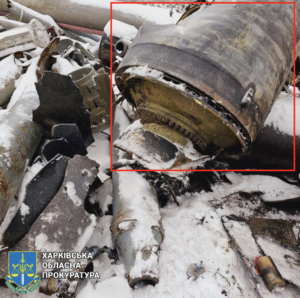
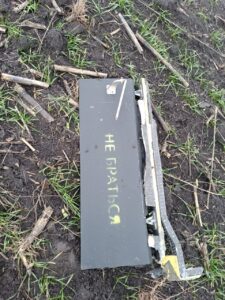
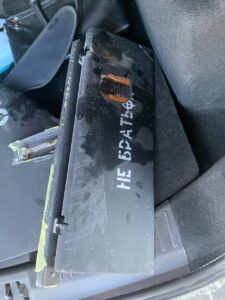
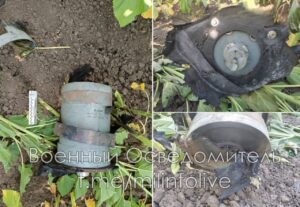
This image shows part of a Russian Kh-59MK2 missile that is fitted with a cluster munition warhead. Some of the grey spherical submunitions are visible, both inside and outside the warhead. (ARES)


Analyst Note
3 June 2025
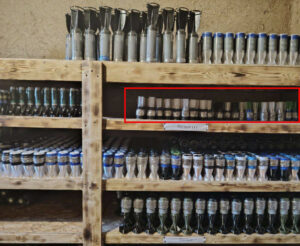
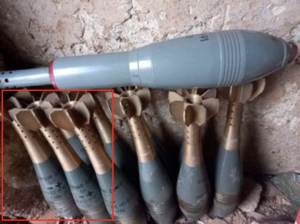
This image shows a variety of small air-delivered munitions that have been developed specifically for deployment via UAV. Some of these appear to be original designs, whilst others have been made by modifying existing munitions. This entry reflects those munitions outlined with the red box, but all of the munitions are generally of similar in size and format, and all have tailfin assemblies intended to orient the munition as it falls, just like more traditional air-delivered bombs. (ARES)
Analyst Note
3 June 2025
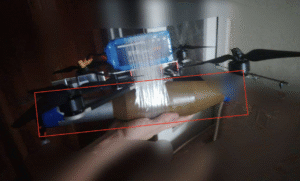
The munition in this image has been integrated into a commercial off-the-shelf (COTS) small UAV. This UAV (‘drone’) adds powered and guided delivery and converts the munition into a guided missile—regardless of the original, intended delivery method. (ARES)
Analyst Note
14 July 2025
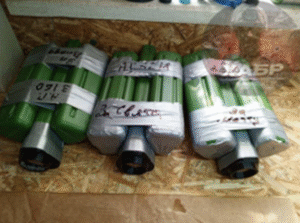
This image shows three sets of three PTM-1 series scatterable anti-vehicle mines taped together. While these mines have likely been repurposed from their original delivery munition to be delivered via UAV, this cannot be confirmed based off this image alone. (ARES)
Analyst Note
21 April 2026
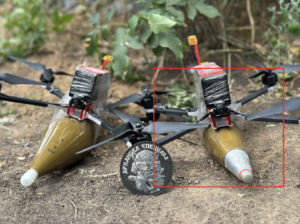
The warhead of the OWA UAV indicated in this image cannot be positively identified from this photograph alone. It appears to be the warhead section of either an OG-9 series or OG-15 series high explosive fragmentation (HE-FRAG) projectile, with a GO-2 or similar impact fuze fitted in the nose. (ARES)
Analyst Note
3 June 2025
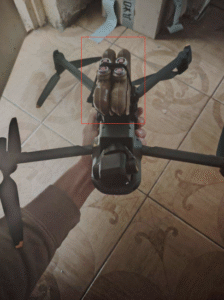
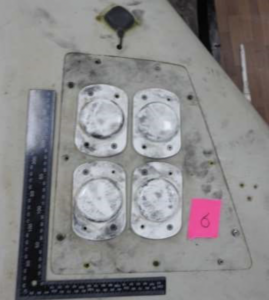
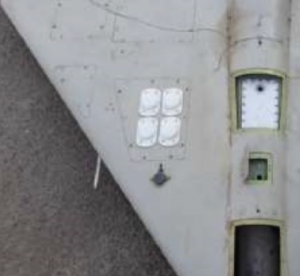
This image shows four PFM-1 series anti-personnel landmines retained by a release mechanism to enable deployment via UAV. Ordinarily, PFM-1 series and other ‘scatterable mines’ are deployed via carrier munitions or dedicated mine-dispensing devices. In Ukraine and other conflicts, these mines have often been removed from their original carrier munitions in order that they may be delivered via UAV. (ARES)
Analyst Note
30 July 2025
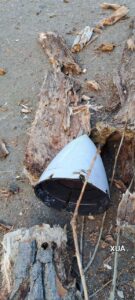
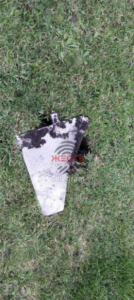
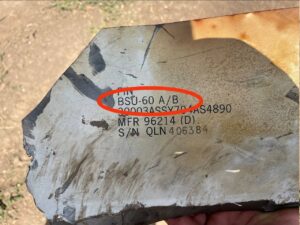
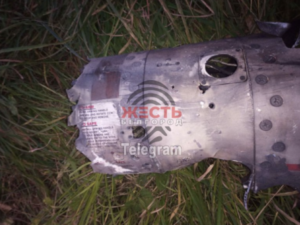
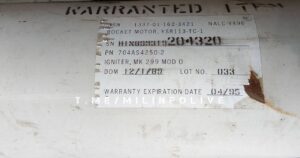
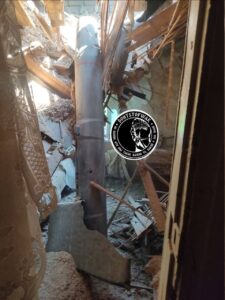
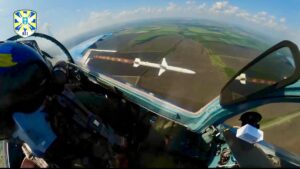
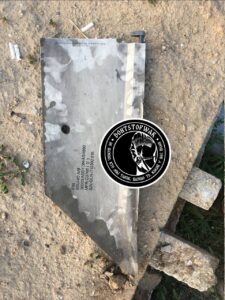
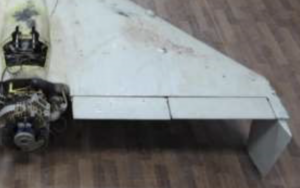
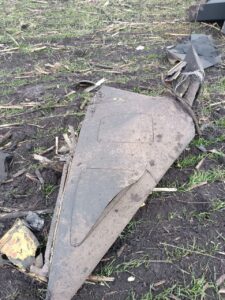
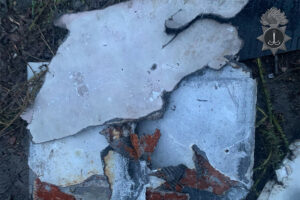
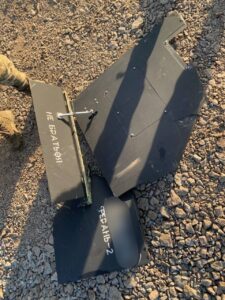
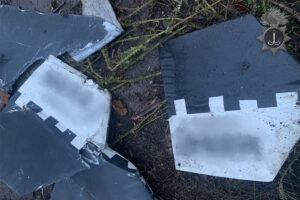
This image shows a remnant of the BSU-60 A/B tail fin. This this model of tail fin is used exclusively with AGM-88 series missiles. (ARES)
Analyst Note
11 May 2025
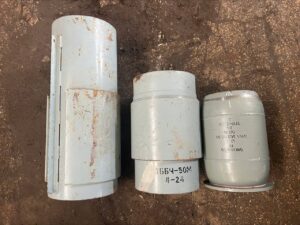
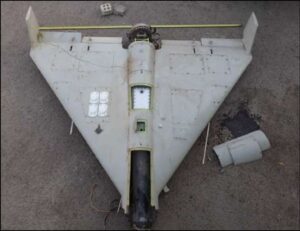
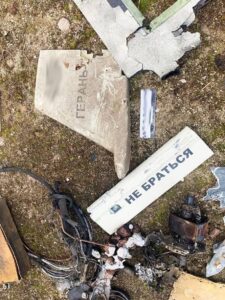
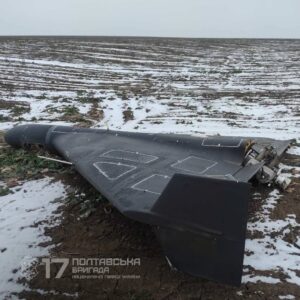
This image shows three different warheads developed by Russia for the Shahed-136/Geran-2 one-way attack (OWA) unmanned aerial vehicle (UAV), each of which differ from the original warhead designed by Iran for the Shahed-136. Left: A thermobaric explosive warhead; Middle: TBBCh-50M, a thermobaric explosive warhead; Right: OFZBCh-50, a high explosive warhead with an incendiary effect. Each of these warheads is also fitted with a fragmentation liner to increase the fragmentation effect generated when the warhead detonates. Some of the fragmentation liners may contain zirconium, a metal which is ignited when the warhead detonates, providing an additional incendiary effect. (ARES)
Analyst Note
30 April 2025
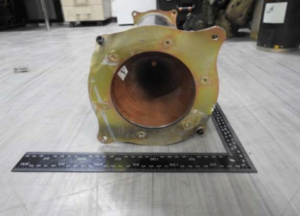
This image shows the copper cone of the shaped charge located at the front of the warhead fitted to a Shahed-131. The Ukrainian armed forces have recorded that the cone measures 111 mm in diameter and 162 mm in depth. The warhead is lined with cubic pre-formed fragments of 7 mm in diameter. The explosive content of the warhead is estimated to be between 10 and 15 kg. (ARES)

Analyst Note
13 March 2025
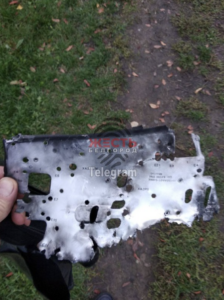
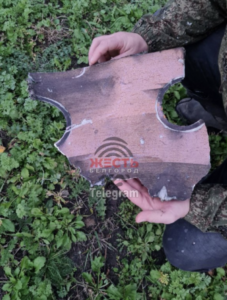
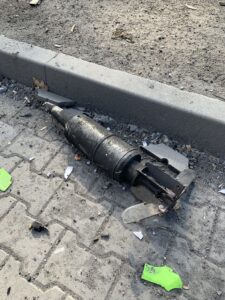
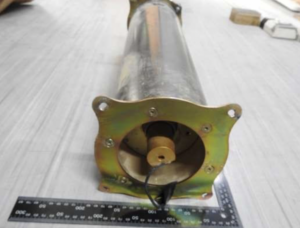
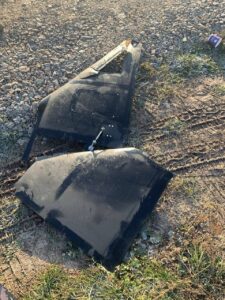
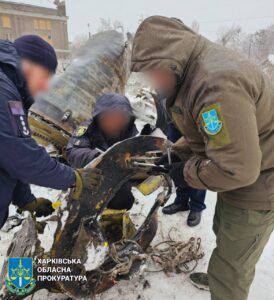
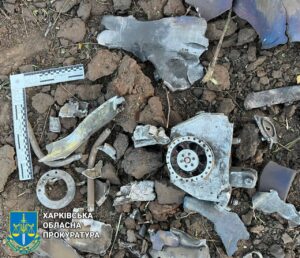
This image shows a remnant of the aft motor section, which includes the venturi nozzle, of a North Korean KN-23/KN-24/Hwasong-11 series missile. The KN-23/KN-24/Hwasong-11 has a generally similar appearance to the Russian 9M7 ‘Iskander’ series of ballistic missiles, but has differences in performance and in some aspects of the construction. (ARES)

Analyst Note
24 February 2025
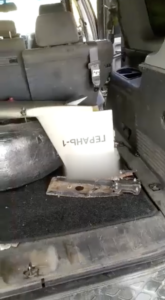
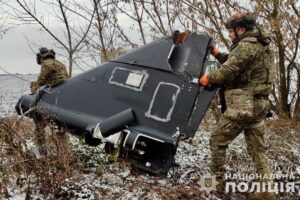
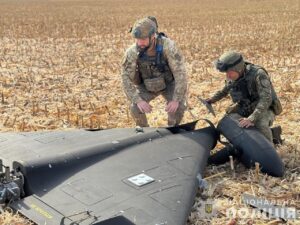
This image shows the BSF-50, one of several warheads developed by Russia for the Shahed-136/Geran-2 to replace the original Shahed-136 warhead designed by Iran. The BSF-50 is a high explosive warhead with a fragmentation effect. (ARES)
Analyst Note
24 February 2025
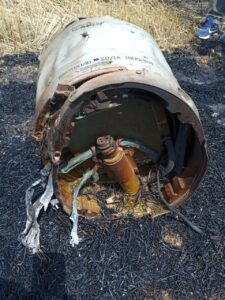
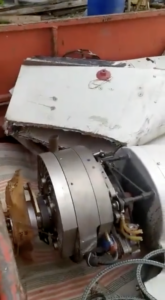
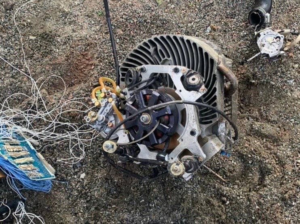
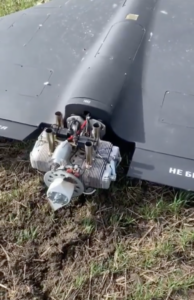
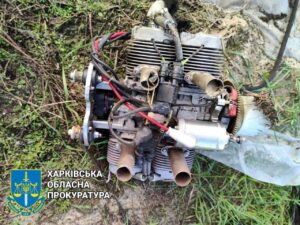
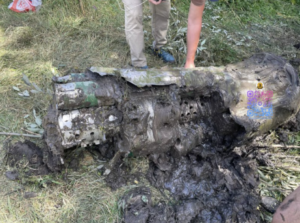
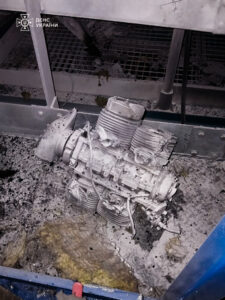
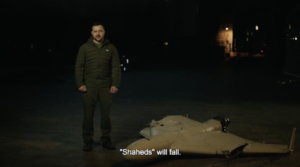
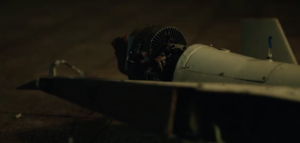
Depicted here is the MD-550 motor of a Shahed-136/Geran-2. This image was presented by Ukrainian President Zelenskyy as a fragment of the drone that reportedly hit the Chernobyl Nuclear Power Plant’s New Safe Confinement shelter. (ARES)


Analyst Note
29 January 2025
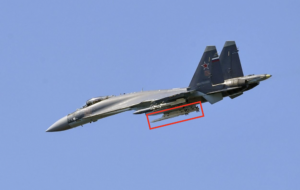
Two R-77 air-to-air missiles (NATO reporting name: AA-12 Adder) are carried in this photograph by a Russian Aerospace Forces Sukhoi Su-35 fighter aircraft. Key markings, including the aircraft’s bort number (a coloured numeral that acts as a unit or base identifier), have been digitally obscured. (ARES)

Analyst Note
30 January 2025
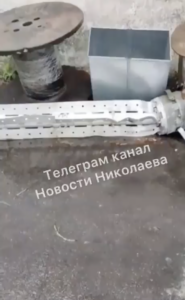
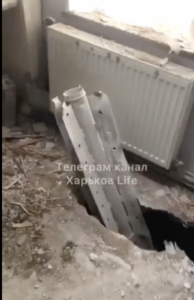
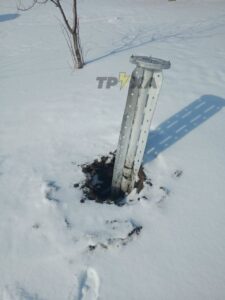
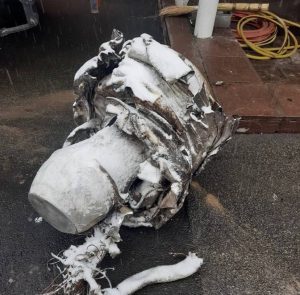
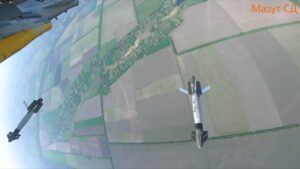
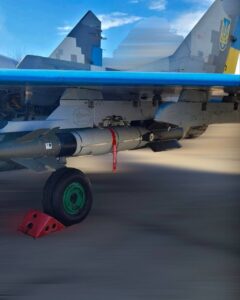
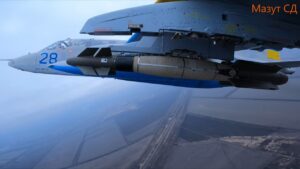
The Armement Air-Sol Modulaire (AASM; ‘Modular Air-to-Ground Armament’) family of French bolt-on guidance kits are fitted to air-delivered bombs of various sizes in a similar fashion to American JDAM kits. In some marketing materials, the acronym HAMMER is used, standing for ‘Highly Agile Modular Munition Extended Range’. This refers, in part, to the rocket boosters fitted to munitions in the family to extend their effective range. (ARES)
Analyst Note
30 January 2025
In this photo, a Ukrainian Sukhoi Su-25 ground-attack aircraft from the 299th Tactical Aviation Brigade, with the bort number ‘Blue 28’, is seen carrying an AASM-250 guided air-delivered bomb under its left wing. Available imagery shows that the AASM-250 has also been fitted to Mikoyan MiG-29 fighter aircraft, and can likely be carried by the Sukhoi Su-27 as well. (ARES)
Analyst Note
17 December 2024
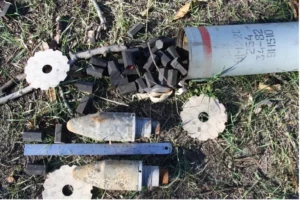
This image shows a 9M22S rocket with some of its unfunctioned payload of 180 ML-5 incendiary elements. Each ML-5 is a hexagonal prism formed from a hollow shell of magnesium that is filled with an incendiary composition. These elements are ignited by the ejection charge of the rocket’s warhead upon functioning. Two fuzes are also visible at the bottom of the image, immediately above and below the ruler. (ARES)
Analyst Note
9 January 2025
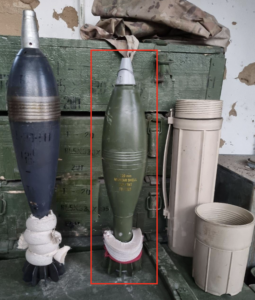
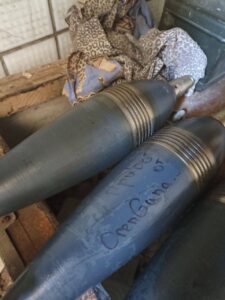
This image shows three North Korean 120 mm high explosive (HE) mortar projectiles. (ARES).