


1,301–1,400 of 1,470
Current Filter
Blast Munition
Use the rapid expansion of gases released by a detonating high explosive compound inside the munition to generate explosive power. Blast munitions are often considered general-purpose munitions and large examples can have powerful and widespread effects on targets such as structures and personnel.

Current Filter
Chemical Munition
Chemical weapons are munitions which deliver a chemical agent. These agents can be in gaseous, liquid, or solid form and can be deployed using a variety of munition types sometimes repurposed for chemical dispersion, including air-delivered bombs, rockets/missiles, mortar projectiles, and artillery projectiles. The use of these munitions can often result in widespread effects, and many are considered inherently indiscriminate. The 1997 Chemical Weapons Convention banned the development, production and use of chemical weapons. 193 countries have so far committed to the convention, including the United States, Russia, and China.
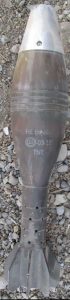
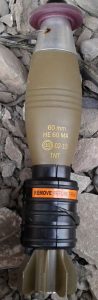
2 Analyst Notes:
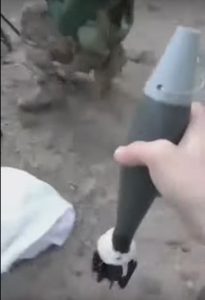
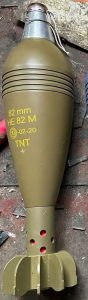
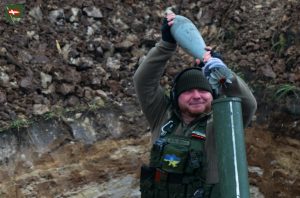
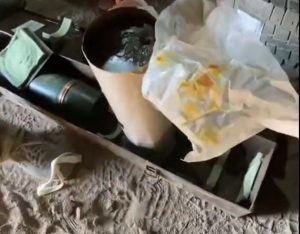
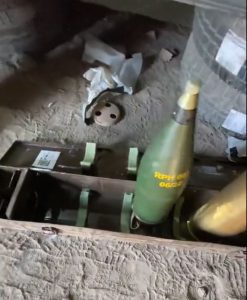
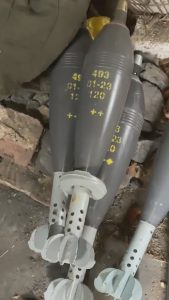
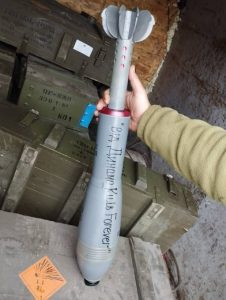
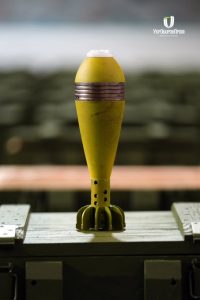
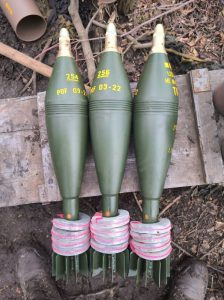
The plum-coloured plastic ring at the nose of this mortar projectile (placed over its fuze) and the black plastic propellant cover (placed over its tail) are both fitted for transport and storage, before the projectile is loaded into a cardboard tube, and then packed into an outer crate. The propellant cover obscures the perforated cylindrical tail assembly in this image. (ARES)

Analyst Note:
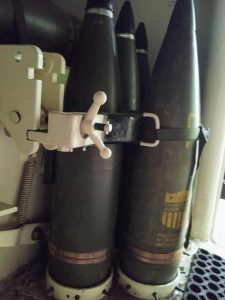
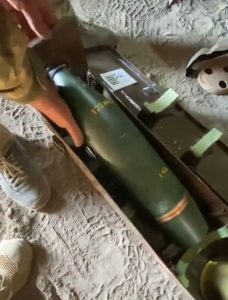
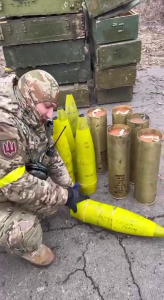
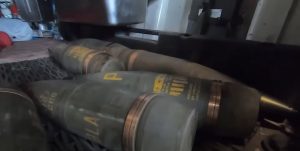
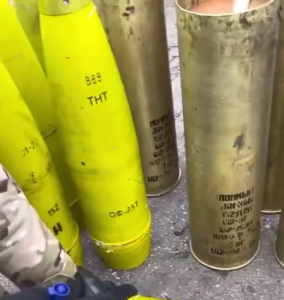
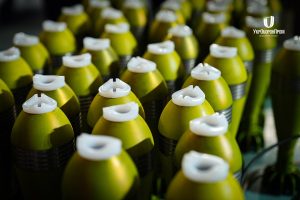
This image depicts a Ukrainian-made version of the Soviet-era OF-25 152 mm artillery projectile, the designation of which is not publicly known at this time (May 2024). The yellow base colour was commonly found in batches produced by Ukroboronprom in late 2022. Later batches returned to a grey base colour. (ARES)




Analyst Note:
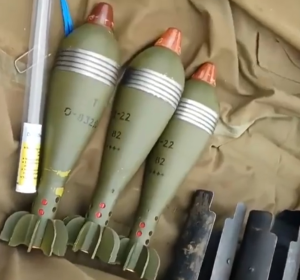
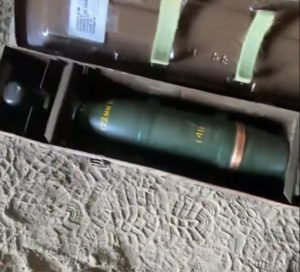
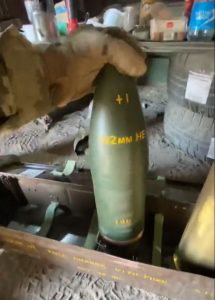
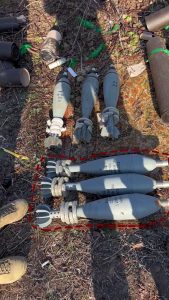
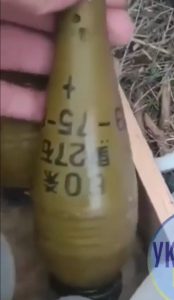
The “+” marking is a weight classification symbol which indicates standard deviation. One “+” sign indicates a deviation from 0.33% to 1.00% of the stated weight. (ARES)
Analyst Note:
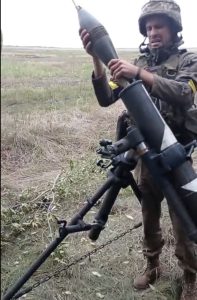
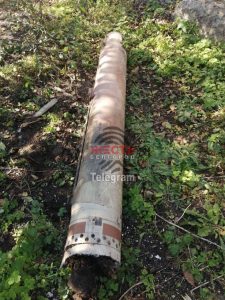
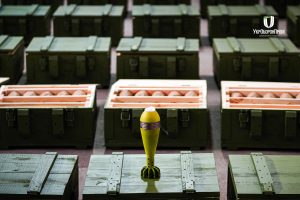
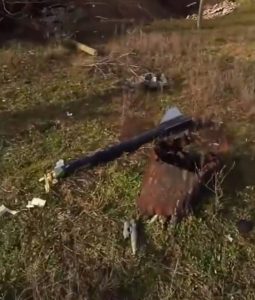
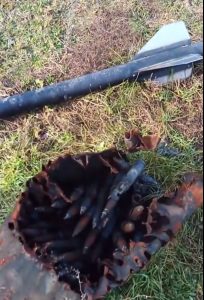
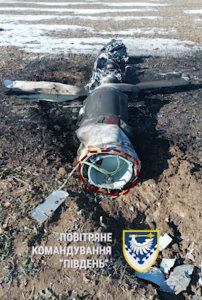
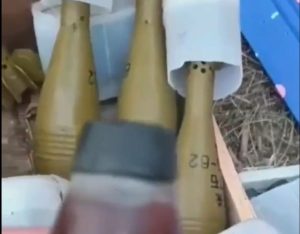
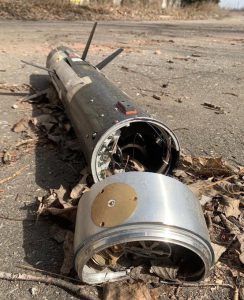
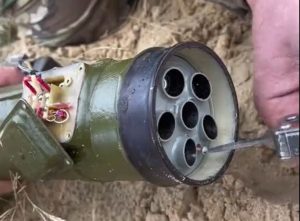
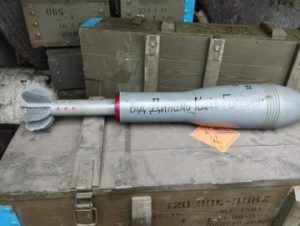
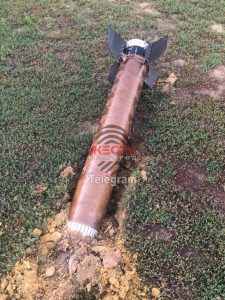
The OF-NMR is a rocket-assisted mortar projectile, which uses a solid-fuel rocket motor located in the cylindrical portion of the body, below the ogive, to extend its range. Rocket-assisted mortar projectiles are rarely encountered. (ARES)


Analyst Note:
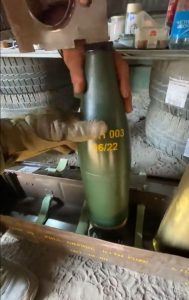
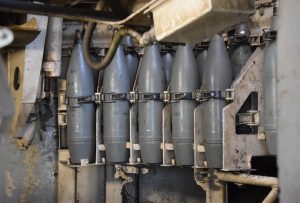
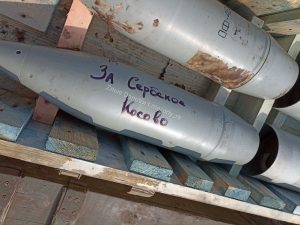
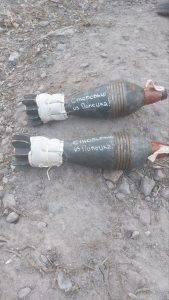
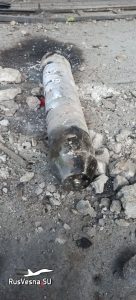
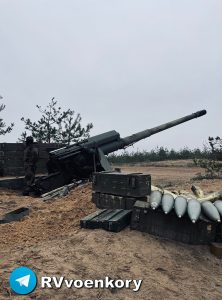
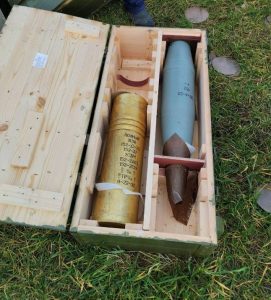
Whereas many cartridges are of the 'fixed' type—with the propellant charge contained entirely within the cartridge, and the cartridge case crimped around the projectile—the OF-540 artillery gun projectile is a type of 'semi-fixed' ammunition. A round of semi-fixed ammunition is separated into two groups of components: the projectile and fuze; and the cartridge case, primer, and one or more propellant charges. These two component groups are typically combined at the time of loading the gun, or shortly beforehand. The majority of ammunition fired by artillery systems is either semi-fixed or 'separate loading' (see Glossary). (ARES)









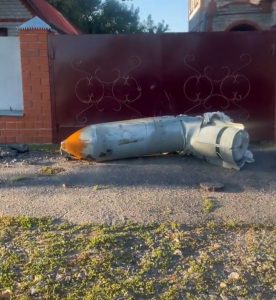
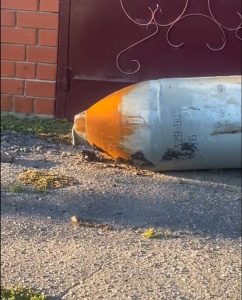
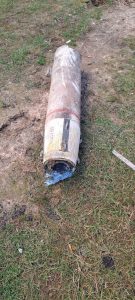
Analyst Note:
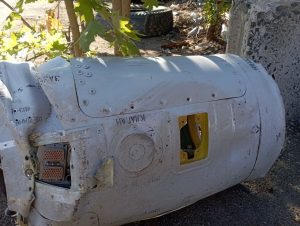
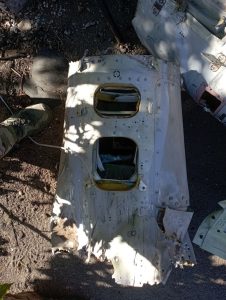
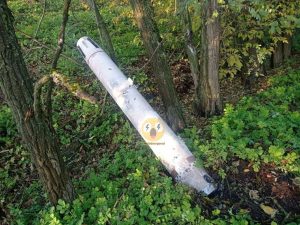
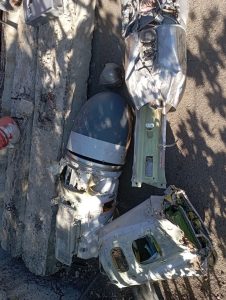
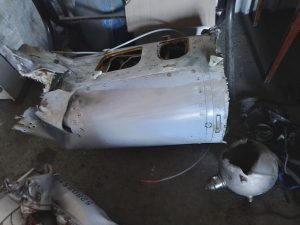
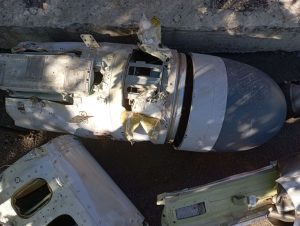
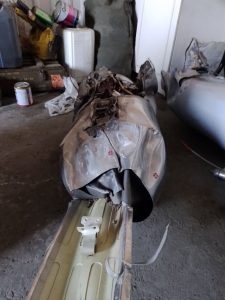
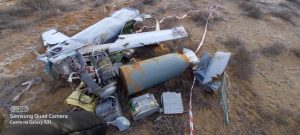
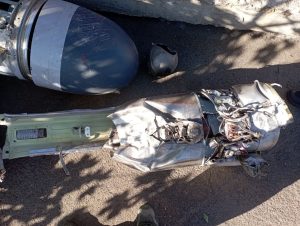
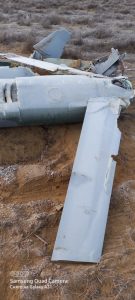
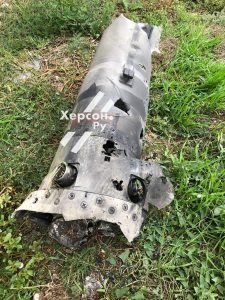
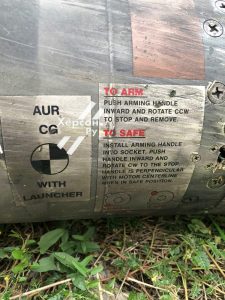
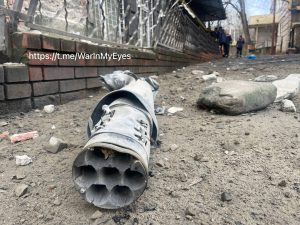
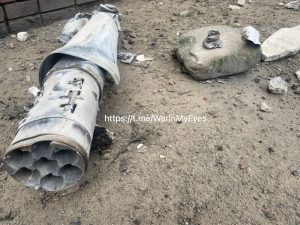
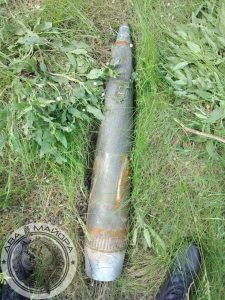
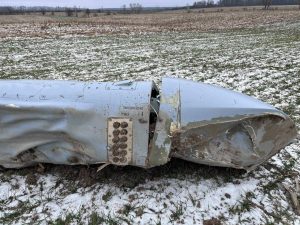
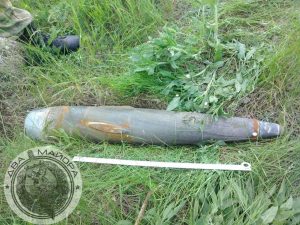
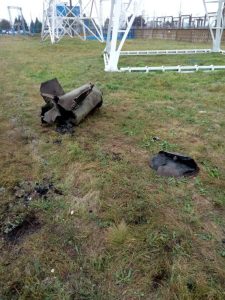
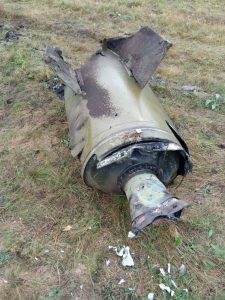
The AGM-88 High-Speed-Anti-Radiation-Missile (HARM) is an air-to-surface anti-radiation guided missile that seeks and destroys radar-based air-defence systems by detecting radar emissions, locking on to these, and using them to home in on a target. (ARES)