



101–200 of 500
Current Filter
Fixed Fins
Fins that are not intended to move immediately prior to or after the employment of the munition.

Analyst Note
4 March 2026
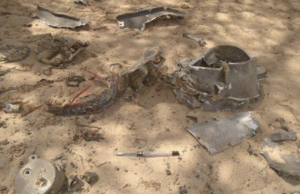
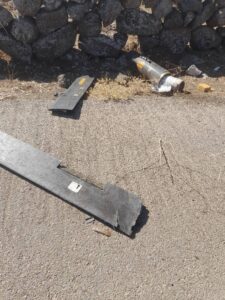
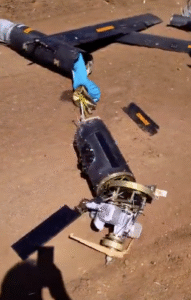
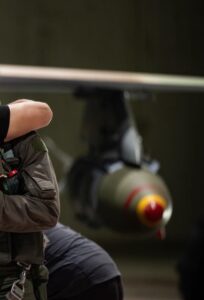
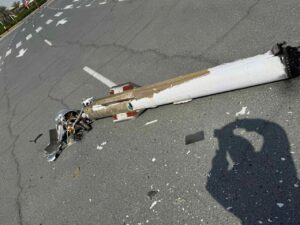
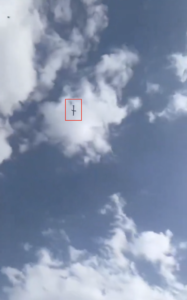
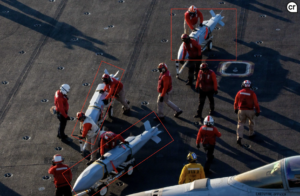
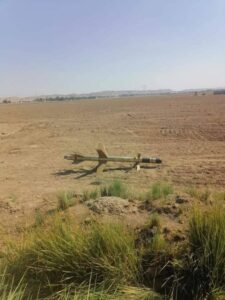
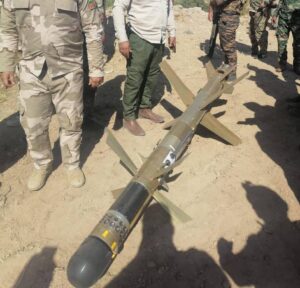
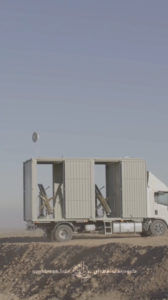
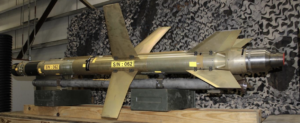
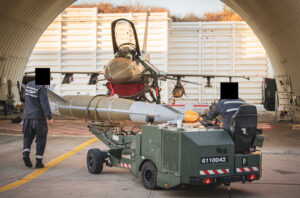
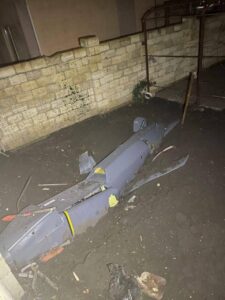
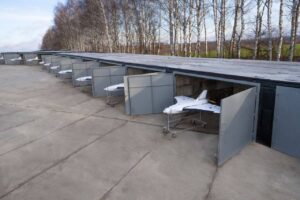
This image shows a Low-Cost Unmanned Combat Attack System (LUCAS). The LUCAS one-way attack UAV is a U.S.-made, cost-effective ‘kamikaze drone’. LUCAS munitions can connect to one another via a mesh network, allowing multiple LUCAS drones to communicate in flight. The white square object connected to the munition by a cable appears to be a Starlink antenna, consistent with reported communication capabilities. Elon Musk has claimed that LUCAS operates only via Starshield, a Starlink-derived satellite network intended for government use. (ARES)
Analyst Note
2 March 2026
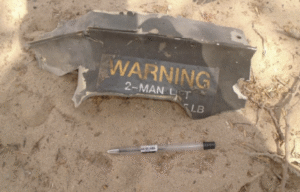
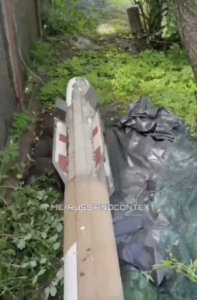
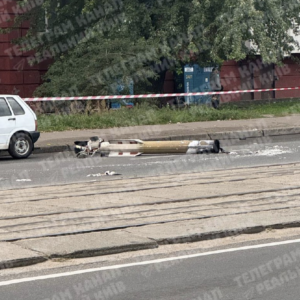
This image shows the remnants of a PAC-3 Cost Reduction Initiative (CRI) missile. The PAC-3 family of missiles are hit-to-kill interceptors that defend against incoming ballistic missiles, cruise missiles, aircraft, and other targets primarily by using kinetic impact. However, it is important to note that these missiles contain a high explosive fragmentation (HE-FRAG) “lethality enhancer” warhead. These warheads are much smaller than what would normally be expected on a surface-to-air missile of this size, but still present a hazard if it fails to function as designed. (ARES)
Analyst Note
2 March 2026
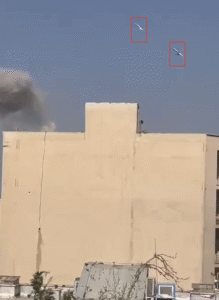
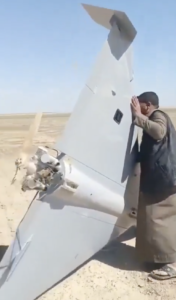
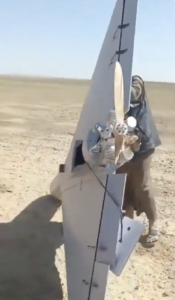
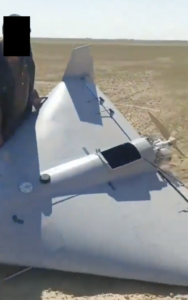
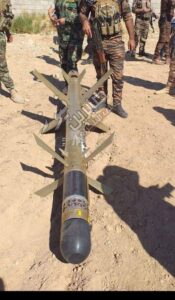
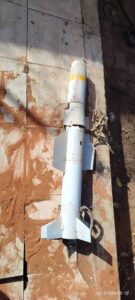
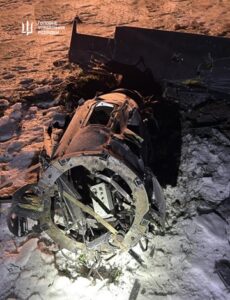
The Iranian 358 surface-to-air missile is reportedly a ‘loitering munition’, designed for engaging drones and rotary-wing aircraft. It employs a combination of ground-based and onboard thermal cameras to scan a designated area, and then uses an infrared imaging seeker in the nose to locate and lock onto targets. The missile carries a 10 kg fragmentation warhead, which is functioned by a 360-degree laser proximity sensor. (ARES)

Analyst Note
31 December 2025
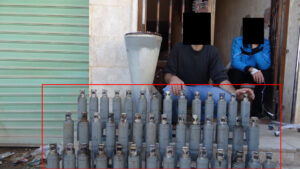
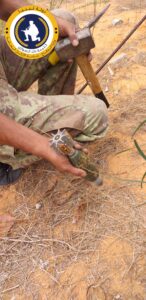
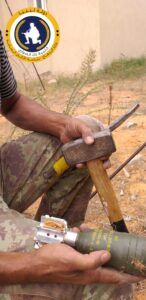
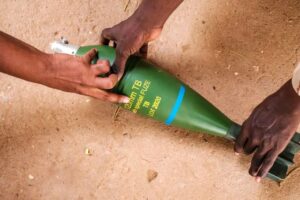
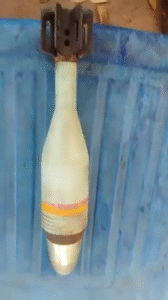
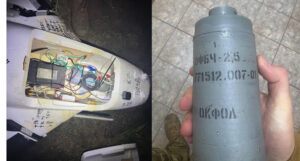
This munition, despite being adapated from the design of a 120 mm mortar projectile and closely resembling such, is actually a small air-delivered bomb intended to be dropped by UAV. The manufacturer clearly states that the munition should not be fired from a mortar. Additional data from the manufacturer states that it uses a UT M18 “special impact fuze”. (ARES)
Analyst Note
31 December 2025
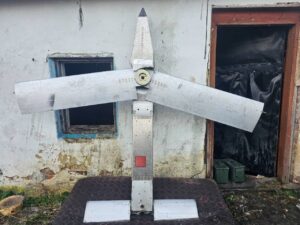
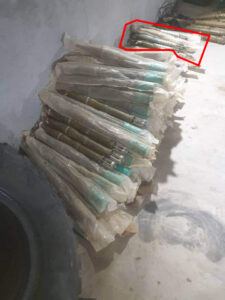
The UMPK guidance package is a ‘bolt-on’ kit that can be fitted to unguided air-delivered bombs to convert them to guided munitions. The UMPK kit also greatly extends the range of the munition to which it is fitted, allowing aircraft to strike from beyond the range of many air-defence systems. Currently only Russia manufacturers and uses these kits. (ARES)
Analyst Note
31 December 2025
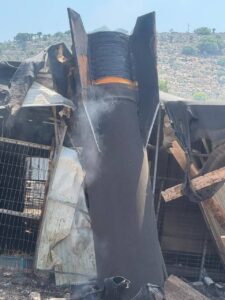
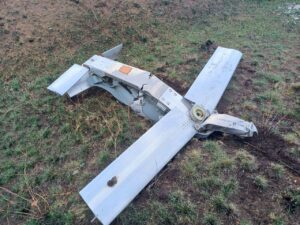
This image shows a russian air-delivered bomb fitted with a UMPK guidance kit. Not enough of the bomb is visible to positively identify the model, but it is most likely an OFAB-250-270 based on what can be seen of the tail section. (ARES)
Analyst Note
15 September 2025
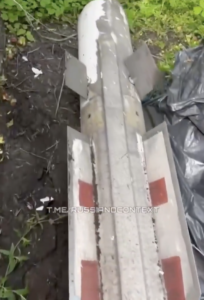
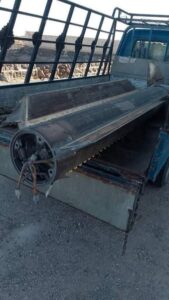
This image shows a Mk 104 Dual Thrust Rocket Motor (DTRM), the second-stage rocket motor for the SM-2, SM-3 Blk I, and SM-6 missiles. Based on the strakes or fins attached to this Mk 104, it can be determined that it was part of an SM-3 Blk I series missile. (ARES)

Analyst Note
15 September 2025
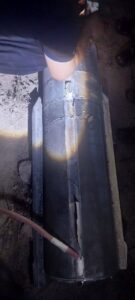
This image provides a close-up view of the bottom of the MK 136 Third Stage Rocket Motor section from a RIM-161 Standard Missile 3 (SM-3) Blk I guided missile. The integral warm gas/cold gas attitude control system, including its four venturis, is visible. (ARES)
Analyst Note
15 September 2025
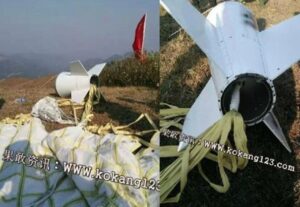
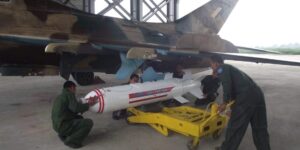
This image shows the MK 136 Third Stage Rocket Motor of a U.S. RIM-161 Standard Missile 3 (SM-3) Blk I interceptor missile. The SM-3 Blk I variants share the same propulsion sections, but have differences in the kill vehicle section. The SM-3 Blk II variants are substantially different, including new, larger-diameter propulsion sections. SM-3 missiles have a booster, dual-thrust rocket motor, third-stage rocket motor, and an altitude control section in the kill vehicle. (ARES)
Analyst Note
9 January 2026
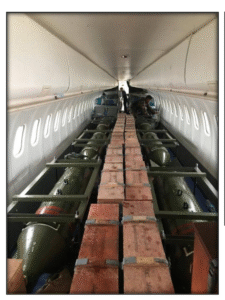
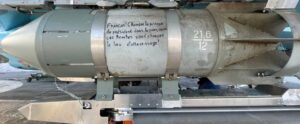
This Russian air-delivered cluster bomb is marked with a threatening message directed at the French people: «Français! Changer la politique du président dans le pays, sinon ces bombes vont changer le lieu d'atterrissage!» (“French people! Change the president’s policy in the country, otherwise these bombs will change their landing site!”). (ARES)


Analyst Note
28 November 2025
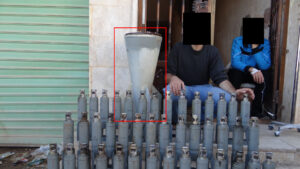
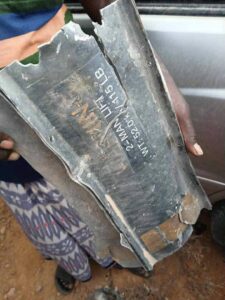
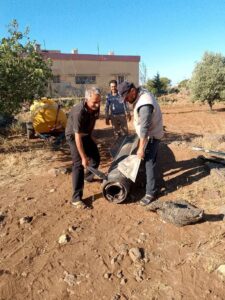
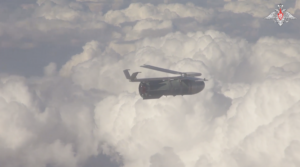
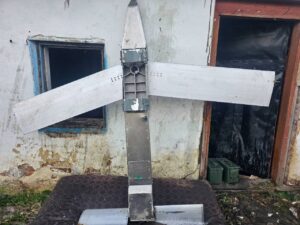
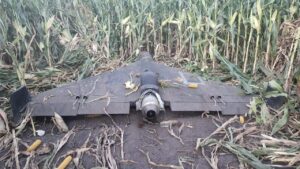
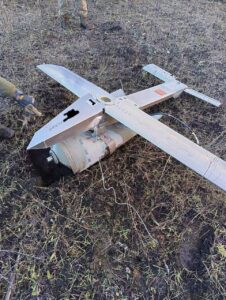
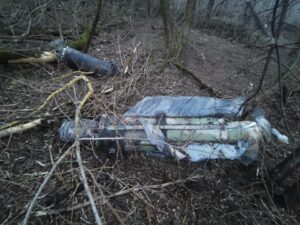
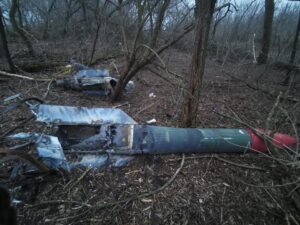
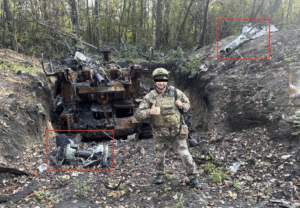
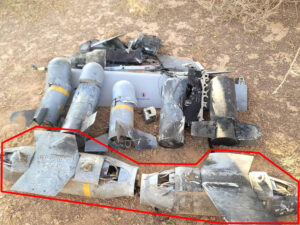
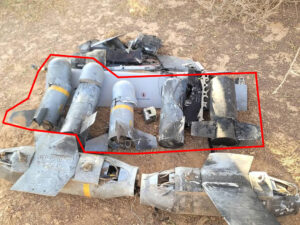
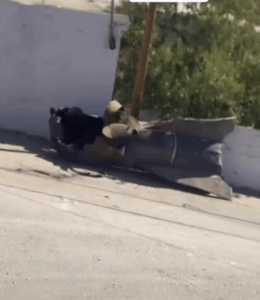
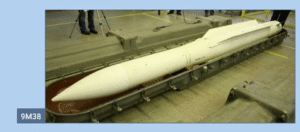
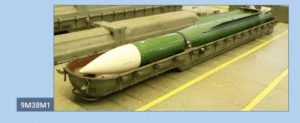
Positive identification of this surface-to-air missile cannot be made based on the imagery in the source. The items highlighted in this image are most likely the remains of either a 9M38- or 9M317-series missile, based on fin construction and their size relative to the individual posing in the foreground. These two missiles are close in design and function, and are predominantly fired from the Buk series of SAM systems. (ARES)
Analyst Note
8 December 2025
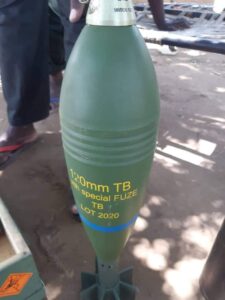
This image shows a ‘120mm TB’ air-delivered bomb that has been adapted from a 120 mm mortar projectile. It is claimed by the manufacturer that this thermobaric munition offers improved fragmentation and blast effects when compared with standard (high explosive) 120 mm mortar projectiles. The “with special FUZE” marking refers to the use of the UT M18 impact fuze. Note that this munition cannot be fired from a mortar, despite the munition body showing features consistent with this use (e.g., gas-check bands). Instead of a standard mortar projectile tailboom which would contain an ignition cartridge and be perforated by flash holes, this munition is fitted with a simplified, plastic tailfin assembly that is designed to stabilise the munition as it falls after being released by a UAV. (ARES)
Analyst Note
28 November 2025
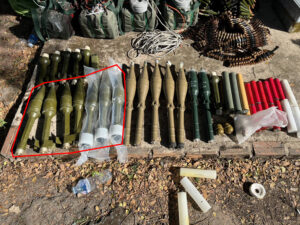
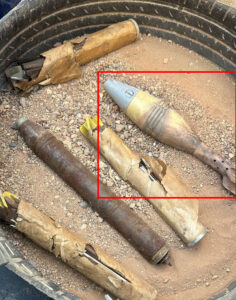
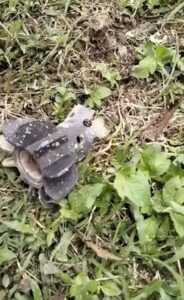
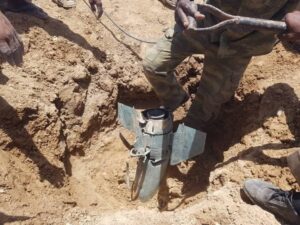
The physical features of this munition indicate that it is most likely an Iranian 60 mm ‘high explosive, long-range’ (“H.E. L.R.”) mortar projectile fitted with an AZ111A2 impact fuze. However, positive identification cannot be made based on the source imagery. (ARES)
Analyst Note
2 December 2025
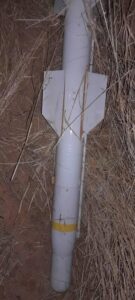
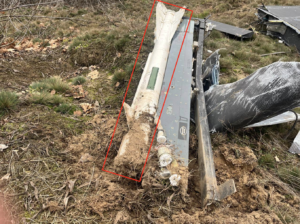
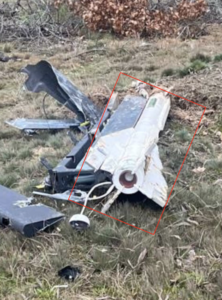
This image represents the first documented instance of a Shahed-series UAV carrying an R-60 air-to-air missile. This appears to add a new capability to the Shahed, enabling it to target enemy aircraft. Arming UAVs to counter interception and engage alternative targets is an emergent trend. Previously, unmanned surface vessels (USVs) employed by the Ukrainian Armed Forces have been observed carrying R-73 air-to-air missiles, for example. (ARES)
Analyst Note
28 November 2025
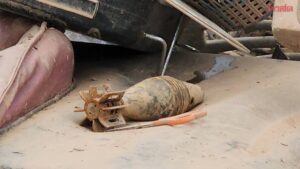
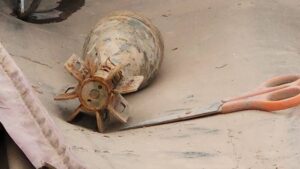
This image shows an M49-series 60 mm high explosive (HE) mortar projectile, or a copy thereof. Due to the state of the round the available imagery, the specific model or variant cannot be determined. The fuze is also not clearly visible. Most M49 mortar projectiles use an M525, M717, M935, or similar point-detonating (PD) fuze. (ARES)
Analyst Note
15 September 2025
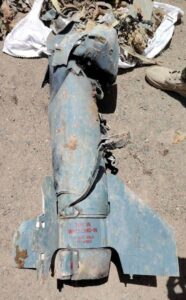
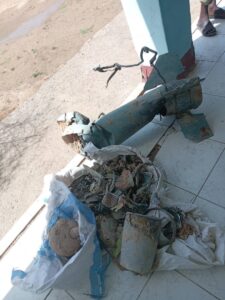
This image shows the damaged rocket motor section of a ballistic missile that was fired by the Houthis in Yemen towards Israel and likely intercepted. The Houthis employ ballistic missiles that are supplied by Iran, and given different names. In Houthi service, the Iranian Kheibar Shekan missile is known as the Hatem-2. (ARES)
Analyst Note
29 September 2025
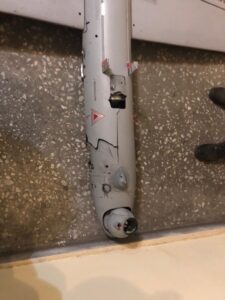
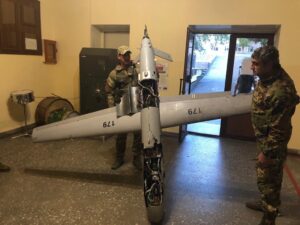
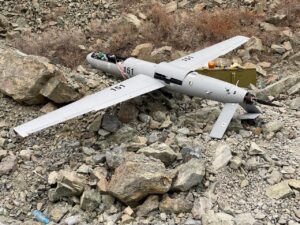
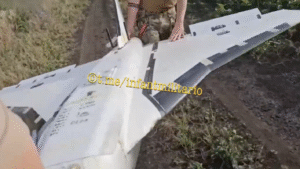
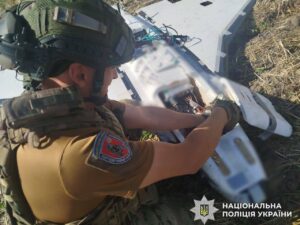
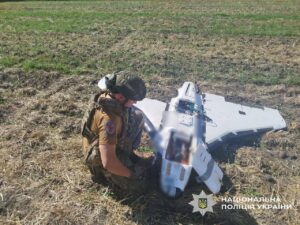
A Gerbera-series UAV is pictured here being carried by just two Ukrainian soldiers. This highlights the Gerbera’s lightweight design—the airframe is mostly constructed from Styrofoam and wood, which saves on both weight and cost. This particular example does not bear signs of significant damage, suggesting that it either malfunctioned or was brought down by EW and crashed. (ARES)
Analyst Note
15 September 2025
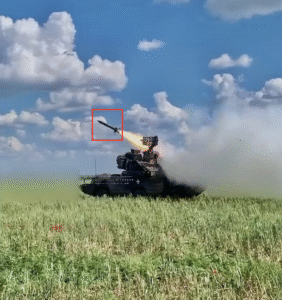
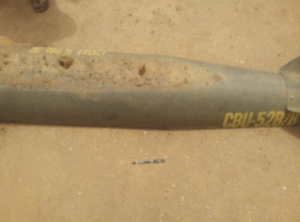
This image shows part of an SUU-30H/B dispenser (cargo munition) that comprises part of the CBU-52B/B ‘Cluster Bomb Unit’. A CBU-52B/B comprises a SUU-30H/B dispenser that is loaded with 217 BLU-61A/B anti-personnel submunitions. (ARES)
Analyst Note
15 September 2025
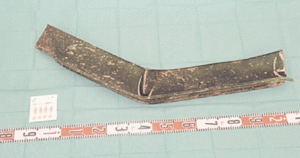
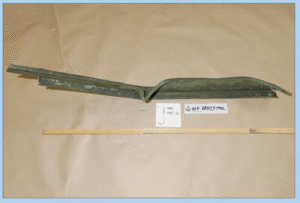
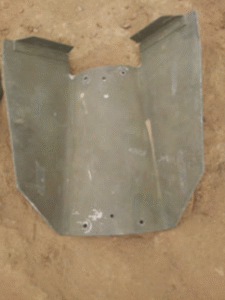
This image shows one of two tail fin sections that are attached to an SUU-30H/B air-delivered dispenser (cargo munition). Similar tail fins are used in other variants of the SUU-30 series dispensers. The SUU-30H/B can be used in various ‘Cluster Bomb Units’ including variants of the CBU-52, CBU-58, and CBU-71 munitions. (ARES)
Analyst Note
15 September 2025
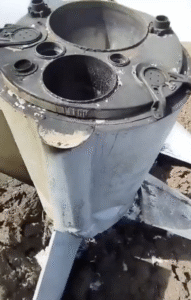
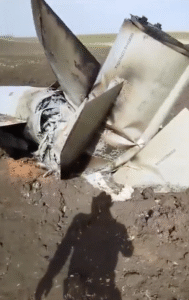
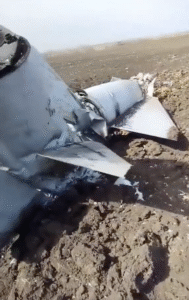
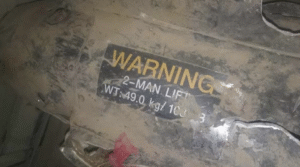
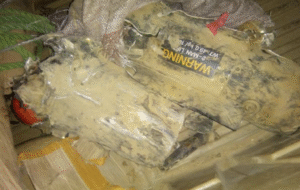
This image shows remnants of two different rocket motors from AGM-114 series Hellfire missiles. While it cannot be determined by these entries alone, images of the damage from the strike associated with this image, gathered by Mwatana, indicate that both of these AGM-114 missiles were the kinetic AGM-114R9X variant. (ARES)