




201–300 of 1,272
Current Filter
Delivered Munition
A munition that has been employed—e.g., fired, dropped, or launched—from a delivery platform. The munition may have either functioned or failed to function.
Analyst Note
2 March 2026
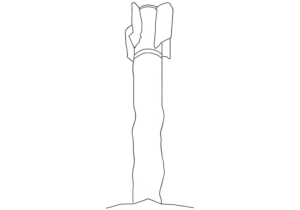
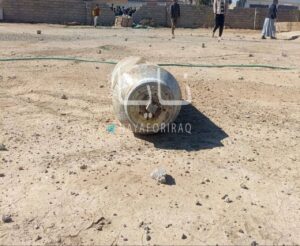
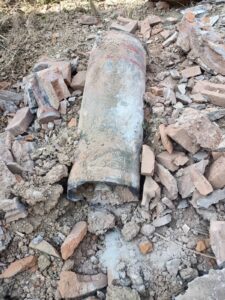
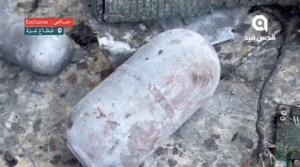
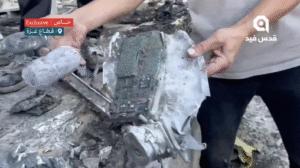
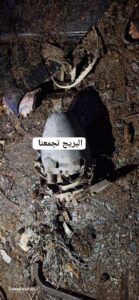
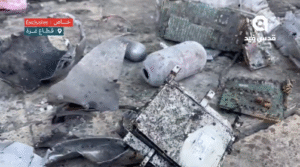
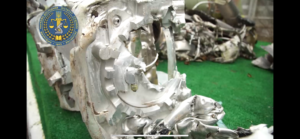
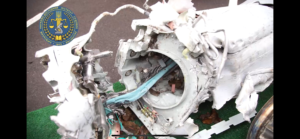
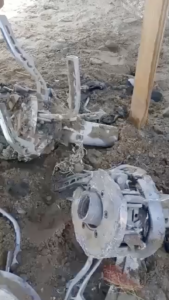
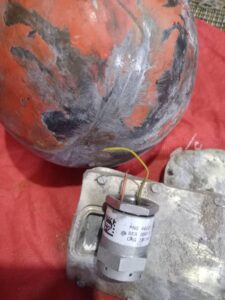
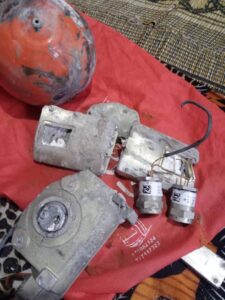
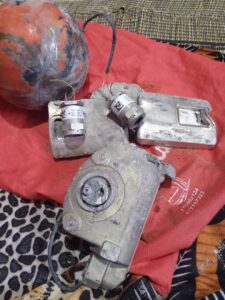
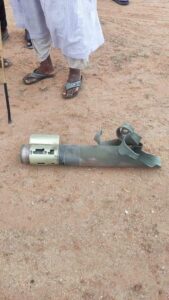
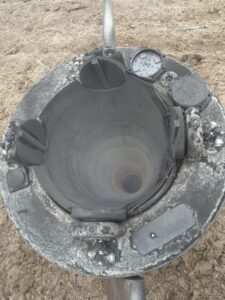
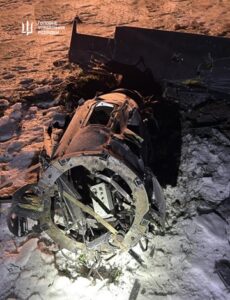
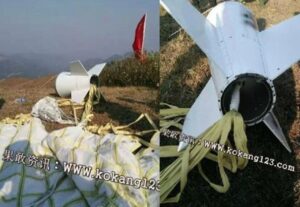
This image shows the remains of the attitude control section of either a PAC-3 CRI or PAC-3 MSE missile. This section contains the attitude control motors, used in combination with control fins to guide and adjust the missiles on its way to the target. It is difficult to determine which of the two models this wreckage belongs to due the similarities of this section in both missiles and the absence of other distinctive components. (ARES)

Analyst Note
2 March 2026
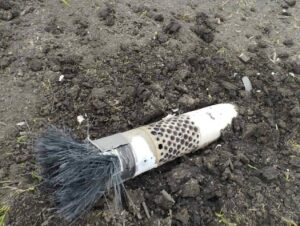
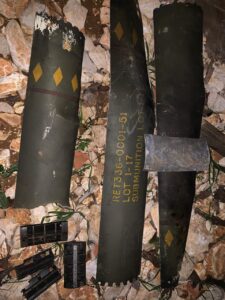
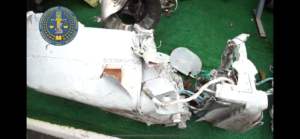
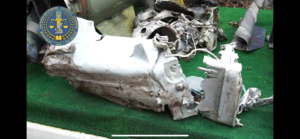
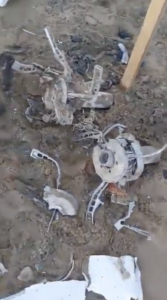
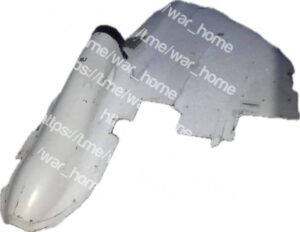
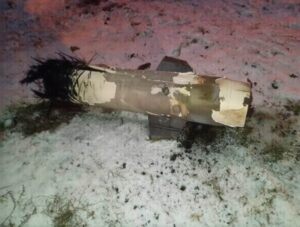
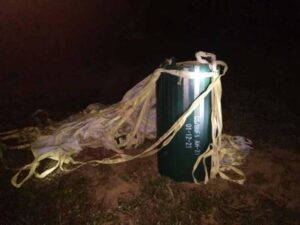
This image shows the remnants of a PAC-3 Cost Reduction Initiative (CRI) missile. The PAC-3 family of missiles are hit-to-kill interceptors that defend against incoming ballistic missiles, cruise missiles, aircraft, and other targets primarily by using kinetic impact. However, it is important to note that these missiles contain a high explosive fragmentation (HE-FRAG) “lethality enhancer” warhead. These warheads are much smaller than what would normally be expected on a surface-to-air missile of this size, but still present a hazard if it fails to function as designed. (ARES)
Analyst Note
2 March 2026
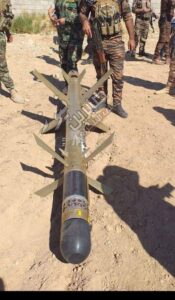
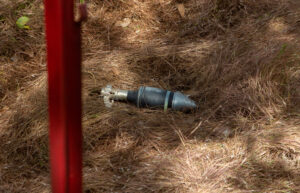
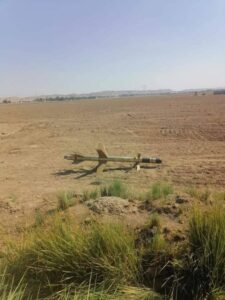
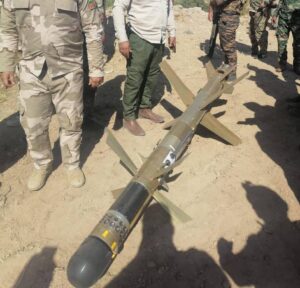
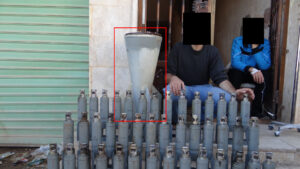
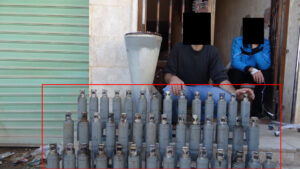
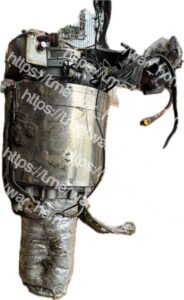
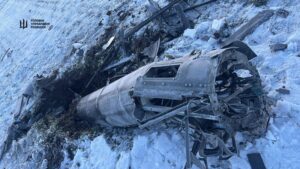
The Iranian 358 surface-to-air missile is reportedly a ‘loitering munition’, designed for engaging drones and rotary-wing aircraft. It employs a combination of ground-based and onboard thermal cameras to scan a designated area, and then uses an infrared imaging seeker in the nose to locate and lock onto targets. The missile carries a 10 kg fragmentation warhead, which is functioned by a 360-degree laser proximity sensor. (ARES)






Collection
Як визначити чи був випущений артилерійський снаряд
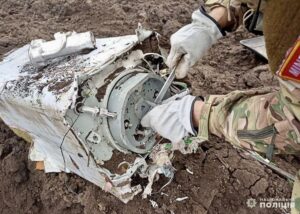
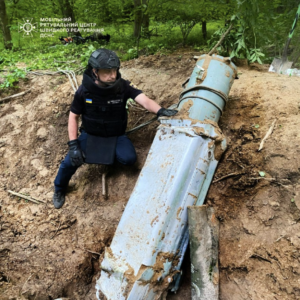
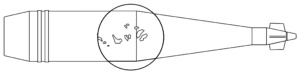
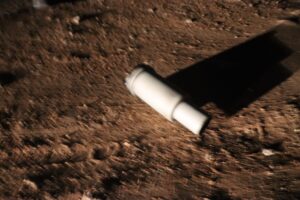
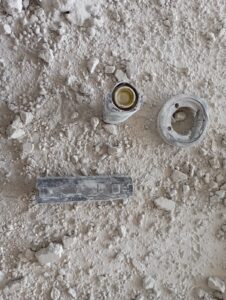
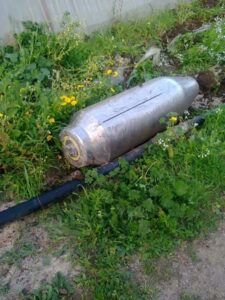
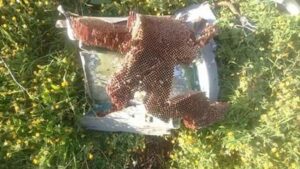
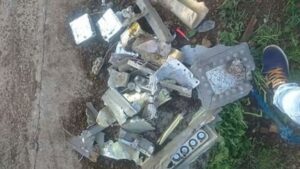
Якщо артилерійський снаряд виглядає ніби не спрацював, то іноді буває складно визначити з першого погляду, чи він був випущений і не спрацював, чи взагалі не був випущений. Загалом, фахівці з боєприпасів шукають такі три характеристики для визначення:


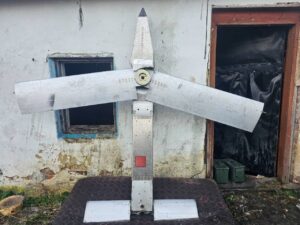
Analyst Note
31 December 2025
The UMPK guidance package is a ‘bolt-on’ kit that can be fitted to unguided air-delivered bombs to convert them to guided munitions. The UMPK kit also greatly extends the range of the munition to which it is fitted, allowing aircraft to strike from beyond the range of many air-defence systems. Currently only Russia manufacturers and uses these kits. (ARES)
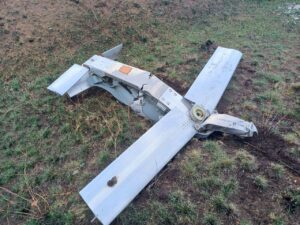
Analyst Note
31 December 2025
This image shows a russian air-delivered bomb fitted with a UMPK guidance kit. Not enough of the bomb is visible to positively identify the model, but it is most likely an OFAB-250-270 based on what can be seen of the tail section. (ARES)
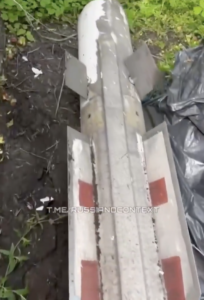
Analyst Note
31 December 2025
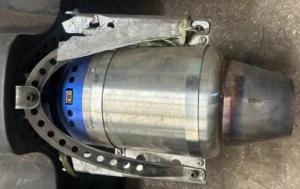
This image shows a Telefly JT80 jet engine, as used on Shahed-238 (Geran-3) UAVs. These jet engines are manufactured in China by Telefly Telecommunications Company. According to the manufacturer, each engine produces approximately 80kg of thrust. (ARES)
Analyst Note
9 January 2026
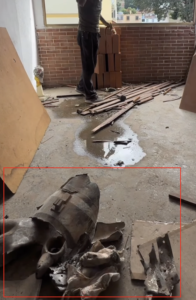
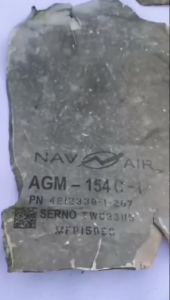
The AGM-154 Joint Standoff Weapon (JSOW) is a guided air-delivered ‘glide bomb’ that allows for long-range strikes using an unpowered munition. The AGM-154C and AGM-154C-1 variants (a remnant of the latter pictured here) carry a Bomb Royal Ordnance Augmented Charge (BROACH) multi-stage warhead which uses a WDU-44 shaped-charge warhead as its first stage, to help penetrate hardened targets, whilst the WDU-45 second stage comprises a conventional high explosive penetrator warhead (also called a ‘follow-through’ warhead). The AGM-154C-1 is described by the U.S. Navy as their “first air-to-ground Network-Enabled Weapon (NEW) capable of attacking stationary land and moving maritime targets. It includes GPS/INS guidance, terminal IR seeker and a Link 16 weapon data link. Integration of the Link-16 weapon data link and updated seeker software algorithms provide a capability against at-sea moving/relocatable targets.” (ARES)

Analyst Note
9 January 2026
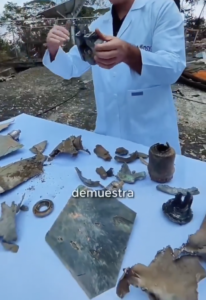
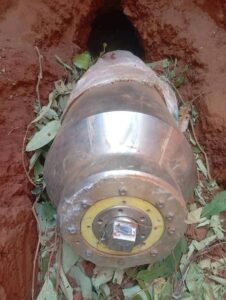
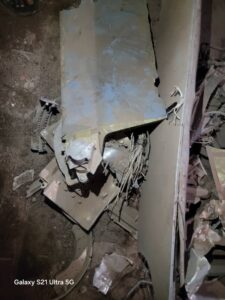
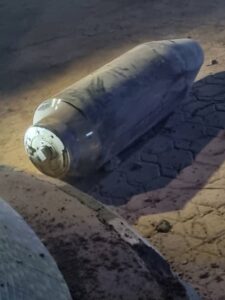
This image shows a WDU-36 series warhead as used in the RGM-/UGM-109 Tomahawk series of cruise missiles. The warhead design suggests this is likely a WDU-36/B from an RGM-/UGM-109E missile. The RGM-/UGM-109E Tomahawk Land Attack Missile (also known as TLAM Block IV) is an improved version of the BGM-109C TLAM-C. In cases where the missile strikes a building but does not function as intended, the dense, comparatively heavy warhead is often projected forwards of the point of impact. (ARES)
Analyst Note
9 January 2026
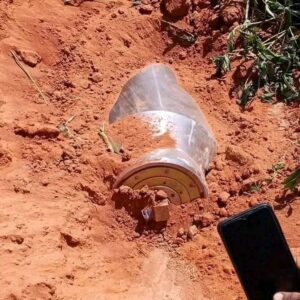
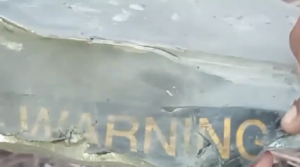
This image shows a WDU-36/B warhead as used in the RGM-/UGM-109 Tomahawk series of missiles. The WDU-36/B is the improved, lighter version of the previous WDU-25/B warhead. It is reported that the titanium-cased WDU-36/B weighs around 310 kg and carries a main charge of approximately 120 kg of PBXN-107 high explosives. (ARES)



Analyst Note
15 September 2025
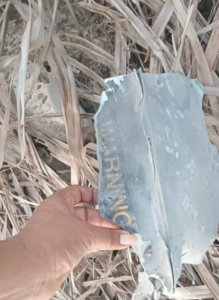
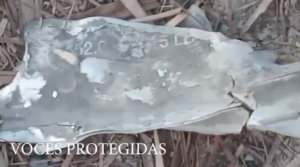
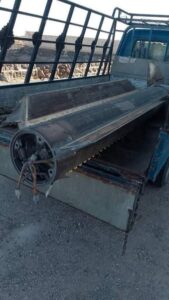
This image shows a Mk 104 Dual Thrust Rocket Motor (DTRM), the second-stage rocket motor for the SM-2, SM-3 Blk I, and SM-6 missiles. Based on the strakes or fins attached to this Mk 104, it can be determined that it was part of an SM-3 Blk I series missile. (ARES)

Analyst Note
15 September 2025
This image provides a close-up view of the bottom of the MK 136 Third Stage Rocket Motor section from a RIM-161 Standard Missile 3 (SM-3) Blk I guided missile. The integral warm gas/cold gas attitude control system, including its four venturis, is visible. (ARES)
Analyst Note
15 September 2025
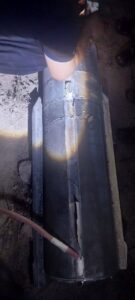
This image shows the MK 136 Third Stage Rocket Motor of a U.S. RIM-161 Standard Missile 3 (SM-3) Blk I interceptor missile. The SM-3 Blk I variants share the same propulsion sections, but have differences in the kill vehicle section. The SM-3 Blk II variants are substantially different, including new, larger-diameter propulsion sections. SM-3 missiles have a booster, dual-thrust rocket motor, third-stage rocket motor, and an altitude control section in the kill vehicle. (ARES)

Analyst Note
31 December 2025
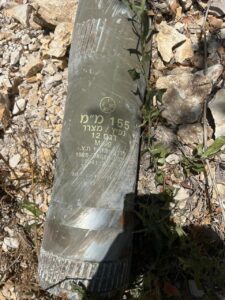
This image depicts remnants from a M999 (‘Barak Eitan’) 155 mm cluster munition. Reports indicate that the M999 artillery projectile carries nine M99 Dual-Purpose Improved Conventional Munition (DPICM) submunitions. (ARES)
Analyst Note
9 January 2026
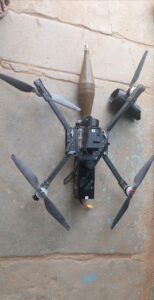
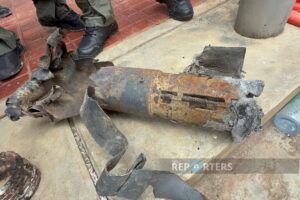
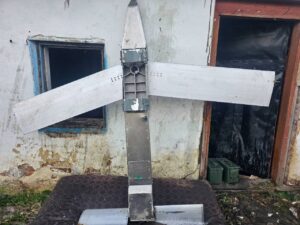
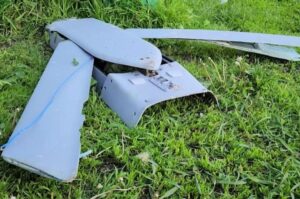
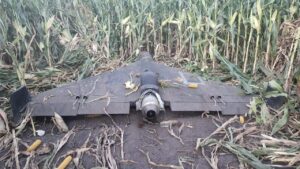
This image shows a one-way attack (OWA) UAV fitted with a high explosive anti-tank (HEAT) warhead adapted from a PG-7 series recoilless gun projectile. (ARES)




Analyst Note
9 January 2026
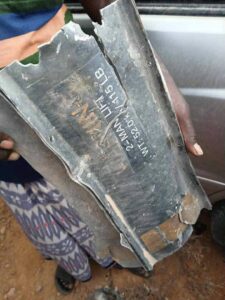
This sheet-metal body component is marked with a manufacturer’s CAGE Code (“MFR-59518”) which indicates it was produced by GlenDee Corp. of Moorpark, California, which does business as Metalagraphics, Inc. (MGI). (ARES)

Analyst Note
9 January 2026
Moog Inc.—headquartered in East Aurora, New York, as marked on this munitions remnant—describes itself as a “worldwide designer, manufacturer, and integrator of precision control components and systems”. Moog supplies actuator and control components to the prime contractor on the Miniature Air-Launched Decoy (MALD) programme, Raytheon. (ARES)
Analyst Note
28 November 2025
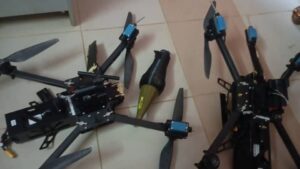
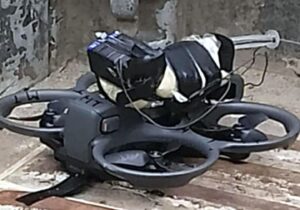
This guided munition is built around a sacrificial DJI Avata-series UAV that has been fitted with an improvised explosive device (IED). From front to back, it consists of an impact switch made from a syringe, the main charge (yellow/white material in a plastic bag), and a battery that acts as the power source. While crudely made, it is probably still functional. (ARES)
Analyst Note
28 November 2025
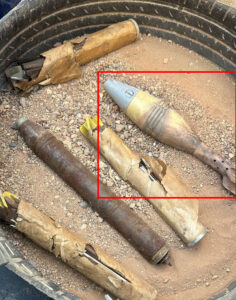
The physical features of this munition indicate that it is most likely an Iranian 60 mm ‘high explosive, long-range’ (“H.E. L.R.”) mortar projectile fitted with an AZ111A2 impact fuze. However, positive identification cannot be made based on the source imagery. (ARES)
Analyst Note
28 November 2025
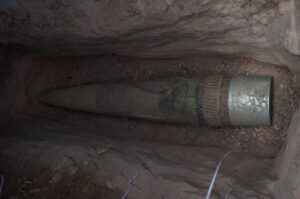
The munition depicted in this image is a type of aerodynamically optimised artillery projectile, in this case 155 mm in calibre, known as an ‘Extended Range Full-Bore (ERFB)’ design. This example is a cargo projectile fitted with a base-bleed (BB) base unit to further extend its range. This configuration is designated NR269, and reportedly contains 56 M46 dual-purpose (anti-personnel/anti-armour) submunitions. (ARES)

Analyst Note
28 November 2025
This image shows the base of a 155 mm Extended Range Full-Bore (ERFB) projectile, fitted with either a base-bleed (BB) or a base-bleed, rocket-assisted (BB/RA) base unit. Although munitions of this type are capable of carrying submunitions and this image is associated with an incident about which claims of cluster munitions use have been made, there is not enough of the projectile visible in the source images to determine what type of payload was carried by this particular round. (ARES)
Analyst Note
28 November 2025
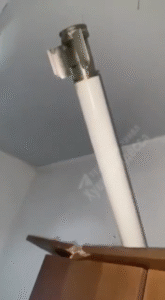
This image shows the rear section of a Hydra-70 rocket. The Hydra-70 uses the MK 66 series of rocket motors, visible here, but can be fitted with at least 11 different warheads. They can also be fitted with the Advanced Precision Kill Weapon System (APKWS) ‘bolt-on’ guidance kit, converting an unguided rocket into a guided missile. From the available imagery, it is not clear with which warhead or guidance section this munition may have been fitted. (ARES)
Analyst Note
28 November 2025
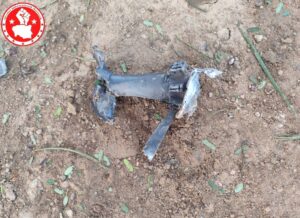
This image shows the venturi and tailfin assembly from a 57 mm S-5 series rocket. The S-5 series of rockets are commonly used around the world in a variety of roles, including air-to-surface and surface-to-surface. Unfortunately, from this image alone the specific model and country of origin cannot be determined. (ARES)