



Featured Materials
A curated selection of images, terms and collections to help understand modern conflict.
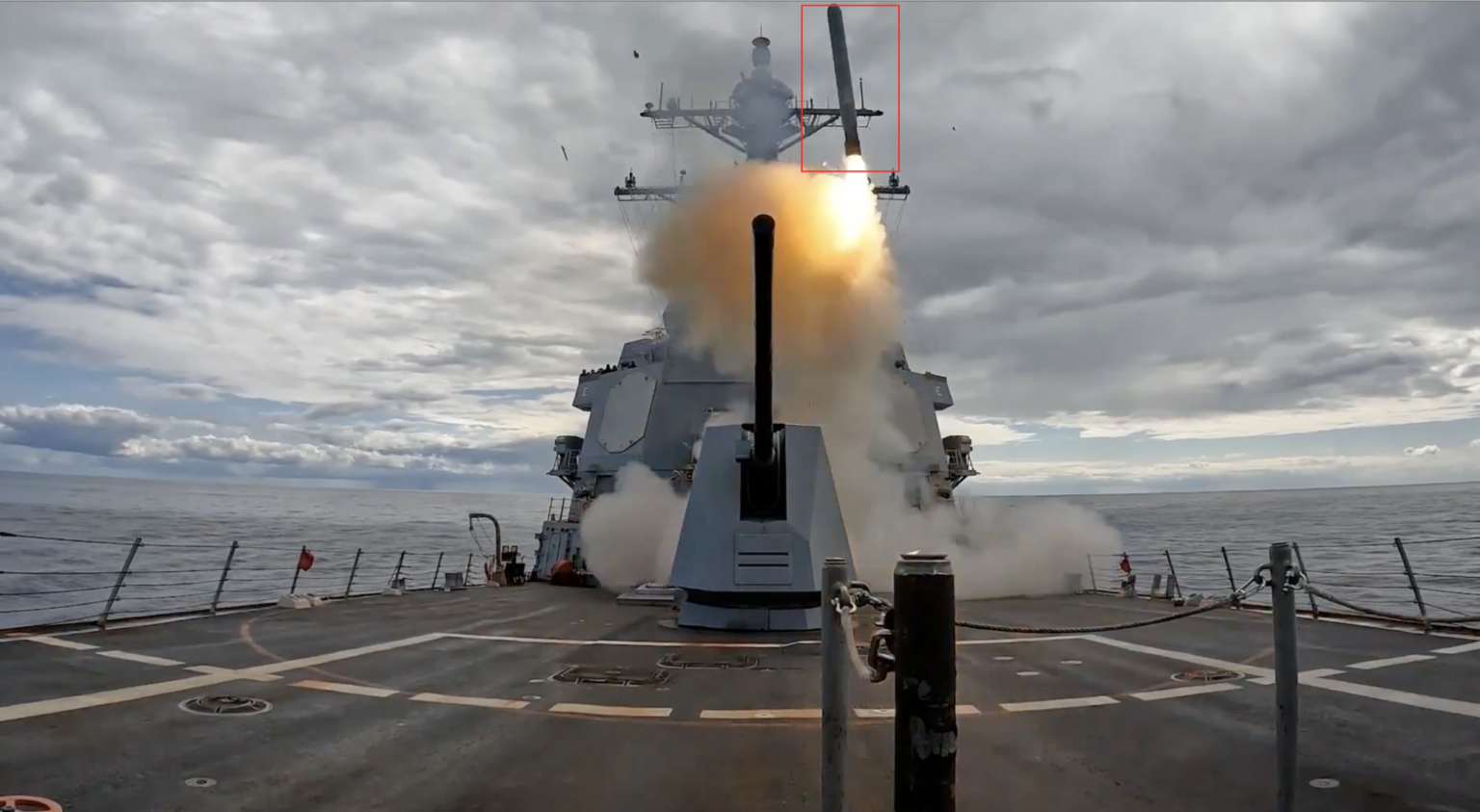
Iran War 2026
Munition images from the ongoing Middle East conflict
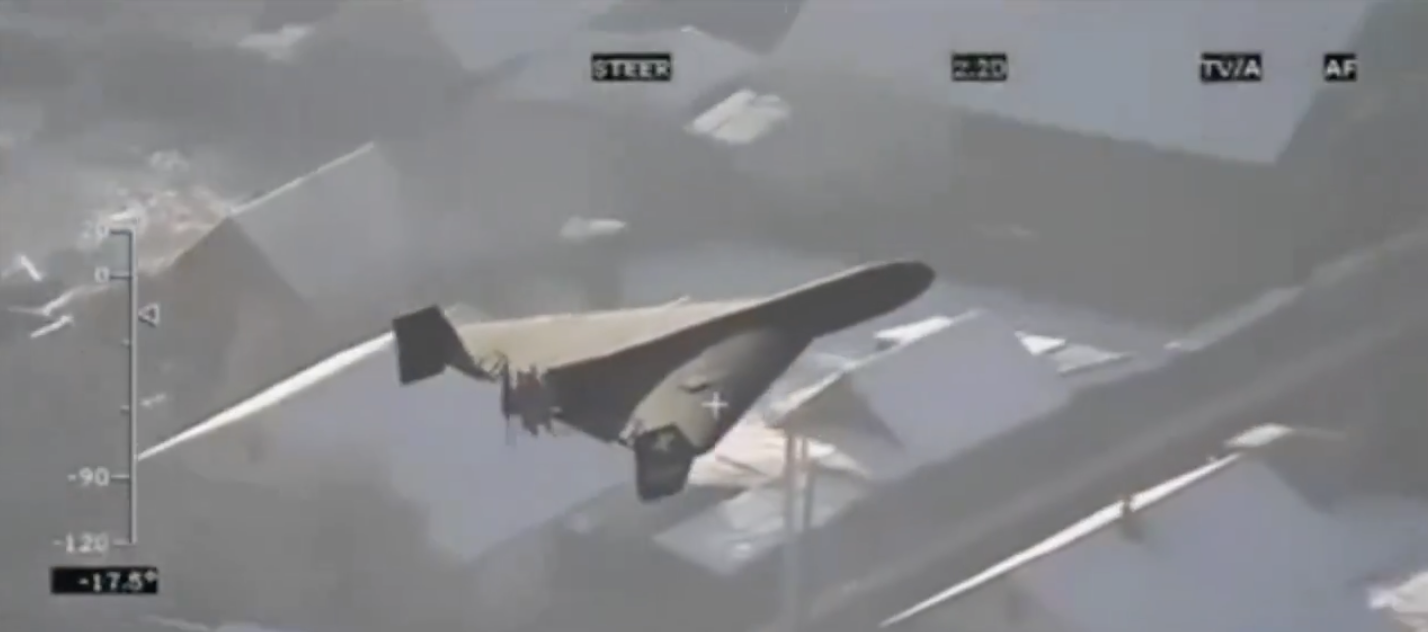
Shahed-131 & -136 UAV
3D models explain the best-known 'kamikaze drones'
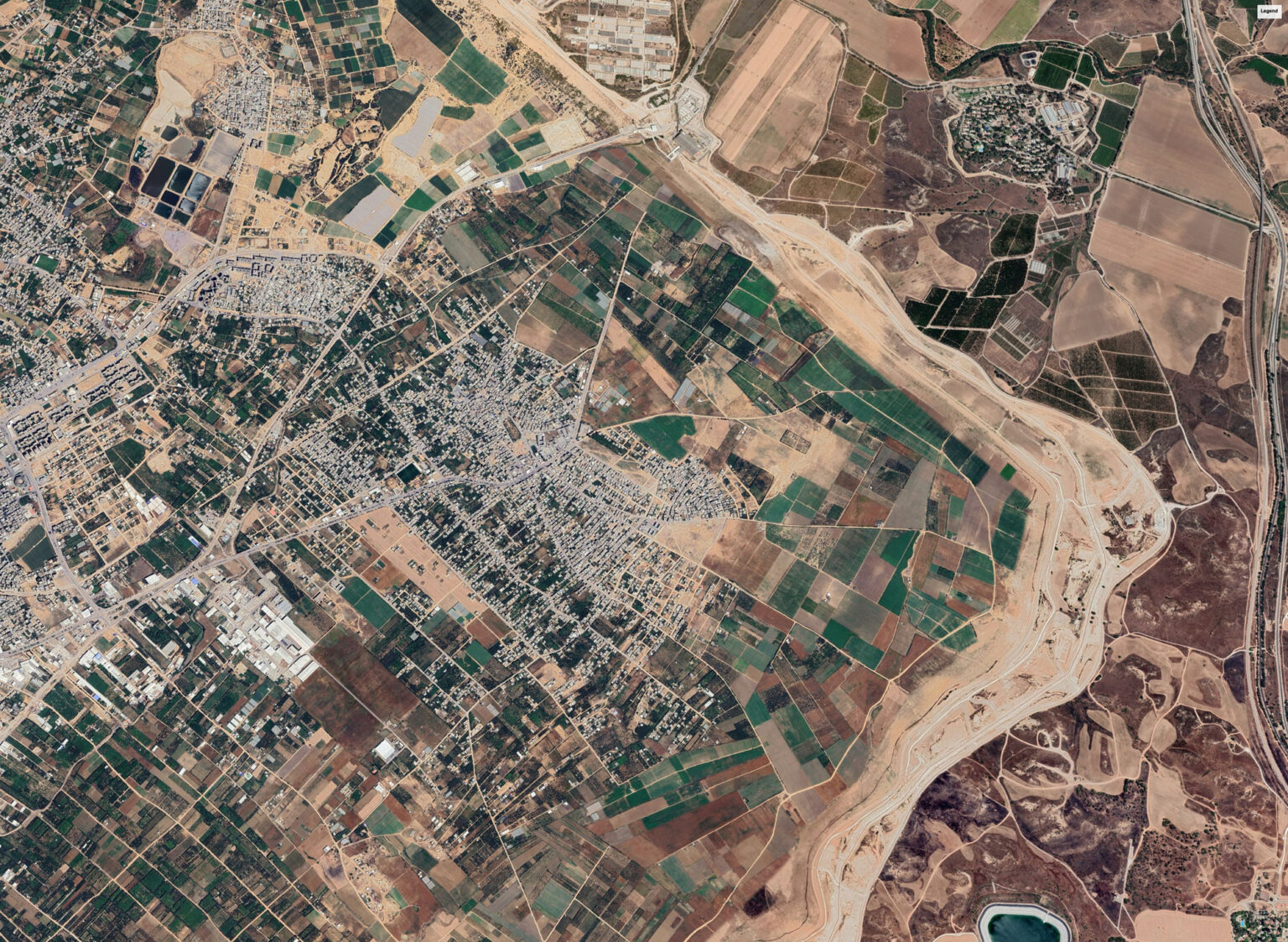
Collection
Munition images from the Gaza war
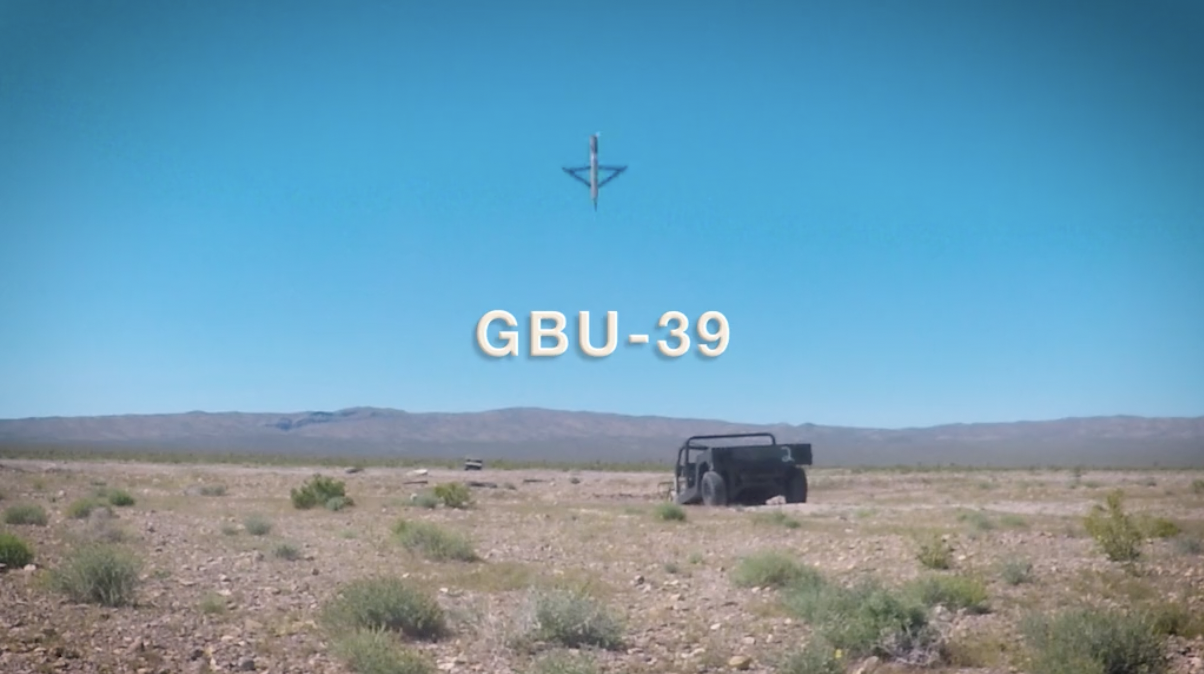
GBU-39 bomb
3D model explaining Israel's 'weapon of choice' in Gaza

Research organisation
Images from the Human Rights Watch archives

Collection
Munition images from the Ukraine war
Follow
Keep up to date with newly added munitions
Contribute
Submit images to the OSMP
OSMP referenced in media and research
View all →
BBC uses OSMP to investigate new U.S. missile

NYT uses OSMP to identify Iran school munition

AP highlights images of Iranian submunitions

The Incendiary Bomb Never Seen in Israel Before

UN report highlights OSMP importance

GIJN’s Top Investigative Tools of 2024

How GBU-39 bombs became Israel’s ‘weapon of choice’
201–300 of 406


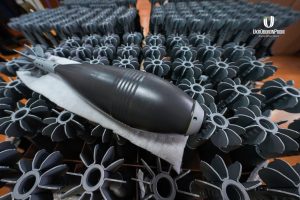
Analyst Note:
As a result of the rapid introduction of new models and variants during ongoing conflicts, sometimes a munition is issued with a provisional designation, or with no designation at all. In other cases, the designation is not yet known to researchers. (ARES)
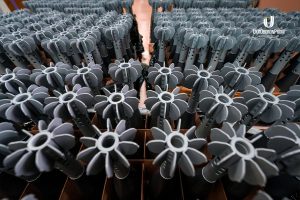
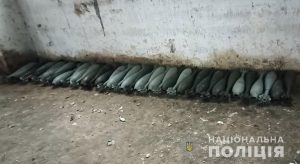
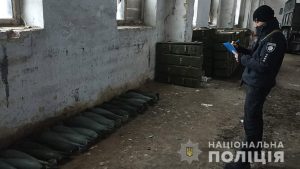


Analyst Note:
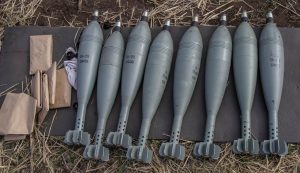
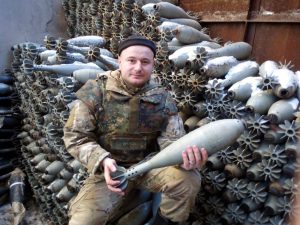
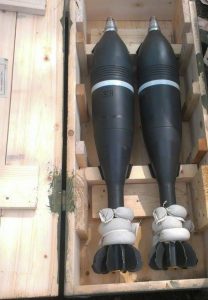
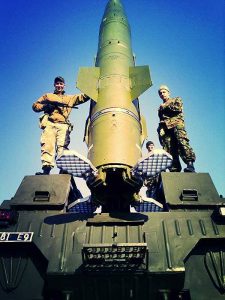
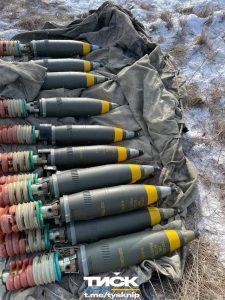
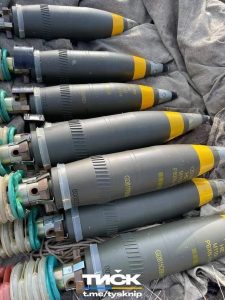
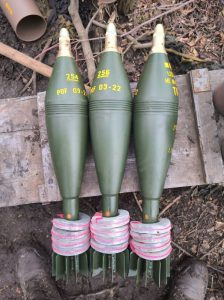
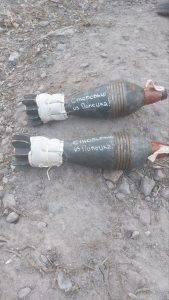
Whilst most mortars are smoothbore guns, some have a rifled bore. These M1101 120 mm mortar projectiles feature a 'pre-rifled' driving band—that is, a driving band with grooves cut at the factory to fit the mortar's rifling. (ARES)
Analyst Note:
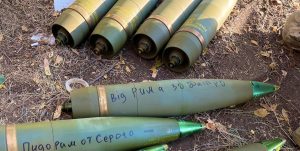
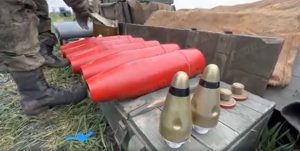
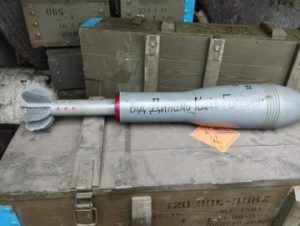
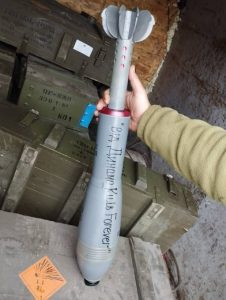
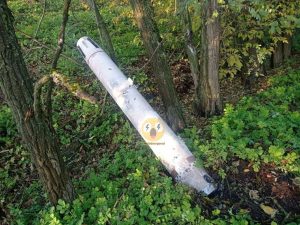
Not all munitions have a lethal purpose. This is a type of ‘carrier’ or ‘cargo’ munition designed to carry and dispense a non-lethal payload—in this case, propaganda leaflets. (ARES)

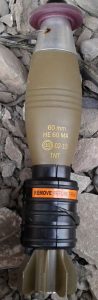
2 Analyst Notes:
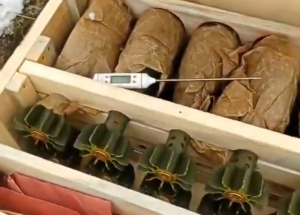
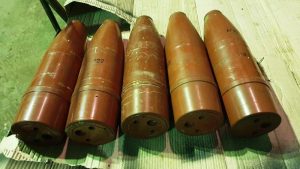
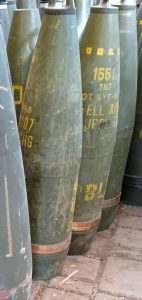
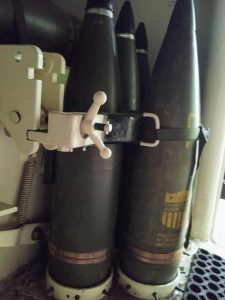
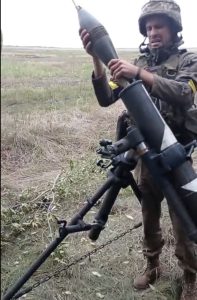
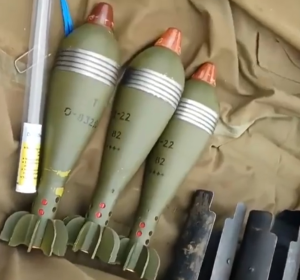
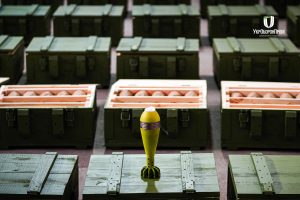
The plum-coloured plastic ring at the nose of this mortar projectile (placed over its fuze) and the black plastic propellant cover (placed over its tail) are both fitted for transport and storage, before the projectile is loaded into a cardboard tube, and then packed into an outer crate. The propellant cover obscures the perforated cylindrical tail assembly in this image. (ARES)
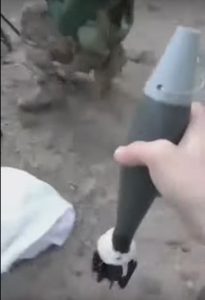
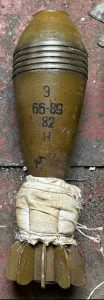
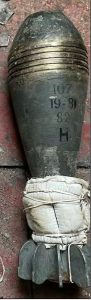
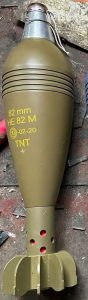
Analyst Note:
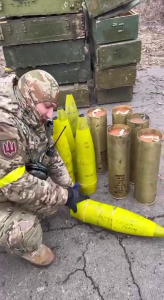
This image depicts a Ukrainian-made version of the Soviet-era OF-25 152 mm artillery projectile, the designation of which is not publicly known at this time (May 2024). The yellow base colour was commonly found in batches produced by Ukroboronprom in late 2022. Later batches returned to a grey base colour. (ARES)


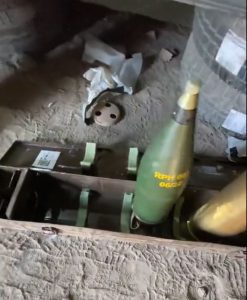
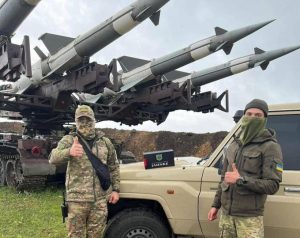

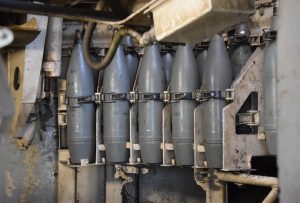
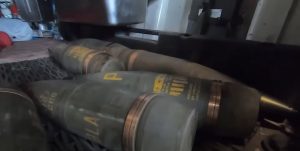
Analyst Note:
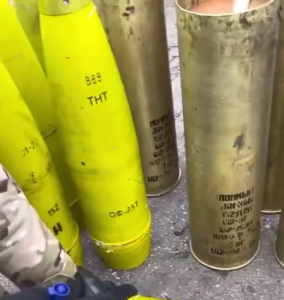
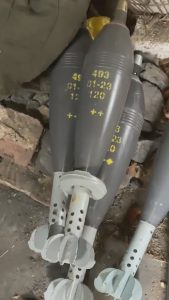
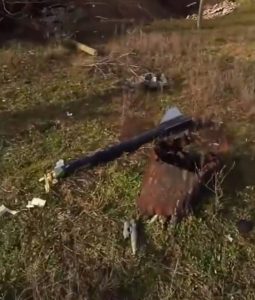
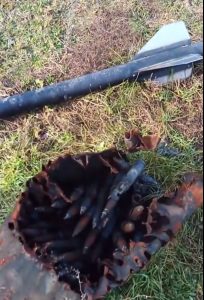
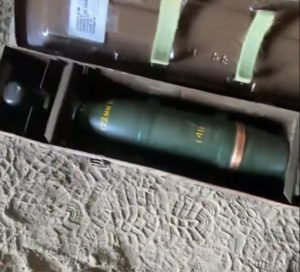
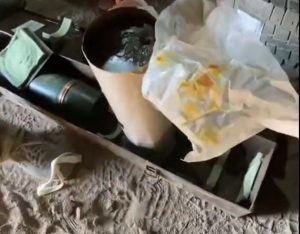
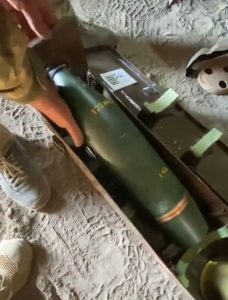
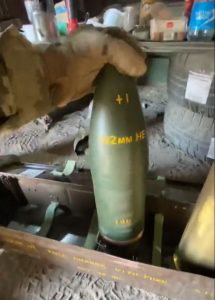
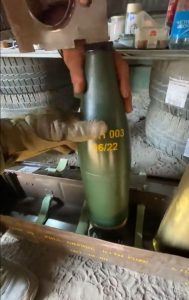
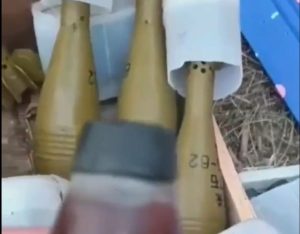
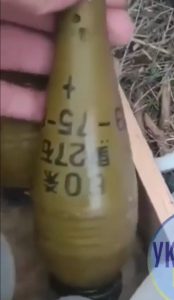
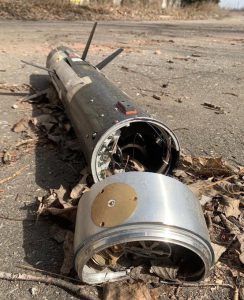
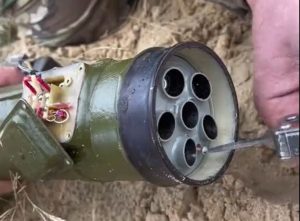
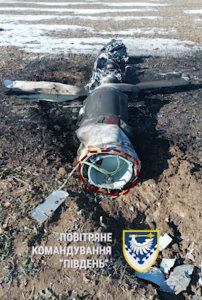
The OF-NMR is a rocket-assisted mortar projectile, which uses a solid-fuel rocket motor located in the cylindrical portion of the body, below the ogive, to extend its range. Rocket-assisted mortar projectiles are rarely encountered. (ARES)


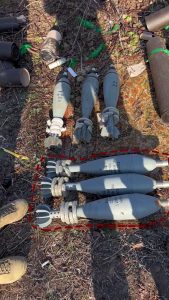
Analyst Note:
The “+” marking is a weight classification symbol which indicates standard deviation. One “+” sign indicates a deviation from 0.33% to 1.00% of the stated weight. (ARES)
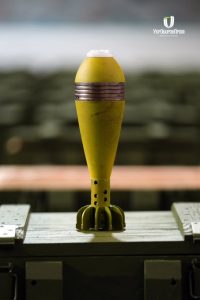

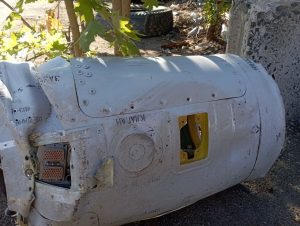
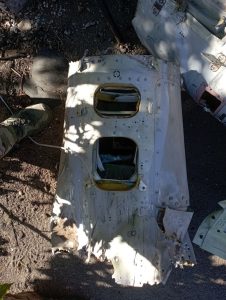





Analyst Note:
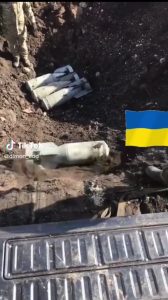
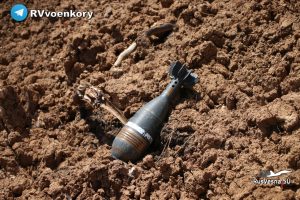
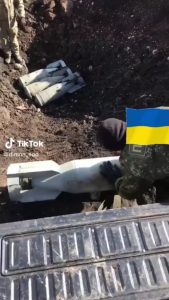
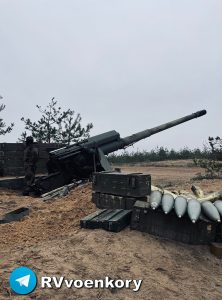
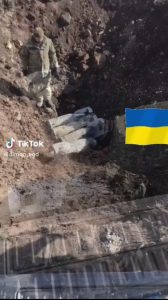
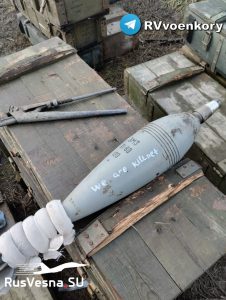
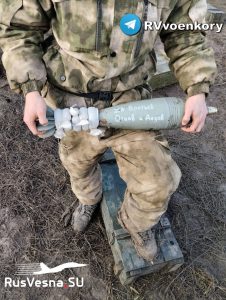
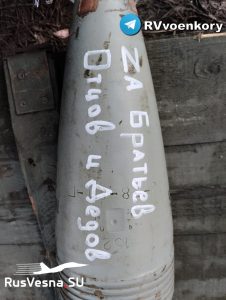
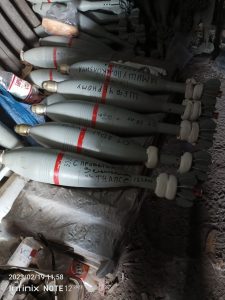
The 120 mm 3-Z-2 incendiary mortar projectile contains 6 incendiary elements, four large and two small. These are hollow steel ‘cups’ filled with an incendiary mixture of an unknown type, but understood to be comparable in effect to thermite. (ARES)