




301–370 of 370
Analyst Note
11 September 2024
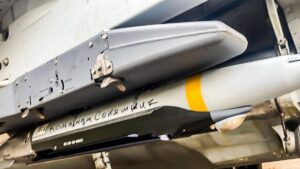
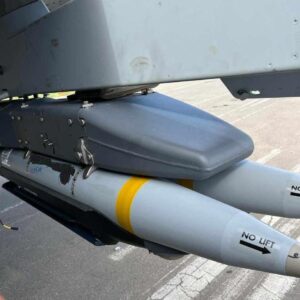
In this image, two GBU-39 Small Diameter Bombs are attached to a BRU-61/A bomb rack. The Ukrainian Air Force adapted this American-designed bomb rack to fit their Soviet-designed Mikoyan MiG-29 fighter aircraft. The BRU-61/A can carry up to four GBU-39 air-delivered bombs. (ARES)




Analyst Note
10 September 2024
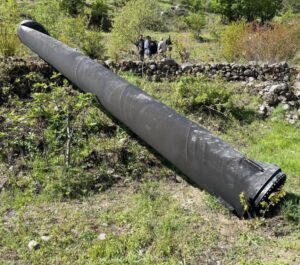
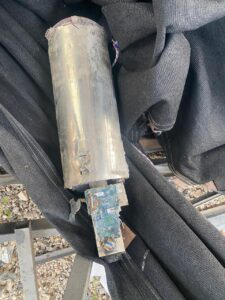
The Tamir Interceptor is the missile fired from Israel’s Iron Dome defence system to intercept incoming rockets, missiles, projectiles, and unmanned aerial vehicles (‘drones’). The Tamir uses a warhead with a relatively small explosive yield, which typically results in the guidance section, nosecone, and (spent) rocket motor falling to the ground relatively intact after functioning. (ARES)
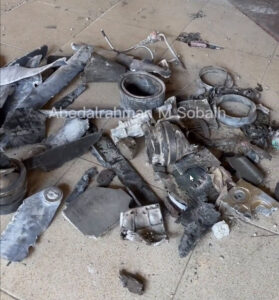



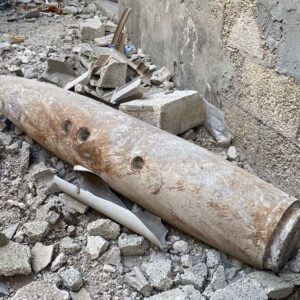


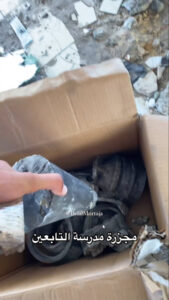
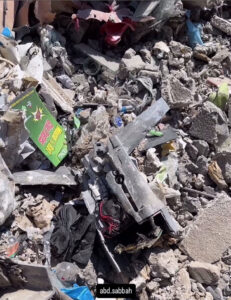





Analyst Note
29 July 2024
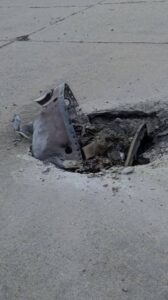
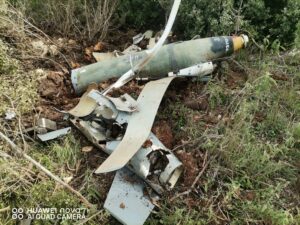
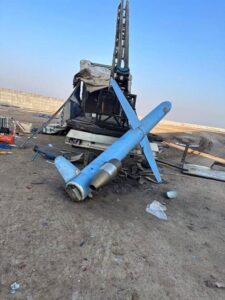
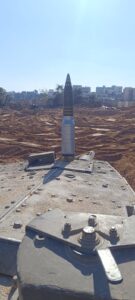
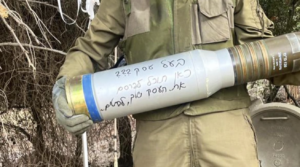
The M329 is a multi-purpose tank gun projectile designed to engage a range of targets other than tanks. It is one of the few cluster munitions that takes the form of a tank gun projectile, dispensing six explosive submunitions over a relatively small area. It has also been referred to as the ‘APAM 120’, describing its functional role (‘anti-personnel/anti-materiel’) and calibre (120 mm). (ARES)
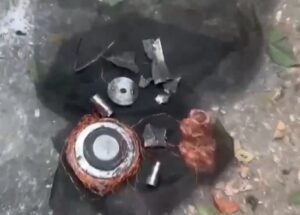

Analyst Note
29 July 2024
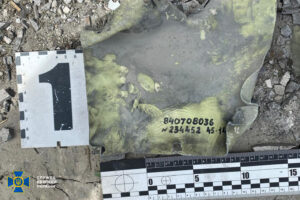
The remnants shown in these linked images have been falsely identified in Russian sources as chemical munitions. This image clearly exhibits the marking “NBK DM 1216”—the ‘NBK’ standing for the German Nebelkörper (‘smoke element’)—identifying this as one of four DM 1216 hexachloroethane/zinc (HC) smoke elements dispensed by the German DM 105 155 mm artillery gun projectile. Video of the incident shows all four elements being ejected from the base of the projectile in flight. (ARES)
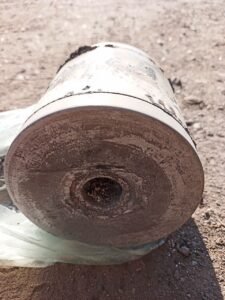


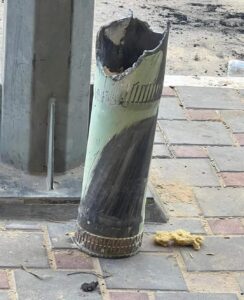
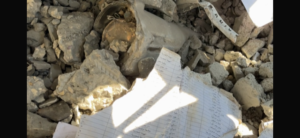


Analyst Note
29 July 2024
The SPICE family of munitions, manufactured by Israeli aerospace and defence company Rafael, includes two models which use ‘bolt-on’ guidance kits. The SPICE 1000 and SPICE 2000 models convert 1,000- and 2,000-pound unguided aerial bombs, respectively, to precision guided munitions. (ARES)

Analyst Note
29 July 2024
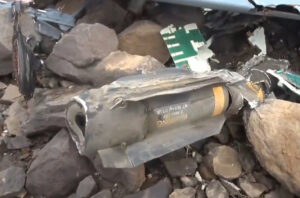
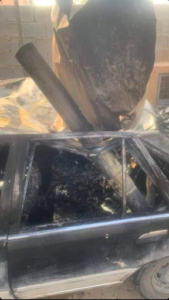
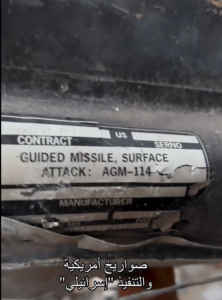
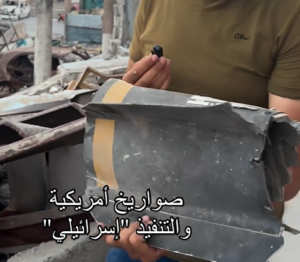
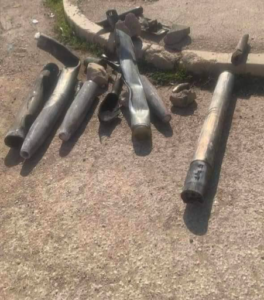
This image shows a component believed to be part of the folding-blade assembly used in the AGM-114R-9X variant of the Hellfire missile. Blades are used in place of an explosive payload to create a kinetic weapon that achieves a practical level of lethality whilst minimising collateral harm. (ARES)




Analyst Note
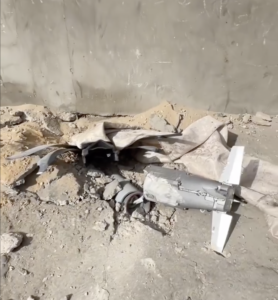
14 October 2024
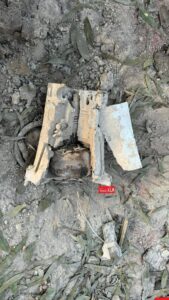
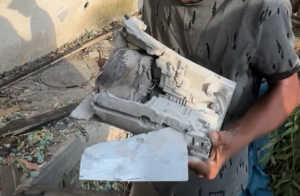
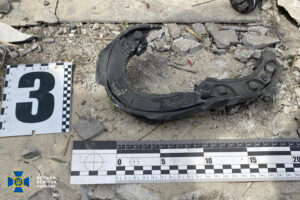
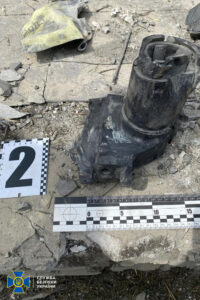
The remnant pictured here is part of a Small Diameter Bomb actuator assembly (‘Tail Actuation Section’), which moves the four tail-fin control surfaces which alter the course of the munition in flight. (ARES)

Analyst Note
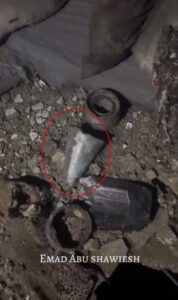
6 June 2024
The circled remnant is the hardened steel nosecone of the GBU-39, which renders the munition capable of penetrating more than 3 feet (approx. 1 metre) of steel-reinforced concrete. It is one of several components that often survives the detonation of the munition. (ARES)
Analyst Note
29 July 2024
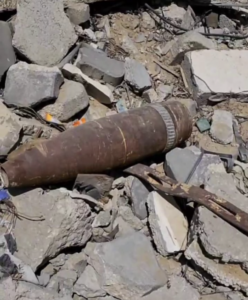
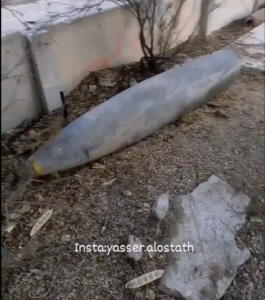
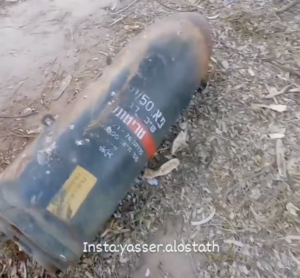
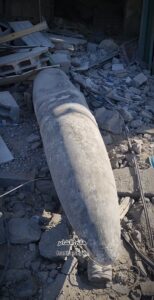
This image depicts an M117-series unguided aerial bomb. Belonging to a class of weapons referred to as ‘demolition bombs’—which use Tritonal or similar explosive compounds to generate a more powerful blast effect than TNT or Composition B—the M117 is an American design which dates to the Korean War era and is rarely seen in service with modern armed forces. (ARES)

2 Analyst Notes
30 May 2024
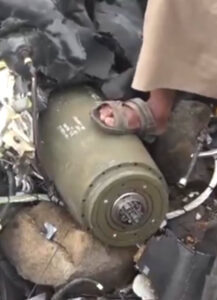
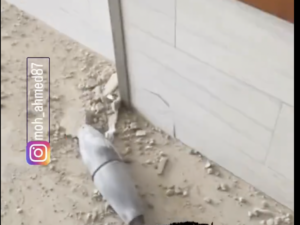
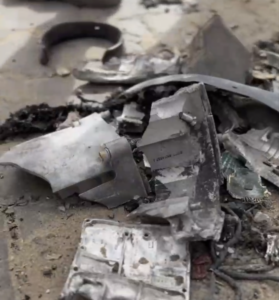
This munition is assessed to be one of the Small Diameter Bomb (SDB) I variants (GBU-39 series), rather than one of the SDB II 'StormBreaker' (GBU-53 series) munitions, on the basis of contextual information. 'Small Diameter Bomb' is the manufacturer's terminology, whilst 'GBU-39' is the U.S. Air Force designation (also used by many other operators). (ARES)

Collection
Ukraine and Russia 2022–2026
On February 24, 2022, Russia launched a full-scale invasion of Ukraine, involving military forces aimed at capturing most major cities, including the capital, Kyiv. It became the largest conflict in Europe since World War II, and about a quarter of Ukraine’s territory came under Russian control. But Russian troops were eventually pushed back from Kyiv. […]
Collection
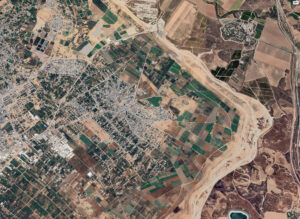
Israel and Gaza 2023 – 2026
On 7 October 2023, Hamas militants breached the heavily-fortified border separating Israel and the Gaza Strip, attacking numerous towns and villages. More than 1,000 people in Israel were reported killed, with more than 250 taken hostage and moved to Gaza. In response, Israel has launched one of its largest military operations of recent decades, seeking […]