



Featured Materials
A curated selection of images, terms and collections to help understand modern conflict.
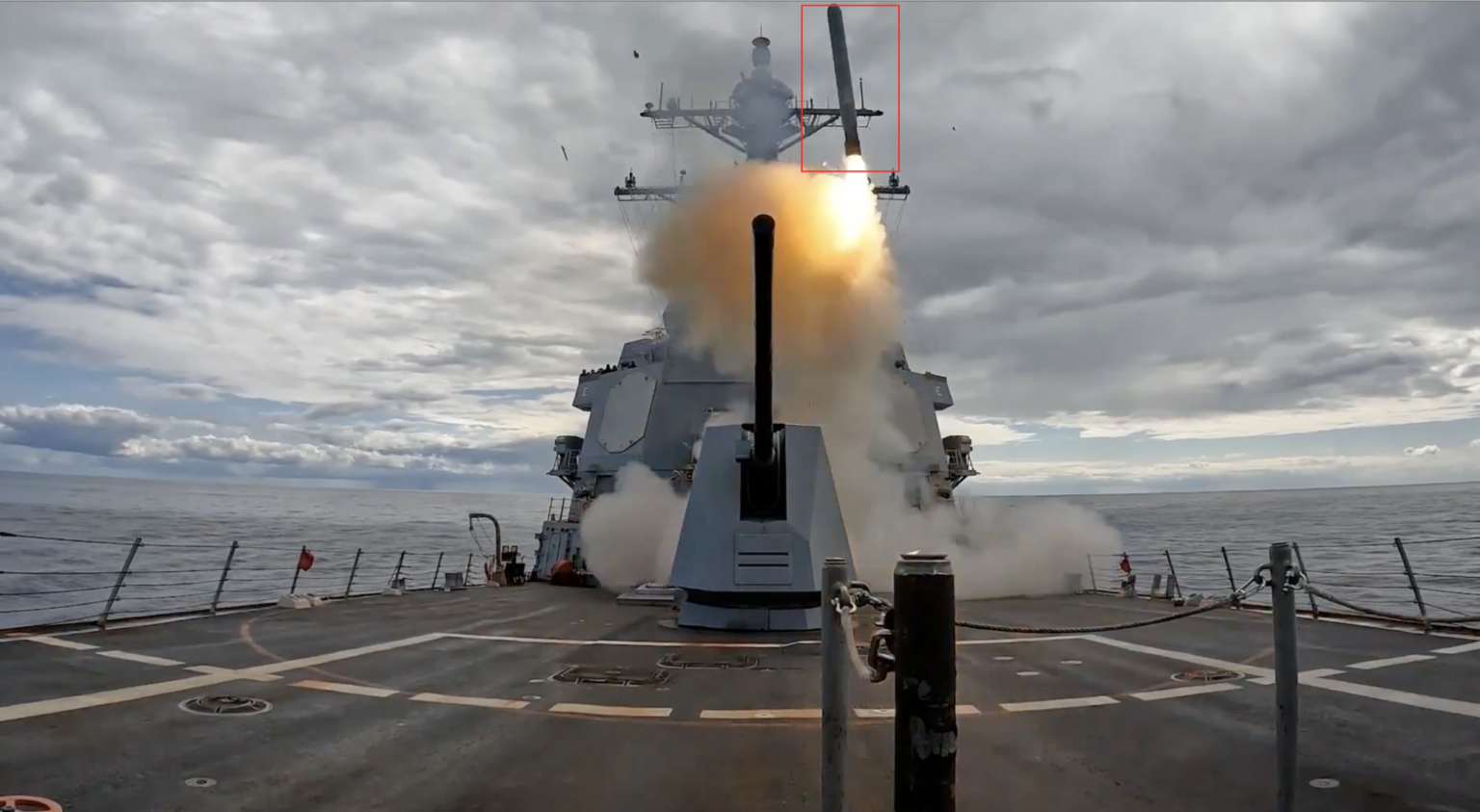
Iran War 2026
Munition images from the ongoing Middle East conflict
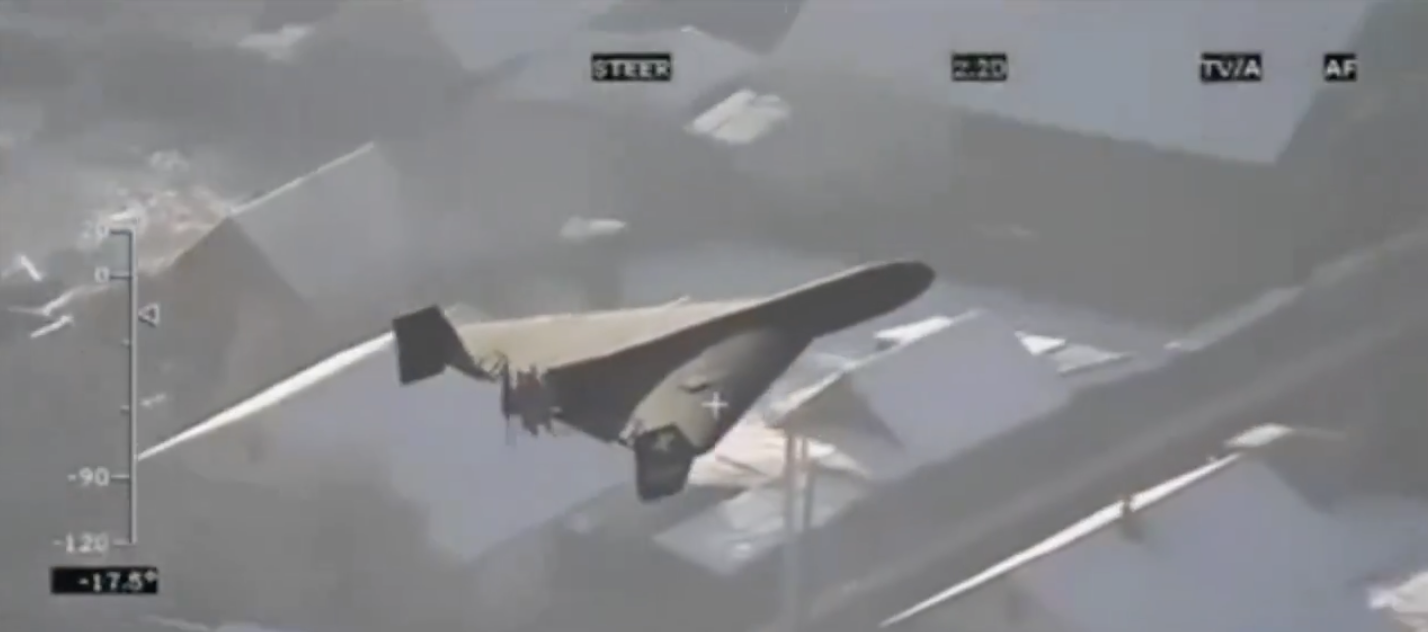
Shahed-131 & -136 UAV
3D models explain the best-known 'kamikaze drones'

Collection
Munition images from the Gaza war
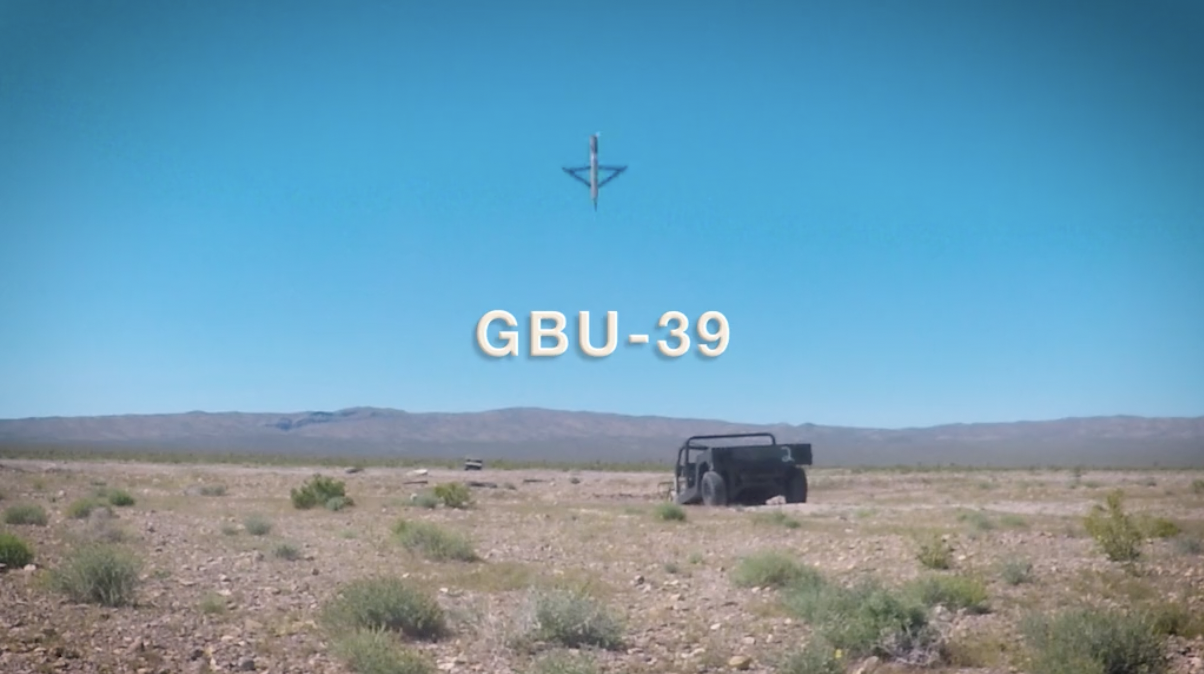
GBU-39 bomb
3D model explaining Israel's 'weapon of choice' in Gaza

Research organisation
Images from the Human Rights Watch archives

Collection
Munition images from the Ukraine war
Follow
Keep up to date with newly added munitions
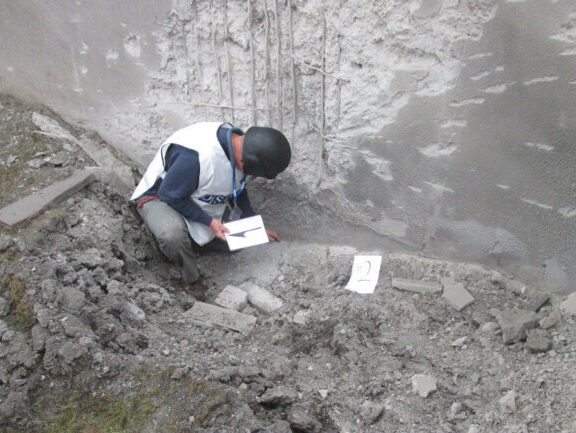
Contribute
Submit images to the OSMP
OSMP referenced in media and research
View all →
BBC uses OSMP to investigate new U.S. missile

NYT uses OSMP to identify Iran school munition

AP highlights images of Iranian submunitions

The Incendiary Bomb Never Seen in Israel Before

UN report highlights OSMP importance

GIJN’s Top Investigative Tools of 2024

How GBU-39 bombs became Israel’s ‘weapon of choice’
1,201–1,300 of 1,690
Analyst Note:
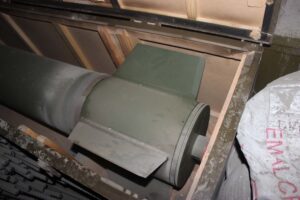
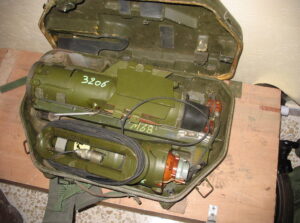
The 9M14 Malyutka anti-tank guided missile was designed and fielded by the Soviet Union in the 1960s. It uses an outdated guidance principle known as manual command to line-of-sight (MCLOS), in which the operator must manually adjust the course of the missile in flight. Nonetheless, this munition has been seen in several 21st-century conflicts. (ARES)
Analyst Note:
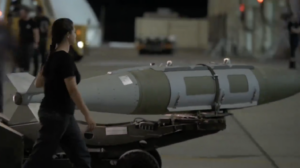
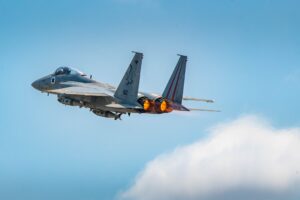
In this image, an F-15C fighter aircraft from 106 Squadron Israeli Air Force is seen carrying two MK 84-series 2,000-pound-class air-delivered bombs fitted with Joint Direct Attack Munition (JDAM) ‘bolt-on’ guidance kits. In U.S. service, this combination is known as the GBU-31. (ARES)

Analyst Note:
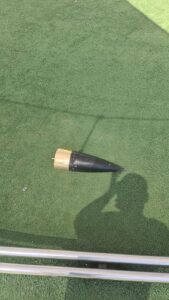
This image shows the nosecone from an Israeli Tamir surface-to-air missile. This component is often found as a remnant after the functioning of the missile. (ARES)
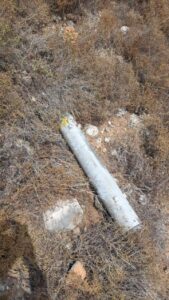

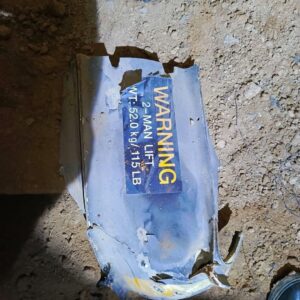
Analyst Note:
The AGM-179 Joint Air-to-Ground Missile (JAGM) is derived from the AGM-114 Hellfire series of air-to-surface missiles—and thus shares physical characteristics in terms of general construction, including rear fin placement. The marked weight of 52.0 kg (115 lbs) is generally believed to be an indicator that the rocket motor is from a JAGM; however, remnants marked with this weight have been observed from several years before the JAGM was initially fielded. (ARES)
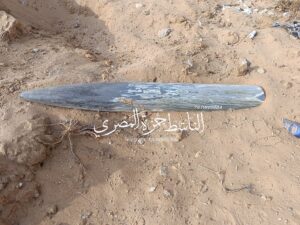

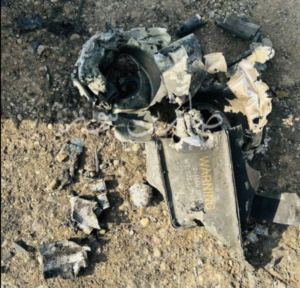


Analyst Note:
In this image, four AGM-114 Hellfire-series missiles can be seen fitted to an M299-series missile launcher, itself attached to the stub wings of this Israeli AH-64 Apache helicopter. In theory, the Apache could be armed with up to sixteen Hellfire missiles, but fewer are carried in practice to allow for other weapons and sensor payloads (ARES).
Analyst Note:
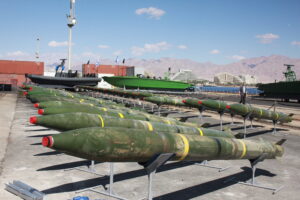
‘Khaibar-1’ is a designation given to a series of 302 mm rockets produced in Syria, possibly derived from the Chinese WS-1/WS-1B. The Khaibar-1 is also referred to as the M-302 or M302. (ARES)
Analyst Note:
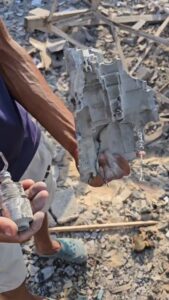
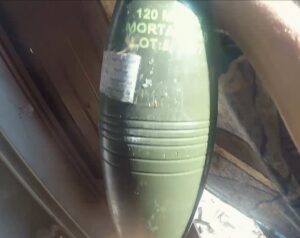
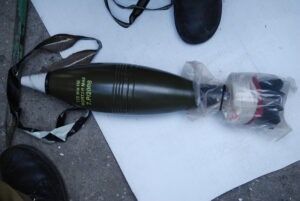
This Iranian M48 120 mm mortar projectile is marked to indicate it was manufactured in 2008. A plastic bag cable-tied to the tail of the munition protects the auxiliary, or supplemental, propellant charges fitted to the round. (ARES)
Analyst Note:
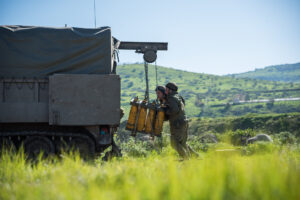
These M485 series 155 mm artillery gun projectiles are painted yellow to indicate their functional type: illumination rounds. The M485 series of illumination projectiles are base-eject munitions that expel a parachute-retarded illuminant canister which casts light over the battlefield as it descends. (ARES)
Analyst Note:
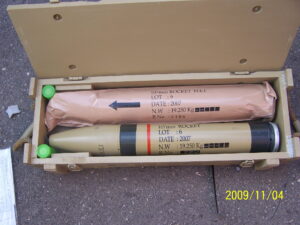
This Iranian copy of the Chinese Type 63 107 mm rocket is marked with a red stripe and text to indicate it is of the high explosive incendiary (“H.E.I”) type. Markings also show that it was produced in 2007. (ARES)
Analyst Note:
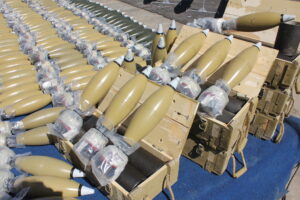
The physical features, colour scheme, and packaging of these 120 mm mortar projectiles are all consistent with Iranian manufacture, but the markings are mostly obscured in this image. (ARES)

Analyst Note:
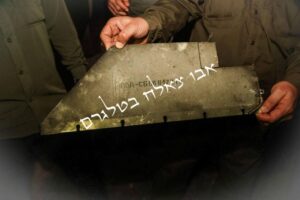
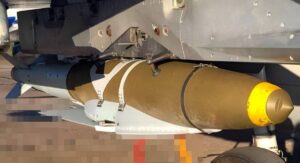
The Joint Direct Attack Munition – Extended Range (JDAM-ER) marries the JDAM guidance kit to a ‘glide bomb’ wing kit developed by the Australian Defence Force, offering a munition with at least three times the range of a standard GBU-38 500-pound-class guided aerial bomb. (ARES)

Analyst Note:
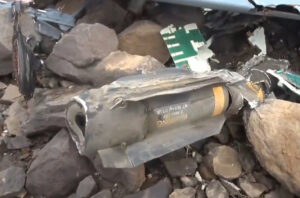
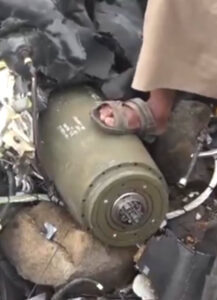
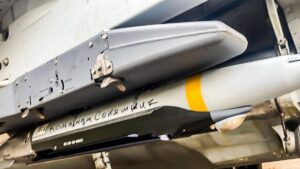
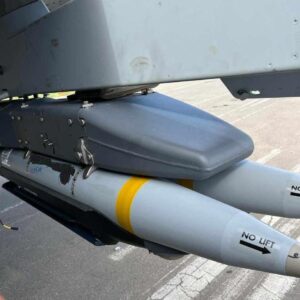
In this image, two GBU-39 Small Diameter Bombs are attached to a BRU-61/A bomb rack. The Ukrainian Air Force adapted this American-designed bomb rack to fit their Soviet-designed Mikoyan MiG-29 fighter aircraft. The BRU-61/A can carry up to four GBU-39 air-delivered bombs. (ARES)


Analyst Note:
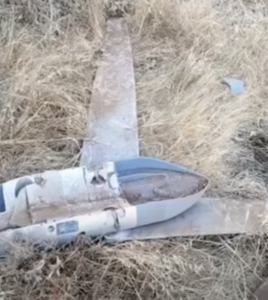
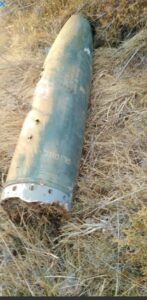
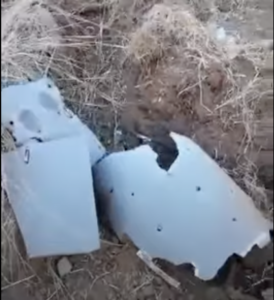
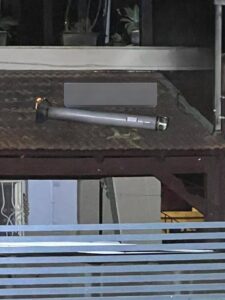
The Tamir Interceptor is the missile fired from Israel’s Iron Dome defence system to intercept incoming rockets, missiles, projectiles, and unmanned aerial vehicles (‘drones’). The Tamir uses a warhead with a relatively small explosive yield, which typically results in the guidance section, nosecone, and (spent) rocket motor falling to the ground relatively intact after functioning. (ARES)




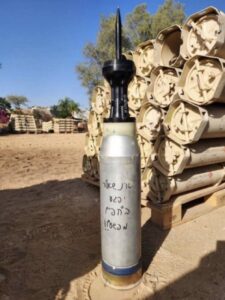
Analyst Note:
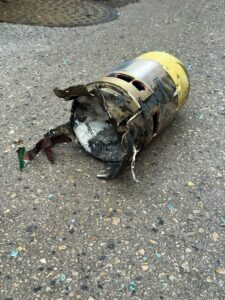
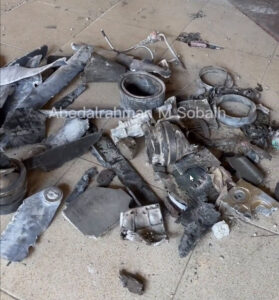
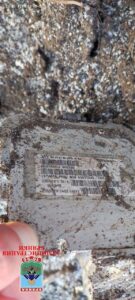
This is an Israeli 120 mm tank gun round, of the ‘armour-piercing, fin-stabilised discarding sabot – tracer’ (APFSDS-T) type. The physical features identify it as either the M322 or M338.
The projectile (penetrator) of this round has no explosive content and relies on kinetic energy to penetrate armoured targets. When a projectile is of a smaller calibre than the gun’s bore, a sabot is sometimes used to ensure the projectile is centred in the bore and to trap the gas from the propellant of the cartridge and propel the projectile. In flight, the sabot separates into two or more pieces, sometimes called ‘petals’, often found along the line of fire before the impact point. (ARES)


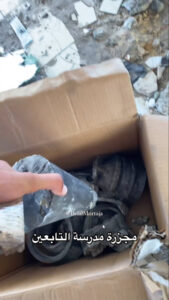

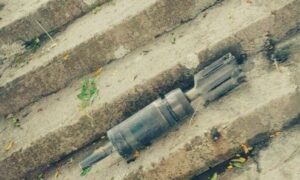
Analyst Note:
Some tank gun projectiles may have fins affixed to an extended ‘tail boom’, in a similar manner to a mortar projectile. Note, however, that the cylindrical tail assembly is not perforated as it would be for most mortar projectiles. Tank gun projectiles are also more likely to be generally cylindrical, rather than lachrymiform (teardrop-shaped). (ARES)

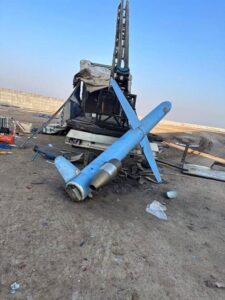
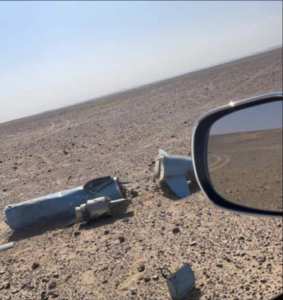



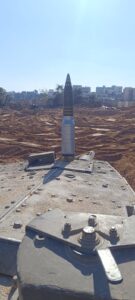
Analyst Note:
The M329 is a multi-purpose tank gun projectile designed to engage a range of targets other than tanks. It is one of the few cluster munitions that takes the form of a tank gun projectile, dispensing six explosive submunitions over a relatively small area. It has also been referred to as the ‘APAM 120’, describing its functional role (‘anti-personnel/anti-materiel’) and calibre (120 mm). (ARES)
Analyst Note:
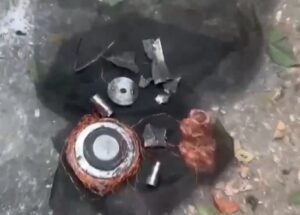
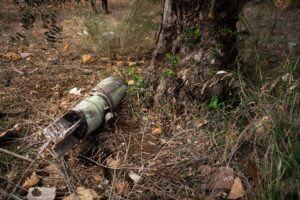
In this image, part of the distinctive internal 'X-rib' arrangement is visible protruding from the base of an M825-series white phosphorus smoke projectile. This is a useful diagnostic feature that can be used to distinguish remnants of these munitions from those of similar projectiles (such as those using a hexachloroethane/zinc smoke composition) if markings are not visible (ARES)

Analyst Note:
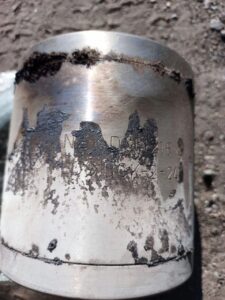
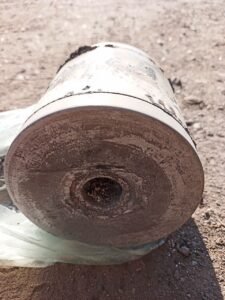
The remnants shown in these linked images have been falsely identified in Russian sources as chemical munitions. This image clearly exhibits the marking “NBK DM 1216”—the ‘NBK’ standing for the German Nebelkörper (‘smoke element’)—identifying this as one of four DM 1216 hexachloroethane/zinc (HC) smoke elements dispensed by the German DM 105 155 mm artillery gun projectile. Video of the incident shows all four elements being ejected from the base of the projectile in flight. (ARES)




Analyst Note:
This image shows a distinctively shaped component of MBDA’s ‘Diamond Back’ joined tandem wing assembly as fitted to the GBU-39 Small Diameter Bomb (SDB). (ARES)



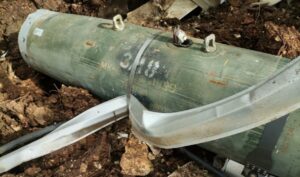
Analyst Note:
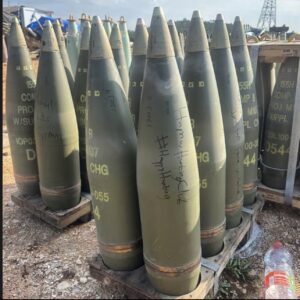
The SPICE family of munitions, manufactured by Israeli aerospace and defence company Rafael, includes two models which use ‘bolt-on’ guidance kits. The SPICE 1000 and SPICE 2000 models convert 1,000- and 2,000-pound unguided aerial bombs, respectively, to precision guided munitions. (ARES)
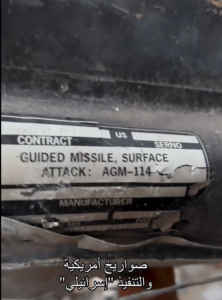
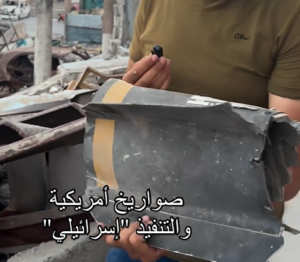
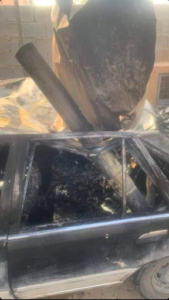
Analyst Note:
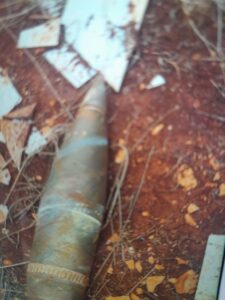
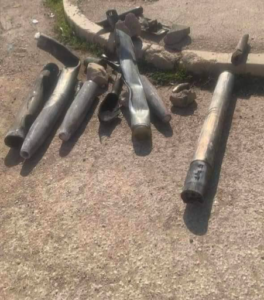
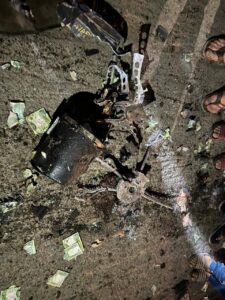
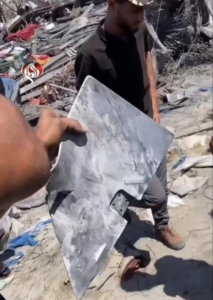
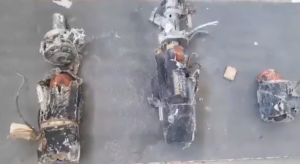
This image shows a component believed to be part of the folding-blade assembly used in the AGM-114R-9X variant of the Hellfire missile. Blades are used in place of an explosive payload to create a kinetic weapon that achieves a practical level of lethality whilst minimising collateral harm. (ARES)
Analyst Note:
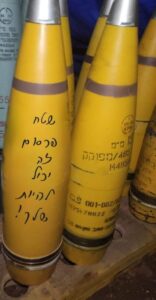
Israeli illumination munitions—often finished in a distinctive yellow—are sometimes mistaken for high explosive munitions by observers more familiar with the NATO or U.S. marking systems. This image shows an M485-pattern illumination projectile, a base-eject type that uses a parachute-retarded canister containing a powerful candle to illuminate the battlefield.
Analyst Note:
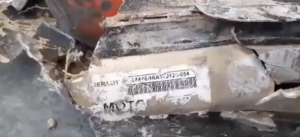
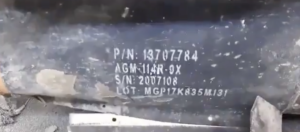
Little is known with certainty about the AGM-114-R9X variant of the Hellfire missile, although it has been associated with high-profile targeted killings including those of senior al-Qaeda figures. The weapon functions as a kinetic-impact munition, using pop-out blades—rather than an explosive warhead—to reduce the prospects of collateral harm. (ARES)