

1–22 of 22

Analyst Note
24 August 2026
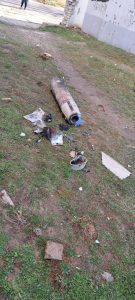
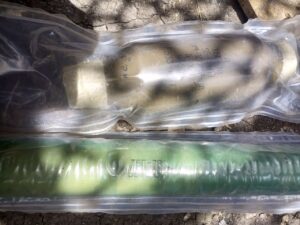
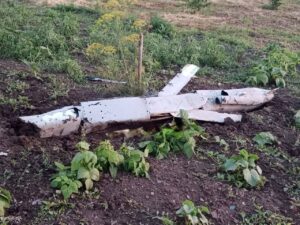
Shown is a German DM 1399 (AT2) dispensed, anti-tank landmine which is high explosive with a Misznay-Schardin charge to penetrate the bottom of armored vehicles. The DM 1399 reportedly has magnetic and contact fuzing (model S3 fuze), along with an anti-disturbance feature to interfere with clearance operations and a self-destruct time delay of up to four days. The mines are dispensed from rockets (MLRS). Currently the mines are in use by Finland, German, Norway, United Kingdom and Ukraine (donated by Germany and Norway). Italy is a former user which destroyed their ~45,000 mine stockpile in 1997 as part of the Ottawa Treaty, due to the mine’s anti-disturbance feature which can be activated by personnel and not just vehicles. (ARES)
Analyst Note
31 December 2025
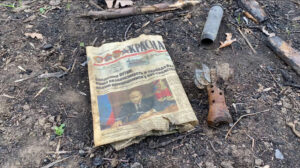
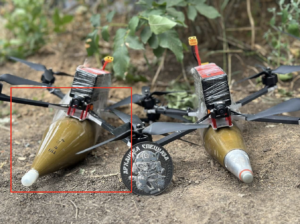
The munition indicated is a one-way-attack (OWA) UAV fitted with a PG-7-series high explosive anti-tank (HEAT) warhead. Not enough of the warhead is visible to provide a positive ID on which model of PG-7-series projectile it was harvested from. (ARES)
Analyst Note
3 June 2025
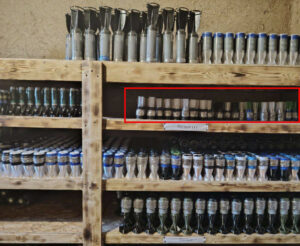
This image shows a variety of small air-delivered munitions that have been developed specifically for deployment via UAV. Some of these appear to be original designs, whilst others have been made by modifying existing munitions. This entry reflects those munitions outlined with the red box, but all of the munitions are generally of similar in size and format, and all have tailfin assemblies intended to orient the munition as it falls, just like more traditional air-delivered bombs. (ARES)
Analyst Note
3 June 2025
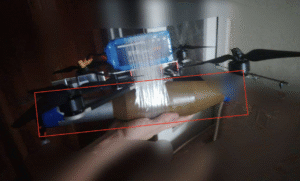
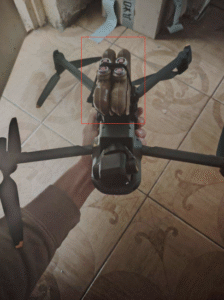
The munition in this image has been integrated into a commercial off-the-shelf (COTS) small UAV. This UAV (‘drone’) adds powered and guided delivery and converts the munition into a guided missile—regardless of the original, intended delivery method. (ARES)
Analyst Note
14 July 2025
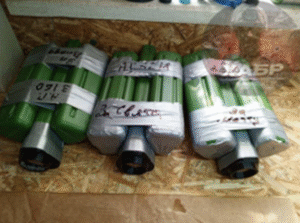
This image shows three sets of three PTM-1 series scatterable anti-vehicle mines taped together. While these mines have likely been repurposed from their original delivery munition to be delivered via UAV, this cannot be confirmed based off this image alone. (ARES)
Analyst Note
21 April 2026
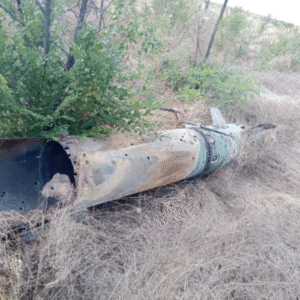
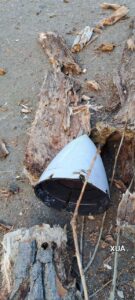
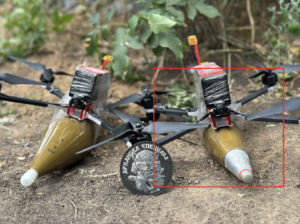
The warhead of the OWA UAV indicated in this image cannot be positively identified from this photograph alone. It appears to be the warhead section of either an OG-9 series or OG-15 series high explosive fragmentation (HE-FRAG) projectile, with a GO-2 or similar impact fuze fitted in the nose. (ARES)
Analyst Note
3 June 2025
This image shows four PFM-1 series anti-personnel landmines retained by a release mechanism to enable deployment via UAV. Ordinarily, PFM-1 series and other ‘scatterable mines’ are deployed via carrier munitions or dedicated mine-dispensing devices. In Ukraine and other conflicts, these mines have often been removed from their original carrier munitions in order that they may be delivered via UAV. (ARES)
Analyst Note
16 September 2024
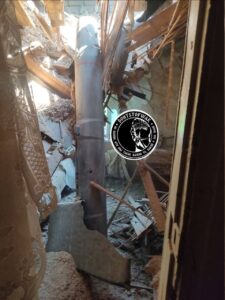
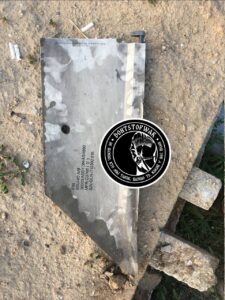
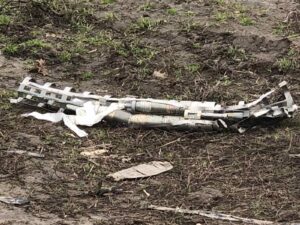
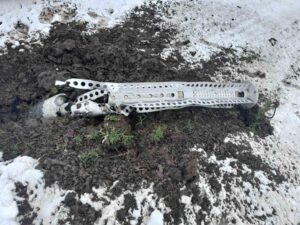
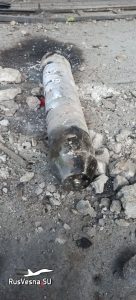
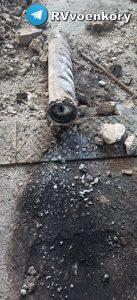
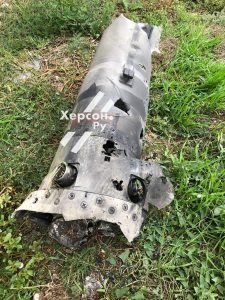
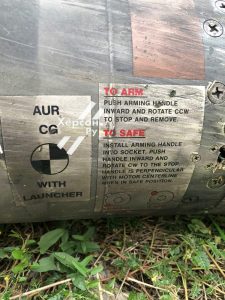
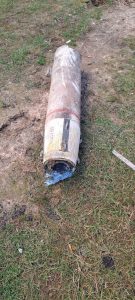
The AGM-88 High-Speed-Anti-Radiation-Missile (HARM) is an air-to-surface anti-radiation guided missile that seeks and destroys radar-based air-defence systems by detecting radar emissions, locking on to these, and using them to home in on a target. (ARES)