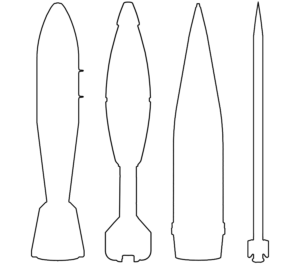
The nominal diameter of a projectile. For most modern munitions, this is expressed in millimetres (e.g. 82 mm mortar projectile), but older artillery gun projectiles may be described in inches.
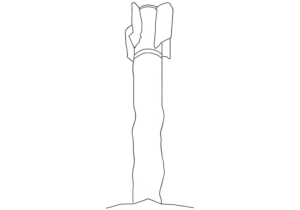
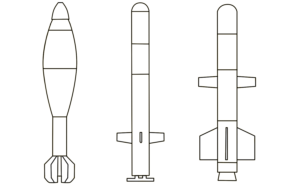
Fins that can be adjusted during flight to allow the alteration of a munition’s trajectory, or those that can be adjusted to reduce the size of a munition during transport and employment.
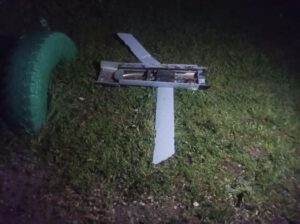
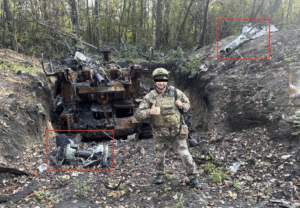
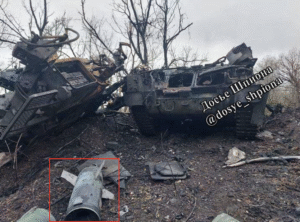
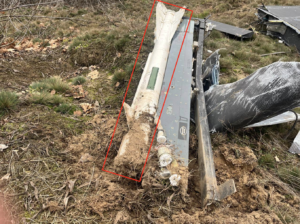
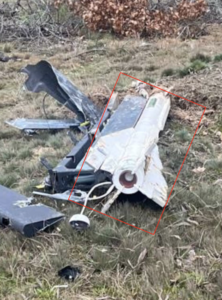
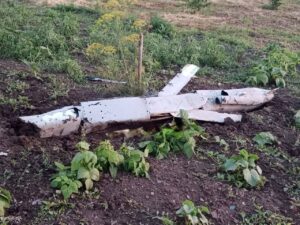
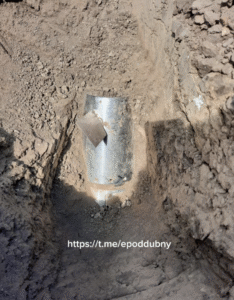
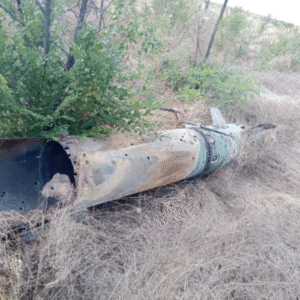
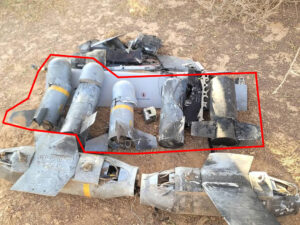
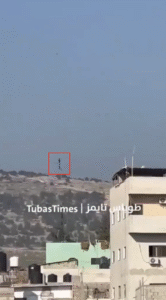
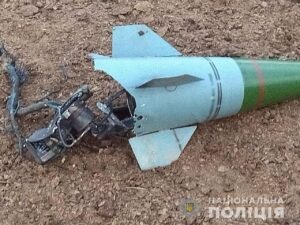
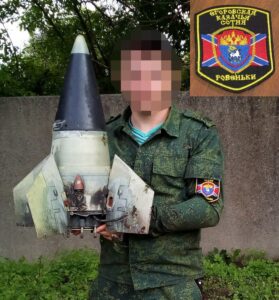
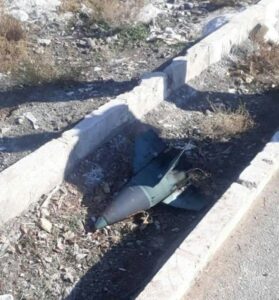
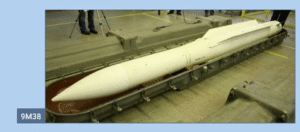
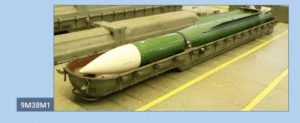
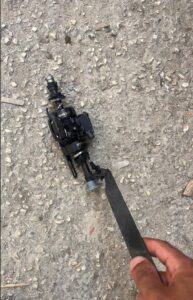
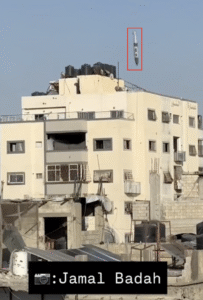
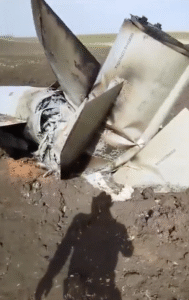
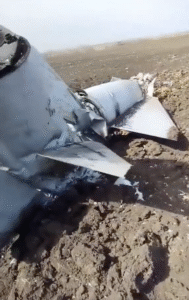
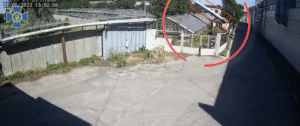
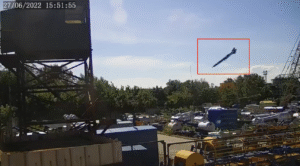
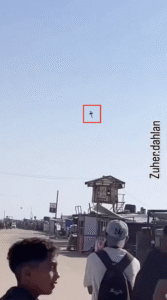
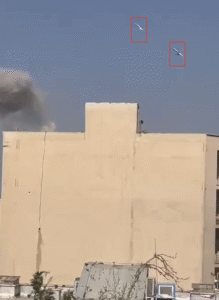
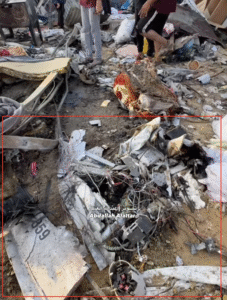
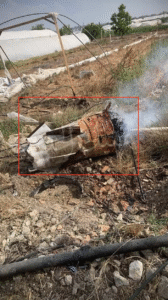
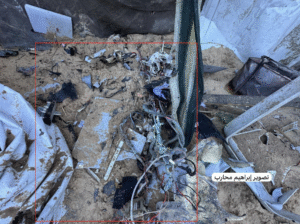
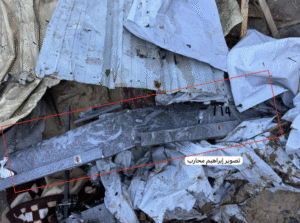
Positive identification of this surface-to-air missile cannot be made based on the imagery in the source. The items highlighted in this image are most likely the remains of either a 9M38- or 9M317-series missile, based on fin construction and their size relative to the individual posing in the foreground. These two missiles are close in design and function, and are predominantly fired from the Buk series of SAM systems. (ARES)
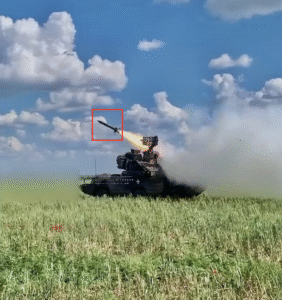
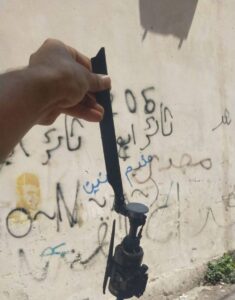
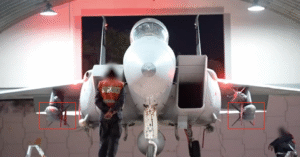
Although the source claims that this image shows a Buk-M3 surface-to-air missile system, this imagery is not sufficient to determine whether the remnants highlighted are from a 9M38-or 9M317-series guided missile. (ARES)
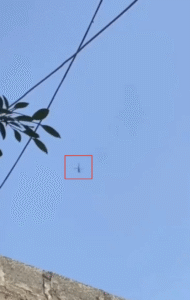
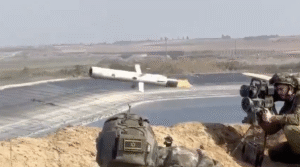
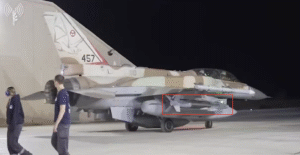
This image represents the first documented instance of a Shahed-series UAV carrying an R-60 air-to-air missile. This appears to add a new capability to the Shahed, enabling it to target enemy aircraft. Arming UAVs to counter interception and engage alternative targets is an emergent trend. Previously, unmanned surface vessels (USVs) employed by the Ukrainian Armed Forces have been observed carrying R-73 air-to-air missiles, for example. (ARES)
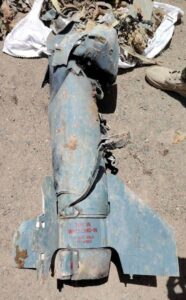
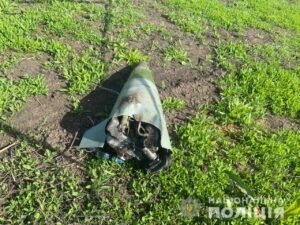
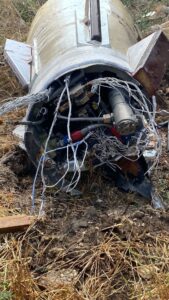
This image shows the rear section of a Hydra-70 rocket. The Hydra-70 uses the MK 66 series of rocket motors, visible here, but can be fitted with at least 11 different warheads. They can also be fitted with the Advanced Precision Kill Weapon System (APKWS) ‘bolt-on’ guidance kit, converting an unguided rocket into a guided missile. From the available imagery, it is not clear with which warhead or guidance section this munition may have been fitted. (ARES)
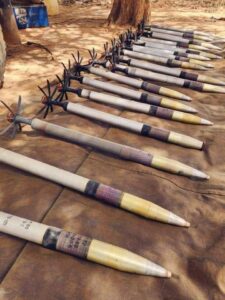
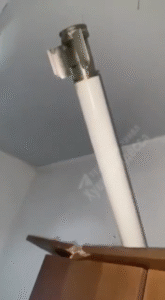
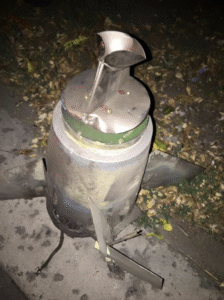
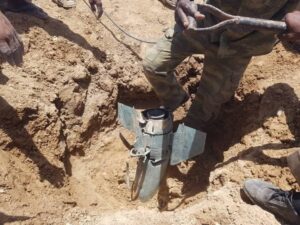
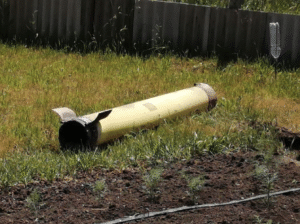
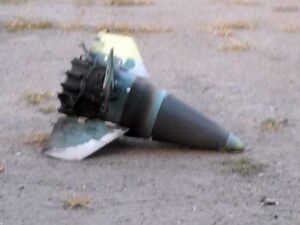
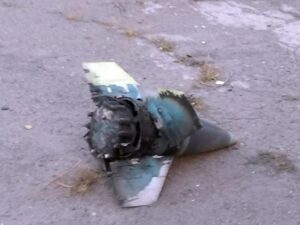
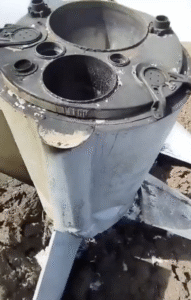
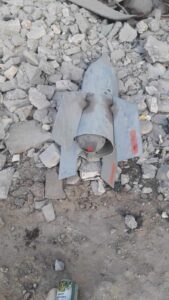
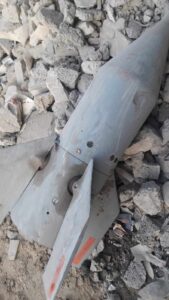
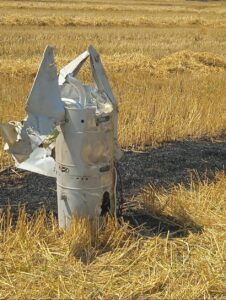
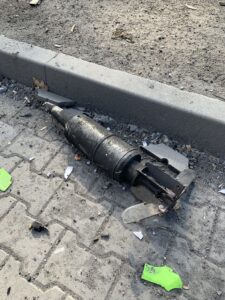
This image shows the venturi and tailfin assembly from a 57 mm S-5 series rocket. The S-5 series of rockets are commonly used around the world in a variety of roles, including air-to-surface and surface-to-surface. Unfortunately, from this image alone the specific model and country of origin cannot be determined. (ARES)
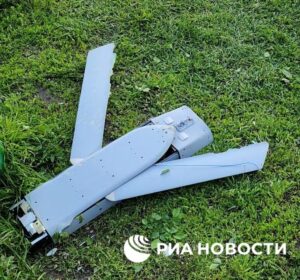
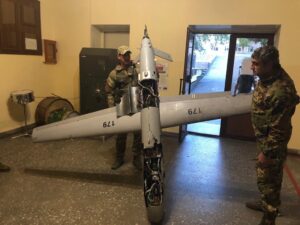
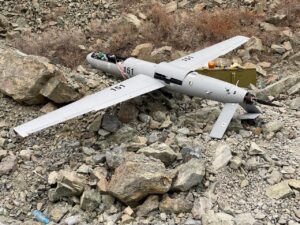
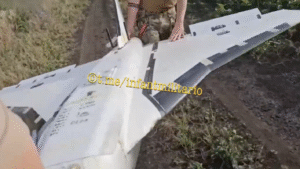
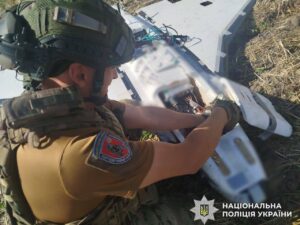
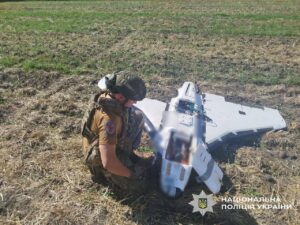
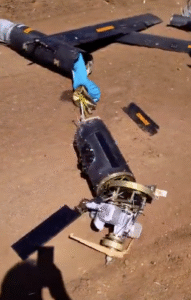
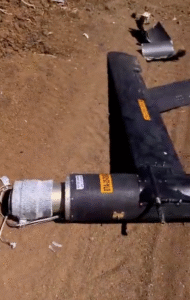
A Gerbera-series UAV is pictured here being carried by just two Ukrainian soldiers. This highlights the Gerbera’s lightweight design—the airframe is mostly constructed from Styrofoam and wood, which saves on both weight and cost. This particular example does not bear signs of significant damage, suggesting that it either malfunctioned or was brought down by EW and crashed. (ARES)
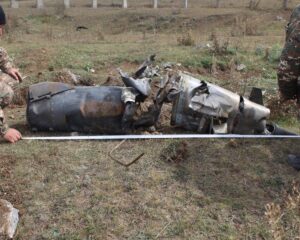
This image shows parts from at least three fin-stabilised tank gun projectiles, including the tail assemblies and several folding fins. These are components that often survive relatively intact following the functioning of such munitions. The specific morphology of the remnants pictured is consistent with Israeli 120 mm tank gun projectiles. Contextual information suggests that the remnants are most likely to be from M339 high explosive ‘multi-purpose’ projectiles. (ARES)
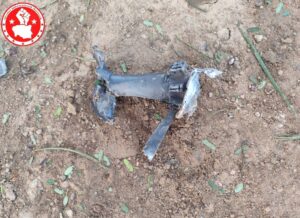
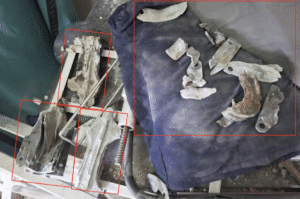
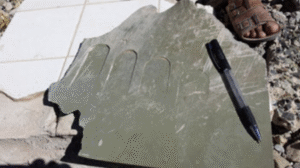
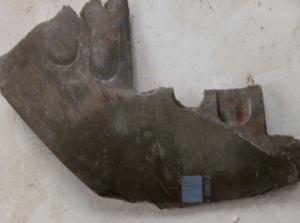
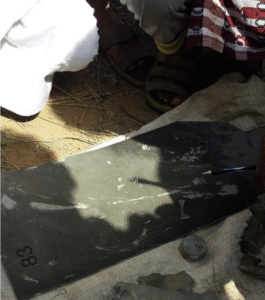
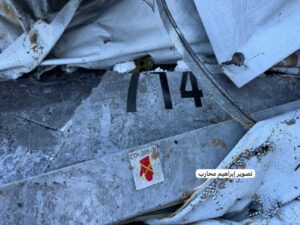
This image shows a remnant of a control fin from a Paveway III bomb guidance kit that is compatible with 2,000-pound-class air-delivered bombs. In U.S. service, this combination receives designations in the GBU-24 series. Based off this remnant alone, it cannot be determined which model of air-delivered bomb was paired with this particular guidance kit. (ARES)
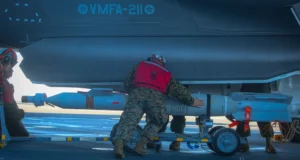
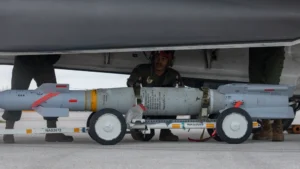
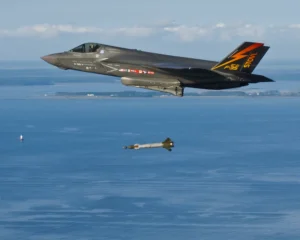
This image shows a GBU-12 series guided bomb being loaded onto a F-35B belonging to Marine Fighter Attack Squadron 211. Two of the control fins have not yet been installed in the Paveway’s guidance control section. (ARES)
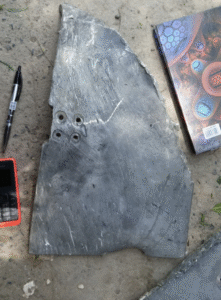
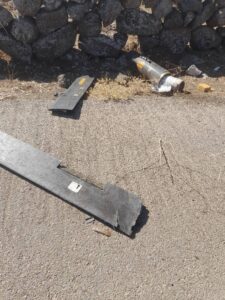
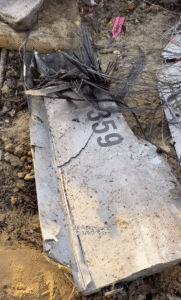
This image shows a remnant of the control fin of a GBU-24 (as seen partially marked), the designation for the combination of a Paveway III guidance kit paired with a 2,000-pound-class air-delivered bomb. This remnant is not enough to determine which model of bomb the kit was originally paired with. (ARES)
This image shows a BLU-111 500-pound-class bomb paired with a Paveway II guidance kit, and an MXU-650 series airfoil group, or tail kit. This combination is designated the GBU-12 series in U.S. service. (ARES)
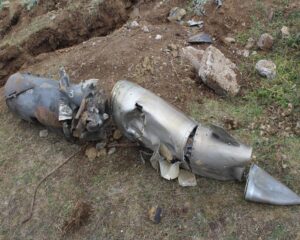
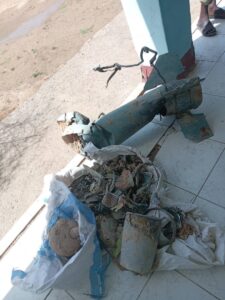
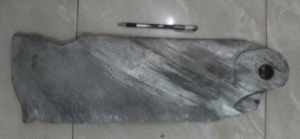
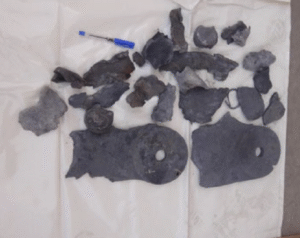
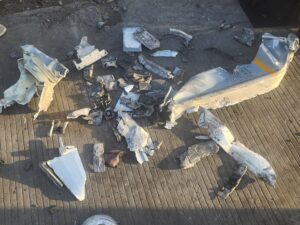
This image shows various remnants of an air-delivered bomb and a Paveway guidance kit. The blue pen provides a scale indicator, which is necessary to identify which variant of aerofoil (‘airfoil’) group the tail fins belonged to. In this case, they are most likely from an MXU-650-series airfoil group, which are paired with MK-82 500-pound-class bombs. (ARES)
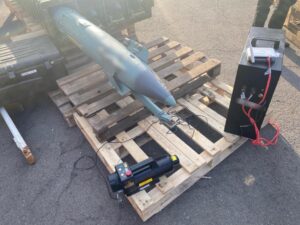
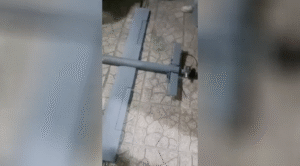
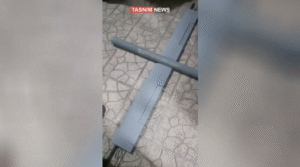
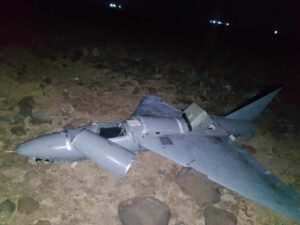
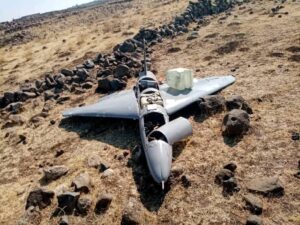
This still taken from a video released by Iranian state media, shows a one-way-attack UAV purportedly manufactured by Israeli forces operating inside Iran. This UAV was found alongside manufacturing equipment, and additional UAV components, strongly suggesting that it was manufactured or assembled inside Iranian borders. (ARES)
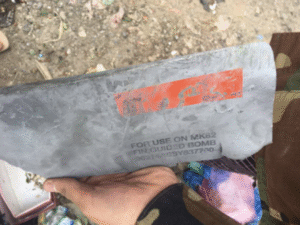
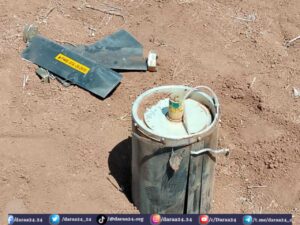
This image shows a remnant of the guidance control unit from a Paveway- or Lizard-series bomb guidance kit. The guidance control fins are marked “FOR USE ON MK82” indicating that this guidance control unit was paired with a MK 82-series 500-pound-class bomb. (ARES)
This image shows a variety of remnants from an Israeli SPICE 250 guided bomb. One of the bomb’s four control fins is visible at the bottom-left of the image. (ARES)
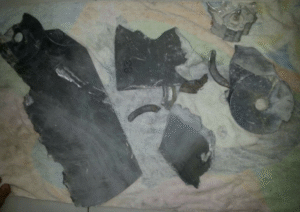
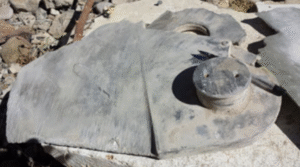
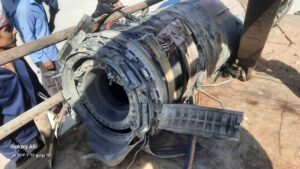
This image shows a remnant of the control section of the Arrow 2 ‘kill vehicle’, including the control fins. The blast-fragmentation warhead is located in the front section of the kill vehicle, forward of the control section, and is absent here due to the functioned state of the munition. (ARES)