





1–100 of 580
Current Filter
Hinged/Actuated Fins
Fins that can be adjusted during flight to allow the alteration of a munition’s trajectory, or those that can be adjusted to reduce the size of a munition during transport and employment.

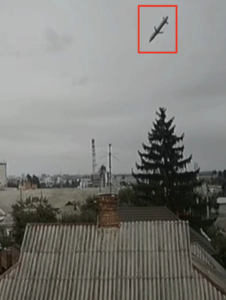
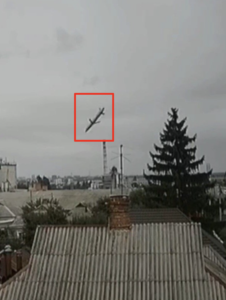
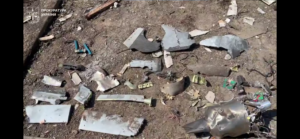
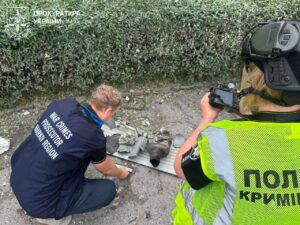


Analyst Note
15 August 2026
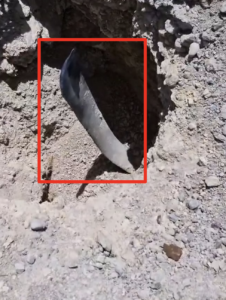
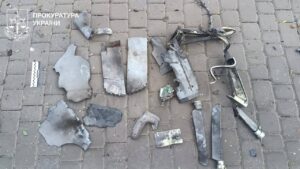
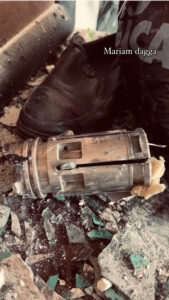
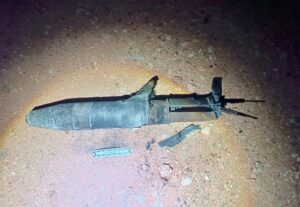
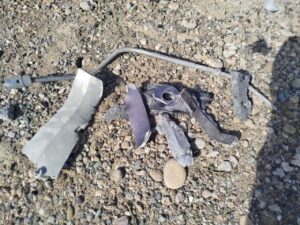
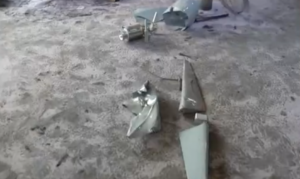
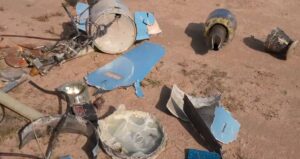
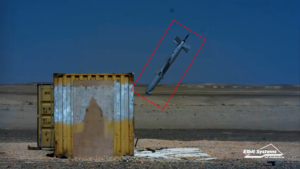
This image shows remnants of a Guided Advanced Tactical Rocket (GATR) alongside the remnants of a Hydra-70 series rocket. Developed and produced by Elbit Systems of Israel, GATR adds advanced capabilities, including guidance, to ‘dumb’ Hydra-70 rockets, in similar fashion to the U.S. APKWS system. GATR replaces the fins typically found in Hydra-70 series rockets with those of a new design. (ARES)
Analyst Note
15 August 2026
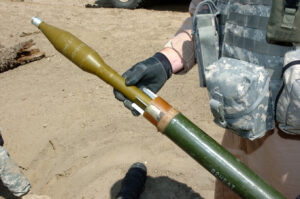
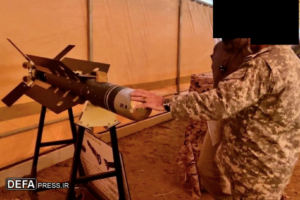
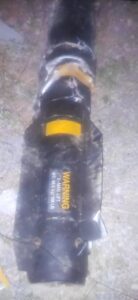
This image shows a Chinese Type 70-series rocket being removed from its launch tube. The example in the picture is a high explosive anti-tank (HEAT) variant likely designed for export; other Type 70 HEAT variants are known, as is a bounding high explosive fragmentation (HE/FRAG) variant. This family of rockets is fired from the Type 70 and Type 70-1 shoulder-fired launchers. The each rocket is contained in a disposable launch tube which is attached to the rear of the launcher and discarded after firing. (ARES)
Analyst Note
15 August 2026
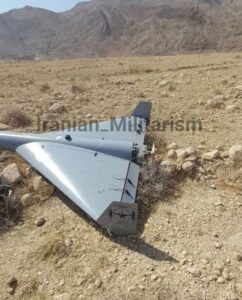
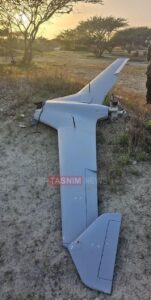
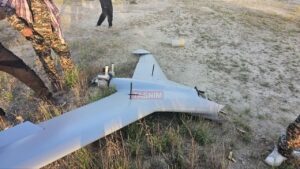
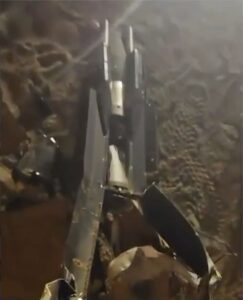
This image shows a downed Low-cost Uncrewed Combat Attack System (LUCAS) one-way attack (OWA) unmanned aerial vehicle (UAV). Unlike LUCAS UAVs see previously, this example does not have a Starshield GPS Antenna prominently visible forward of the engines, indicating that this LUCAS has been constructed differently to previous examples. (ARES)
Analyst Note
15 August 2026
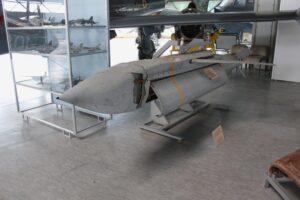
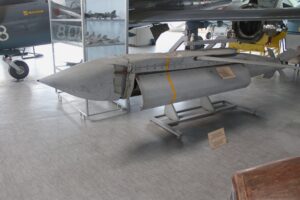
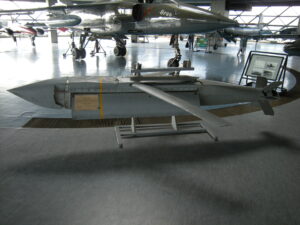
This image shows a functioned AGM-154A Joint Standoff Weapon (JSOW) air-to-surface missile. Upon functioning, a flexible linear shaped charge (FLSC) is used to cut open the munition body, dispensing 145 BLU-97B/B submunitions. The clean-cut edges visible on the bottom hanging section of the JSOW are the hallmark of the functioning of the FLSC. (ARES)
Analyst Note
28 June 2026
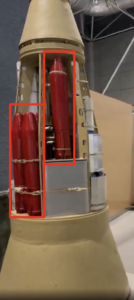
This image shows an Iranian ballistic missile’s ‘manoeuvrable re-entry vehicle’ (MaRV; a detachable, steerable payload section) at the IRGC Aerospace Museum in Tehran, with what appear to be inert models of the submunitions Iran has deployed against Israel in the recent conflict. ARES has assigned a temporary identification of TMID-0012 to these submunitions. (ARES)

Analyst Note
15 August 2026
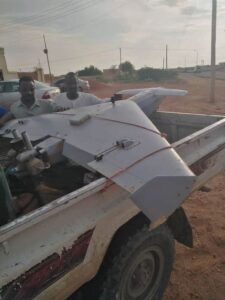
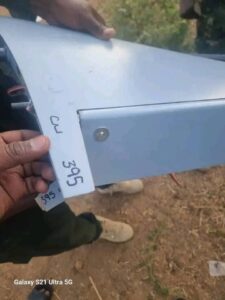
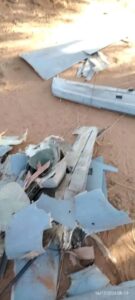
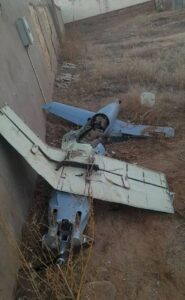
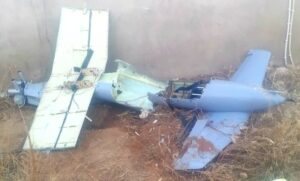
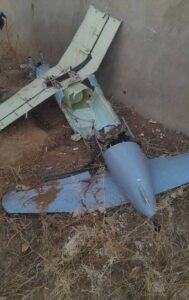
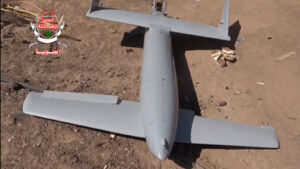
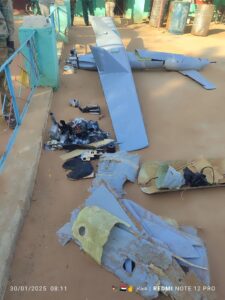
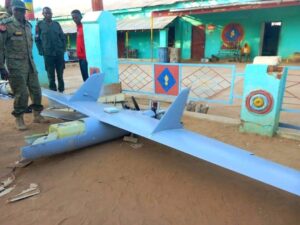
This image shows an unknown model of one-way attack (OWA) UAV believed to be produced by the UAE, and employed by the Rapid Support Forces (RSF) in Sudan. Unlike TMID-0014 and TMID-0015, this UAV uses a 82 mm mortar projectile fitted in the nose, rather than a Modamer warhead. (ARES)
Analyst Note
15 August 2026
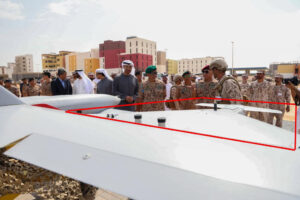
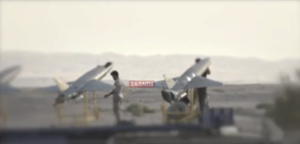
This image shows a TMID-0013 UAV being displayed by the UAE during the ‘Desert Tiger 7’ joint exercise conducted with Malaysia in February 2023. The other UAV in the image has been temporarily designated TMID-0014. (ARES)
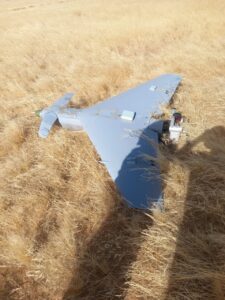
Analyst Note
18 August 2026
The 81 mm mortar projectile which serves as the warhead for the TMID-0014 is partially visible protruding from the nose of this example. (ARES)
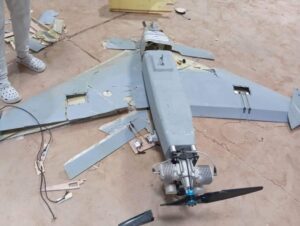
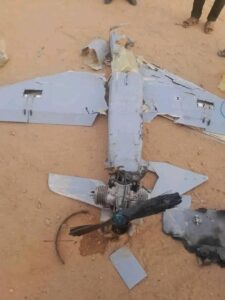
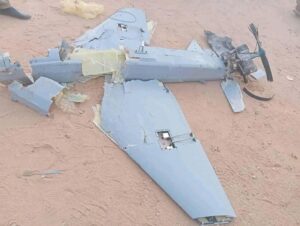


Analyst Note
15 August 2026
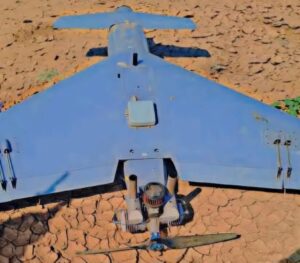
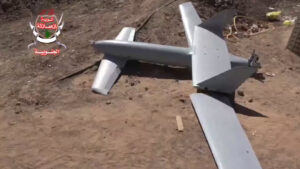
This image shows an unknown model of one-way attack (OWA) UAV believed to be produced and employed by the United Arab Emirates (UAE). ARES has assigned a temporary munitions identifier (TMID) of TMID-0015 to this munition. The UAV’s nose and a Modamer warhead can be seen, detached, to the left of the main body. (ARES)
Analyst Note
15 August 2026
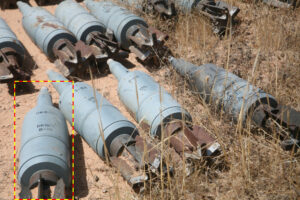
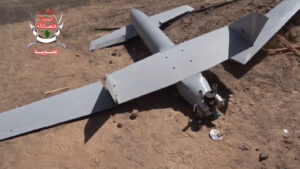
This image shows what appears to be an earlier variant of the current iteration of the TMID-0014 which has been used by the Rapid Support Forces (RSF) in Sudan. This model of UAV was also documented in Yemen in 2022. (ARES)
Analyst Note
23 July 2026
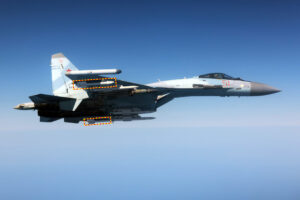
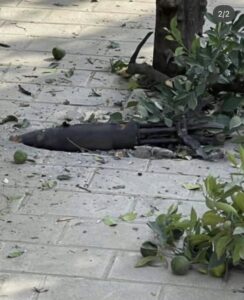
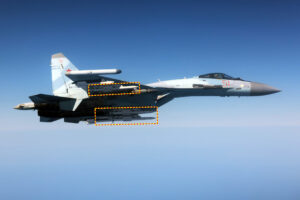
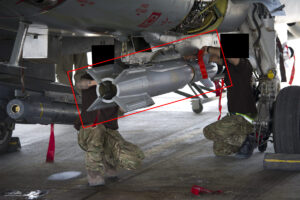
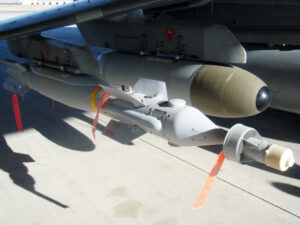
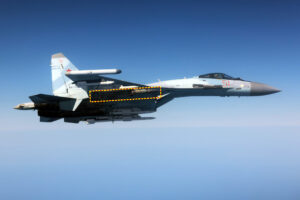
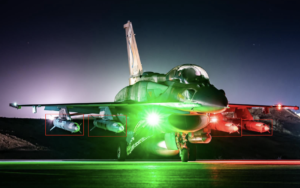
This photo shows a Russian Air Force Su-35 (RF-81718), which, alongside another Russian aircraft, intercepted a UK Royal Air Force aircraft in international airspace over the Black Sea. This image, published by the Royal Air Force, provides an opportunity to view a ‘live’ Su-35 load-out in detail. (ARES)



Analyst Note
2 March 2026
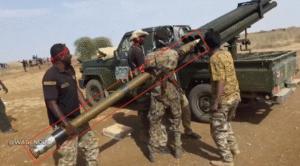
Based on design features and an estimation of the munition’s apparent size relative to the personnel handling it, this image appears to show a 122 mm surface-to-surface rocket fitted with a high explosive fragmentation (HE-FRAG) warhead, although the specific model and country of origin are unclear. In Sudan there have been reports of Russian, Chinese, and domestically produced (Taka-02) 122 mm rockets being used. (ARES)

Analyst Note
2 March 2026
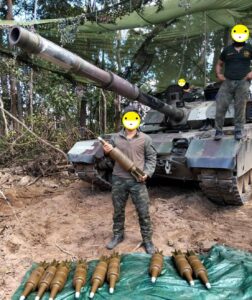
The tank visible in the background of the image appears to be a Chinese VT-4 (MBT-3000) model. The VT-4 is manufactured by Norinco and is intended primarily for export. (ARES)
Analyst Note
10 June 2026
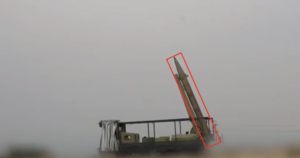
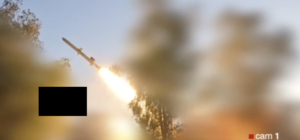
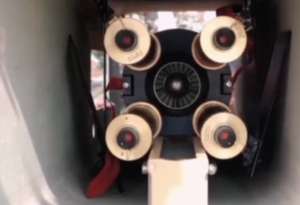
This image shows the launch of an Iranian Paveh surface-to-surface cruise missile in Iraq. The munition was fired by Iranian proxy forces and reportedly targeting Israel. Some sources indicate the Paveh has been renamed the ‘Jamal-10’, whilst others claim it is being locally produced in Iraq by Iranian proxy forces. With an estimated 75% of the missile’s components coming from outside Iran, distributed production is certainly possible. The missile has two large wings located forward of the munition’s midpoint, three smaller fins towards the tail, and four actuated fins around the tail. The initial launch is accomplished with a solid-propellant rocket motor, which gives way to a turbo jet flight motor mounted on top of the missile, towards the tail. (ARES)
Analyst Note
10 June 2026
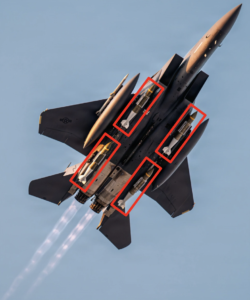
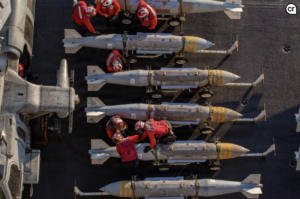
Highlighted are four GBU-31 Joint Direct Attack Munitions (JDAM) guided air-delivered bombs loaded onto the belly of a U.S. F-15E Strike Eagle aircraft. The GBU-31-series consists of a 2,000-pound-class bomb (Mk 84, BLU-109, or BLU-109A/B) and a guidance kit comprising a tail unit with four articulating fins and a guidance control unit with inertial navigation system (INS) and global positioning system (GPS) functions. The GBU-31 munitions seen here are built around the BLU-109, a penetrator munition with a solid nose and a thicker, one-piece body which flares slightly at the base. It has no body welds; the heavy steel base plate is held in place by an equally robust threaded steel closure ring. The BLU-109 is painted olive drab with a single yellow band towards the nose. (ARES)
Analyst Note
10 June 2026
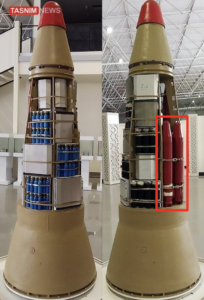
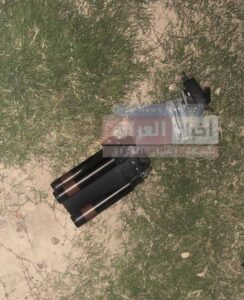
This image shows the ‘manoeuvrable re-entry vehicle’ (MaRV; a detachable, steerable payload section) of an Iranian ballistic missile loaded with submunitions. It appears there are three different models of submunition loaded into the MaRV (black, blue, and red). The black and blue submunitions are most likely anti-personnel designs, whilst the red submunitions (indicated by a red box) are likely designed with penetrating or shaped-charge warheads to target vehicles or structures. Some submunitions may utilise time-delay fuzing, allowing for random detonations over several hours or days to hamper clearance efforts, denying use of the afflicted area. Reports have shown Iran has used ballistic missiles with mixed submunition loads, and suggest that this type of warhead can scatter its payload up to a radius of 8 km. (ARES)

Analyst Note
10 June 2026
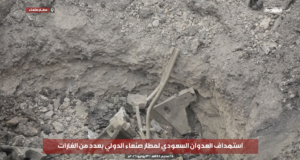
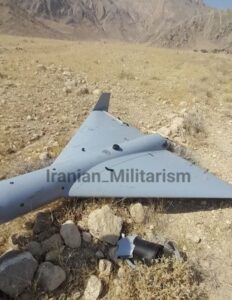
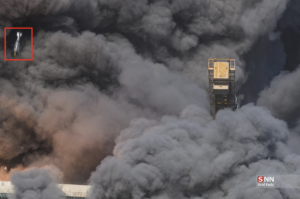
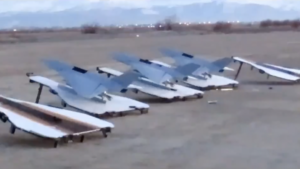
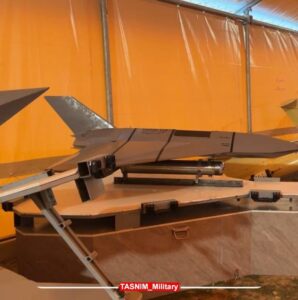
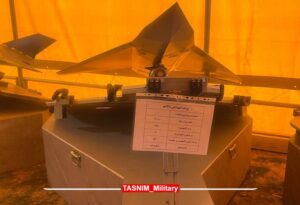
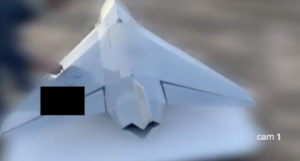
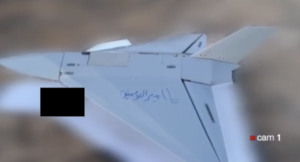
This image shows a screenshot from one of the videos released by the Kuwait Civil Aviation showing a one-way attack (OWA) unmanned aerial vehicle (UAV) striking the Kuwait International Airport. The munition’s distinctive delta-wing configuration and general size, shape, and manner of flight are consistent with the Shahed series of OWA UAVs. The related entry shows a Mado MD550 engine recovered following this strike, a model used to power the Shahed-136 series, enabling a more precise identification. (ARES)

Analyst Note
21 April 2026
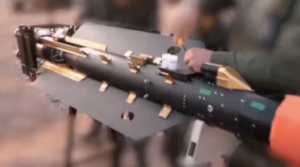
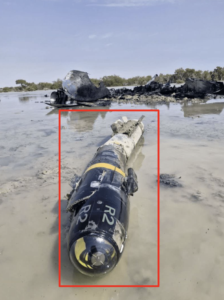
This image shows an AGM-114R2 Hellfire II missile. The AGM-114R2 is an enhanced version of the the AGM-114R multi-role missile, which is designed to engage a wide variety of targets. The Hellfire R-series missile are equipped with a multi-purpose warhead that can engage armoured or unarmoured vehicles on land or sea, as well as personnel in the open or in buildings. Reports indicate that the AGM-114R2 features improvements to its guidance software and tracking to increase accuracy against moving targets, as well as incorporating an adjustable height-of-burst (HOB) capability which allows it to detonate at a pre-determined height above the ground. (ARES)

Analyst Note
28 April 2026
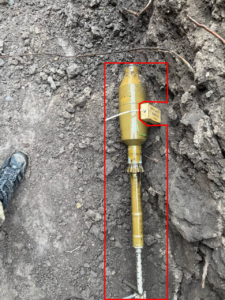
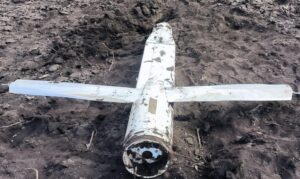
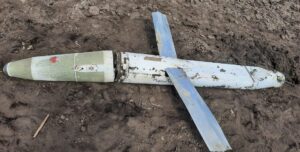
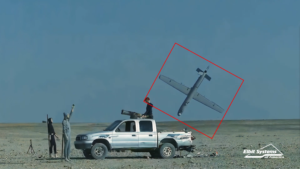
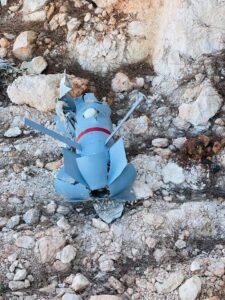
This munition, believed to be of Israeli origin, has been documented at a number of strike sites in Lebanon, Gaza, and Iran. Although distinctive remnants permit its tentative identification, the lack of a confirmed model name means this munition has been assigned a Temporary Munitions Identifier (TMID) by ARES. This appears in the Tentative Model field of the OSMP so that all records of this munition in the database can be linked under one temporary name. (ARES)
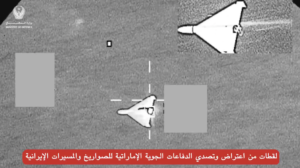
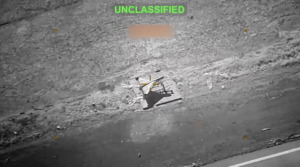
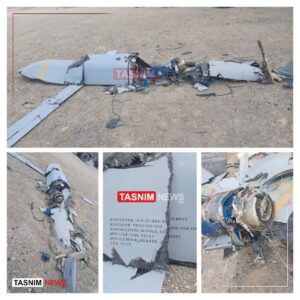
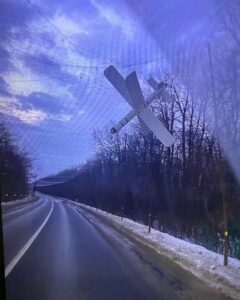
Analyst Note
2 March 2026
This image shows a Lancet-series one-way attack (OWA) UAV. It strongly resembles the Z-51E made by Zala Aerospace, a Russian manufacturer, although this cannot be confirmed from the available image. The Lancet series of drones can carry a variety of different warheads, including blast, fragmentation, thermobaric, and High Explosive Anti-Tank (HEAT). (ARES)
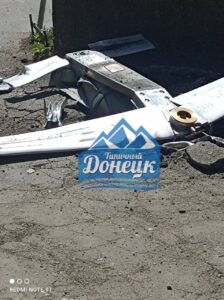
Analyst Note
2 March 2026
Positive identification of the model of air-delivered bomb to which the UMPK kit is fitted cannot be made from the source imagery. Based on the size of the UMPK and historical use in the area, it is likely an OFAB-250-270 model. (ARES)
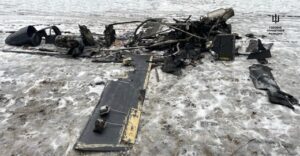
Analyst Note
2 March 2026
This image shows the remains of a Russian Geran-5 drone. These drones are reported to be roughly 6 meters long and have a wingspan of up to 5.5 meters. They are fitted with a warhead weighing approximately 90 kg and have a range of about 1,000 km. (ARES)

Analyst Note
2 March 2026
The 3OF39 Krasnopol is a laser-guided, rocket-assisted 152 mm tank gun projectile carrying a high explosive fragmentation (HE-FRAG) warhead. The round is built and shipped with a cover over the optical sensor. This protective cover is fitted with a T-90 mechanical time delay fuze. Once fired, the T-90 fuze will initiate after a pre-selected time and will jettison the protective cover, exposing the optical sensor in the nose. The internal impact fuze, which can be set for immediate or delayed initiation, is then responsible for detonating the projectile. (ARES)