


101–200 of 216
Current Filter
Rocket or Missile
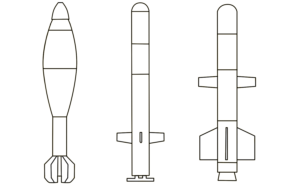
Rockets and missiles are two closely related types of powered munitions which utilise an internal propulsion method, typically a rocket motor, to maintain their rate of travel after launch. Rockets and missiles are typically relatively long and thin—with lengths ranging from 50 centimetres to 6.5 metres. Rockets are unguided those fitted with guidance systems are usually referred to as missiles. Missiles sometimes use propulsion methods other than rocket motors, such as turbojets. The effective range of rockets varies from as little as one kilometre to more than 40 kilometres, while missiles typically have a longer range — some more than 250 kilometres.
Read more →
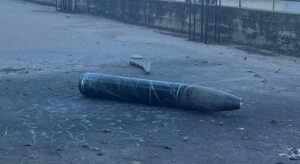
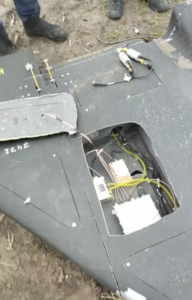
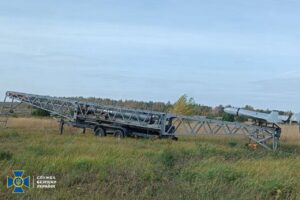


Analyst Note
9 January 2025
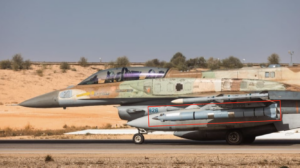
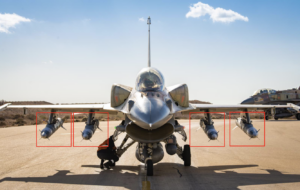
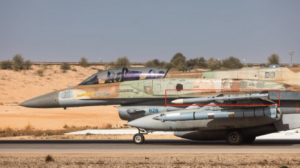
This image shows an Israeli Air Force F-16 carrying four Rampage air-to-ground missiles. The Rampage is a 580 kg (1,278 lb) missile with GPS and INS guidance. It carries a multi-purpose warhead that is designed for engaging a range of targets in the open as well as offering some degree of penetration. (ARES)
Analyst Note
9 January 2025
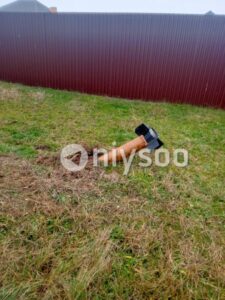
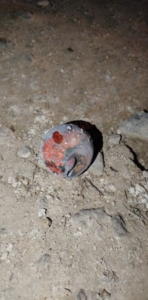
This image shows the pneumatic accumulator, or ‘accumulator bottle’, of the AGM-114R9X missile. The accumulator bottle stores gas that is used to actuate the fins, adjusting the trajectory of the missile in flight. All AGM-114 Hellfire-series missiles have an accumulator bottle. The accumulator bottle is a fragment that often survives intact, even in Hellfire missile variants that carry an explosive payload. (ARES)
Analyst Note
31 December 2024
This F-16I fighter aircraft from the Israeli Air Force is carrying a CATM-120 inert missile simulant (indicated). These devices are used for training purposes, being designed to replicate the weight and centre of gravity of a live munition. They lack any means of propulsion and are not released from the aircraft. The CATM-120 can be differentiated from the AIM-120 missile series by the presence of only blue bands on the missile, denoting both an inert rocket motor and an inert payload. A ‘live’ AIM-120 will have two brown bands on the rear section of the missile (the rocket motor), and a yellow band on the forward, or warhead, section. An AIM-120 with an inert warhead, but a live rocket motor, will have a blue band on the warhead and two brown bands on the rocket motor. (ARES)
2 Analyst Notes
17 December 2024
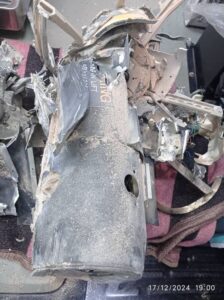
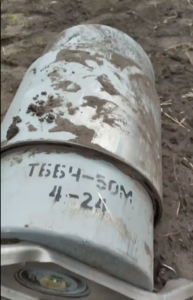
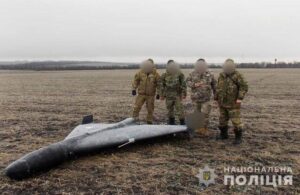
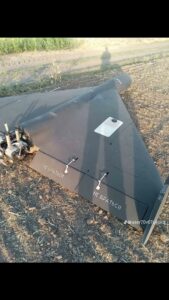
This image shows one of several possible warhead variants that can be carried by the Shahed-136/Geran-2 one-way attack (OWA) UAV. The Shahed-136/Geran-2 (and the smaller Shahed-131/Geran-1) has been documented carrying shaped-charge warheads, penetrator warheads, and multi-function warheads. Due to the various warheads that can be carried by a Shahed/Geran drone, the functional use cannot be determined without the warhead being visible. In this case, the munition was fitted with a TBBCh-50M warhead that contains a thermobaric explosive composition with an additional fragmentation effect. (ARES)
Analyst Note
17 December 2024
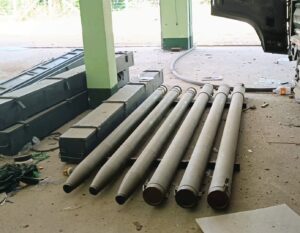
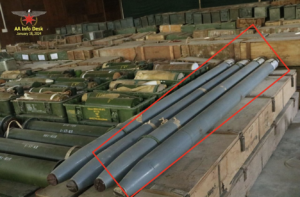
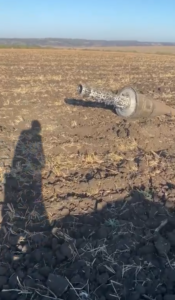
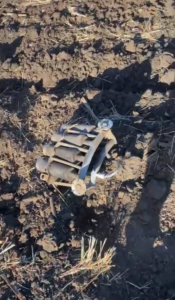
Whilst there are no visible markings explicitly identifying the model of the 122 mm rockets in this image, they are sitting atop a box marked “R-122” and exhibit physical features consistent with North Korean R-122 rockets. It should be noted that rockets marked with the generic “R-122” model name have been observed in both ‘long’ and ‘short’ overall lengths and painted in different colours. (ARES)
Analyst Note
14 November 2024
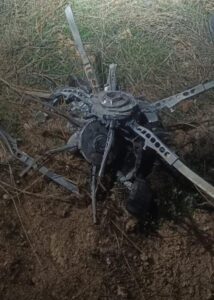
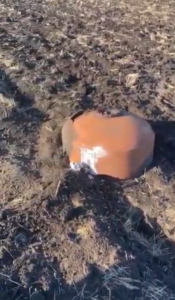
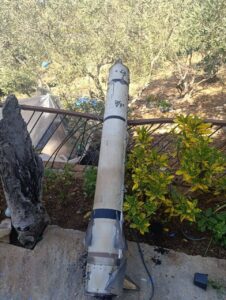
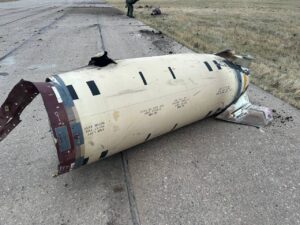
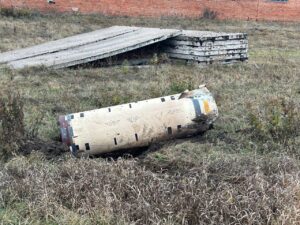
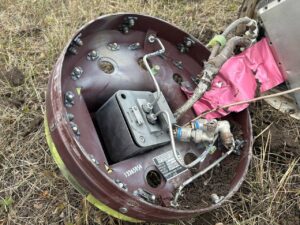
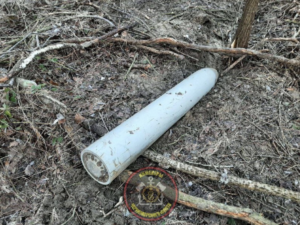
The Stunner surface-to-air missile fired by the David’s Sling air defence system is a two-stage interceptor, meaning that the munition contains two separate rocket motors for launch and propulsion. The first stage, or launch motor, detaches from the munition after a short time, before the second stage, or flight motor, ignites. The second stage motor, visible here, was found relatively intact. (ARES)
Analyst Note
24 January 2025
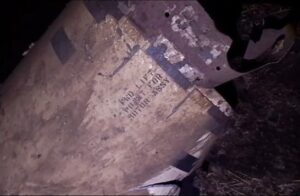
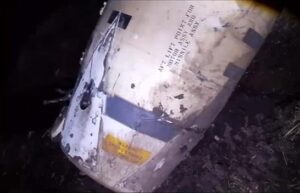
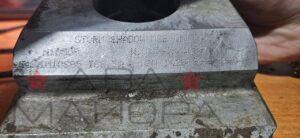
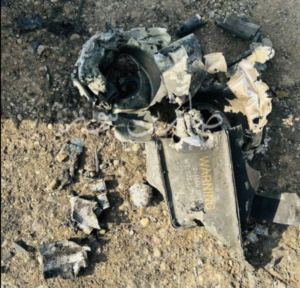
This image shows part of the warhead section of an MGM-140 Army Tactical Missile System (ATACMS) series tactical ballistic missile. This is the top of the warhead section, where it connects to the guidance section. A data plate is visible, giving information about the manufacturer (“Lockheed Martin Vought Systems”) and identifying this specific part (“WARHEAD, GUIDED MISSILE. HIGH EXPLOSIVE”. (ARES)

Analyst Note
20 November 2024
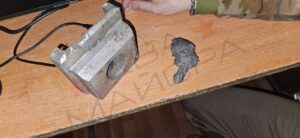
This image shows part of a heavy-duty suspension lug associated with the Storm Shadow air-launched cruise missile. This is made clear from dot-peened markings which include “STORM SHADOW USE ONLY” and identifiers such as a NATO Stock Number (NSN). (ARES)
Analyst Note
20 November 2024
The munitions remnant on the left of this image is part of a suspension lug associated with the Storm Shadow air-launched cruise missile, which is used to attach the munition to an aircraft. This component is of heavy construction, and as such often survives the missile’s functioning intact. This photograph purports to show remnants recovered from a Storm Shadow missile that was fired by Ukrainian forces into Russian territory, but this claim cannot be verified from the image alone. (ARES)
Analyst Note
19 November 2024
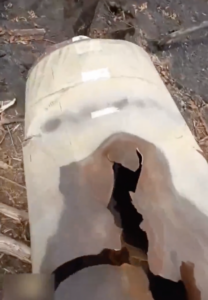
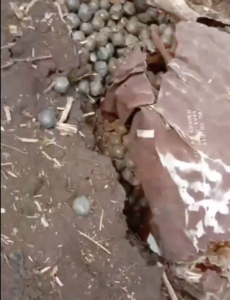
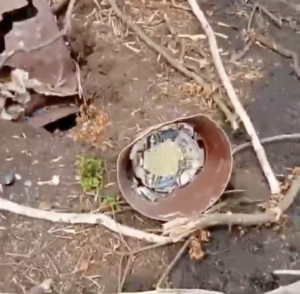
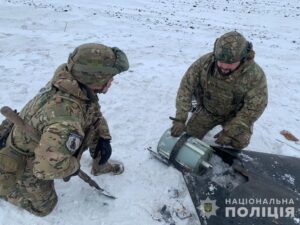
This MGM-140 cluster munition has failed to function as intended, and its payload of M74 submunitions is seen here spilling out of the warhead. (ARES)
Analyst Note
19 November 2024
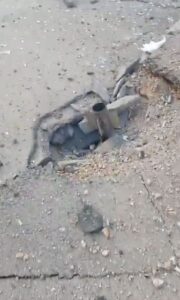
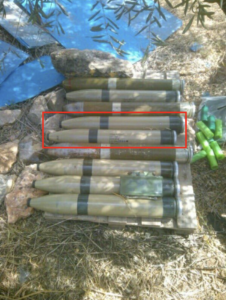
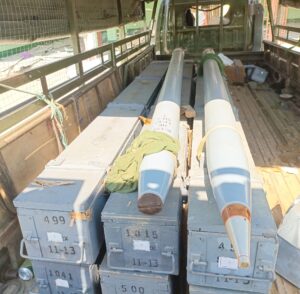
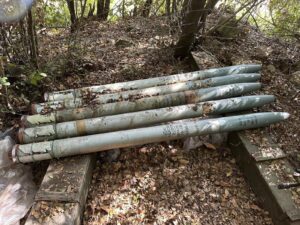
These R-122 ‘Grad’-type 122 mm surface-to-surface rockets were produced in North Korea. The example to the right is fitted with an F-122 impact fuze. Whilst a two-tone colour scheme is more common amongst those North Korean Grad rockets thus far identified in the context of the Ukraine conflict (these typically featuring a black forward section), uniformly coloured examples like this have also been identified previously. (ARES)
Analyst Note
18 November 2024
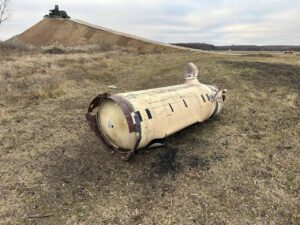
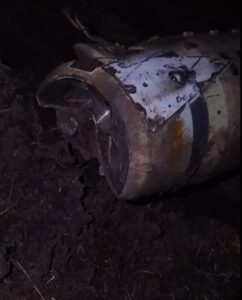
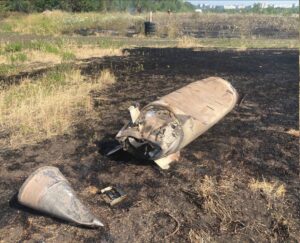
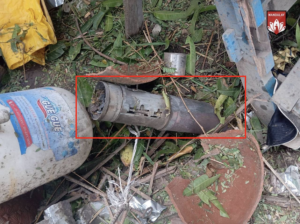
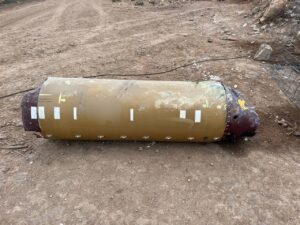
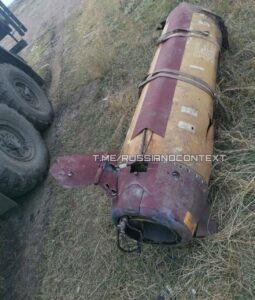
This image shows a rocket motor section from an MGM-140 ATACMS series surface-to-surface ballistic missile. The warhead section of the MGM-140 series missiles separate from the rocket motor before functioning, resulting in the rocket motor often being found relatively intact near the target. The MGM-140 series missiles use the same rocket motor, preventing a positive identification of the variant based off the rocket motor alone, unless the variant markings are visible. (ARES)


Analyst Note
24 October 2024
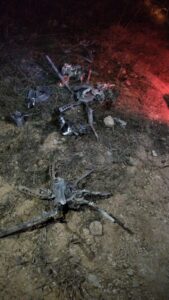
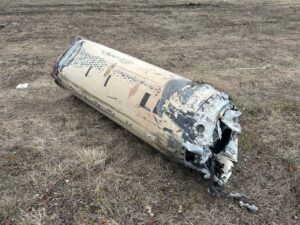
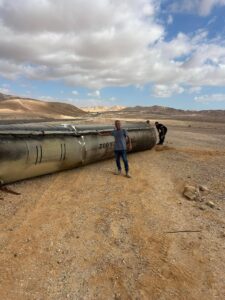
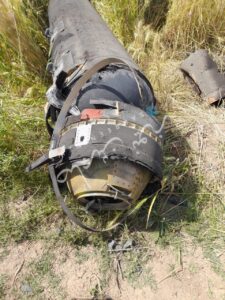
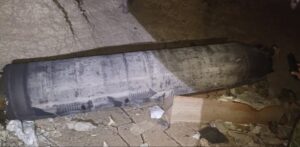
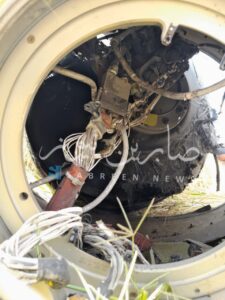
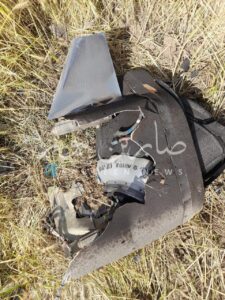
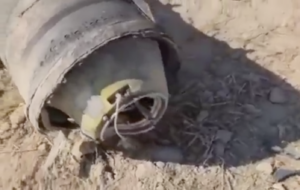
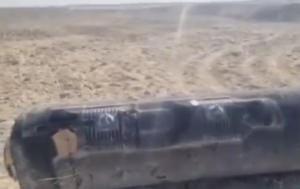
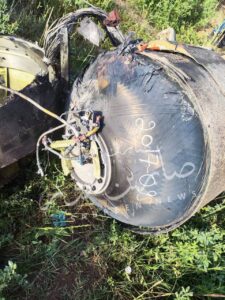
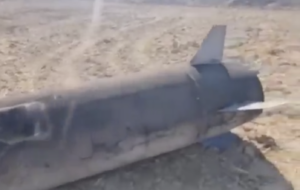
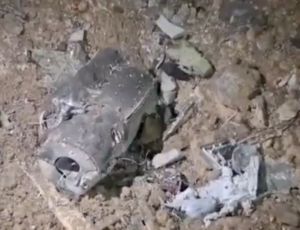
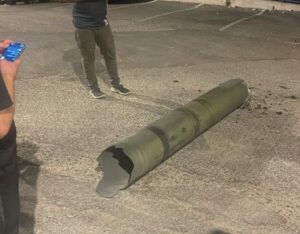
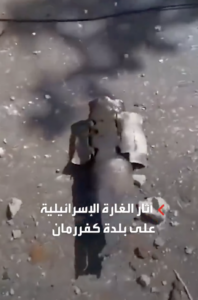
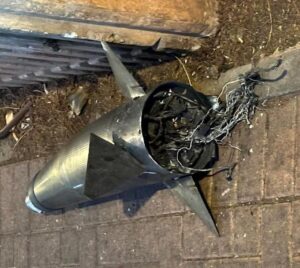
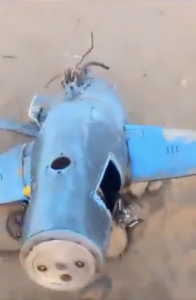
The Blue Sparrow is one of a series of three of air-launched missiles originally designed by Rafael as targets to test ballistic missile defence systems. Blue Sparrow missiles can be fitted with either inert or high explosive (HE) warheads. The recovery of Sparrow-series boosters following a reported Israeli strike on an Iranian air-defence system could suggest that a derivative variant of the Blue Sparrow missile was further developed for engaging surface targets. (ARES)



Analyst Note
21 October 2024
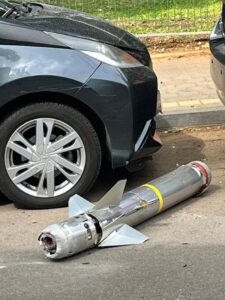
The Stunner missile is the surface-to-air interceptor missile fired by the David’s Sling weapon system to defeat short-range ballistic missiles, cruise missiles, drones, and rockets. The Stunner does not carry an explosive warhead, instead relying on kinetic impact (also called the ‘hit-to-kill’ principle) to intercept ballistic missiles and other targets. (ARES)
Analyst Note
16 October 2024
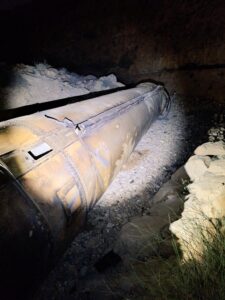
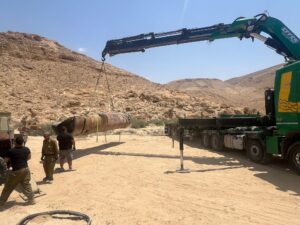
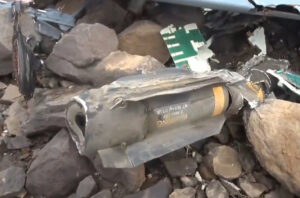
This image shows most of the forward half of a Tamir surface-to-air missile, including the guidance section and warhead, as fired by launchers in the Iron Dome system. These interceptor missiles are fast and manoeuvrable with a relatively small explosive payload. Their construction and low yield means that remnants are often recovered largely intact. (ARES)
Analyst Note
18 November 2024
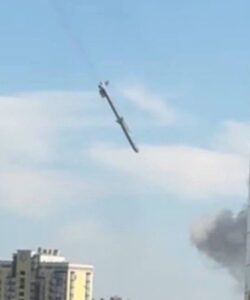
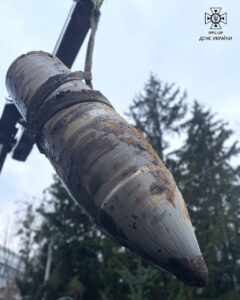
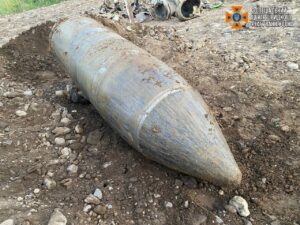
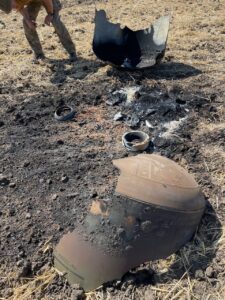
The MGM-140 Army Tactical Missile System (ATACMS) series includes variants with a variety of different payloads, including submunitions and unitary high explosive (HE) warheads. The number of submunitions carried and effective ranges also vary.
Ukraine has reportedly received the MGM-140A and MGM-140B variants, which are externally visually identical and must usually be distinguished by markings. The MGM-140A carries 950 M74 submunitions, with an effective range of 165 km, while the MGM-140B carries only 300 M74 submunitions but has a longer effective range of 300 km. (ARES)


Analyst Note
1 August 2024
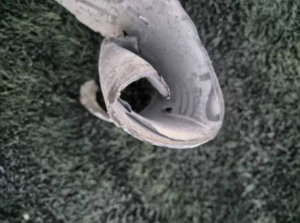
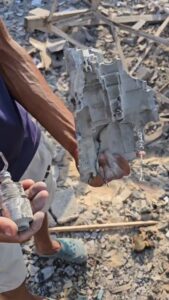
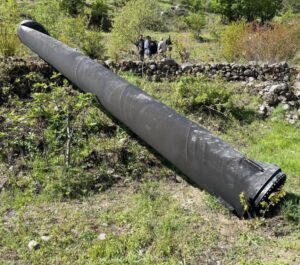
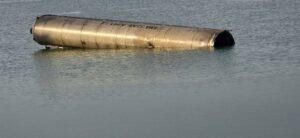
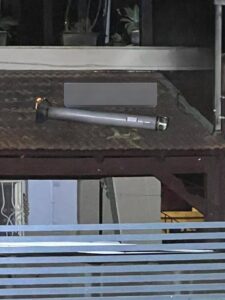
These are munition debris images released by the Israel Defence Forces and are not necessarily in situ. (Airwars)
Analyst Note
1 August 2024
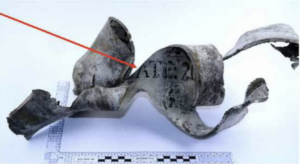
These are munition debris images released by the Israel Defence Forces and are not necessarily in situ. (Airwars)
Analyst Note
1 August 2024
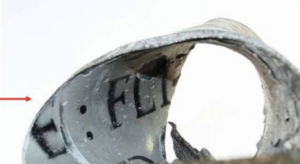
These are munition debris images released by the Israel Defence Forces and are not necessarily in situ. (Airwars)

Analyst Note
11 September 2024
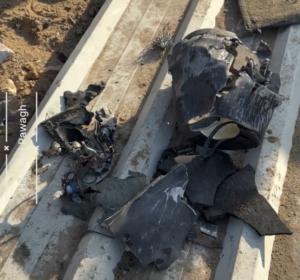
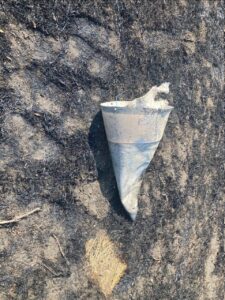
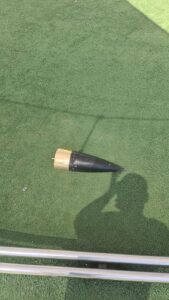
This image shows the nosecone from an Israeli Tamir surface-to-air missile. This component is often found as a remnant after the functioning of the missile. (ARES)




Analyst Note
10 September 2024
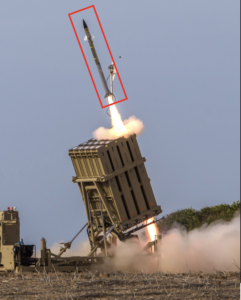
The Tamir Interceptor is the missile fired from Israel’s Iron Dome defence system to intercept incoming rockets, missiles, projectiles, and unmanned aerial vehicles (‘drones’). The Tamir uses a warhead with a relatively small explosive yield, which typically results in the guidance section, nosecone, and (spent) rocket motor falling to the ground relatively intact after functioning. (ARES)