The impact or effect the munition is intended to have
Functional use (10)
The specific model of munition pictured
Tentative Model (338)
Search
The external organisation that documented the munition
Research Organisation (6)
Colour of the munition pictured
Base Colour (12)
Colour of all, or some, of the markings on the munition
Marking Colour (11)
Language or script of the marking on a munition
Marking Script (9)
Condition of the munition pictured
Condition (6)
Key features defining the operation mechanisms of a projectile
Mechanical Feature (10)
Whether a munition is guided or unguided
Guidance (2)
Where the munition is launched from and what it targets
Domain (7)
The type of fins visible on the munition
Fins Characteristic (6)
The nominal diameter of a projectile. For most modern munitions, this is expressed in millimetres (e.g. 82 mm mortar projectile), but older artillery gun projectiles may be described in inches.
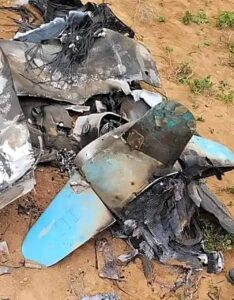
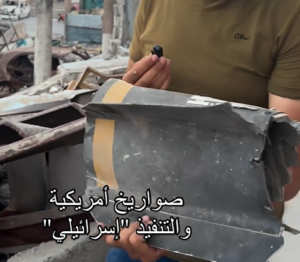
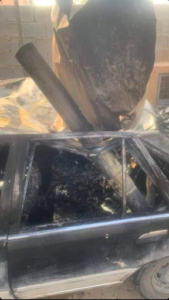
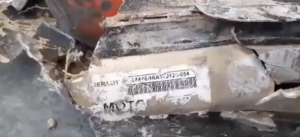
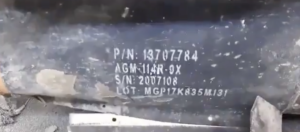
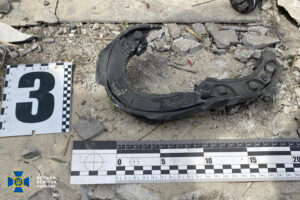
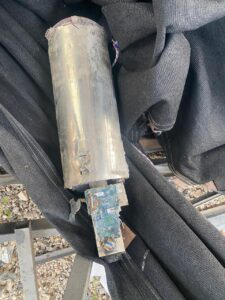
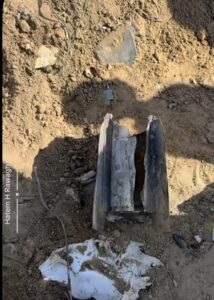
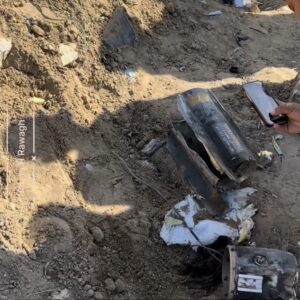
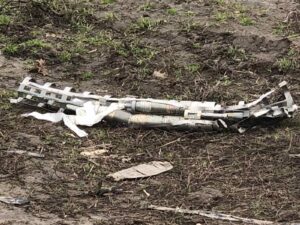
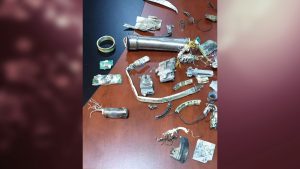
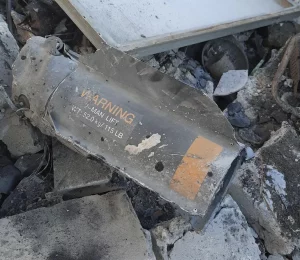
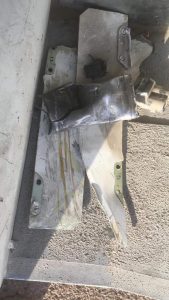
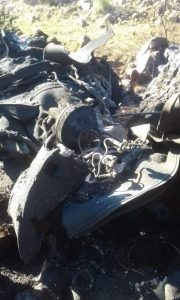
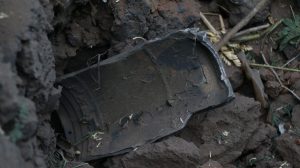
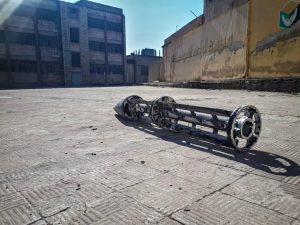
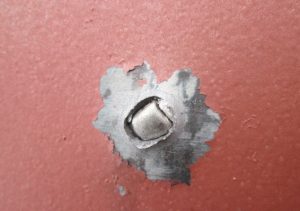
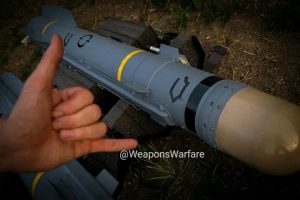
This image shows a component believed to be part of the folding-blade assembly used in the AGM-114R-9X variant of the Hellfire missile. Blades are used in place of an explosive payload to create a kinetic weapon that achieves a practical level of lethality whilst minimising collateral harm. (ARES)
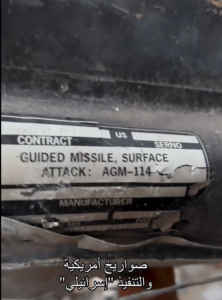
Little is known with certainty about the AGM-114-R9X variant of the Hellfire missile, although it has been associated with high-profile targeted killings including those of senior al-Qaeda figures. The weapon functions as a kinetic-impact munition, using pop-out blades—rather than an explosive warhead—to reduce the prospects of collateral harm. (ARES)
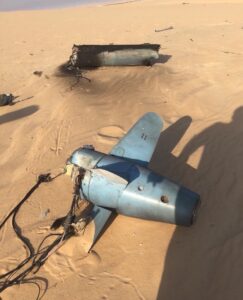
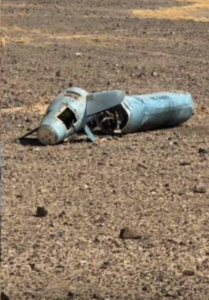
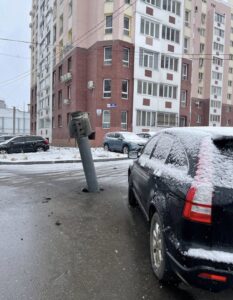
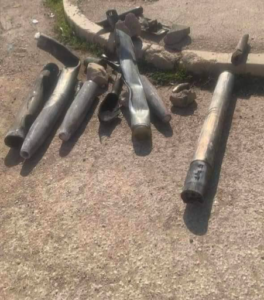
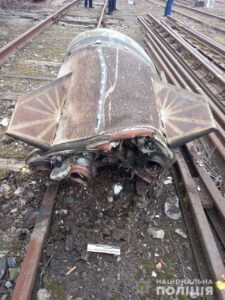
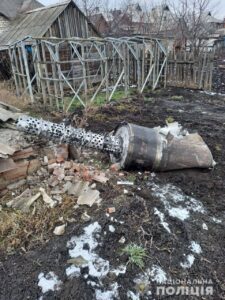
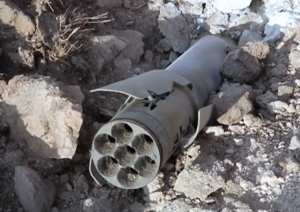
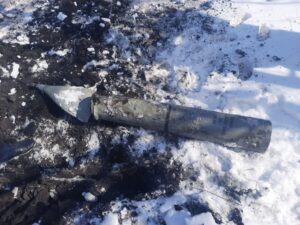
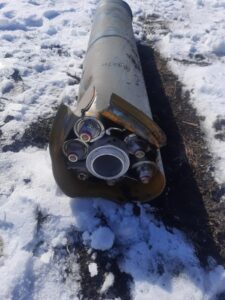
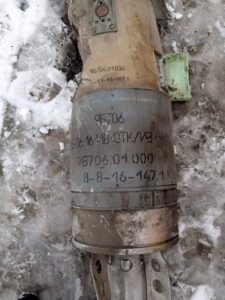
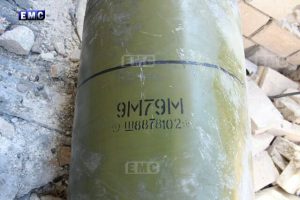
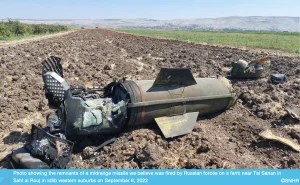
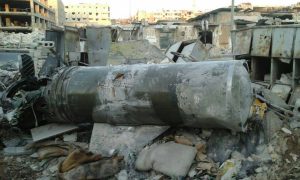
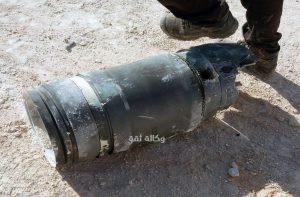
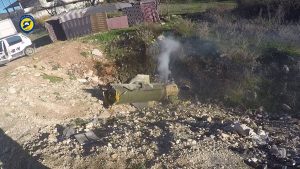
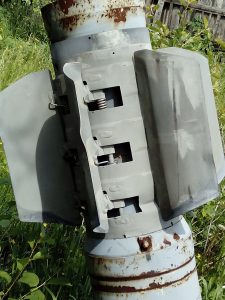
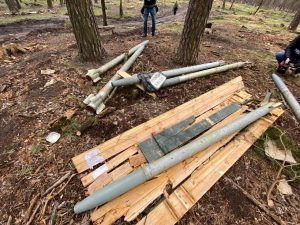
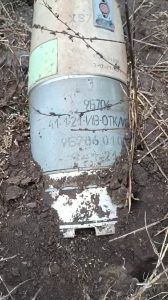
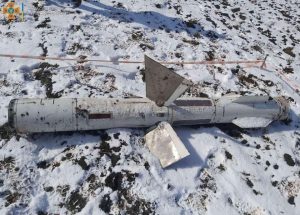
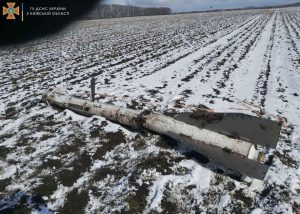
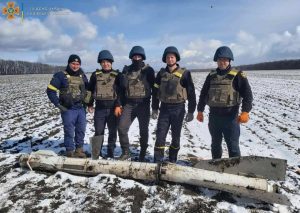
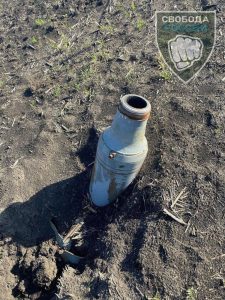
This image depicts either a 9M27K or 9M27K1 cargo rocket (cluster munition). The 9M27K carries the 9N210 high explosive fragmentation (HE-FRAG) submunition, whilst the 9M27K1 carries the 9N235 HE-FRAG submunition (ARES).
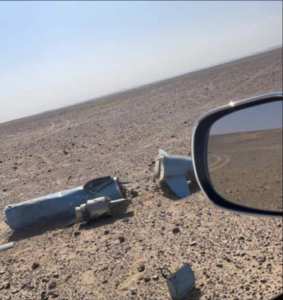
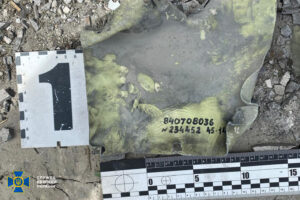
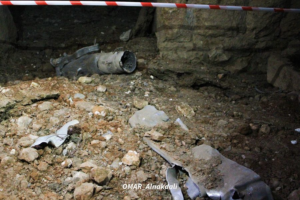
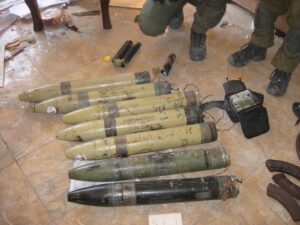
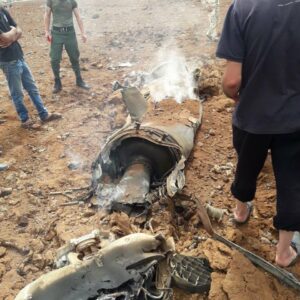
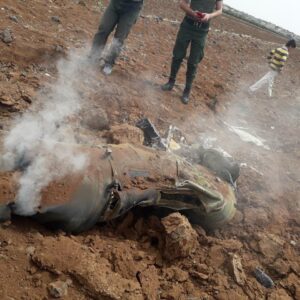
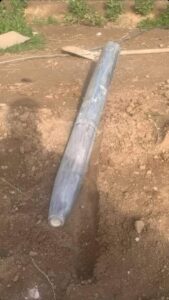
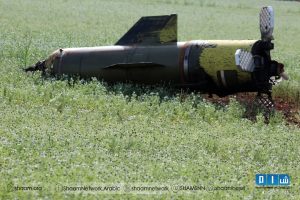
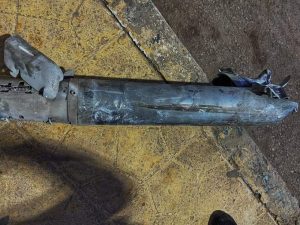
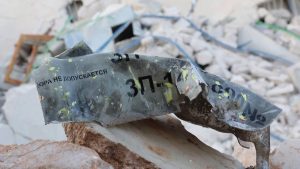
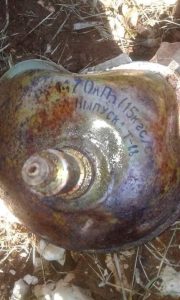
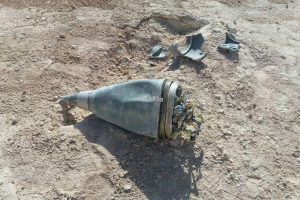
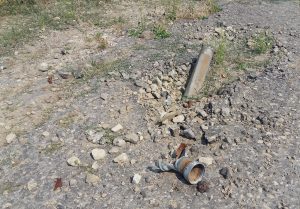
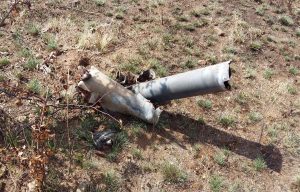
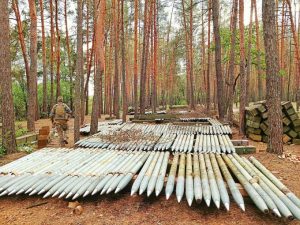
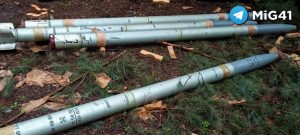
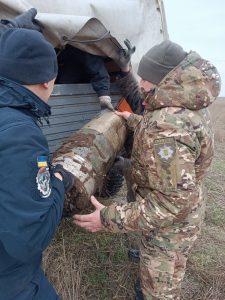
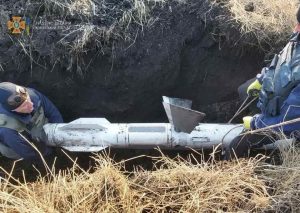
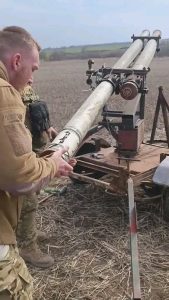
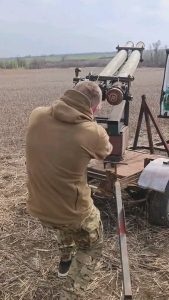
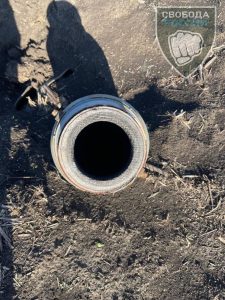
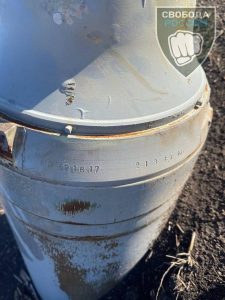
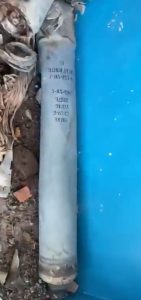
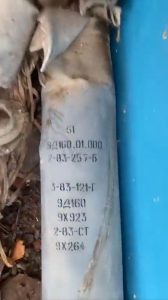
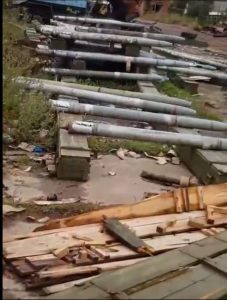
Contextual information suggests that this is likely a 9M22S unguided incendiary rocket (see External Research section), but this cannot be confirmed on the basis of this image alone. (ARES)
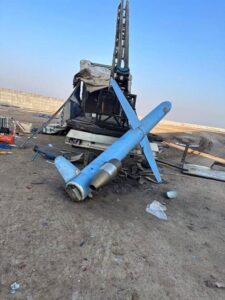
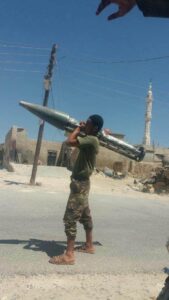
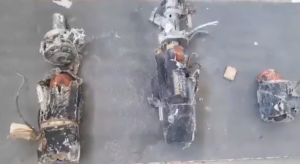
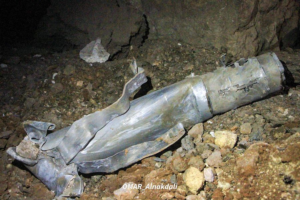
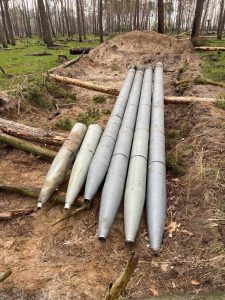
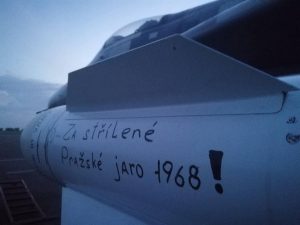
107mm spin-stabilized rockets of this design are often utilized by non-state actors in an indirect fire role. Like the original Chinese models that they are copied from, they do not require more than a simple electric power source and a rudimentary launch platform to achieve an acceptable level of accuracy. (ARES)
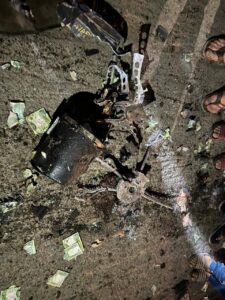
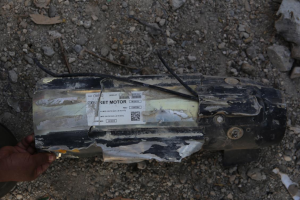
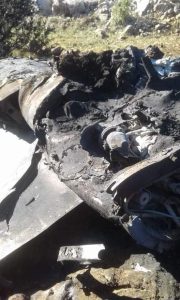
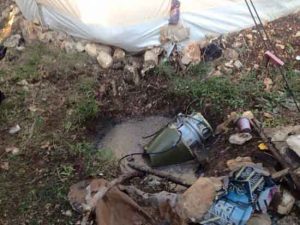
The 57E6 series of missiles fired from the 96K6 Pantsir system use a two-stage design that is unusual for surface-to-air missiles of this type. The remnant seen in this image is part of the missile’s booster section, which accelerates the second stage to a high velocity before separating. The booster section uses a distinctive toffee-brown, filament-wound composite body. (ARES)
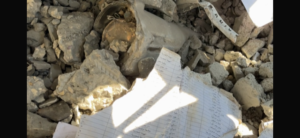
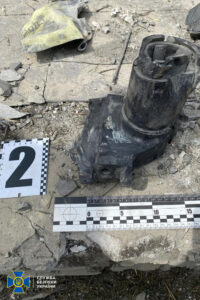
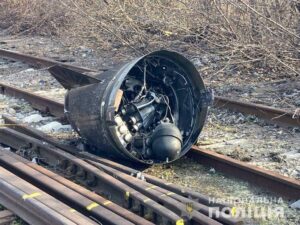
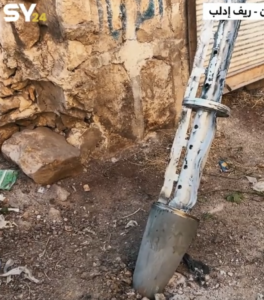
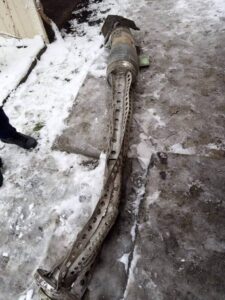
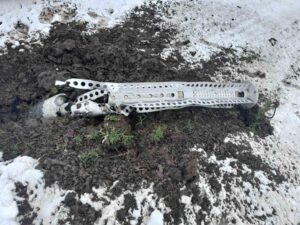
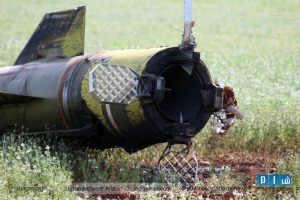
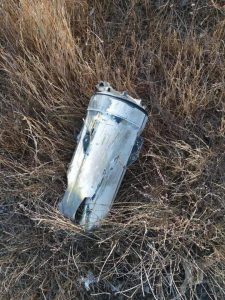
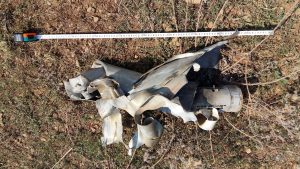
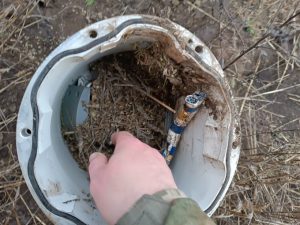
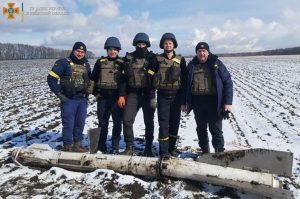
Cargo rockets often use an internal frame to manage the correct carriage and expulsion of submunitions. These internal frames frequently survive largely intact after the munition has functioned, and may be diagnostic in identifying a munition by type, series, or model. (ARES)
The Brimstone is a series of British-designed guided missiles that can be launched from air, land, or sea platforms. The United Kingdom first provided Ukraine with the Brimstone I missile in 2022 and exports have continued since, more recently believed to include the Brimstone II model. In Ukraine, Brimstone-series missiles have been exclusively launched from ground-based and sea-based platforms as of May 2024. (ARES)
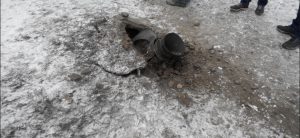
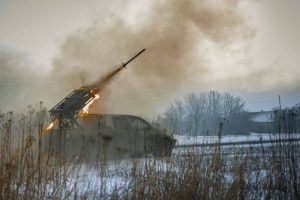
122 mm ‘Grad’ rockets can be fired from a variety of launchers and even in improvised ways. The most common is the BM-21 launcher and its later derivatives, but many other portable or vehicle-mounted launchers have been used around the world. Craft-produced examples—ranging from simple rails to more complex designs comparable to factory made launchers—are also common. In some cases, Grad rockets are even fired whilst supported by a crude arrangement of logs, bricks, or rocks. (ARES)
Like the more common 9M22S rocket, the 9M28S carries the 9N510 warhead, which dispenses 180 individual incendiary elements composed of a magnesium alloy shell filled with a thermite-like incendiary composition. (ARES)