


1–31 of 31
Analyst Note
24 August 2026
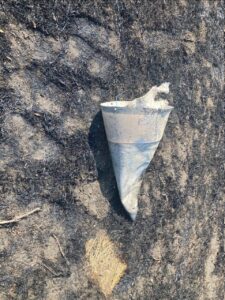
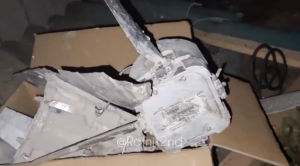
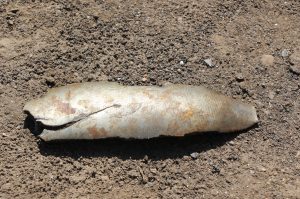
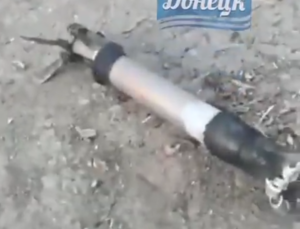
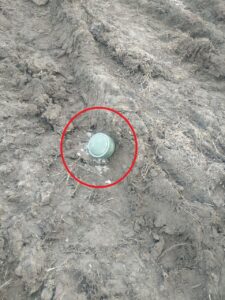
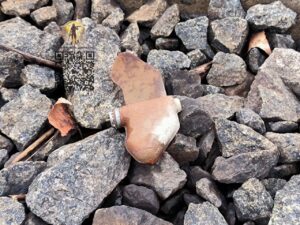
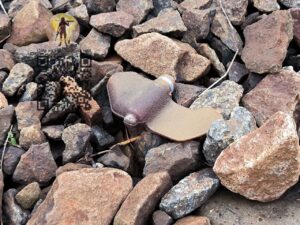
Pictured is a Russian PFM-1 or PFM-1S submunition which are small plastic (low density polythene), liquid high explosive, anti-personnel scatterable landmines with a pressure fuze and may be green, white, sand or brown (shown) in color. The only difference between the models is that the PFM-1S incorporates a nominal self-destruct of 40 hours, though they may remain active for far longer and are known to randomly self-destruct for weeks after deployment. They weigh approximately 70 grams (2.47 oz.) and are typically dispensed from cannisters, but the war in Ukraine has seen them dispensed from drones as well. (ARES)


Analyst Note
9 January 2026
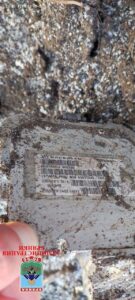
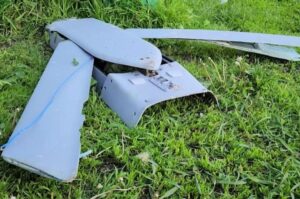
This sheet-metal body component is marked with a manufacturer’s CAGE Code (“MFR-59518”) which indicates it was produced by GlenDee Corp. of Moorpark, California, which does business as Metalagraphics, Inc. (MGI). (ARES)

Analyst Note
9 January 2026
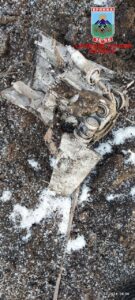
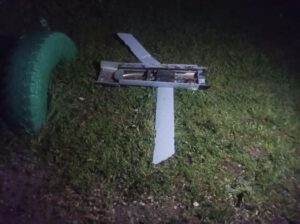
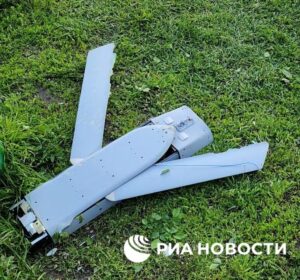
Moog Inc.—headquartered in East Aurora, New York, as marked on this munitions remnant—describes itself as a “worldwide designer, manufacturer, and integrator of precision control components and systems”. Moog supplies actuator and control components to the prime contractor on the Miniature Air-Launched Decoy (MALD) programme, Raytheon. (ARES)
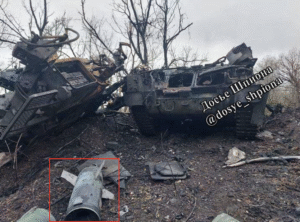
Analyst Note
28 November 2025
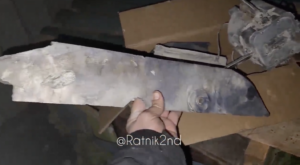
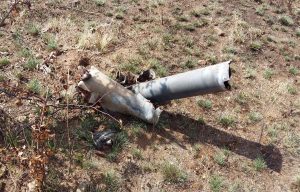
Although the source claims that this image shows a Buk-M3 surface-to-air missile system, this imagery is not sufficient to determine whether the remnants highlighted are from a 9M38-or 9M317-series guided missile. (ARES)