




Featured Materials
A curated selection of images, terms and collections to help understand modern conflict.
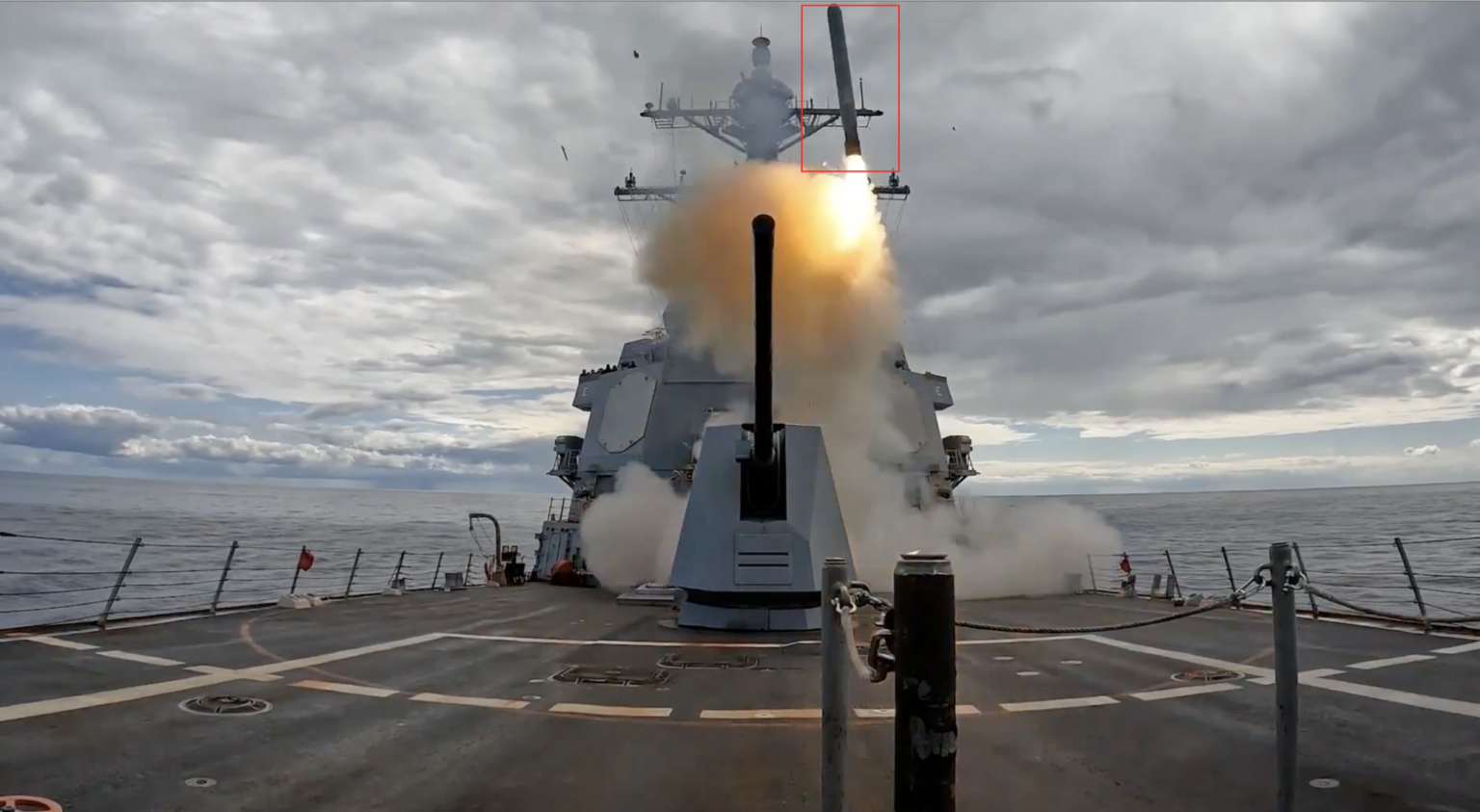
Iran War 2026
Munition images from the ongoing Middle East conflict
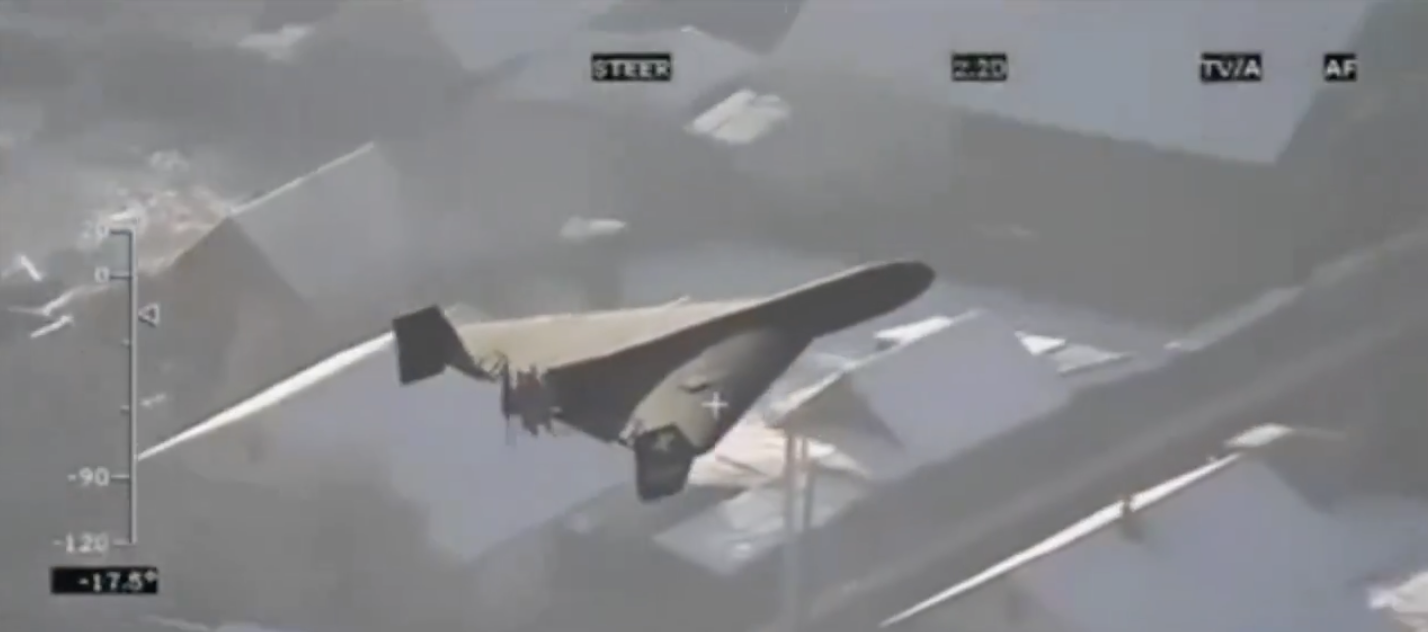
Shahed-131 & -136 UAV
3D models explain the best-known 'kamikaze drones'
Collection
Munition images from the Gaza war
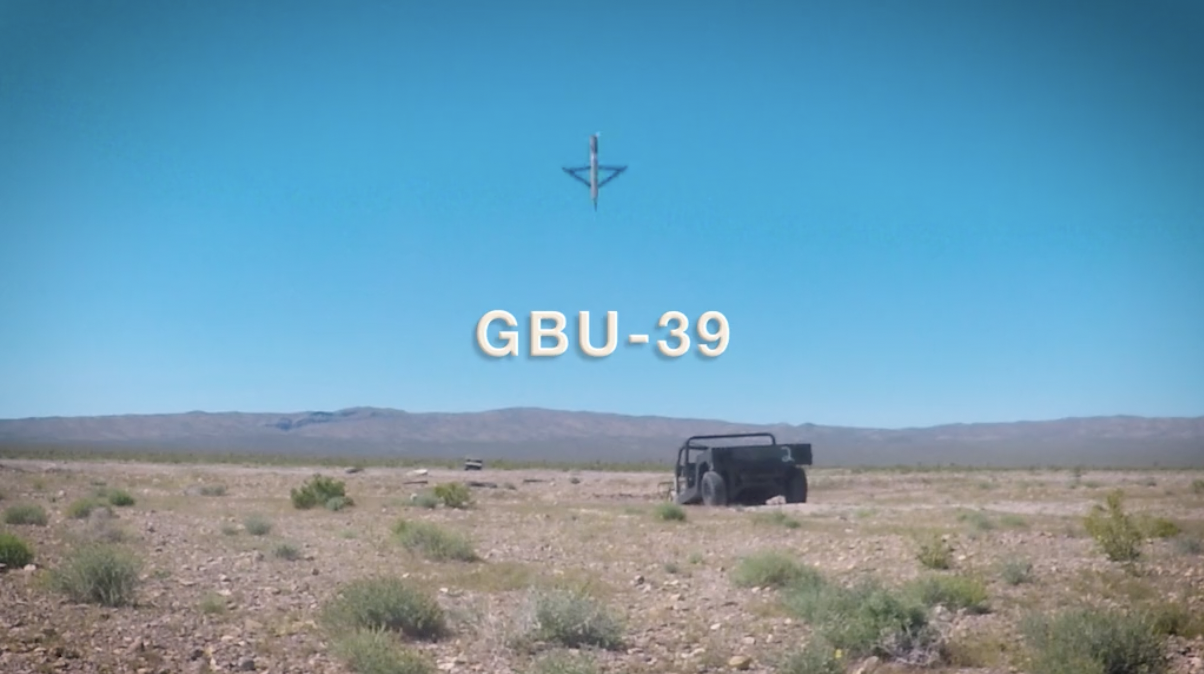
GBU-39 bomb
3D model explaining Israel's 'weapon of choice' in Gaza

Research organisation
Images from the Human Rights Watch archives
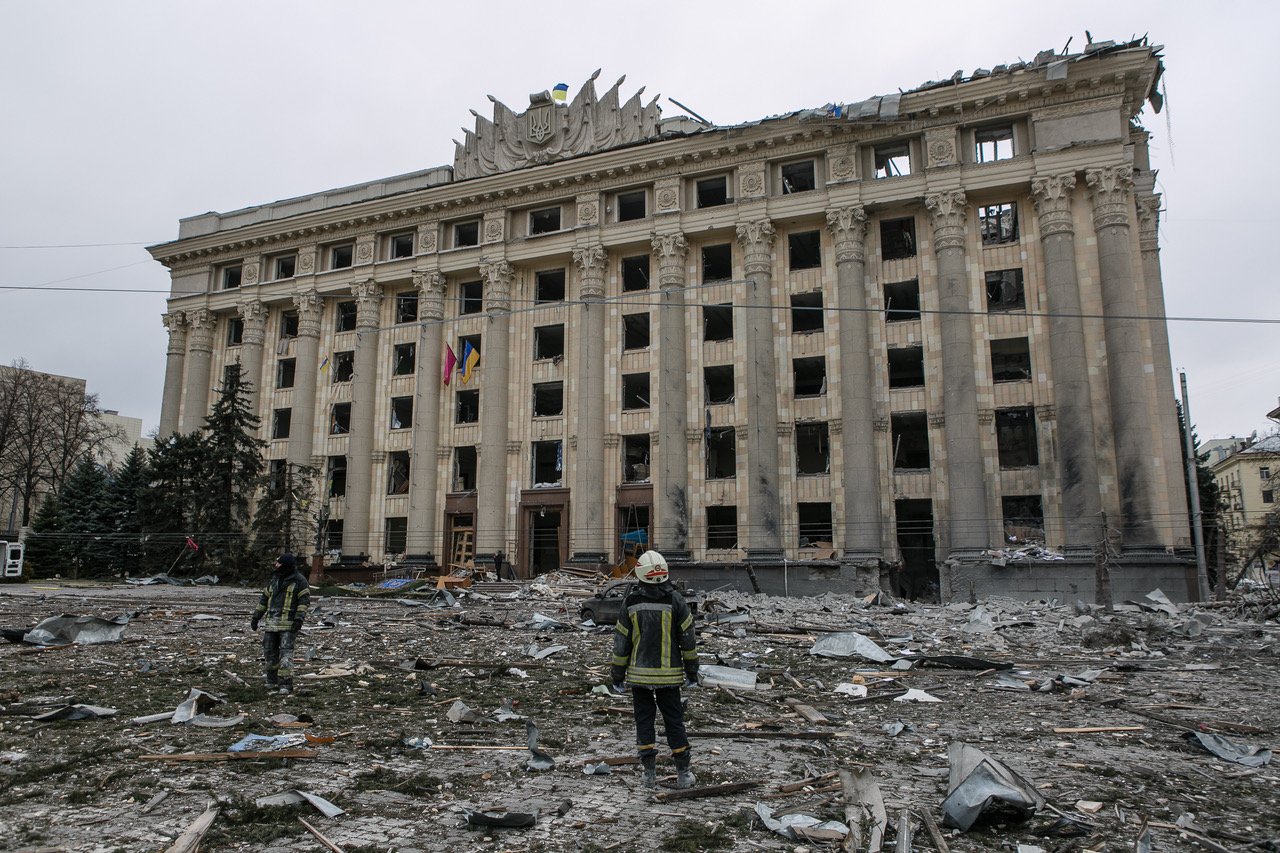
Collection
Munition images from the Ukraine war
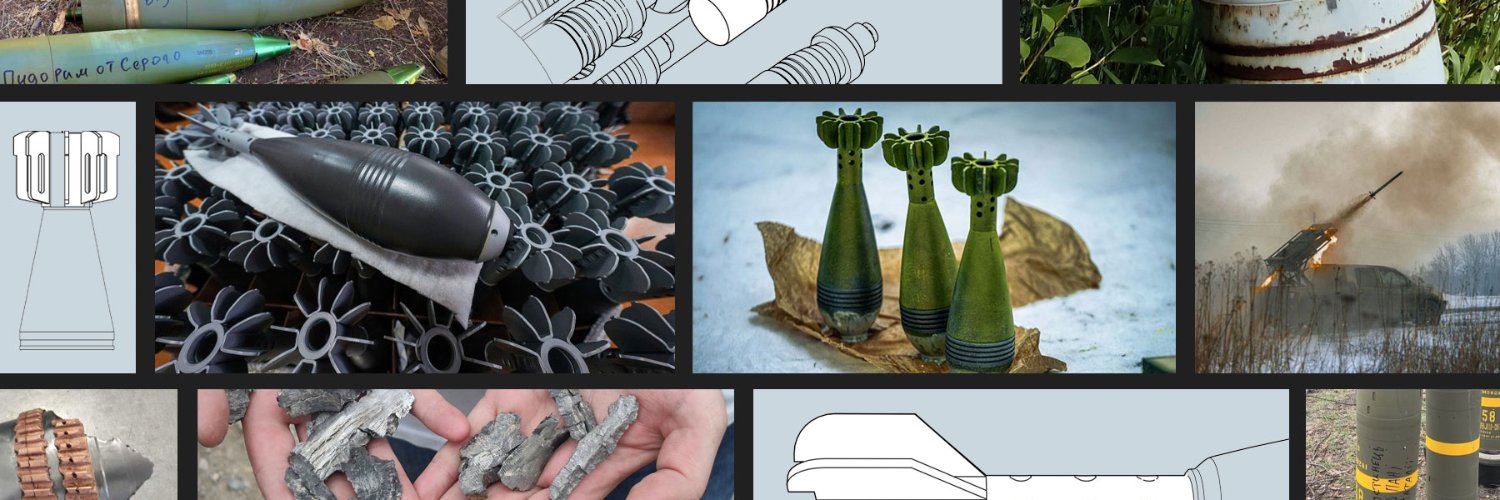
Follow
Keep up to date with newly added munitions
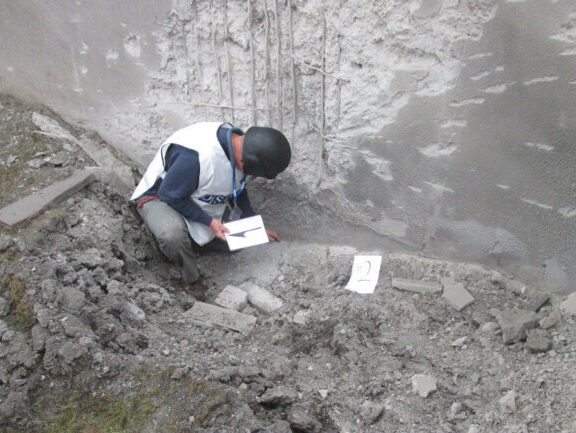
Contribute
Submit images to the OSMP
OSMP referenced in media and research
View all →
NYT uses OSMP to identify Iran wedding munition

BBC uses OSMP to investigate new U.S. missile

AP highlights images of Iranian submunitions

The Incendiary Bomb Never Seen in Israel Before

UN report highlights OSMP importance

GIJN’s Top Investigative Tools of 2024
NYT uses OSMP to identify Iran school munition
1–12 of 12
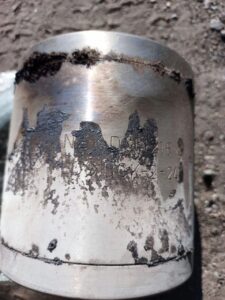
Analyst Note
29 July 2024
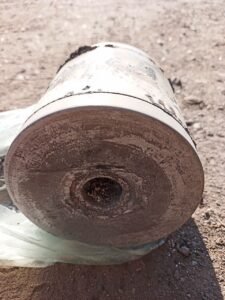
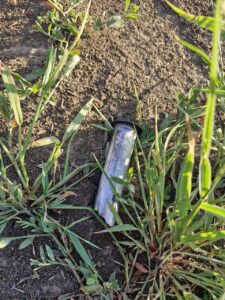
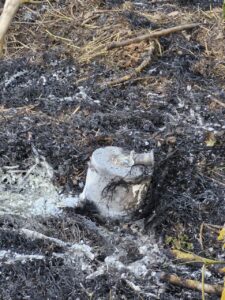
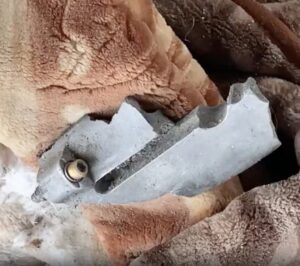
The remnants shown in these linked images have been falsely identified in Russian sources as chemical munitions. This image clearly exhibits the marking “NBK DM 1216”—the ‘NBK’ standing for the German Nebelkörper (‘smoke element’)—identifying this as one of four DM 1216 hexachloroethane/zinc (HC) smoke elements dispensed by the German DM 105 155 mm artillery gun projectile. Video of the incident shows all four elements being ejected from the base of the projectile in flight. (ARES)
Analyst Note
14 October 2024
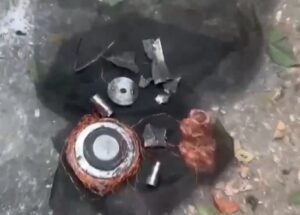
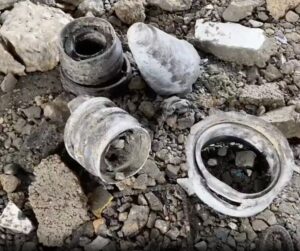
The remnant pictured here is part of a Small Diameter Bomb actuator assembly (‘Tail Actuation Section’), which moves the four tail-fin control surfaces which alter the course of the munition in flight. (ARES)
Analyst Note
6 June 2024
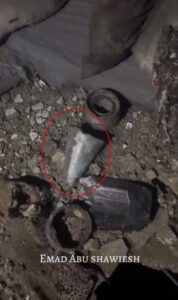
The circled remnant is the hardened steel nosecone of the GBU-39, which renders the munition capable of penetrating more than 3 feet (approx. 1 metre) of steel-reinforced concrete. It is one of several components that often survives the detonation of the munition. (ARES)