

201–300 of 441
Current Filter
Ukraine
A large eastern European country that faced a full-scale Russian invasion in February 2022. Since then the Ukrainian military has fought a major war with Russian forces, with tens of thousands believed to have been killed.

Current Filter
Rocket or Missile
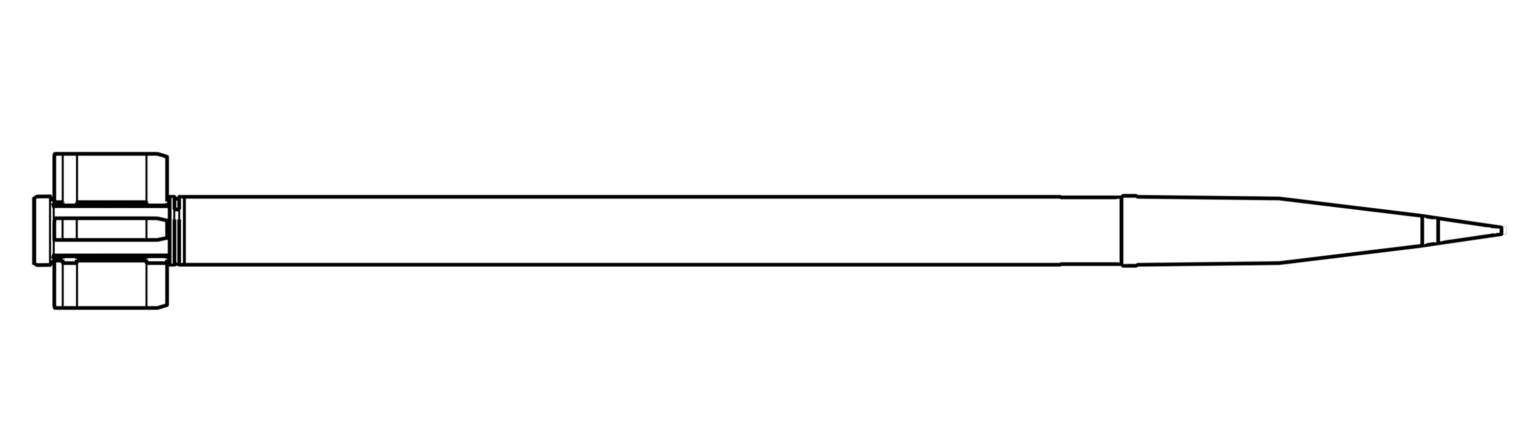
Rockets and missiles are two closely related types of powered munitions which utilise an internal propulsion method, typically a rocket motor, to maintain their rate of travel after launch. Rockets and missiles are typically relatively long and thin—with lengths ranging from 50 centimetres to 6.5 metres. Rockets are unguided those fitted with guidance systems are usually referred to as missiles. Missiles sometimes use propulsion methods other than rocket motors, such as turbojets. The effective range of rockets varies from as little as one kilometre to more than 40 kilometres, while missiles typically have a longer range — some more than 250 kilometres.
Read more →
Analyst Note
17 December 2024
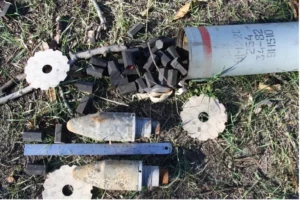
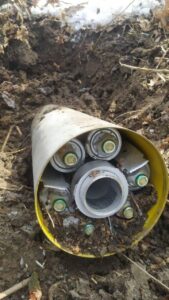
This image shows a 9M22S rocket with some of its unfunctioned payload of 180 ML-5 incendiary elements. Each ML-5 is a hexagonal prism formed from a hollow shell of magnesium that is filled with an incendiary composition. These elements are ignited by the ejection charge of the rocket’s warhead upon functioning. Two fuzes are also visible at the bottom of the image, immediately above and below the ruler. (ARES)
2 Analyst Notes
17 December 2024
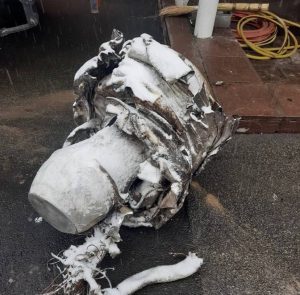
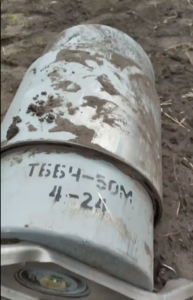
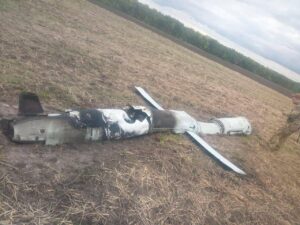
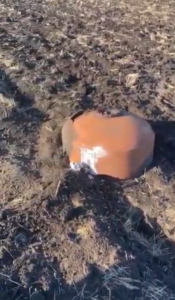
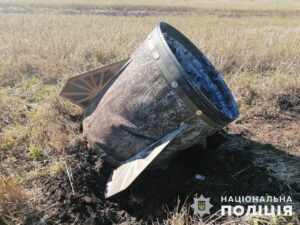
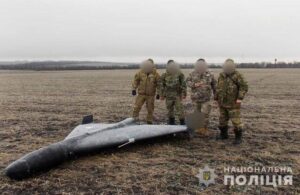
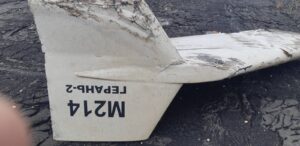
This image shows one of several possible warhead variants that can be carried by the Shahed-136/Geran-2 one-way attack (OWA) UAV. The Shahed-136/Geran-2 (and the smaller Shahed-131/Geran-1) has been documented carrying shaped-charge warheads, penetrator warheads, and multi-function warheads. Due to the various warheads that can be carried by a Shahed/Geran drone, the functional use cannot be determined without the warhead being visible. In this case, the munition was fitted with a TBBCh-50M warhead that contains a thermobaric explosive composition with an additional fragmentation effect. (ARES)
Analyst Note
17 December 2024
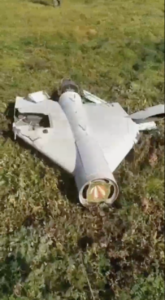
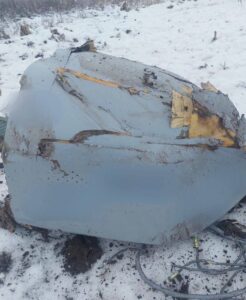
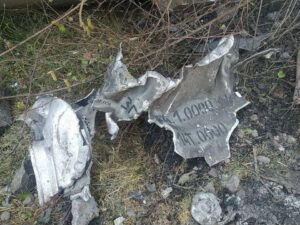
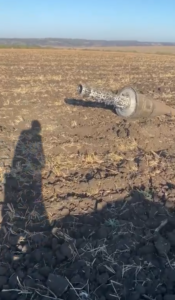
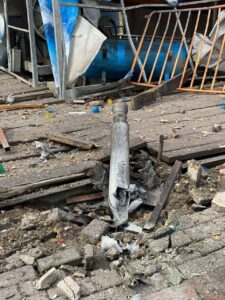
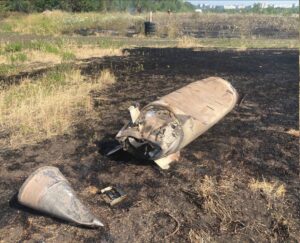
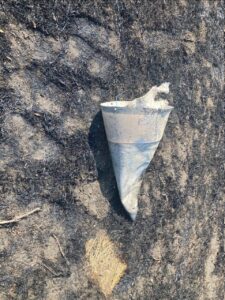
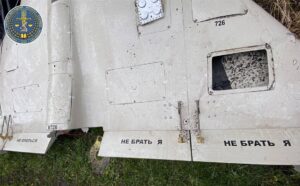
Shahed-131/Geran-1 and Shahed-136/Geran-2 one-way-attack (OWA) UAVs can be fitted with on of a variety of warheads with different functional uses. The specific type carried by each UAV cannot be determined unless the munition has been damaged in such a way as to reveal the warhead, such as in this case. This image shows the cone of the shaped charge, indicating that this Shahed-1/Geran-1 carries a warhead with a penetrating or anti-armour effect. This warhead has been documented with 18 additional liners for enhanced anti-armour effect, and in some cases has been fitted with fragmentation liners for an enhanced anti-personnel effect. (ARES)










Analyst Note
14 October 2024
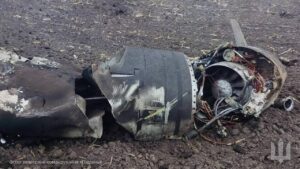
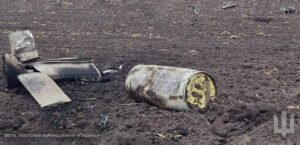
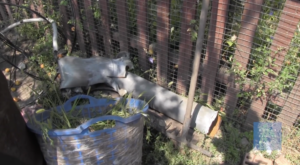
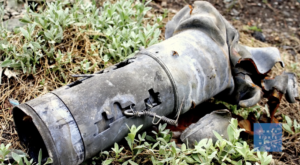
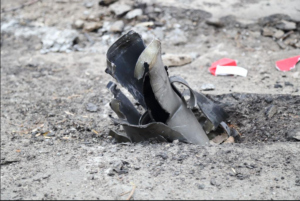
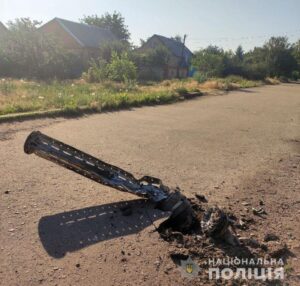
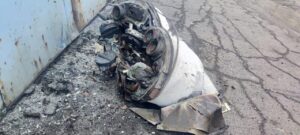
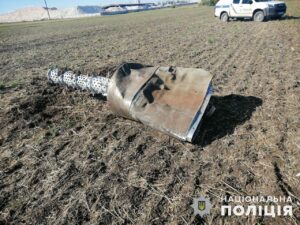
This 9M27K-series surface-to-surface cargo rocket is loaded with either 9N210 or 9N235 high explosive fragmentation (HE-FRAG) submunitions. These models are nearly identical in construction, differing primarily in the nature of the pre-formed fragments they carry. (ARES)
Analyst Note
25 November 2024
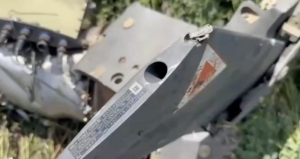
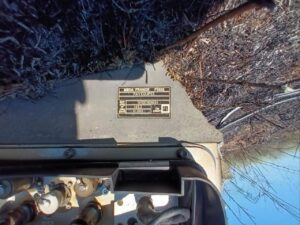
The internal components of large, complex munitions often feature markings to aid in assembly, supply chain oversight, and quality assurance. In this case, a data plate marked with the name of the manufacturer (“MBDA FRANCE”) has been affixed to one of the rear control fins (“EQ, VENTRAL, FIN TIP”) of the missile. The NATO Stock Number (NSN) is also visible. (ARES)
Analyst Note
25 November 2024
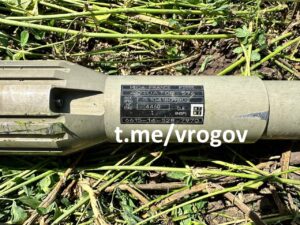
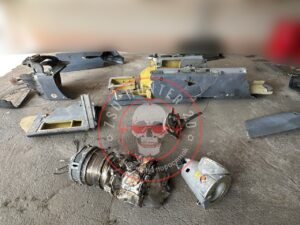
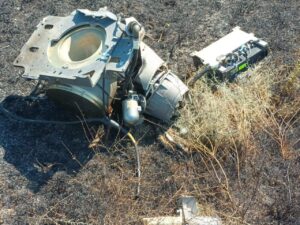
This image shows an actuator from a Storm Shadow-series missile. Actuators are components of guided munitions that are most often used to move control surfaces (e.g., fins and wings), enabling the munition to adjust its course in-flight in response to guidance commands. In this case, the component is fitted with a ‘data plate’ that indicates it was manufactured by MBDA France. (ARES)

Analyst Note
25 November 2024
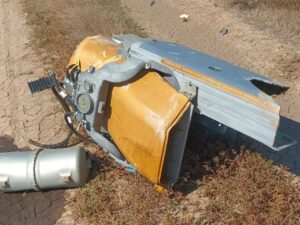
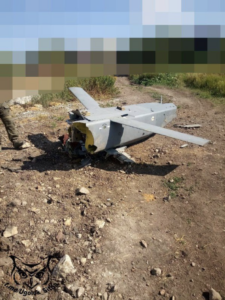
This image shows a Microturbo TRI 60-30 turbojet engine from a Storm Shadow-series air-launched cruise missile. Further remnants of the rear of the missile are also visible, including one of the rear control fins. The Storm Shadow has a range of more than 250 kilometres. (ARES)
Analyst Note
26 November 2024
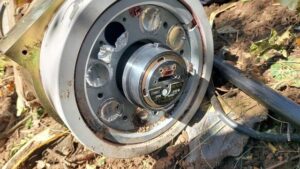
This image shows the rear of the second stage of the penetrator warhead (also called a ‘follow-through’ warhead) of the Bomb Royal Ordnance Augmented Charge (BROACH) multi-stage warhead system present in the Storm Shadow/SCALP-EG missile. The cylindrical object in the centre of the warhead (with a data plate marked “THALES”) is the fuze. (ARES)
Analyst Note
26 November 2024
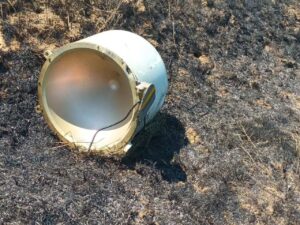
This image shows the first stage of the Bomb Royal Ordnance Augmented Charge (BROACH) multi-stage warhead used by the Storm Shadow/SCALP-EG missile. The BROACH uses a shaped-charge warhead (seen here) as its first stage, to help penetrate hardened targets, whilst the second stage comprises a conventional high explosive penetrator warhead (also called a ‘follow-through’ warhead) (ARES).
Analyst Note
26 November 2024
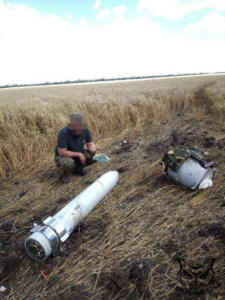
The remnant at left in this image is the second stage, or penetrator warhead, of the Bomb Royal Ordnance Augmented Charge (BROACH) multi-stage warhead as used in the Storm Shadow/SCALP-EG air-launched cruise missile. In this case, it has failed to function as intended. (ARES)


Analyst Note
19 November 2024
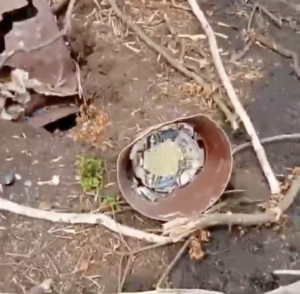
This MGM-140 cluster munition has failed to function as intended, and its payload of M74 submunitions is seen here spilling out of the warhead. (ARES)
Analyst Note
18 November 2024
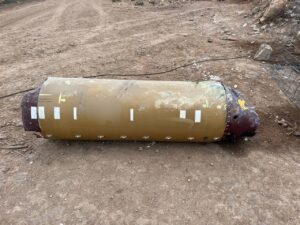
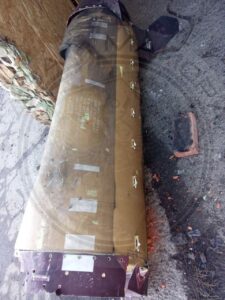
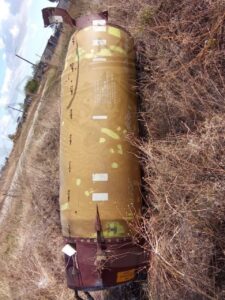
This image shows a rocket motor section from an MGM-140 ATACMS series surface-to-surface ballistic missile. The warhead section of the MGM-140 series missiles separate from the rocket motor before functioning, resulting in the rocket motor often being found relatively intact near the target. The MGM-140 series missiles use the same rocket motor, preventing a positive identification of the variant based off the rocket motor alone, unless the variant markings are visible. (ARES)
Analyst Note
18 November 2024
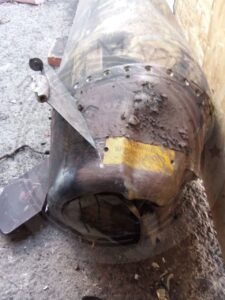
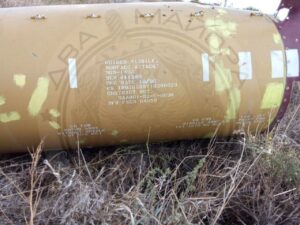
This remnant of an MGM-140 Army Tactical Missile System (ATACMS) surface-to-surface ballistic missile is marked to indicate it is the MGM-140A variant, a cluster munition which carries 950 M74 multi-purpose submunitions. Submunitions of this type are sometimes referred to by the acronym ‘anti-personnel and anti‑materiel (APAM)’. Additional markings indicate a manufacturing date (“10/96”; October 1996), a serial number (“411240”), and other information. (ARES)
Analyst Note
7 November 2024
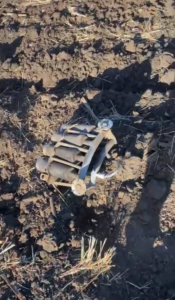
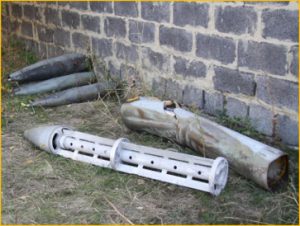
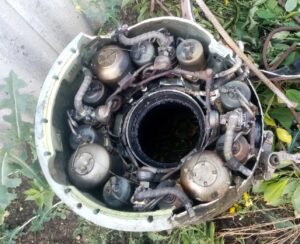
Almost all cluster munitions, including this example, expel their submunitions during flight. The submunitions are often held in an internal frame, such as that visible here, prior to being expelled. Depending on the munition, these internal frames may be diagnostic for identification. They usually do not carry a significant explosive payload in their own right, and therefore often withstand the functioning of the munition relatively intact. (ARES)
Analyst Note
14 October 2024
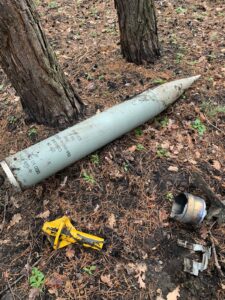
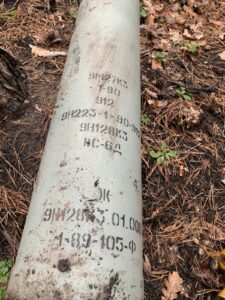
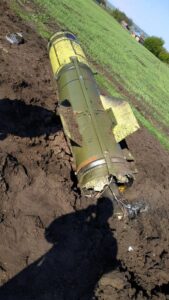
The 9M27K3 surface-to-surface rocket is fitted with the 9N128K3 cargo warhead (seen here). This warhead carries a payload of 312 PFM-1 or PFM-1S scatterable anti-personnel landmines. (ARES)
Analyst Note
14 October 2024
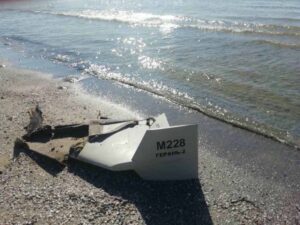
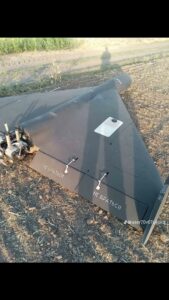
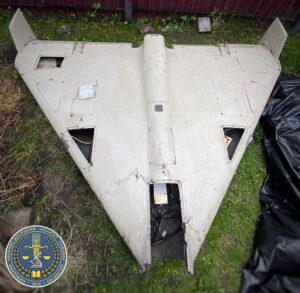
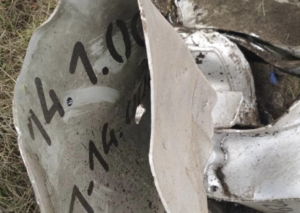
The markings on this 9N128K3 cargo warhead indicate that it was produced in 1989 and fitted to a 9M27K3 rocket in 1990. (ARES)


Analyst Note
24 October 2024
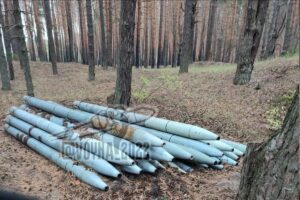
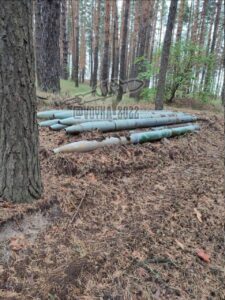
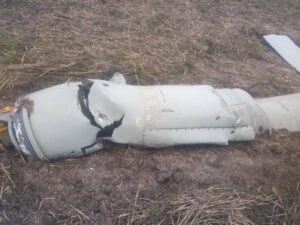
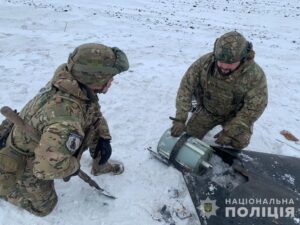
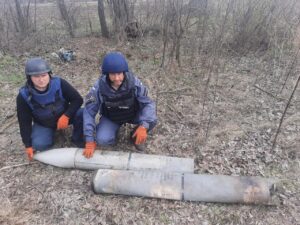
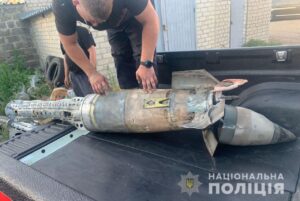
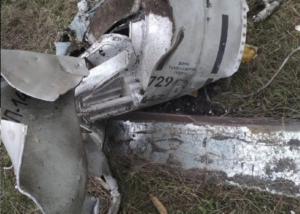
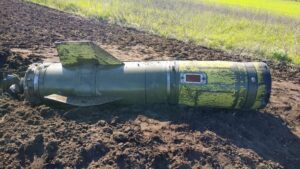
The 9M22S is essentially the ‘full-sized’ version of the shorter 9M28S surface-to-surface rocket previously recorded in the OSMP. Both rockets carry the same 9N510 incendiary warhead, but differ in the length of their rocket motor sections, and thus range. (ARES)
Analyst Note
14 October 2024
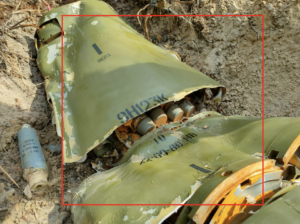
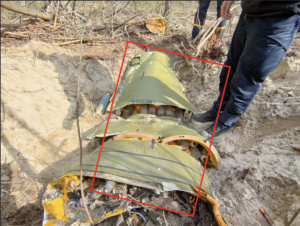
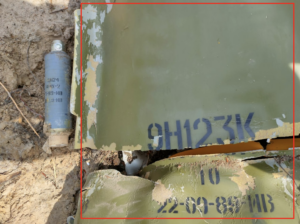
The 9Н123К (9N123K) cargo warhead is delivered by a 9М79К (9M79K) series surface-to-surface guided missile. This cluster munition carries fifty 9Н24 (9N24) high explosive fragmentation (HE-FRAG) submunitions, and is launched from the 9К79 Tochka series of tactical ballistic missile launchers. (ARES)
Analyst Note
14 October 2024
A 9N24 submunition is visible to the left of the 9N123K warhead in this image. This high explosive fragmentation (HE-FRAG) submunition is marked to indicate it was produced in 1989 and filled with A-IX-2 explosive composition. (ARES)


Analyst Note
14 October 2024
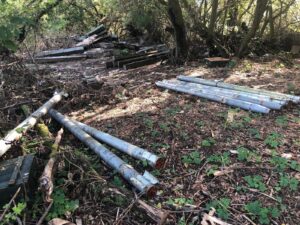
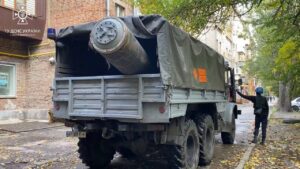
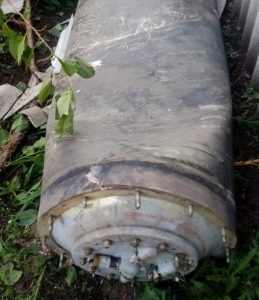
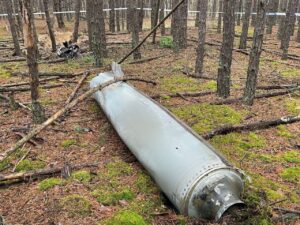
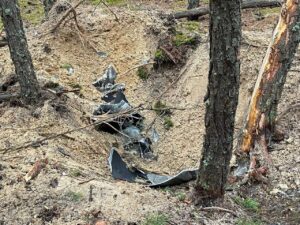
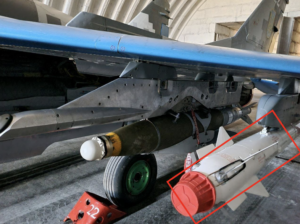
The 9M28S surface-to-surface unguided rocket carries the 9N510 warhead, which disperses burning thermite-type incendiary elements over a wide area upon functioning. This munition is designed to start fires in target areas vulnerable to incendiary attack, including forests, ammunition dumps, and fuel storage sites. (ARES)