


1–28 of 28
Current Filter
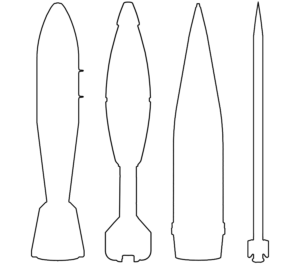
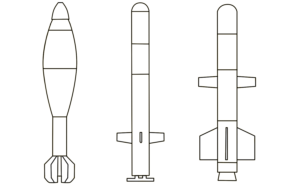
Flat Base
The bottom or rear surface of the munition is level, even, or lacking curvature.
Analyst Note
15 August 2026
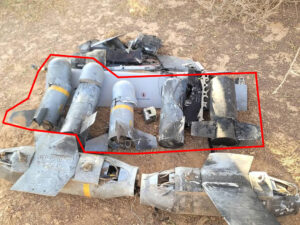
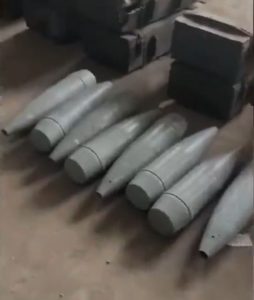
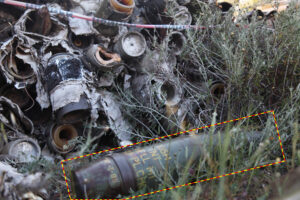
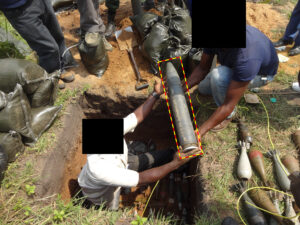
From early 2026, rockets marked “KP-M-112mm” began appearing in media reports from Syria. The manufacturer and country of origin of these is not yet known. Visually, these munitions closely resemble the Chinese Type 63 family of rockets (which includes the Iranian FAJR 1, often seen in Syria). However, the markings indicate an apparent 112 mm diameter, which is larger than the 107 mm of the Type 63 family. There are other, minor differences in construction that are externally visible. (ARES)
Analyst Note
31 December 2025
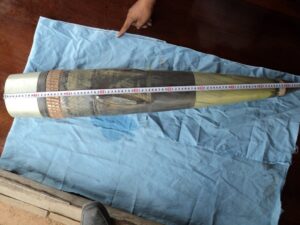
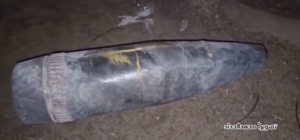
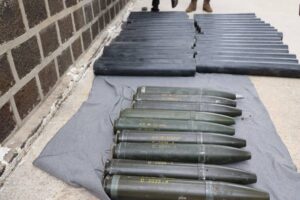
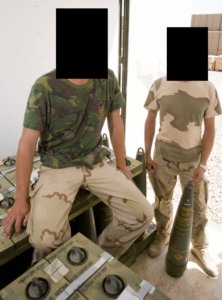
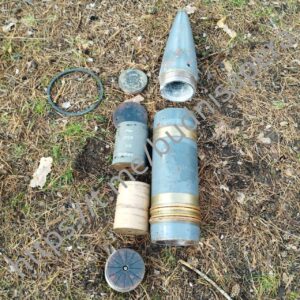
This image shows a North Korean 170 mm artillery projectile, as fired by the M-1978 Koksan self-propelled artillery gun. Very little is known of the M-1978 Koksan due to the secretive nature of North Korean arms development, but both high explosive and rocket-assisted high explosive projectiles are believed to be available. The designations ‘M-1978’ and ‘Koksan’ were applied by American military analysts identified the system in Koksan, North Korea, in 1978. (ARES)
Analyst Note
28 November 2025
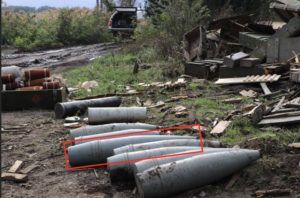
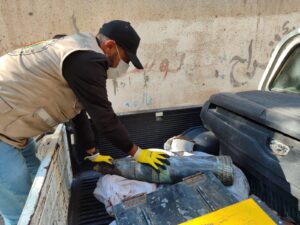
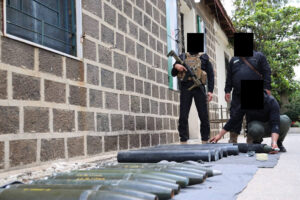
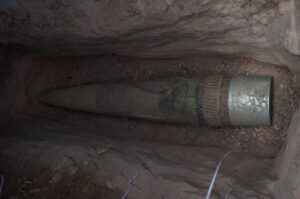
The munition depicted in this image is a type of aerodynamically optimised artillery projectile, in this case 155 mm in calibre, known as an ‘Extended Range Full-Bore (ERFB)’ design. This example is a cargo projectile fitted with a base-bleed (BB) base unit to further extend its range. This configuration is designated NR269, and reportedly contains 56 M46 dual-purpose (anti-personnel/anti-armour) submunitions. (ARES)
Analyst Note
28 November 2025
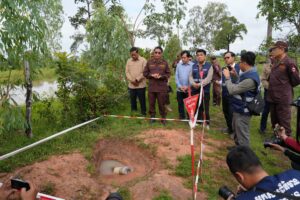
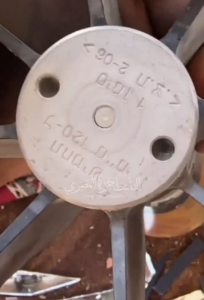
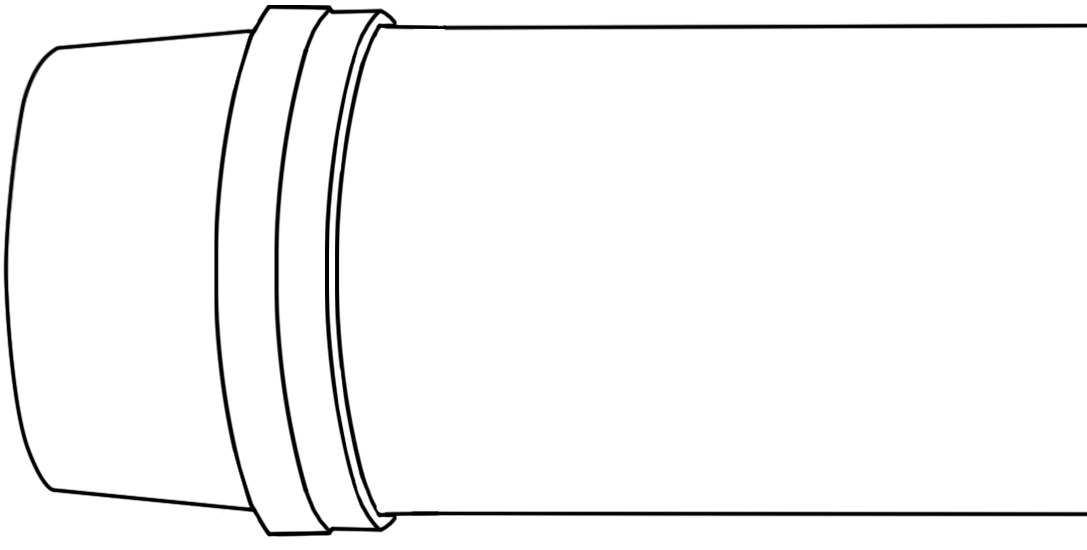
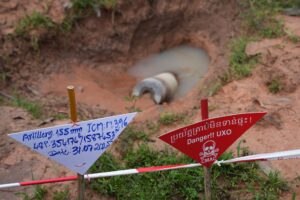
This image shows the base of a 155 mm Extended Range Full-Bore (ERFB) projectile, fitted with either a base-bleed (BB) or a base-bleed, rocket-assisted (BB/RA) base unit. Although munitions of this type are capable of carrying submunitions and this image is associated with an incident about which claims of cluster munitions use have been made, there is not enough of the projectile visible in the source images to determine what type of payload was carried by this particular round. (ARES)