


1–100 of 139
Current Filter
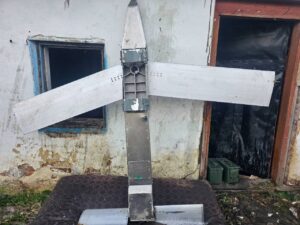
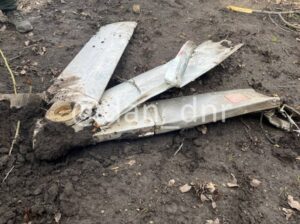
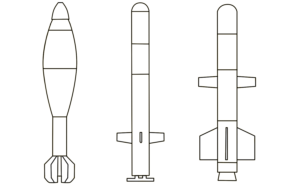
Wide Fins
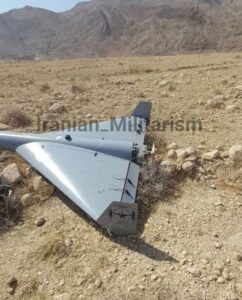
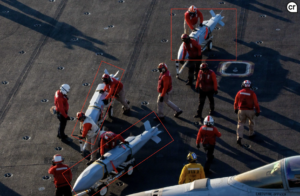
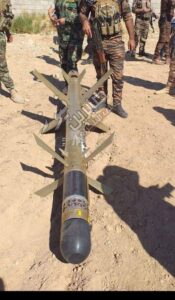
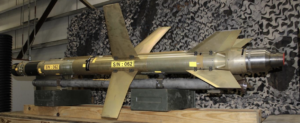
A fin wingspan that is more than double the diameter of the munition’s body.

Analyst Note
15 August 2026
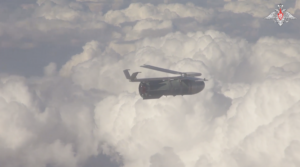
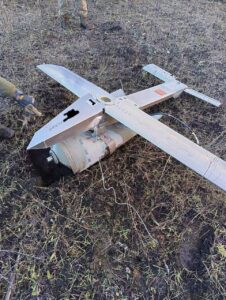
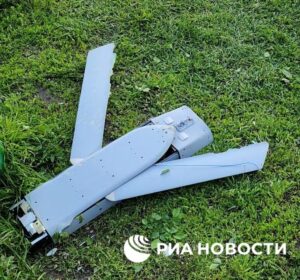
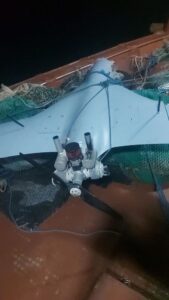
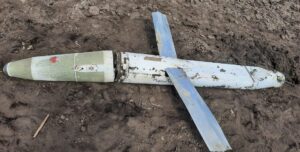
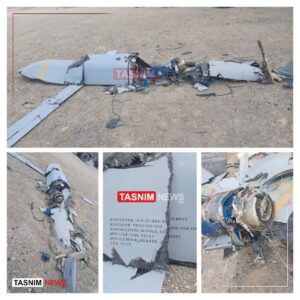
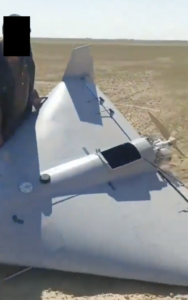
This image shows a downed Low-cost Uncrewed Combat Attack System (LUCAS) one-way attack (OWA) unmanned aerial vehicle (UAV). Unlike LUCAS UAVs see previously, this example does not have a Starshield GPS Antenna prominently visible forward of the engines, indicating that this LUCAS has been constructed differently to previous examples. (ARES)
Analyst Note
15 August 2026
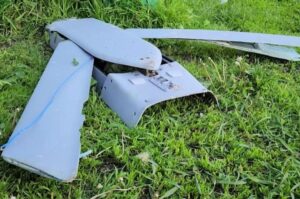
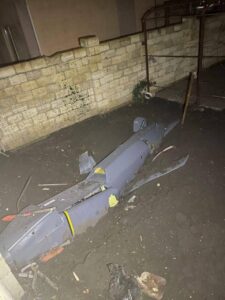
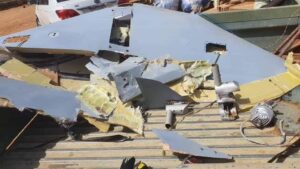
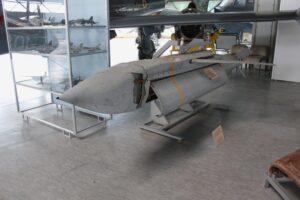
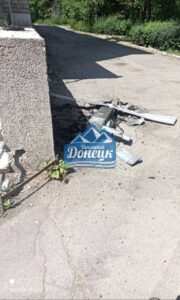
This image shows a functioned AGM-154A Joint Standoff Weapon (JSOW) air-to-surface missile. Upon functioning, a flexible linear shaped charge (FLSC) is used to cut open the munition body, dispensing 145 BLU-97B/B submunitions. The clean-cut edges visible on the bottom hanging section of the JSOW are the hallmark of the functioning of the FLSC. (ARES)
Analyst Note
15 August 2026
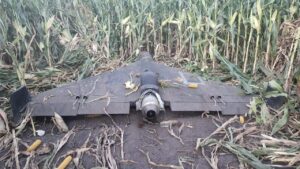
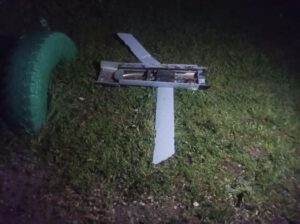
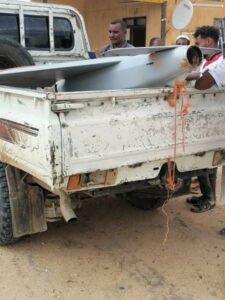
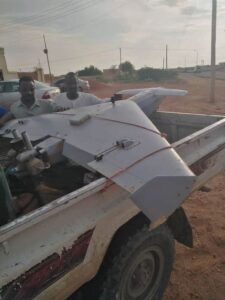
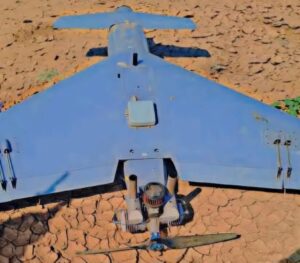
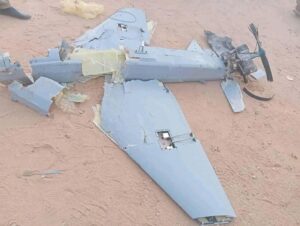
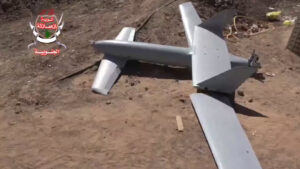
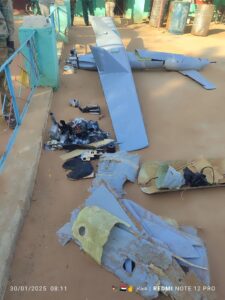
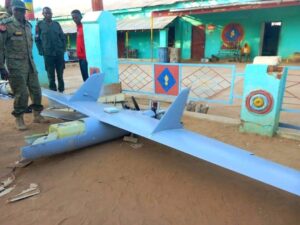
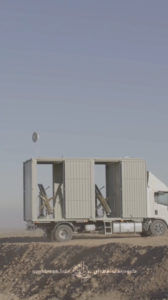
This image shows an unknown model of one-way attack (OWA) UAV believed to be produced by the UAE, and employed by the Rapid Support Forces (RSF) in Sudan. Unlike TMID-0014 and TMID-0015, this UAV uses a 82 mm mortar projectile fitted in the nose, rather than a Modamer warhead. (ARES)
Analyst Note
15 August 2026
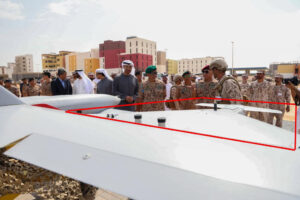
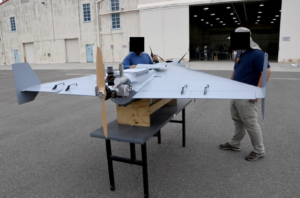
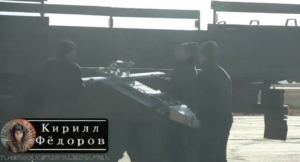
This image shows a TMID-0013 UAV being displayed by the UAE during the ‘Desert Tiger 7’ joint exercise conducted with Malaysia in February 2023. The other UAV in the image has been temporarily designated TMID-0014. (ARES)
Analyst Note
18 August 2026
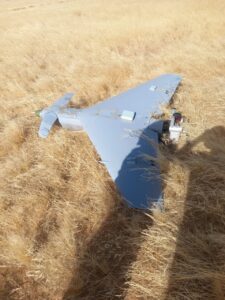
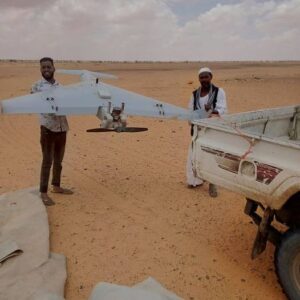
The 81 mm mortar projectile which serves as the warhead for the TMID-0014 is partially visible protruding from the nose of this example. (ARES)
Analyst Note
15 August 2026
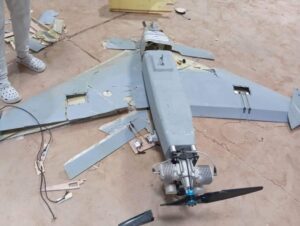
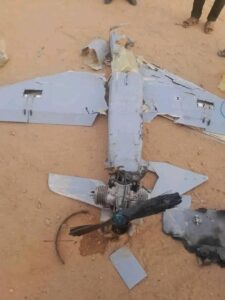
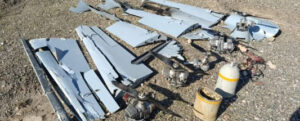
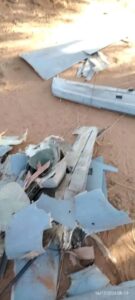
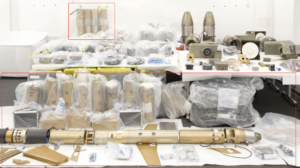
This image shows remnants of several one-way attack UAVs, as well as two unfunctioned Modamer warheads. Modamer warheads are blast/fragmentation warheads with an overall weight of 34.5 kg (76 lb). The Modamer warhead designs are produced by Halcon, a subsidiary of Edge Group, which is owned by the Emirati state. (ARES)
Analyst Note
15 August 2026
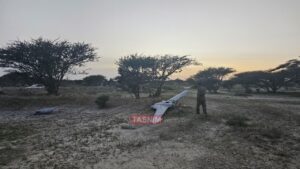
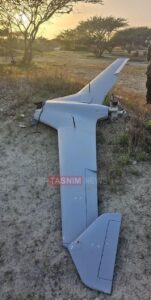
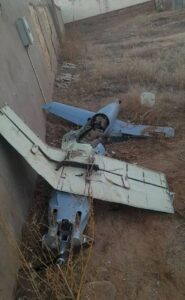
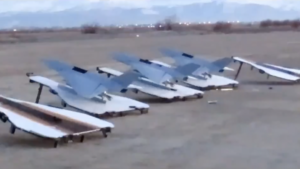
This image shows an unknown model of one-way attack (OWA) UAV believed to be produced and employed by the United Arab Emirates (UAE). ARES has assigned a temporary munitions identifier (TMID) of TMID-0015 to this munition. The UAV’s nose and a Modamer warhead can be seen, detached, to the left of the main body. (ARES)
Analyst Note
15 August 2026
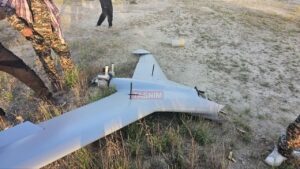
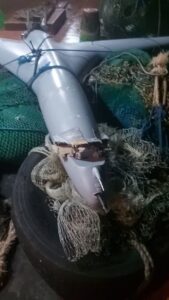
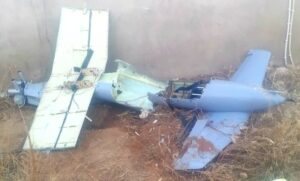
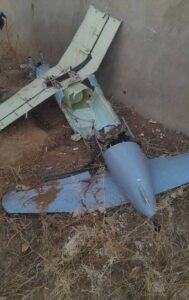
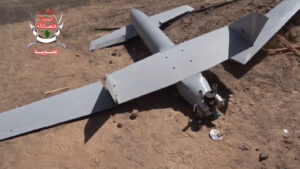
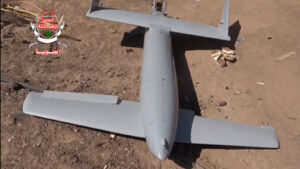
This image shows what appears to be an earlier variant of the current iteration of the TMID-0014 which has been used by the Rapid Support Forces (RSF) in Sudan. This model of UAV was also documented in Yemen in 2022. (ARES)
Analyst Note
23 July 2026
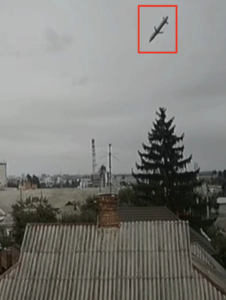
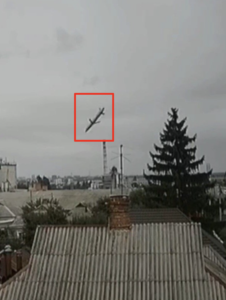
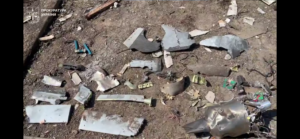
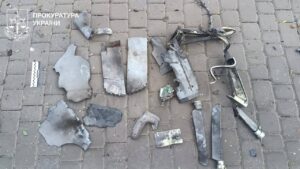
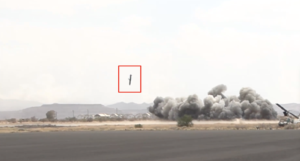
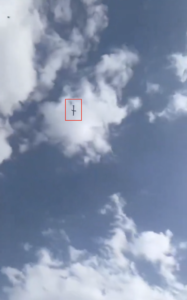
This image shows a munition shortly before impact. While the quality of the image is not high enough to conclusively identify the munition, remnants of a Storm Shadow/SCALP EG missile were recovered following this strike, supporting a more precise identification.
Whilst Saudi Arabia has denied conducting this strike, and the Yemeni Army has claimed responsibility, Saudi Arabia is known to possess Storm Shadow/SCALP EG missiles and the capability to deploy them, whereas the Yemeni Army is not known to possess or use this weapon. (ARES)
Analyst Note
10 June 2026
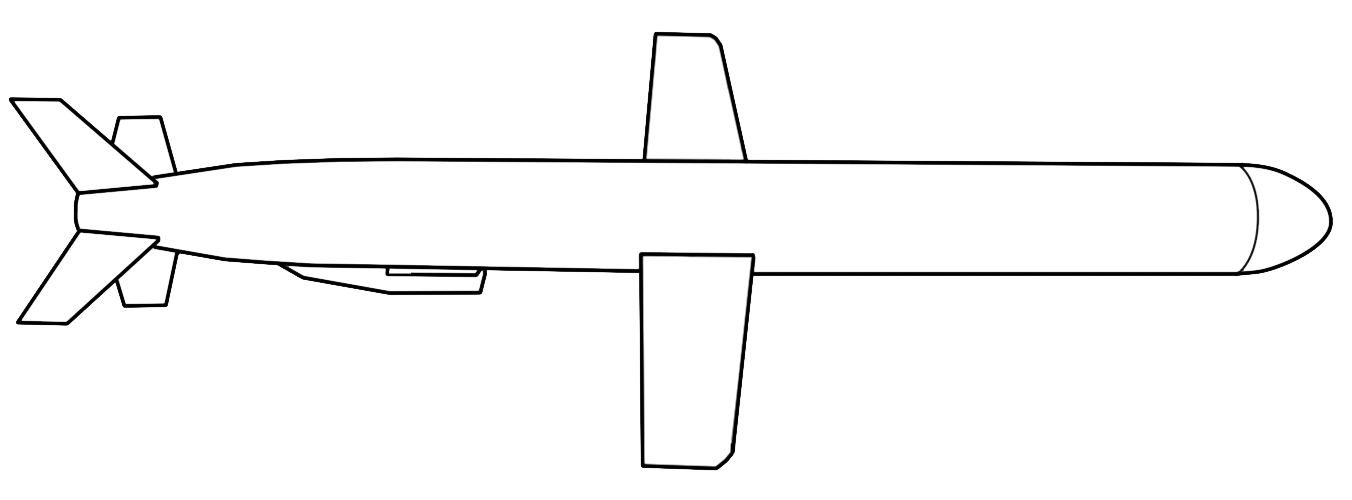
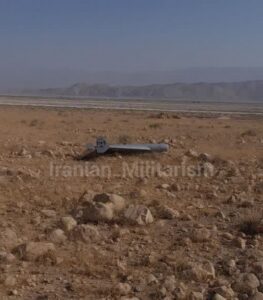
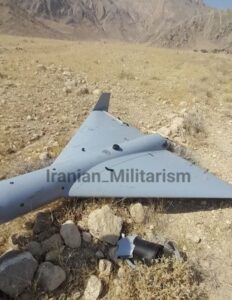
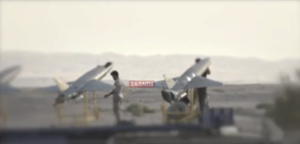
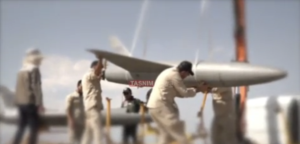
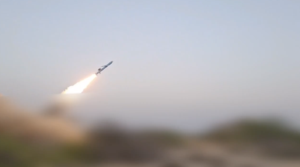
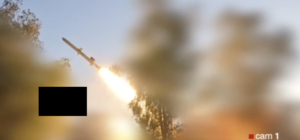
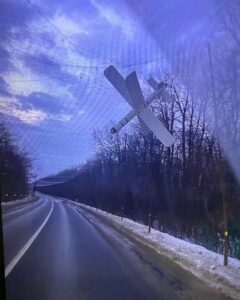
This image shows the launch of an Iranian Paveh surface-to-surface cruise missile in Iraq. The munition was fired by Iranian proxy forces and reportedly targeting Israel. Some sources indicate the Paveh has been renamed the ‘Jamal-10’, whilst others claim it is being locally produced in Iraq by Iranian proxy forces. With an estimated 75% of the missile’s components coming from outside Iran, distributed production is certainly possible. The missile has two large wings located forward of the munition’s midpoint, three smaller fins towards the tail, and four actuated fins around the tail. The initial launch is accomplished with a solid-propellant rocket motor, which gives way to a turbo jet flight motor mounted on top of the missile, towards the tail. (ARES)
Analyst Note
2 March 2026
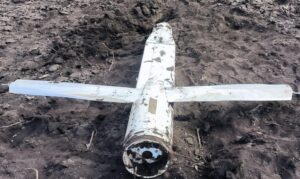
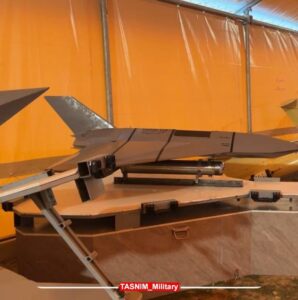
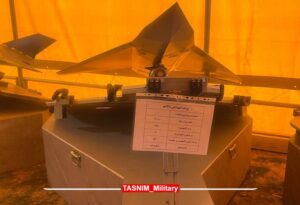
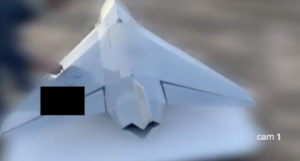
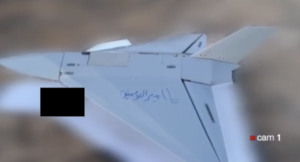
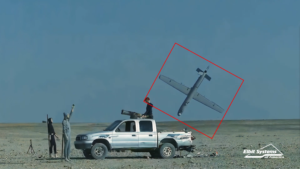
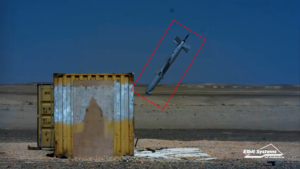
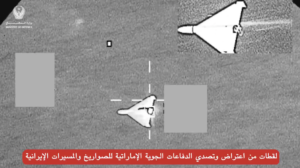
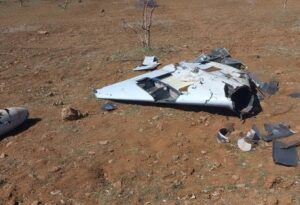
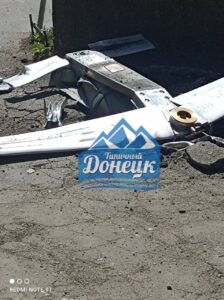
This image shows a Lancet-series one-way attack (OWA) UAV. It strongly resembles the Z-51E made by Zala Aerospace, a Russian manufacturer, although this cannot be confirmed from the available image. The Lancet series of drones can carry a variety of different warheads, including blast, fragmentation, thermobaric, and High Explosive Anti-Tank (HEAT). (ARES)
Analyst Note
2 March 2026
Positive identification of the model of air-delivered bomb to which the UMPK kit is fitted cannot be made from the source imagery. Based on the size of the UMPK and historical use in the area, it is likely an OFAB-250-270 model. (ARES)
Analyst Note
2 March 2026
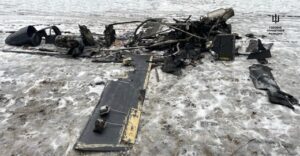
This image shows the remains of a Russian Geran-5 drone. These drones are reported to be roughly 6 meters long and have a wingspan of up to 5.5 meters. They are fitted with a warhead weighing approximately 90 kg and have a range of about 1,000 km. (ARES)
Analyst Note
15 August 2026
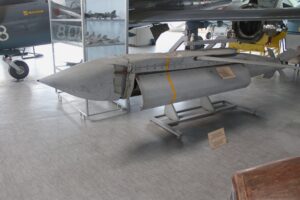
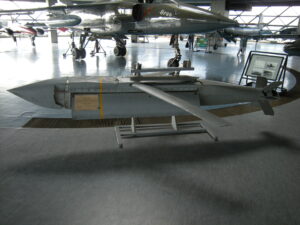
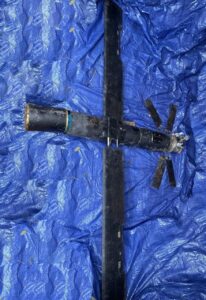
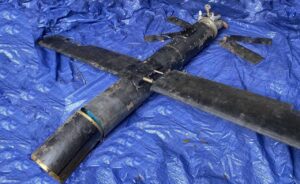
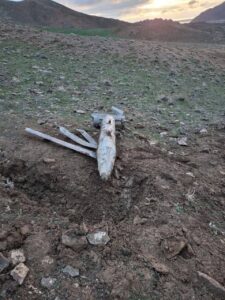
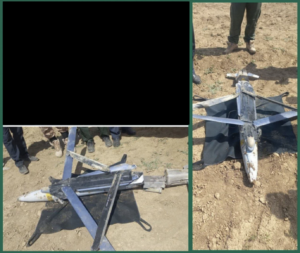
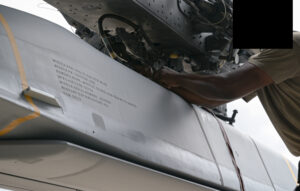
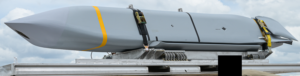
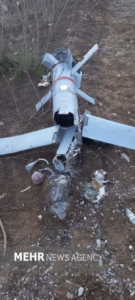
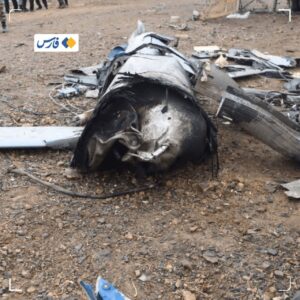
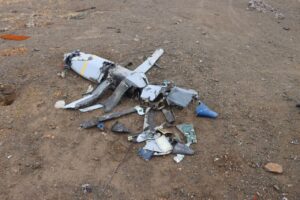
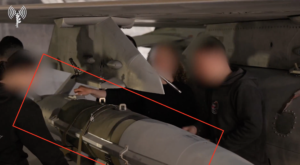
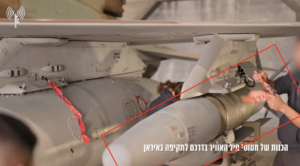
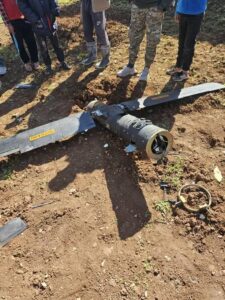
These images show a relatively intact GBU-39/B air-delivered bomb, with the distinctive Diamond Back Wing Assembly still mounted to the bomb body. Whilst the source claims that the U.S. feared this bomb would be exploited for its technology, the GBU-39/B has been in widespread use since its introduction in 2006, including in Gaza, Lebanon, Syria and Yemen. Similar glide bombs have been designed and produced by other nations. (ARES)

Analyst Note
4 March 2026
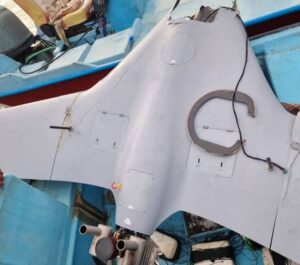
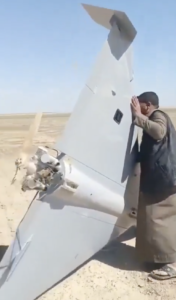
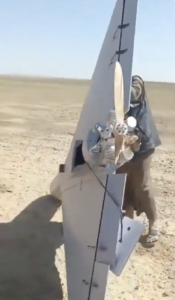
This image shows a Low-Cost Unmanned Combat Attack System (LUCAS). The LUCAS one-way attack UAV is a U.S.-made, cost-effective ‘kamikaze drone’. LUCAS munitions can connect to one another via a mesh network, allowing multiple LUCAS drones to communicate in flight. The white square object connected to the munition by a cable appears to be a Starlink antenna, consistent with reported communication capabilities. Elon Musk has claimed that LUCAS operates only via Starshield, a Starlink-derived satellite network intended for government use. (ARES)
Analyst Note
2 March 2026
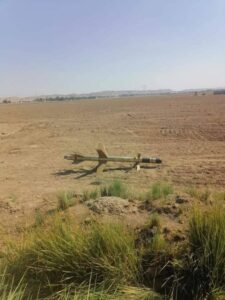
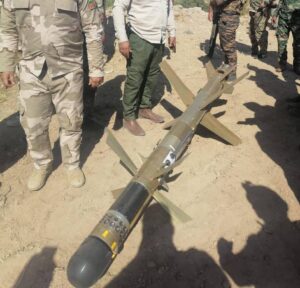
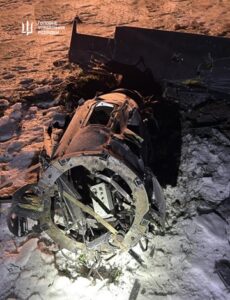
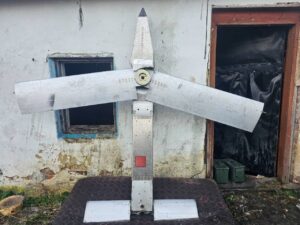
The Iranian 358 surface-to-air missile is reportedly a ‘loitering munition’, designed for engaging drones and rotary-wing aircraft. It employs a combination of ground-based and onboard thermal cameras to scan a designated area, and then uses an infrared imaging seeker in the nose to locate and lock onto targets. The missile carries a 10 kg fragmentation warhead, which is functioned by a 360-degree laser proximity sensor. (ARES)

Analyst Note
31 December 2025
The UMPK guidance package is a ‘bolt-on’ kit that can be fitted to unguided air-delivered bombs to convert them to guided munitions. The UMPK kit also greatly extends the range of the munition to which it is fitted, allowing aircraft to strike from beyond the range of many air-defence systems. Currently only Russia manufacturers and uses these kits. (ARES)
Analyst Note
31 December 2025
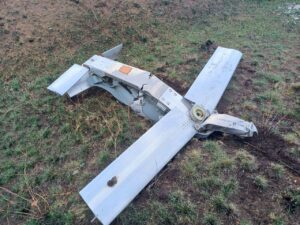
This image shows a russian air-delivered bomb fitted with a UMPK guidance kit. Not enough of the bomb is visible to positively identify the model, but it is most likely an OFAB-250-270 based on what can be seen of the tail section. (ARES)
Analyst Note
9 January 2026
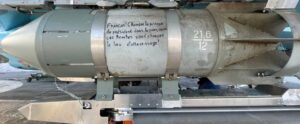
This Russian air-delivered cluster bomb is marked with a threatening message directed at the French people: «Français! Changer la politique du président dans le pays, sinon ces bombes vont changer le lieu d'atterrissage!» (“French people! Change the president’s policy in the country, otherwise these bombs will change their landing site!”). (ARES)