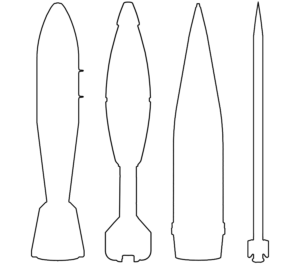
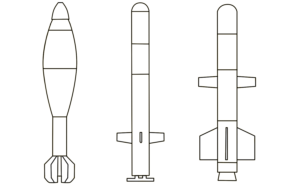
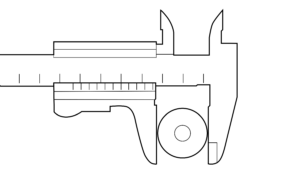
The nominal diameter of a projectile. For most modern munitions, this is expressed in millimetres (e.g. 82 mm mortar projectile), but older artillery gun projectiles may be described in inches.
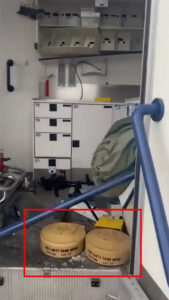
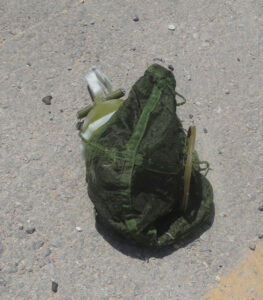
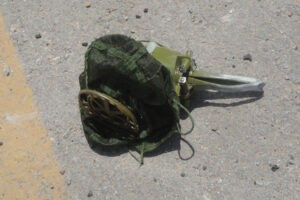
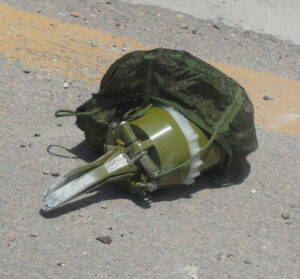
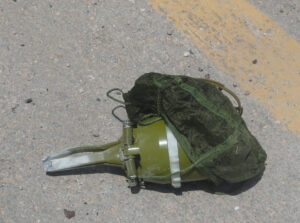
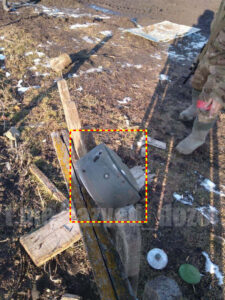
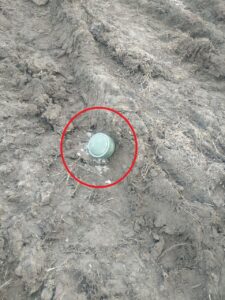
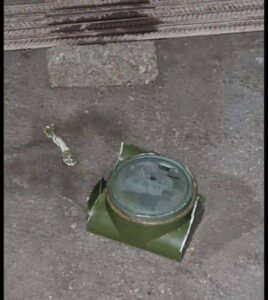
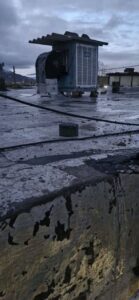
This image shows a PTM-3 scatterable anti-vehicle mine, surrounded by the remnants of an unmanned aerial vehicle (UAV). Russia has been dispensing PTM-3 mines from one-way attack UAVs as they fly towards their primary target. Typically, these OWA UAVs are fitted with KPTM-3 remote mining canisters mounted under the wings, which eject their PTM-3 payload midair. The PTM-3’s fuze features an arming delay which is sufficient to allow the mine to fall to the ground before fully activating. (ARES)
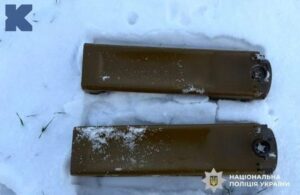
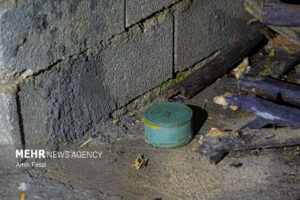
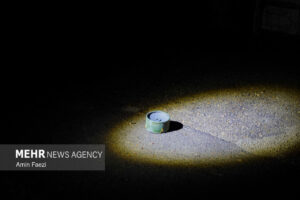
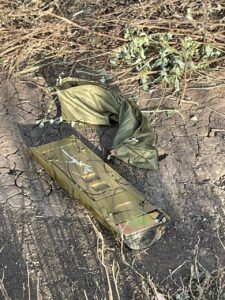
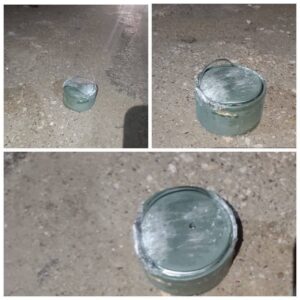
This image shows two anti-vehicle mines produced by Iran, known variously as the ’YM3’, ‘YM-III’, or similar. According to the manufacturer, mass production began in 2002. The mine reportedly has an overall weight of 6.9 kg (15 lb). (ARES)
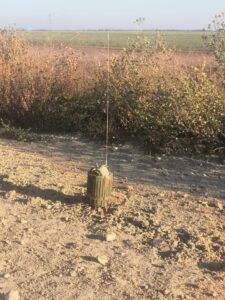
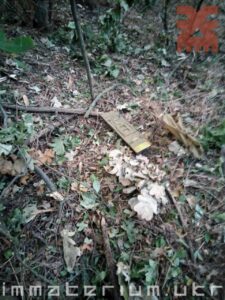
The German DM 1399 (AT2) anti-tank landmine shown here can be dispensed from rockets and ground vehicles. Upon being dispensed, a small parachute is deployed in order to slow the mine’s descent and assist in in landing base down; the parachute is released upon impact by an impact-release connector. Upon impact, from five to 12 (six shown) spring-loaded, metal legs deploy to right the mine; arming is completed anywhere from 15 seconds to five minutes thereafter. The base of the cylindrical body houses the battery and electronics assembly, with the main explosive charge and Misnay–Schardin shaped charge plate immediately above. The body is topped by a dome cover and an S3 sensor wire which extends approximately 600 mm (12 in) above the body of the mine. (ARES)
Shown is a German DM 1399 (AT2) dispensed, anti-tank landmine which is high explosive with a Misznay-Schardin charge to penetrate the bottom of armored vehicles. The DM 1399 reportedly has magnetic and contact fuzing (model S3 fuze), along with an anti-disturbance feature to interfere with clearance operations and a self-destruct time delay of up to four days. The mines are dispensed from rockets (MLRS). Currently the mines are in use by Finland, German, Norway, United Kingdom and Ukraine (donated by Germany and Norway). Italy is a former user which destroyed their ~45,000 mine stockpile in 1997 as part of the Ottawa Treaty, due to the mine’s anti-disturbance feature which can be activated by personnel and not just vehicles. (ARES)
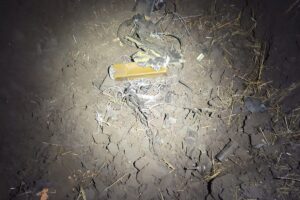
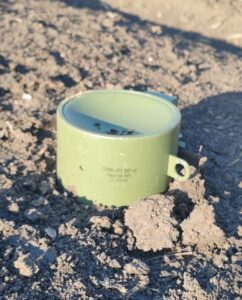
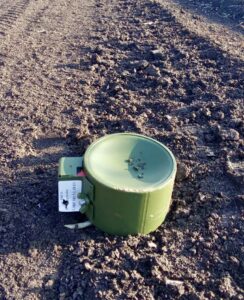
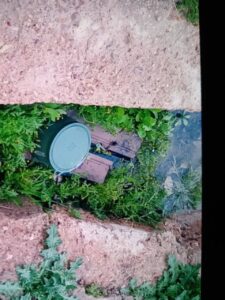
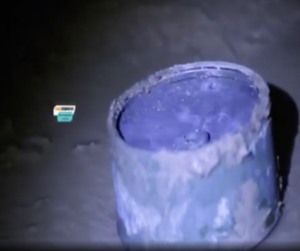
The BLU-91/B pictured here is an aerially dispensed anti-vehicle scatterable landmine that uses a magnetic-influence fuze to function a shaped charge relying on the Misnay–Schardin Effect. The munition is fitted with three self-destruct delay settings. The aeroballistic adaptor is commonly broken off upon impact and the remnants of the adhesive holding it in place can be seen (yellow). One side of the munition has a bore-riding pin which is held in place while in the dispenser. Once dispensed, the bore riding pin is released and starts the arming process. The BLU-91/B is 121 mm (4.75 in) in diameter and 56 mm (2.6 in) in height. (ARES)
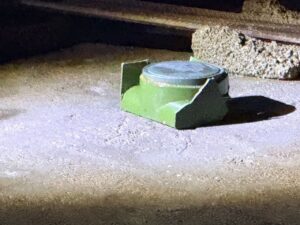
A BLU-91/B GATOR anti-vehicle landmine is seen in this image, with the remains of an aeroballistic adaptor visible. BLU-91/B mines can be deployed from cluster bombs or from vehicle-mounted dispensers, however the presence of the square aeroballistic adaptor here indicates that this example was deployed from an air-delivered cluster bomb. (ARES)