




1–100 of 240
Current Filter
Drone (UAV)
Unmanned aerial vehicles which may be remotely piloted, or fly autonomously or semi-autonomously. UAVs which feature integrated munitions or warheads are often referred to as “suicide drones” or “one-way-attack (OWA) munitions”, and effectively function as guided missiles. This attribute is tagged in the OSMP to align with vernacular usage.
Analyst Note
17 August 2026
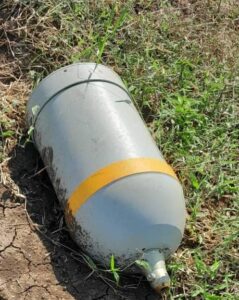
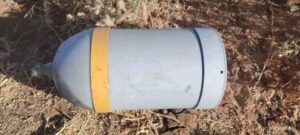
This image shows an Emirati-made Modamer warhead with a Serbian-made UT M18 fuze installed in the nose. (ARES)
Analyst Note
15 August 2026
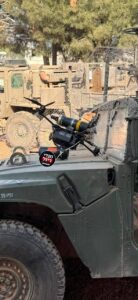
This image shows the warhead from a Milan 1 anti-tank guided missile (ATGM) that has been adapted for use with a small UAV flown by fibre-optic command wire. (ARES)
Analyst Note
15 August 2026
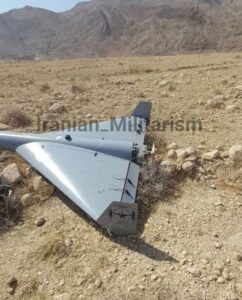
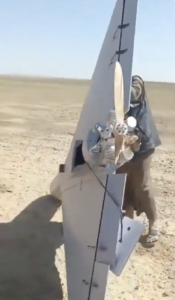
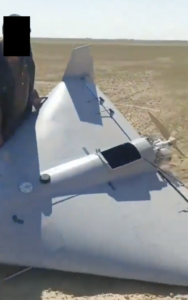
This image shows a downed Low-cost Uncrewed Combat Attack System (LUCAS) one-way attack (OWA) unmanned aerial vehicle (UAV). Unlike LUCAS UAVs see previously, this example does not have a Starshield GPS Antenna prominently visible forward of the engines, indicating that this LUCAS has been constructed differently to previous examples. (ARES)
Analyst Note
15 August 2026
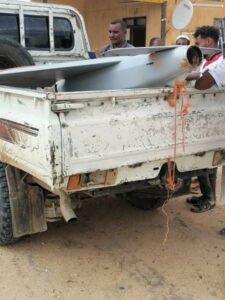
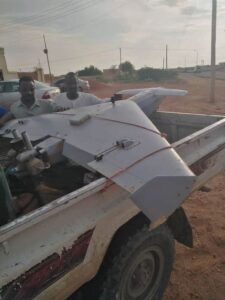
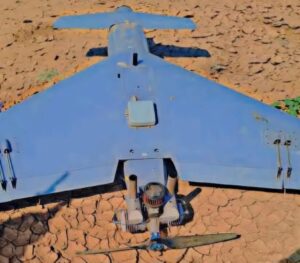
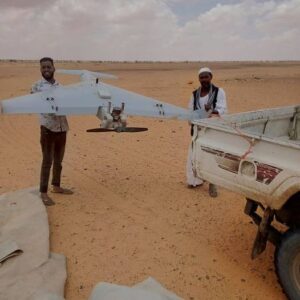
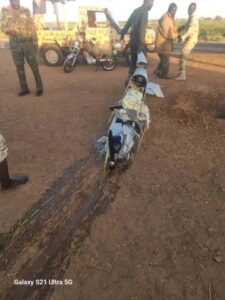
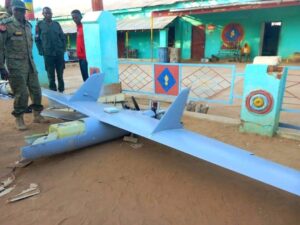
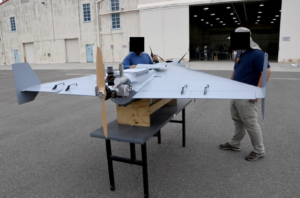
This image shows an unknown model of one-way attack (OWA) UAV believed to be produced by the UAE, and employed by the Rapid Support Forces (RSF) in Sudan. Unlike TMID-0014 and TMID-0015, this UAV uses a 82 mm mortar projectile fitted in the nose, rather than a Modamer warhead. (ARES)
Analyst Note
15 August 2026
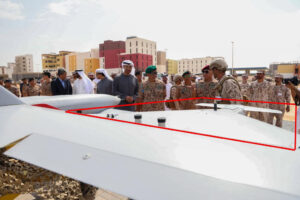
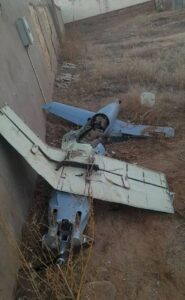
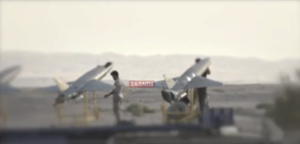
This image shows a TMID-0013 UAV being displayed by the UAE during the ‘Desert Tiger 7’ joint exercise conducted with Malaysia in February 2023. The other UAV in the image has been temporarily designated TMID-0014. (ARES)
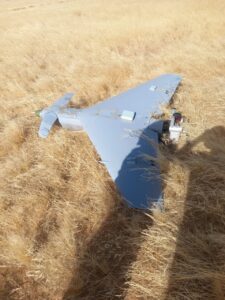
Analyst Note
18 August 2026
The 81 mm mortar projectile which serves as the warhead for the TMID-0014 is partially visible protruding from the nose of this example. (ARES)
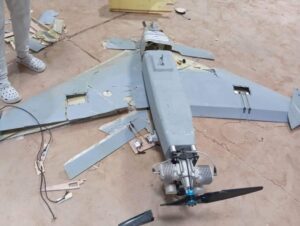
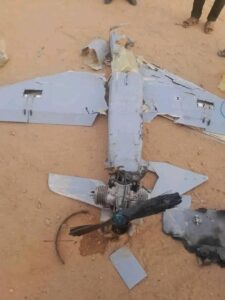
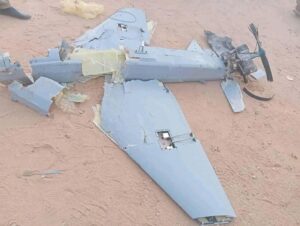
Analyst Note
15 August 2026
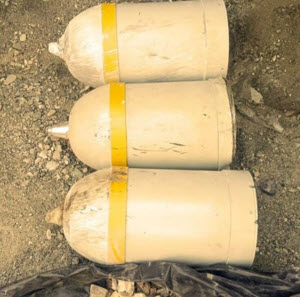
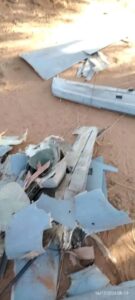
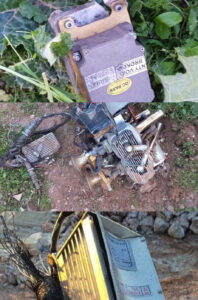
The colour of this image appears more yellow than would be expected, perhaps as a result of a digital filter. In other images of the same remnants, the Modamer warheads pictured here appear to be grey, rather than tan. (ARES)
Analyst Note
15 August 2026
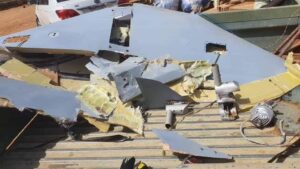
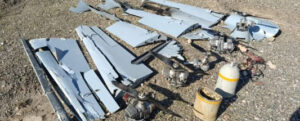
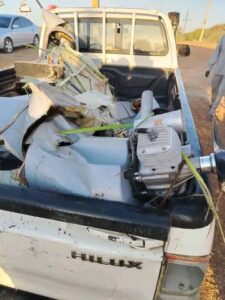
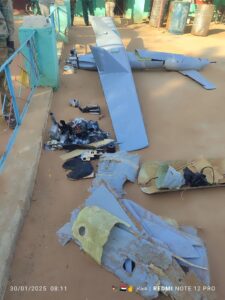
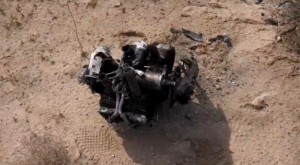
This image shows remnants of several one-way attack UAVs, as well as two unfunctioned Modamer warheads. Modamer warheads are blast/fragmentation warheads with an overall weight of 34.5 kg (76 lb). The Modamer warhead designs are produced by Halcon, a subsidiary of Edge Group, which is owned by the Emirati state. (ARES)
Analyst Note
15 August 2026
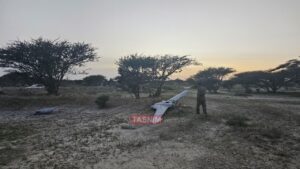
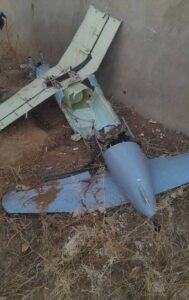
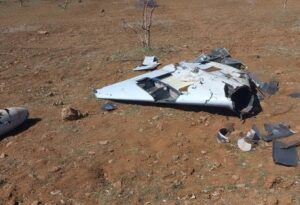
This image shows an unknown model of one-way attack (OWA) UAV believed to be produced and employed by the United Arab Emirates (UAE). ARES has assigned a temporary munitions identifier (TMID) of TMID-0015 to this munition. The UAV’s nose and a Modamer warhead can be seen, detached, to the left of the main body. (ARES)
Analyst Note
17 July 2026
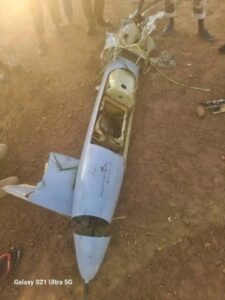
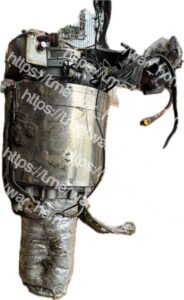
This image shows the open warhead compartment of the UAV, forward of the fuel tank, with a frame that fits the Modamer warhead. (ARES)
Analyst Note
15 August 2026
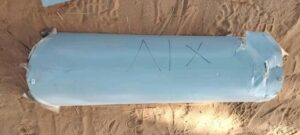
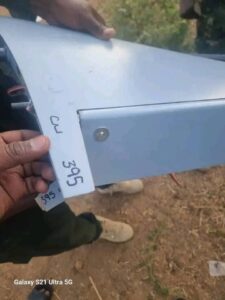
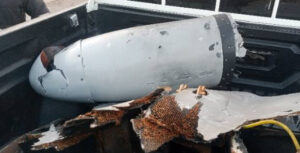
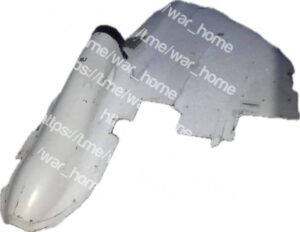
This image shows the body panel of the UAV which covers the compartment inside which the Modamer warhead is fitted. (ARES)
Analyst Note
15 August 2026
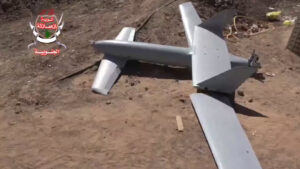
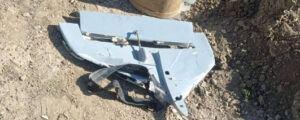
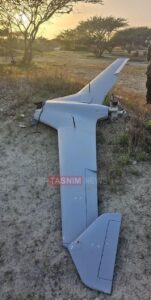
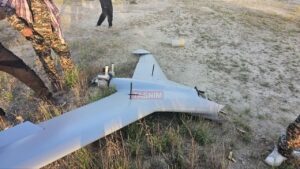
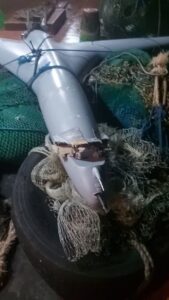
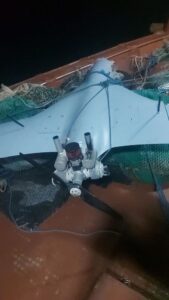
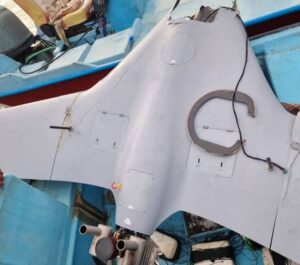
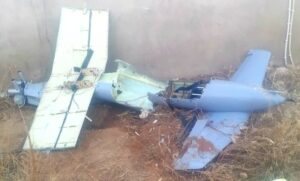
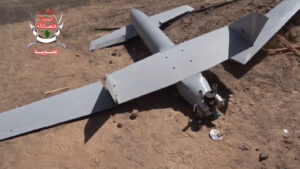
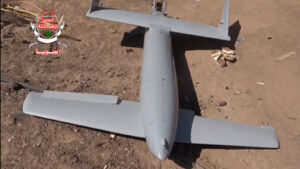
This image shows what appears to be an earlier variant of the current iteration of the TMID-0014 which has been used by the Rapid Support Forces (RSF) in Sudan. This model of UAV was also documented in Yemen in 2022. (ARES)
Analyst Note
15 August 2026
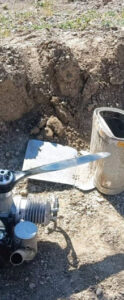
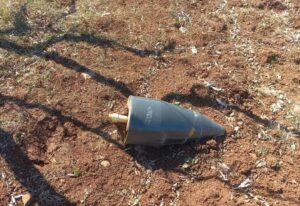
The fuze installed in this Modamer warhead appears to be the Serbian UT M18, which is commonly installed in the “120mm TB” thermobaric air-delivered bomb. The 120mm TB resembles a mortar projectile (see OSMP 1803 & 1812), but is commonly dropped from UAVs. Both the 120mm TB and the UT M18 fuze are known to have been purchased by the armed forces of the UAE, and shipments marked for delivery to the UAE have been documented in Sudan. (ARES)
Analyst Note
10 June 2026
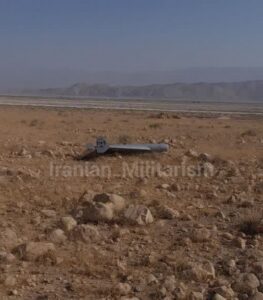
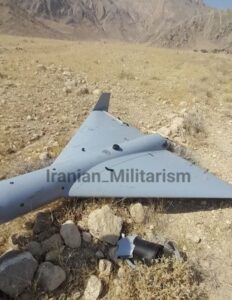
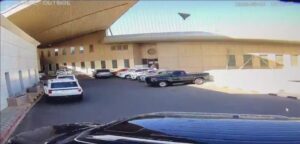
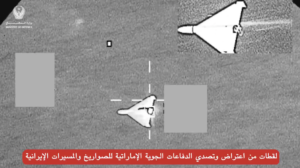
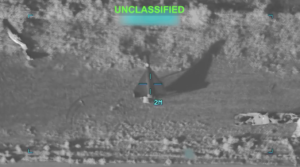
This image shows a screenshot from one of the videos released by the Kuwait Civil Aviation showing a one-way attack (OWA) unmanned aerial vehicle (UAV) striking the Kuwait International Airport. The munition’s distinctive delta-wing configuration and general size, shape, and manner of flight are consistent with the Shahed series of OWA UAVs. The related entry shows a Mado MD550 engine recovered following this strike, a model used to power the Shahed-136 series, enabling a more precise identification. (ARES)


Analyst Note
28 April 2026
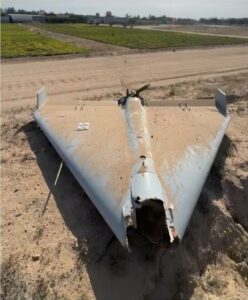
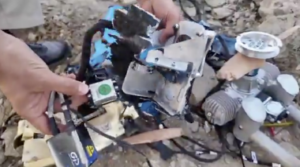
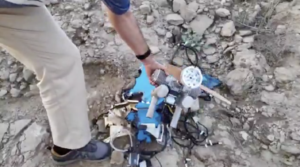
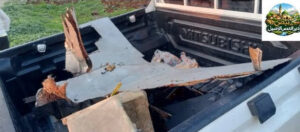
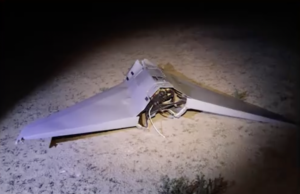
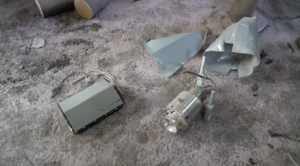
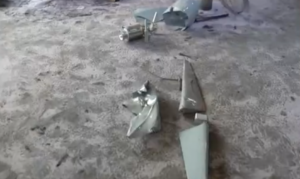
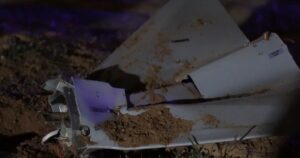
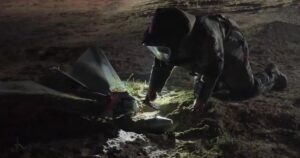
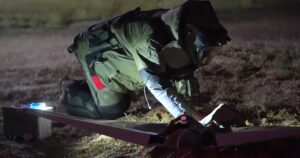
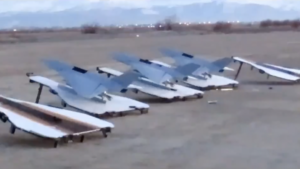
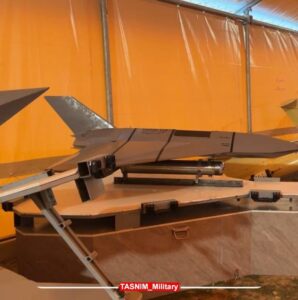
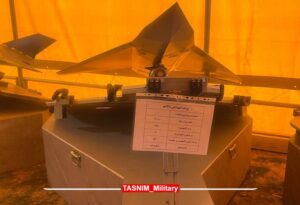
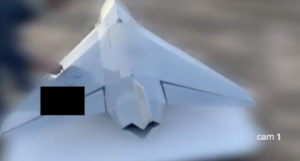
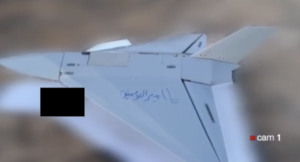
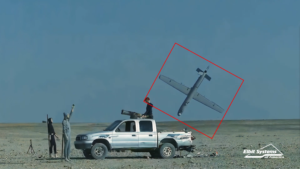
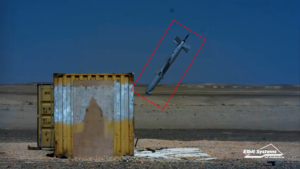
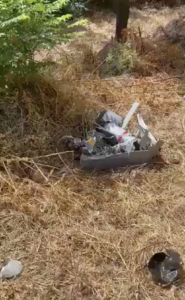
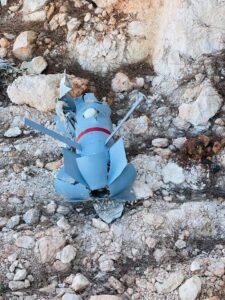
This munition, believed to be of Israeli origin, has been documented at a number of strike sites in Lebanon, Gaza, and Iran. Although distinctive remnants permit its tentative identification, the lack of a confirmed model name means this munition has been assigned a Temporary Munitions Identifier (TMID) by ARES. This appears in the Tentative Model field of the OSMP so that all records of this munition in the database can be linked under one temporary name. (ARES)
Analyst Note
2 March 2026
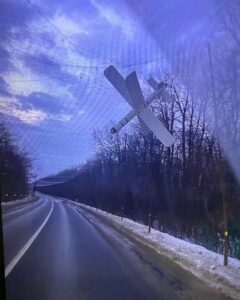
This image shows a Lancet-series one-way attack (OWA) UAV. It strongly resembles the Z-51E made by Zala Aerospace, a Russian manufacturer, although this cannot be confirmed from the available image. The Lancet series of drones can carry a variety of different warheads, including blast, fragmentation, thermobaric, and High Explosive Anti-Tank (HEAT). (ARES)
Analyst Note
2 March 2026
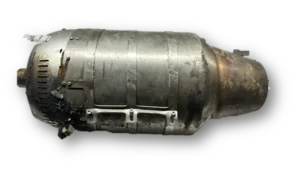
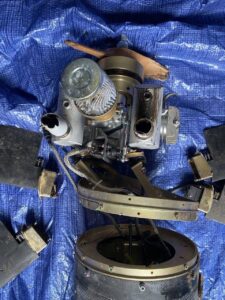
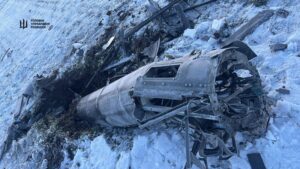
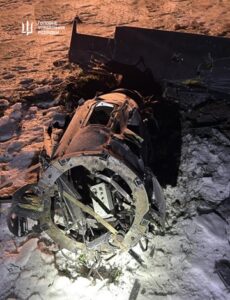
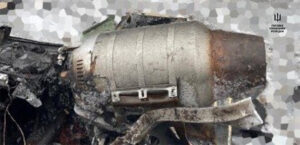
It is reported that this jet engine was recovered from the wreckage of a Geran-5 one-way attack (OWA) UAV. It is most likely a Telefly TF-TJ2000A model, manufactured by Telefly Telecommunications Company in China. It is reported that the TF-TJ2000A engine produces 200 kg of thrust; this is a significant increase in thrust compared to the Telefly JT80 engine used on the Shahed-238 (Geran-3) UAV, which produces approximately 80 kg of thrust. (ARES)
Analyst Note
2 March 2026
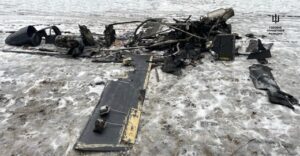
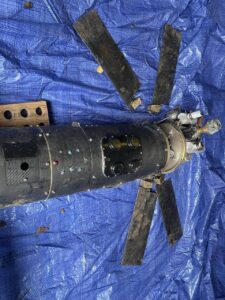
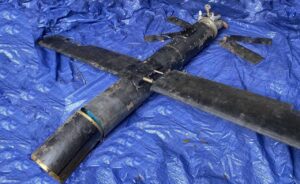
This image shows the remains of a Russian Geran-5 drone. These drones are reported to be roughly 6 meters long and have a wingspan of up to 5.5 meters. They are fitted with a warhead weighing approximately 90 kg and have a range of about 1,000 km. (ARES)
Analyst Note
4 March 2026
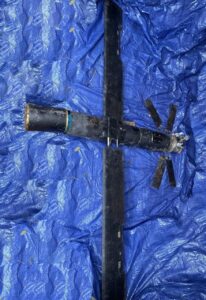
This image shows a Low-Cost Unmanned Combat Attack System (LUCAS). The LUCAS one-way attack UAV is a U.S.-made, cost-effective ‘kamikaze drone’. LUCAS munitions can connect to one another via a mesh network, allowing multiple LUCAS drones to communicate in flight. The white square object connected to the munition by a cable appears to be a Starlink antenna, consistent with reported communication capabilities. Elon Musk has claimed that LUCAS operates only via Starshield, a Starlink-derived satellite network intended for government use. (ARES)
Analyst Note
31 December 2025
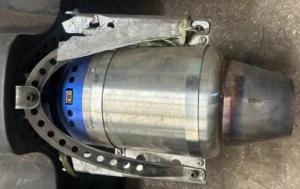
This image shows a Telefly JT80 jet engine, as used on Shahed-238 (Geran-3) UAVs. These jet engines are manufactured in China by Telefly Telecommunications Company. According to the manufacturer, each engine produces approximately 80kg of thrust. (ARES)
Analyst Note
31 December 2025
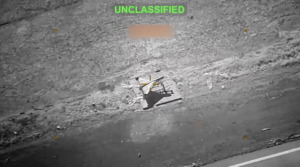
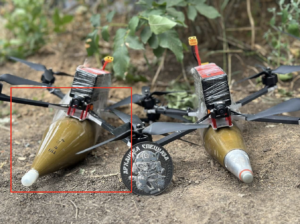
The munition indicated is a one-way-attack (OWA) UAV fitted with a PG-7-series high explosive anti-tank (HEAT) warhead. Not enough of the warhead is visible to provide a positive ID on which model of PG-7-series projectile it was harvested from. (ARES)
Analyst Note
31 December 2025
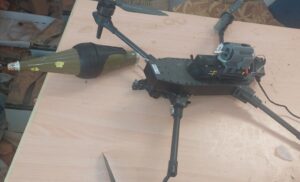
This image shows a one-way-attack (‘sacrificial’) UAV with the apparent warhead broken off. It is believed to have been attached to the grey mechanism located at the rear of the UAV, likely separating when the UAV was downed. (ARES)