
Bellingcat's Online Investigation Toolkit recommends the OSMP
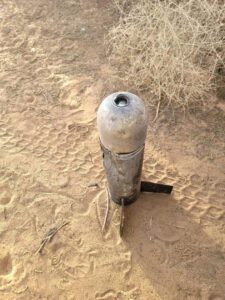
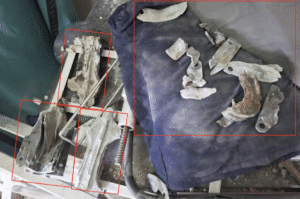
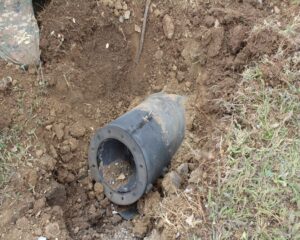
Bellingcat’s Online Investigation Toolkit, which features tools and resources for use by journalists and investigators, added the OSMP to its list of recommended sites. Bellingcat described the OSMP as a “verified image repository of munition types”, and outlined its functionality in detail, including the search filters, imagery tagging system, and methodological approach.
The benefits of the OSMP to the open-source community were also highlighted, including the multiple-stage review process by technical specialists from Armament Research Services (ARES), its ability to link munitions to civilian harm cases through Airwars’ incident archive, and in-depth visual explainers which use 3D models to help users understand some of the most widely-employed munition types.

Collection
The GBU-39 air-delivered bomb: a visual guide
An interactive 3D model of the Israeli military’s “weapon of choice” in Gaza